Jingmai Mountain
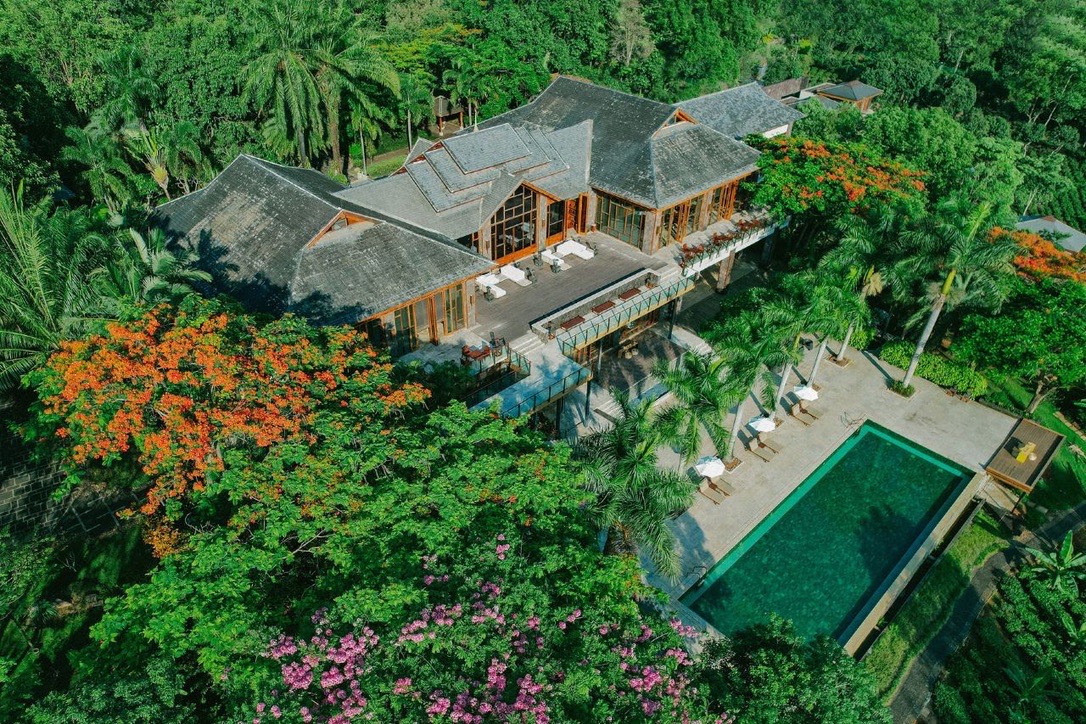
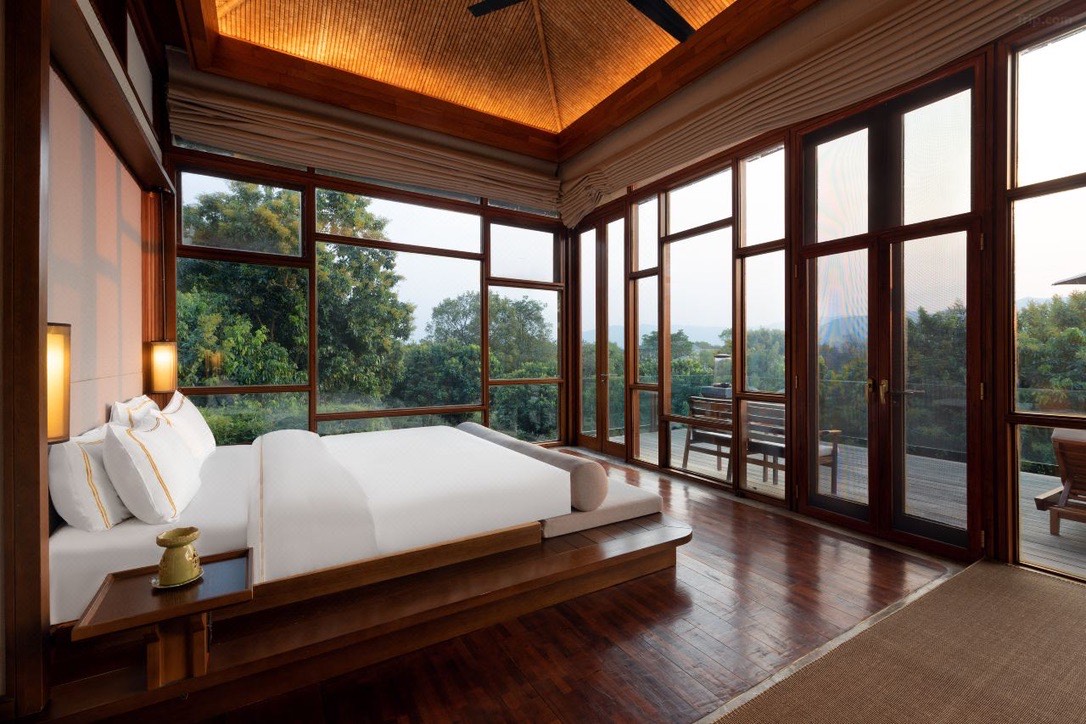
Inside the Bolian Pu'er Tea Manor on Jingmai, with the forest at the door and stone moulds on the estate: the right bed for the night before you press a cake. One night on Jingmai.

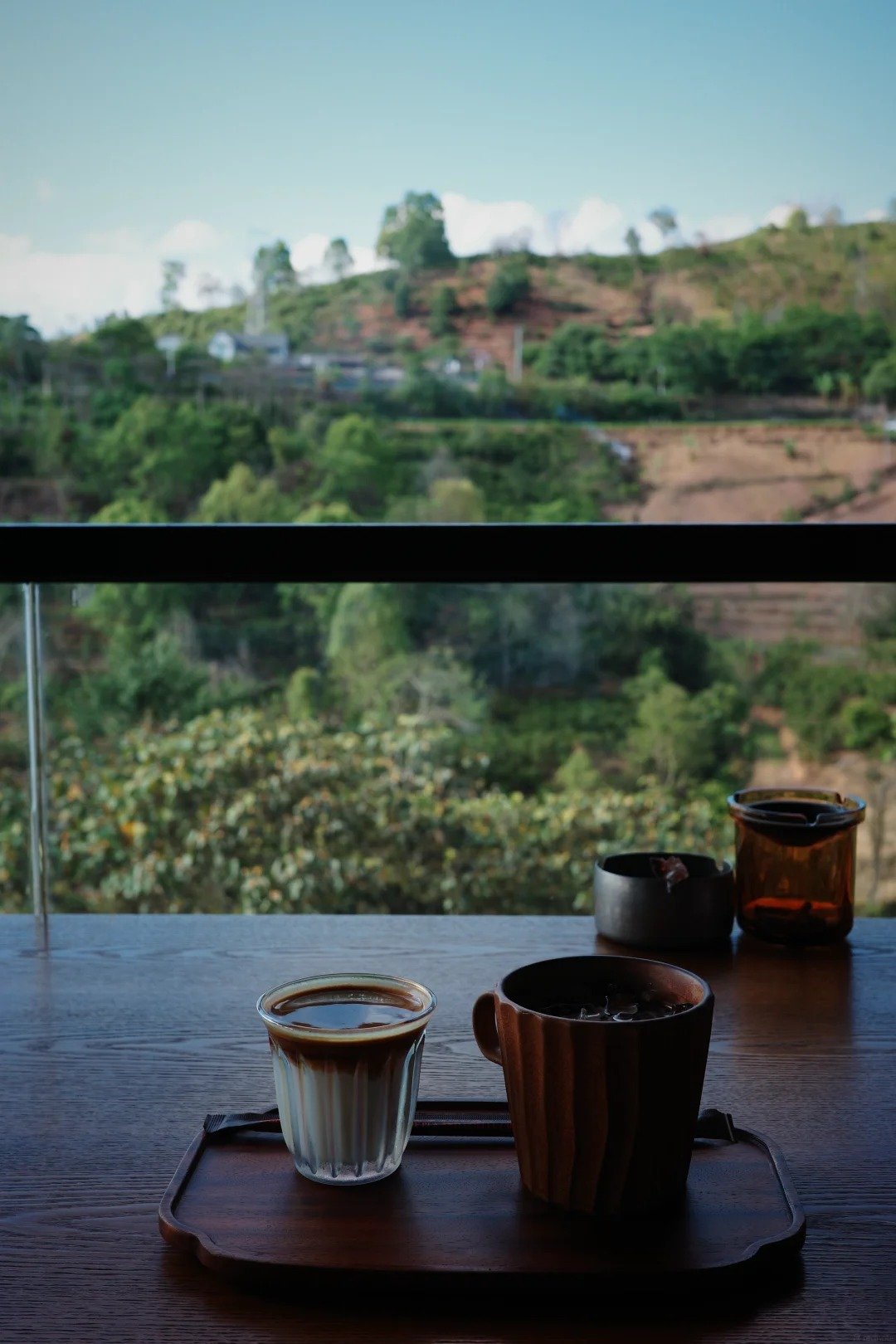
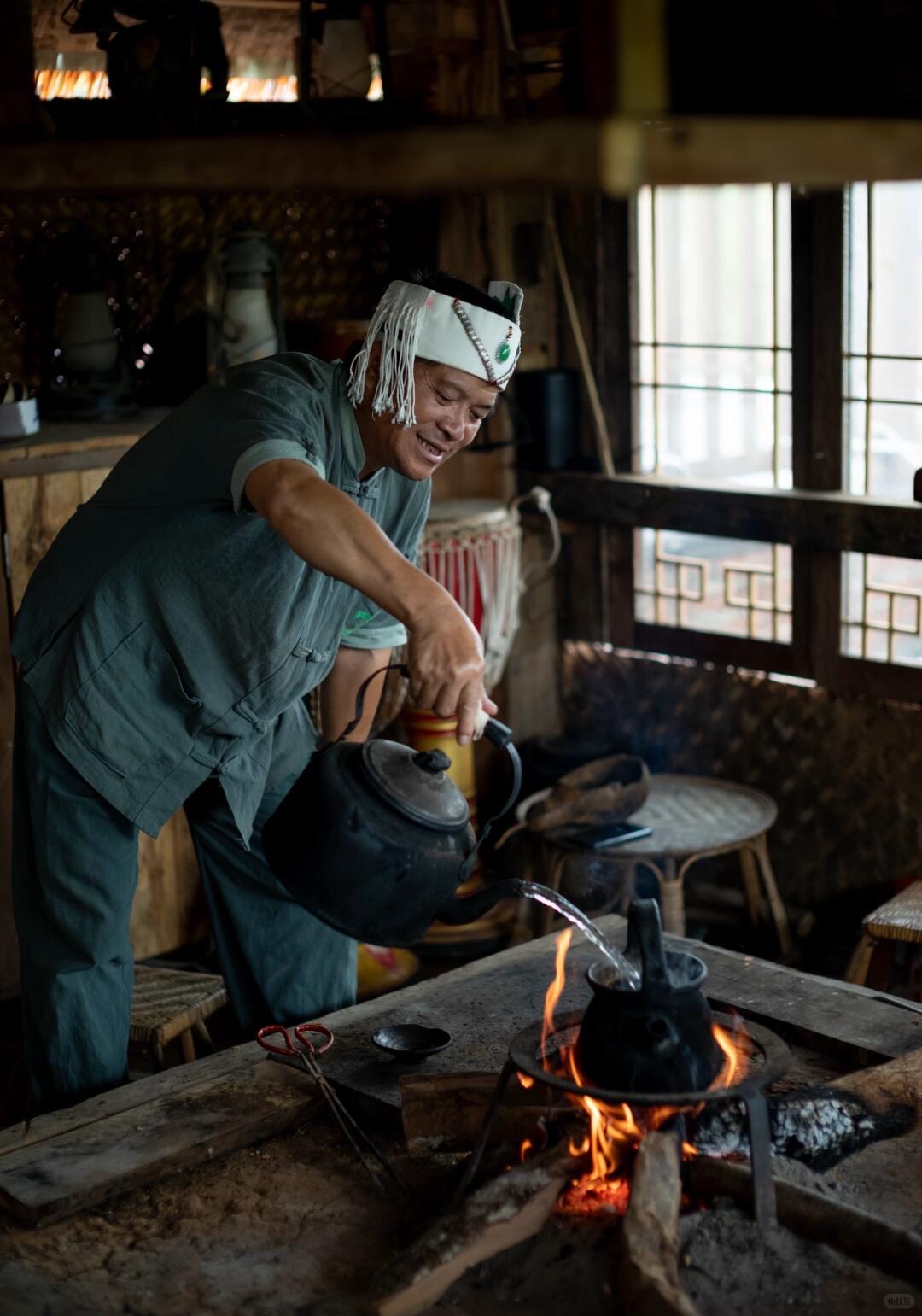
The train from Kunming South takes about 2h45, and a morning departure has you in Pu'er for a late lunch. Pu'er (普洱) gave its name to the tea and still trades on it, but the hills around Simao now grow the bulk of China's Arabica, and the city is better known these days as the country's coffee capital. So the town has a split personality, which suits us. Dinner is Yunnan cooking with tea worked into the dishes. Afterwards, the first tasting of the trip: a tea and a coffee poured side by side, nothing explained yet. Don't pick a side. You have a week to change your mind, and the estate starts early tomorrow.
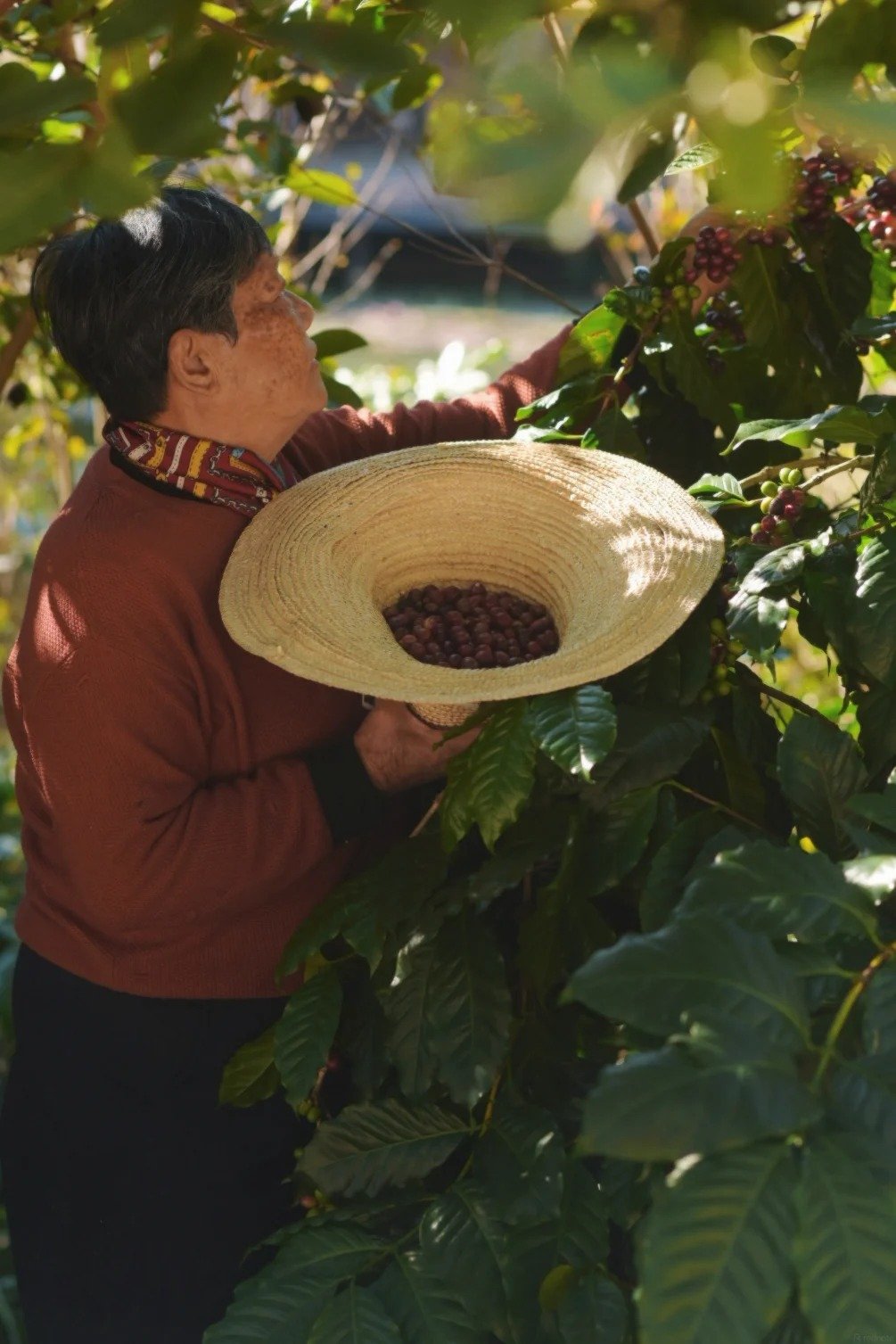
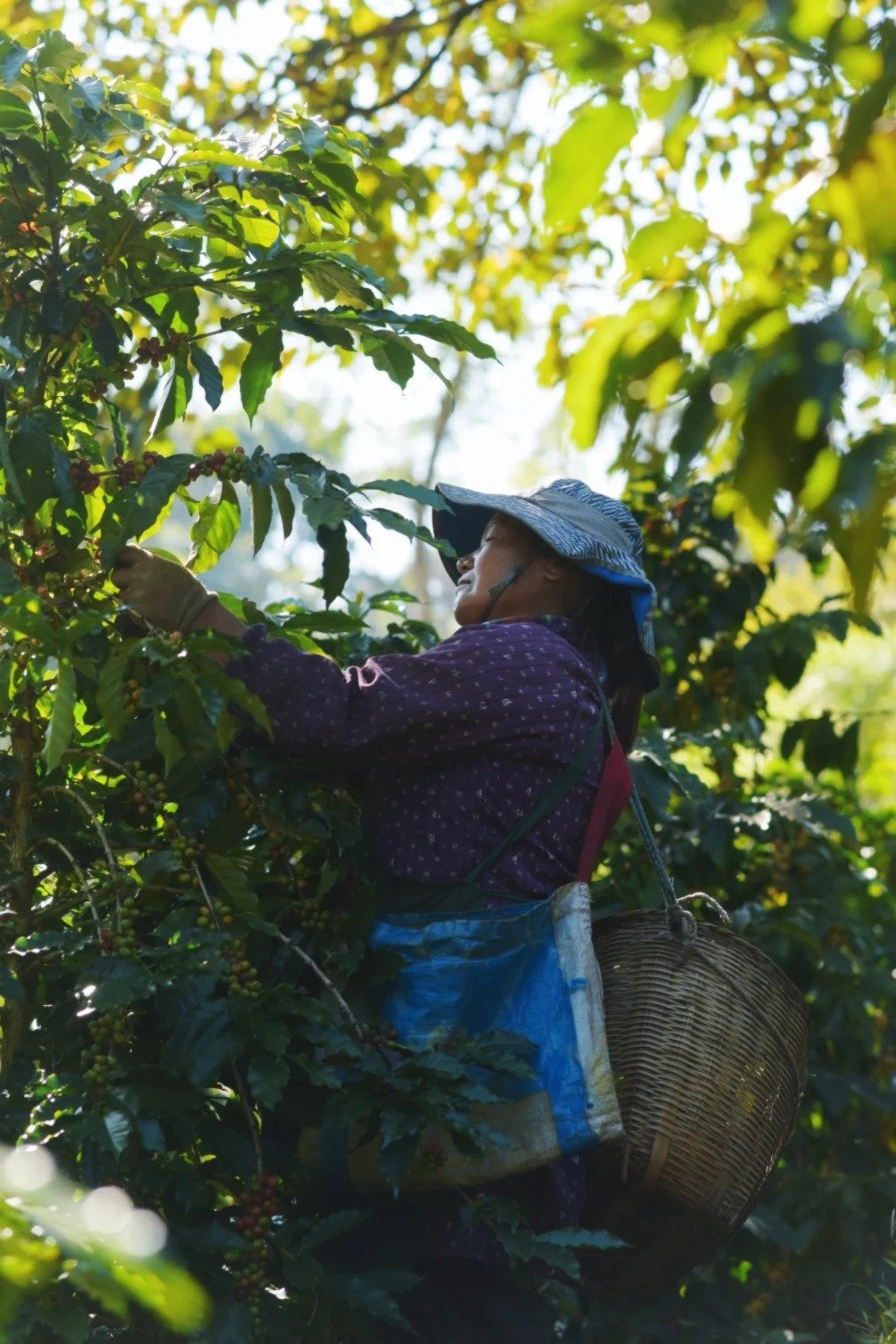
Winter is when the Simao hills pay out. The harvest runs from November to about March, and the job is simple and slow: only the fruit that has gone dark red, by hand, into a basket. The estates around the city open their gardens for exactly this. Xiaoaozi (小凹子) and Dakaihe (大开河) are two of them, and we choose by whose trees are ready that week. Then the part that decides the cup: washed, natural and honey, side by side. A roast, then a cupping led by a Q-grader, subject to availability, which is when three processes finally taste different to an amateur. Lunch stays on the estate, with Dai flavours on the plate. Late afternoon is Nakeli (那柯里), an old post station on the Tea Horse Road.
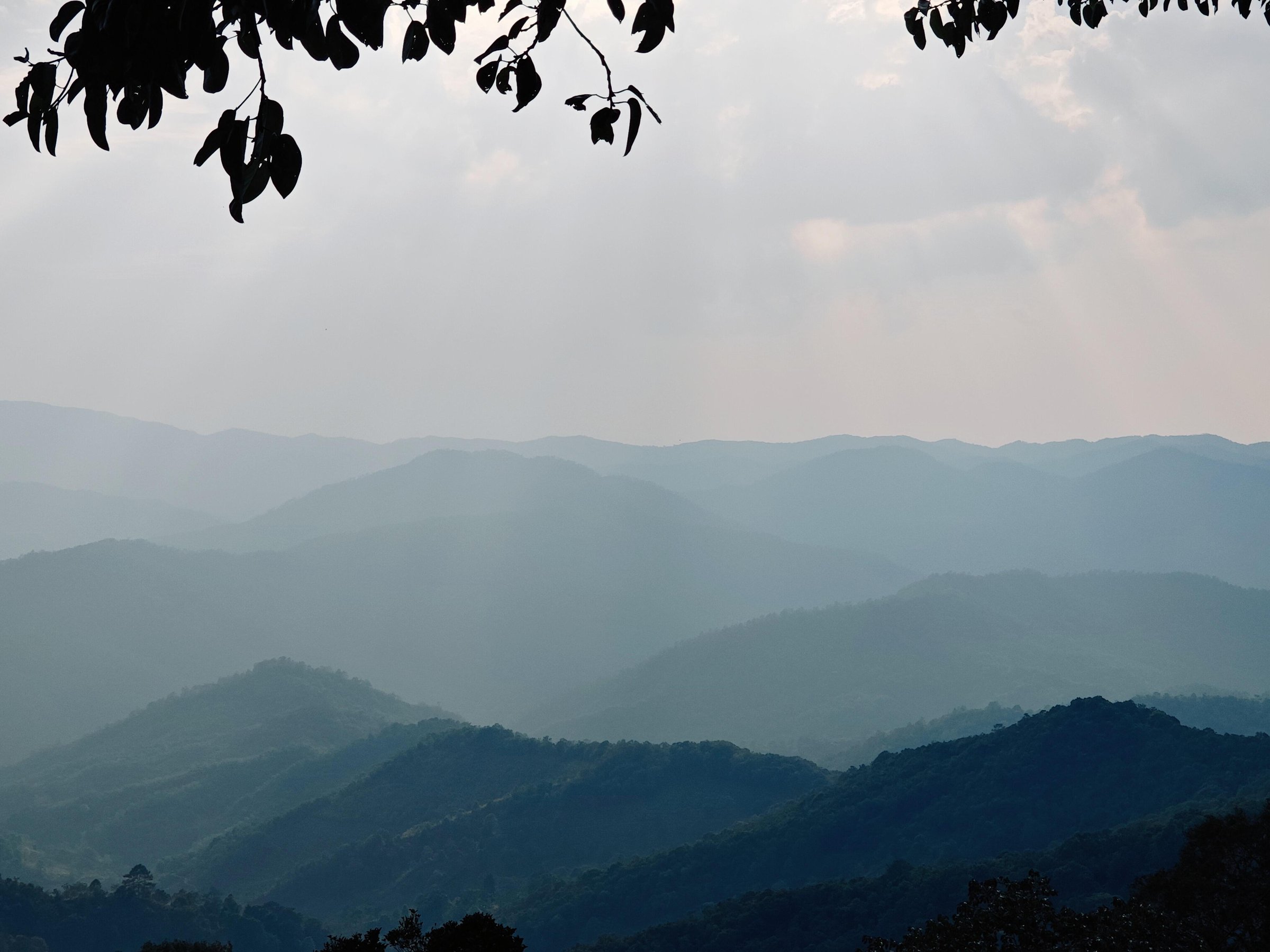
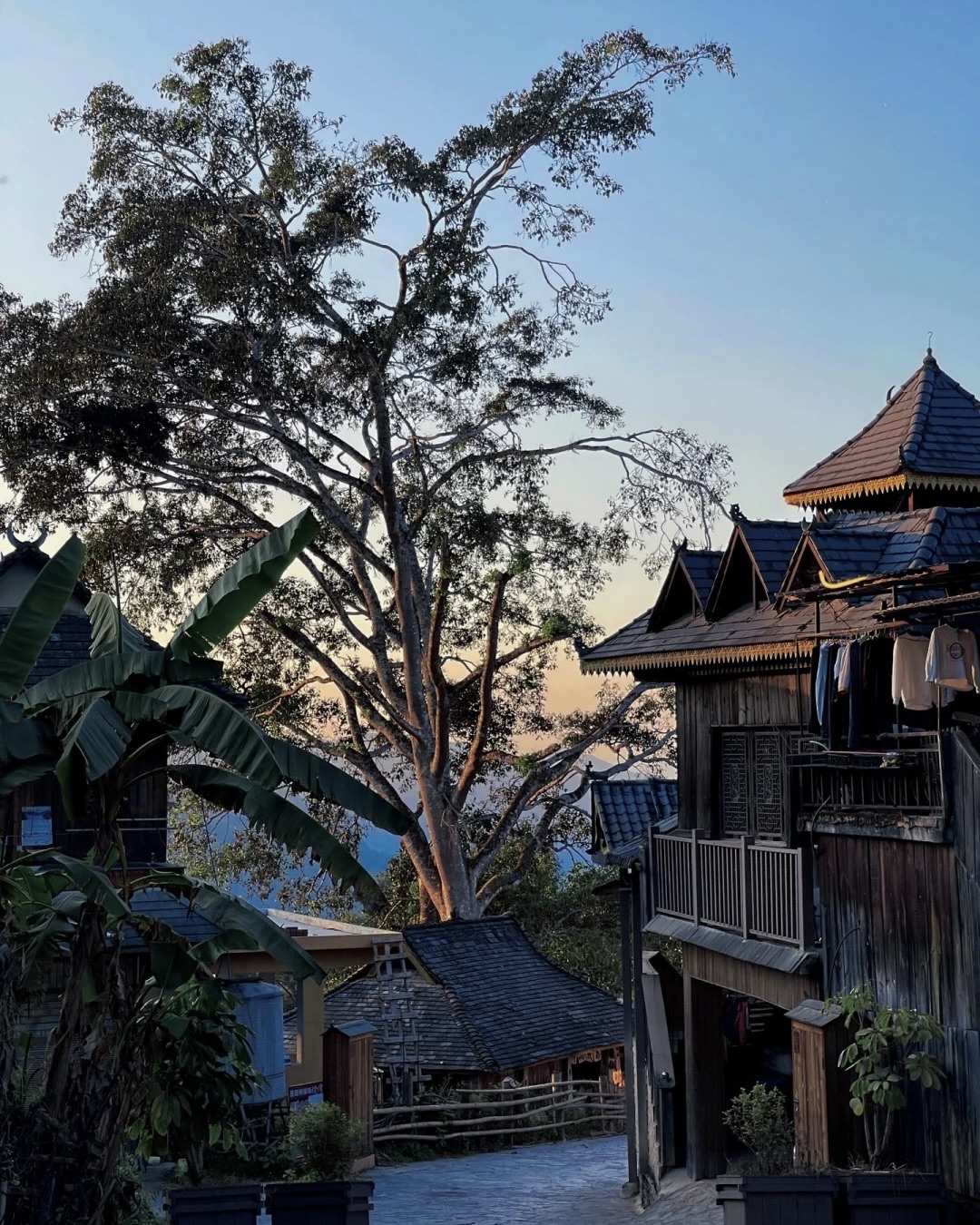
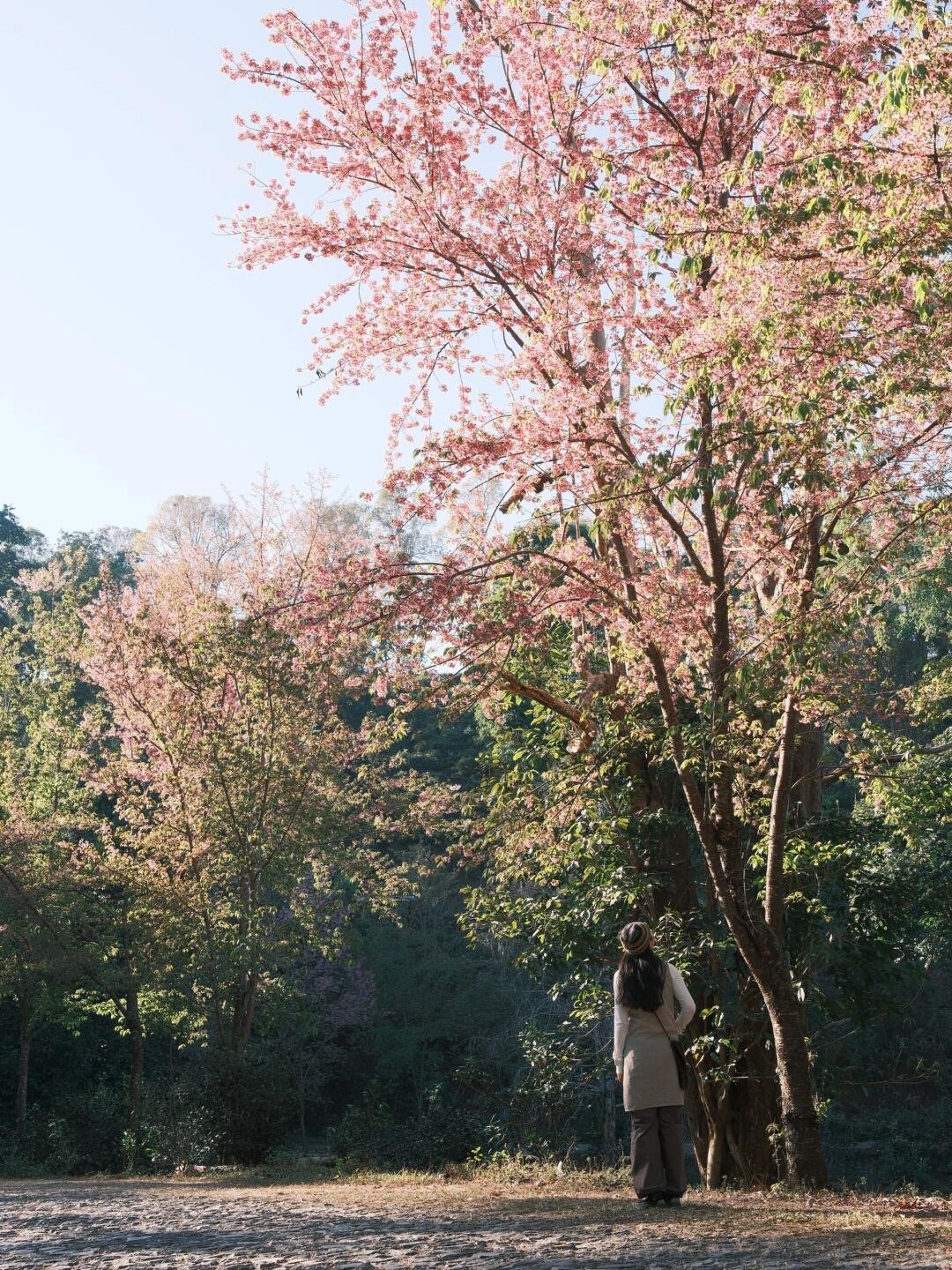
About three hours south-west of the city, the coffee stops. Jingmai Mountain is tea grown under taller forest trees, never in rows, a way of farming the Blang began here in the 10th century and UNESCO inscribed in 2023. Walk into Wengji (翁基古寨), dark timber stilt houses under steep shingle roofs, its temple at the head of the lane. On Ailing Mountain the Tea Ancestor Temple (茶祖庙) honours Pa Ailaeng, who the Blang say first planted tea here. Nobody is picking: in winter the trees rest and a basket on the slope is a demonstration at most. Winter cherry flowers on the mountain in November and December. Dinner is a Blang table, pickled tea-leaf salad and tea-smoked dishes, and an argument about whether you can eat your drink.
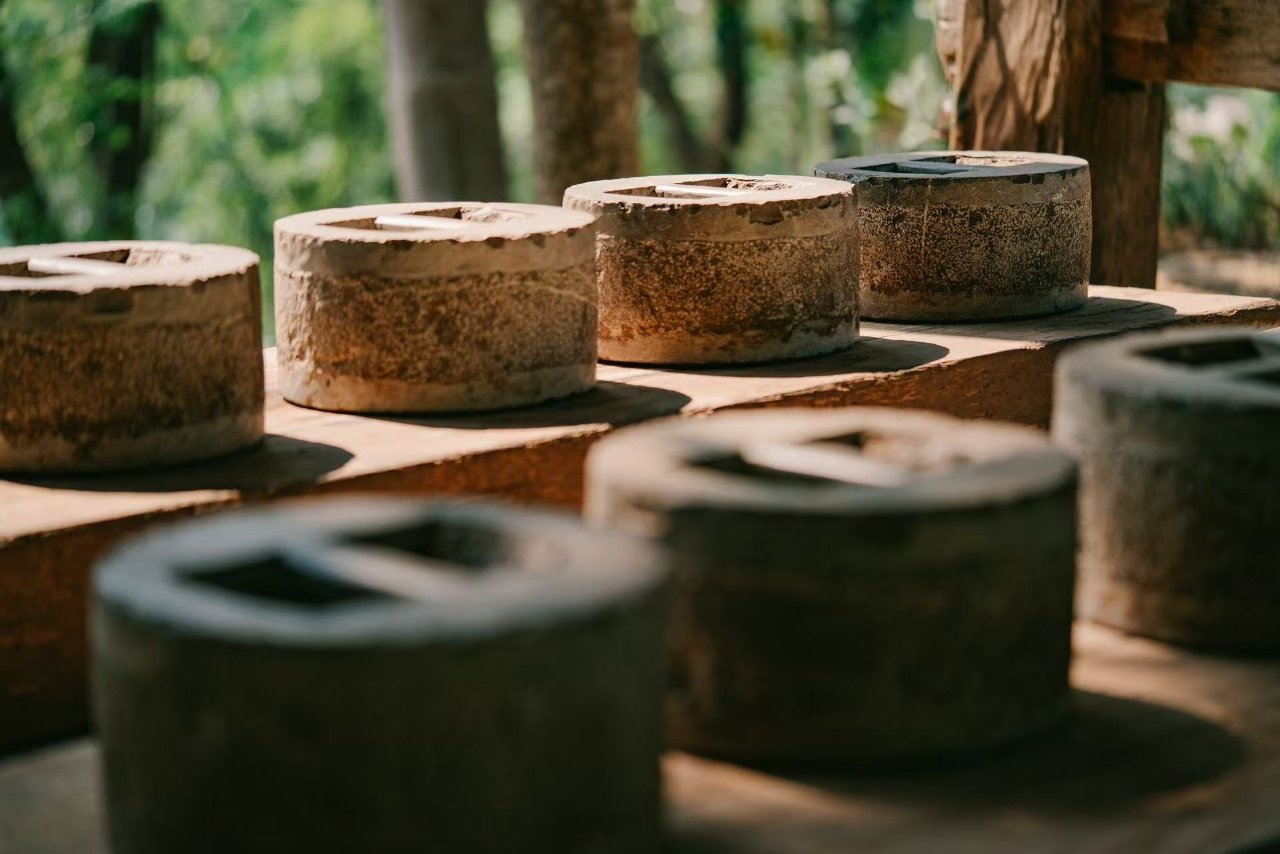
The morning is the reason you came up the mountain. With a tea family you weigh out 357 grams of dried leaf from earlier in the year and press it the old way (石磨压饼): a stone mould of about 25 kilos, you standing on top, turning your weight until the cake holds. It is ungainly and completely satisfying, and the result rides with you for the rest of the trip. After lunch, about two hours east through Menghai, the county behind the powerful end of Pu'er, with a pause at Manduan Temple (曼短佛寺) in the Menghai valley. Then the climb to Nannuo Mountain, where the evening is yours and the pot is optional.
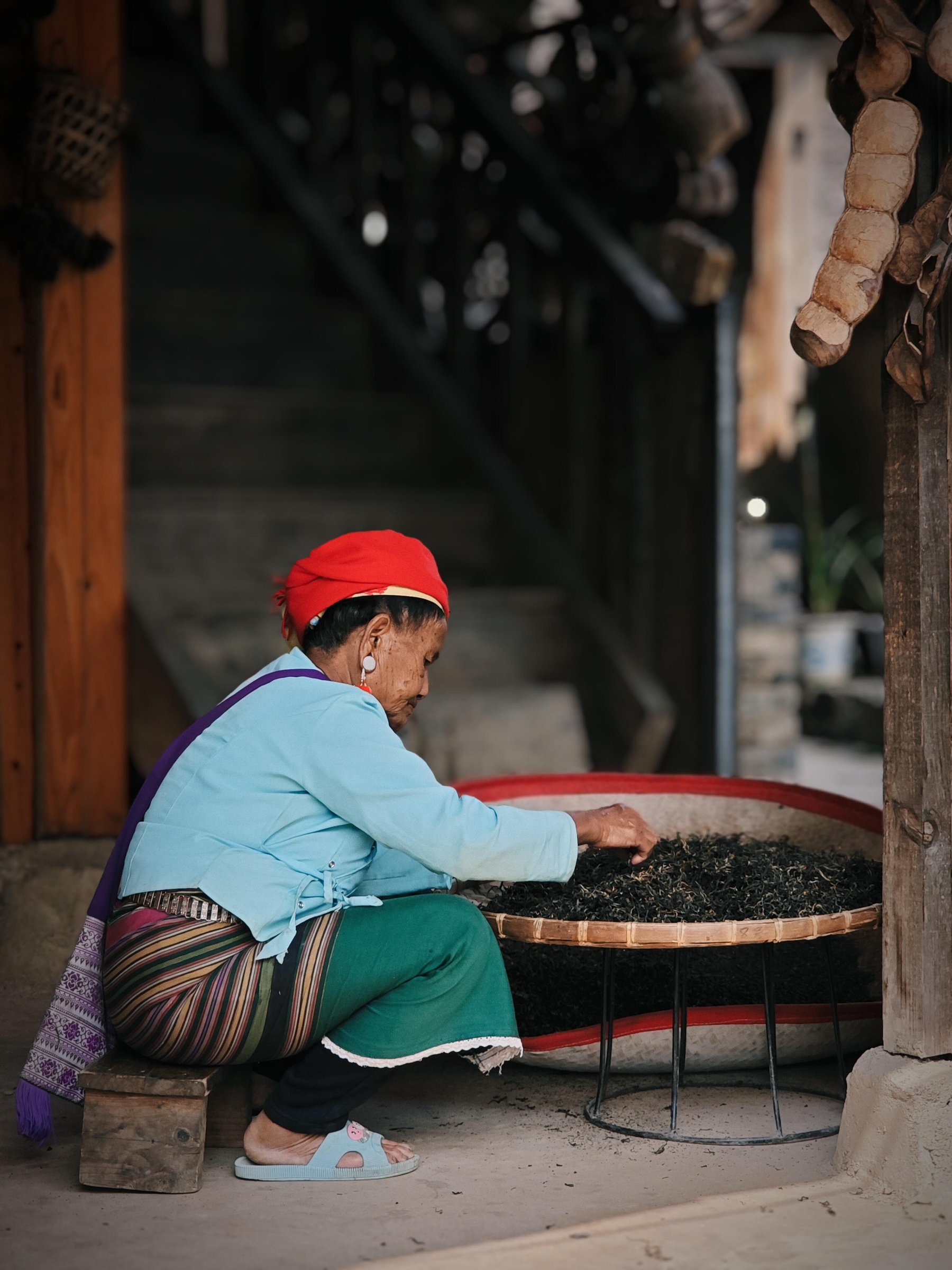
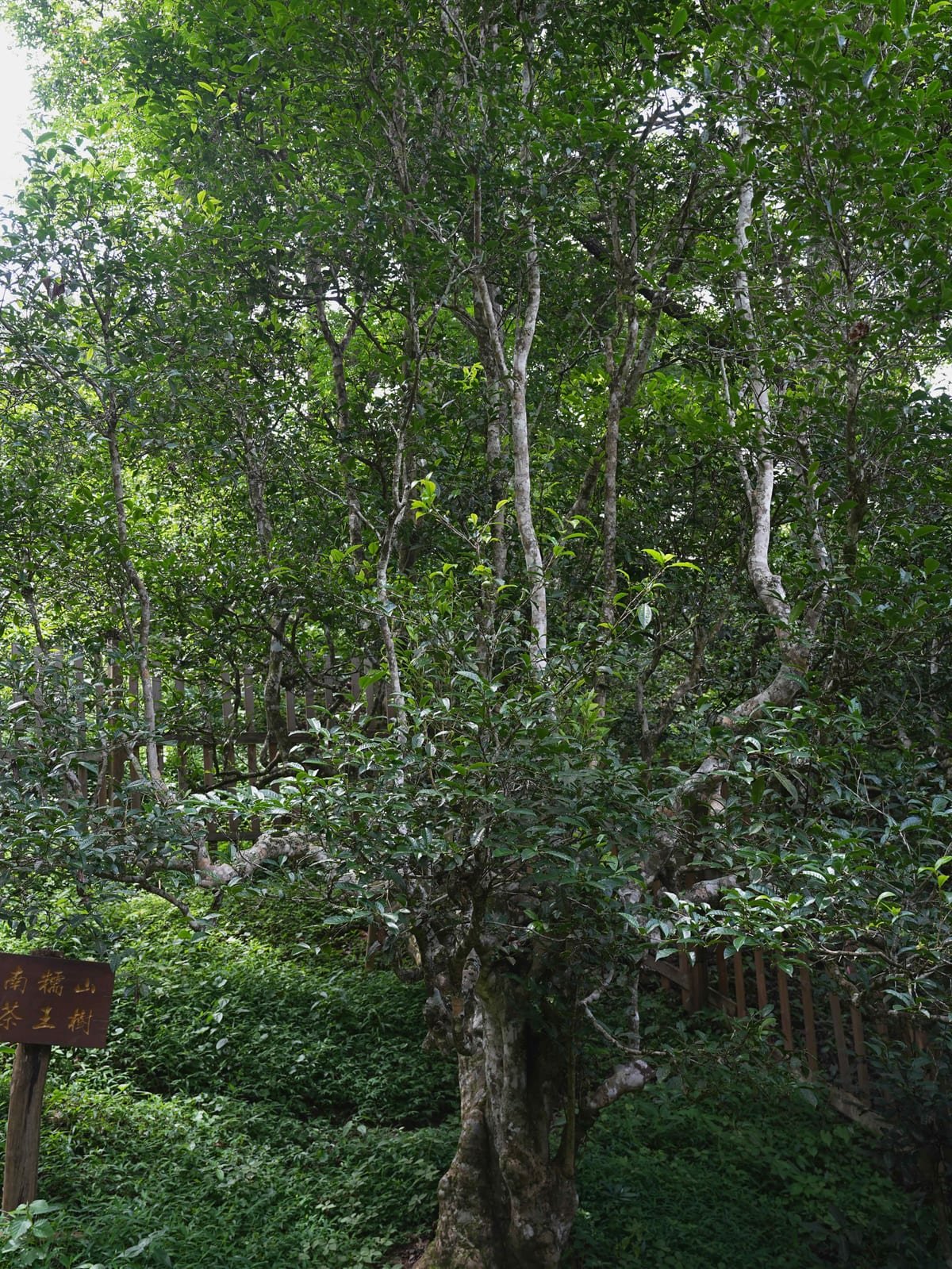
The car stops at Banpo Old Village, a Hani hamlet at about 1,600 metres. From there a stone-flagged path runs about 2.2 kilometres through working gardens of 400-to-800-year-old trees to the Tea King (茶王树), an 800-year-old cultivated trunk behind a low fence that still manages to quieten people. Tea at a farmer's table, then down to Menghai, where ripe Pu'er became a commercial reality at the Menghai Tea Factory, founded in 1940. The afternoon is a masterclass with a Menghai tea master, subject to availability: raw (生茶) against ripe (熟茶), how the ripe ferment came about, then a vertical of 5, 10 and 20-plus year Pu'er. By the last cup your palate will be properly tired. That's the idea.
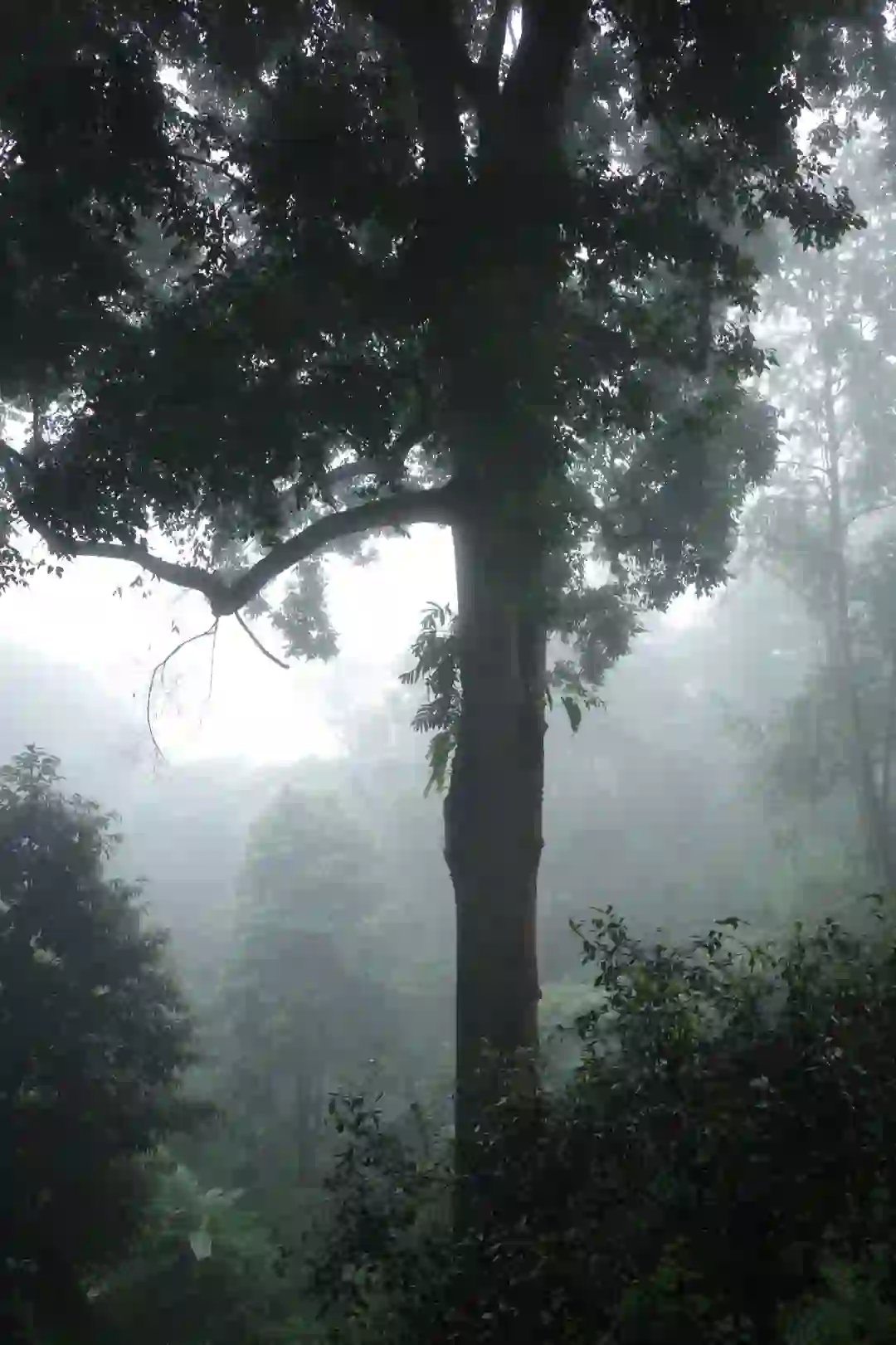
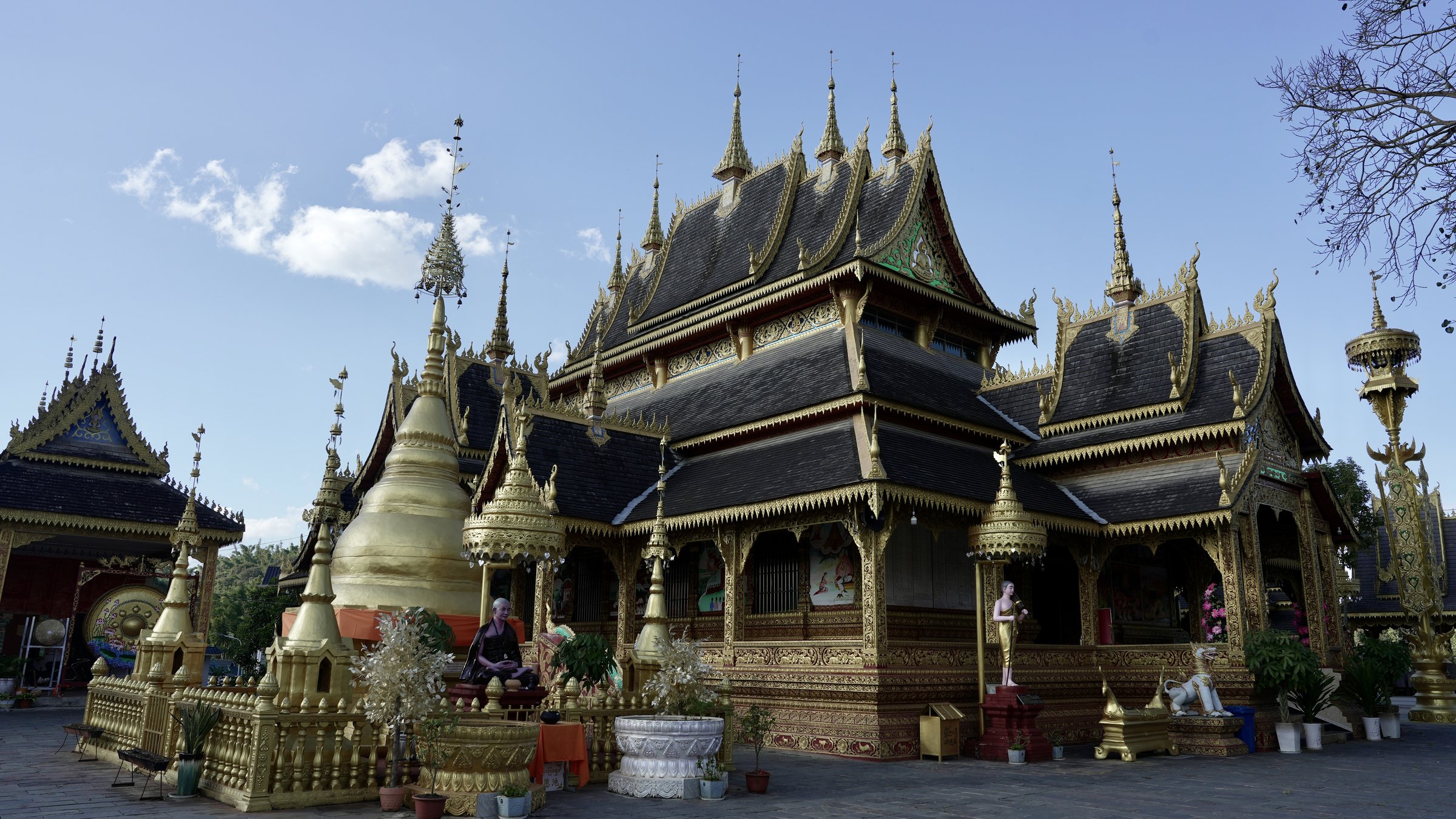
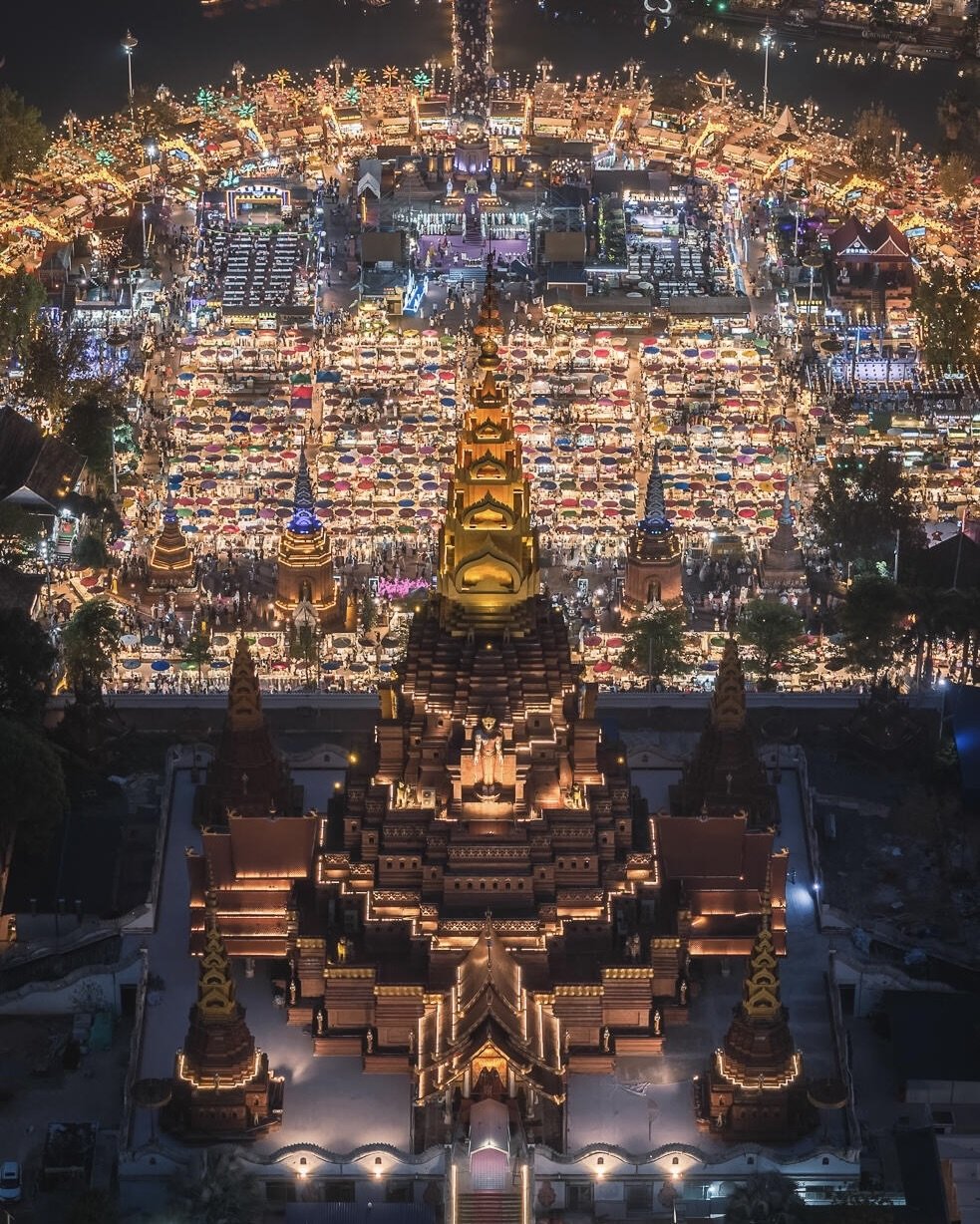
Down off the mountain, about 40 minutes, to the Jinghong side. First a Dai village and its Theravada temple, while the monks go about their morning. Then a Dai family kitchen, and you work for lunch: baoshao (包烧), meat or fish wrapped in banana leaf and grilled; nam mi (喃咪), the dipping sauces everything gets dragged through; fish grilled with lemongrass; rice cooked in bamboo. You eat what you make, so make it well. At dusk, the Mekong and the Gaozhuang night market, spread around the Great Golden Pagoda in Jinghong's new Dai quarter. Graze small. Then about an hour south-east in the dark to Menglun, for the two quietest nights of the trip.
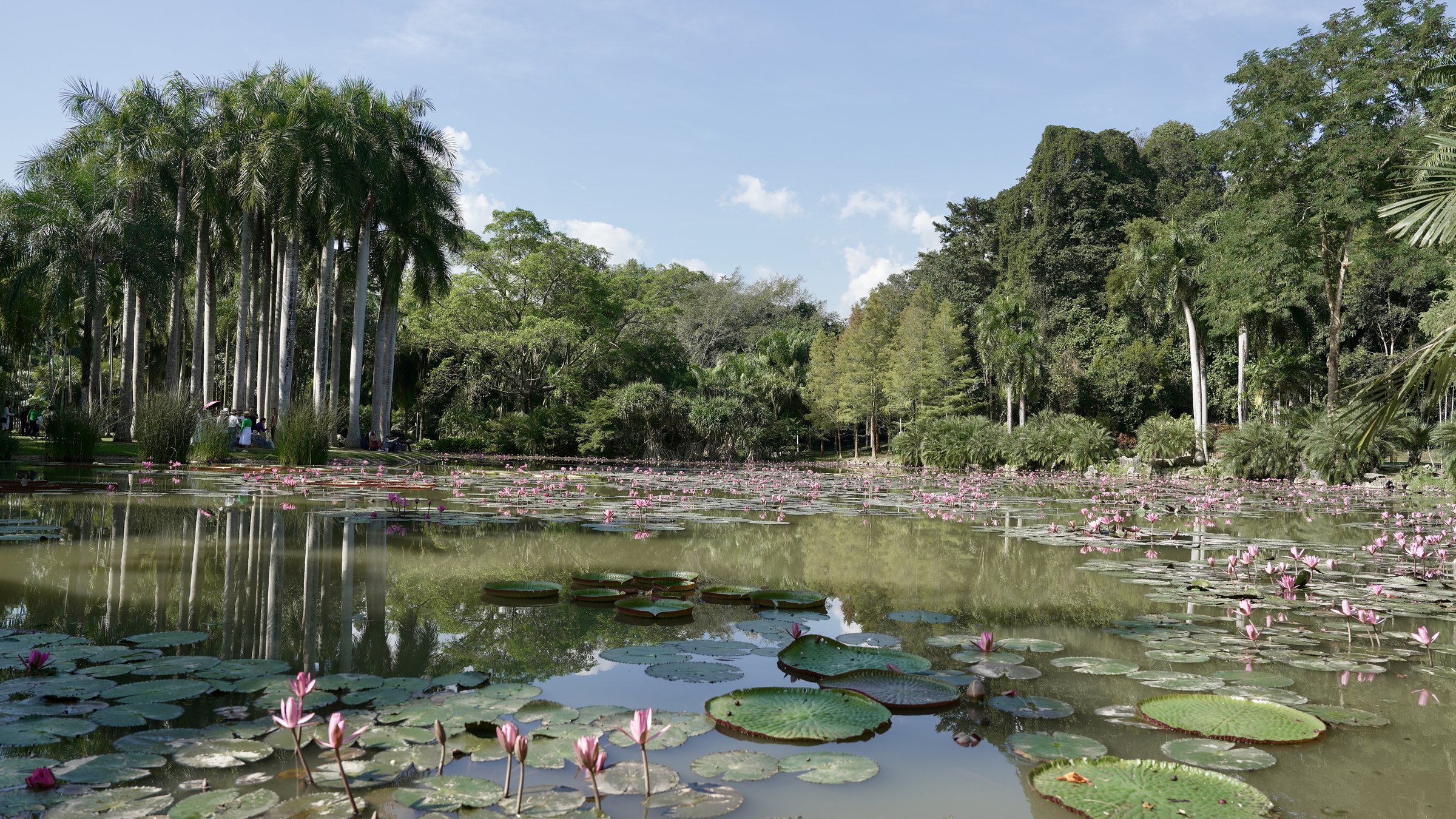
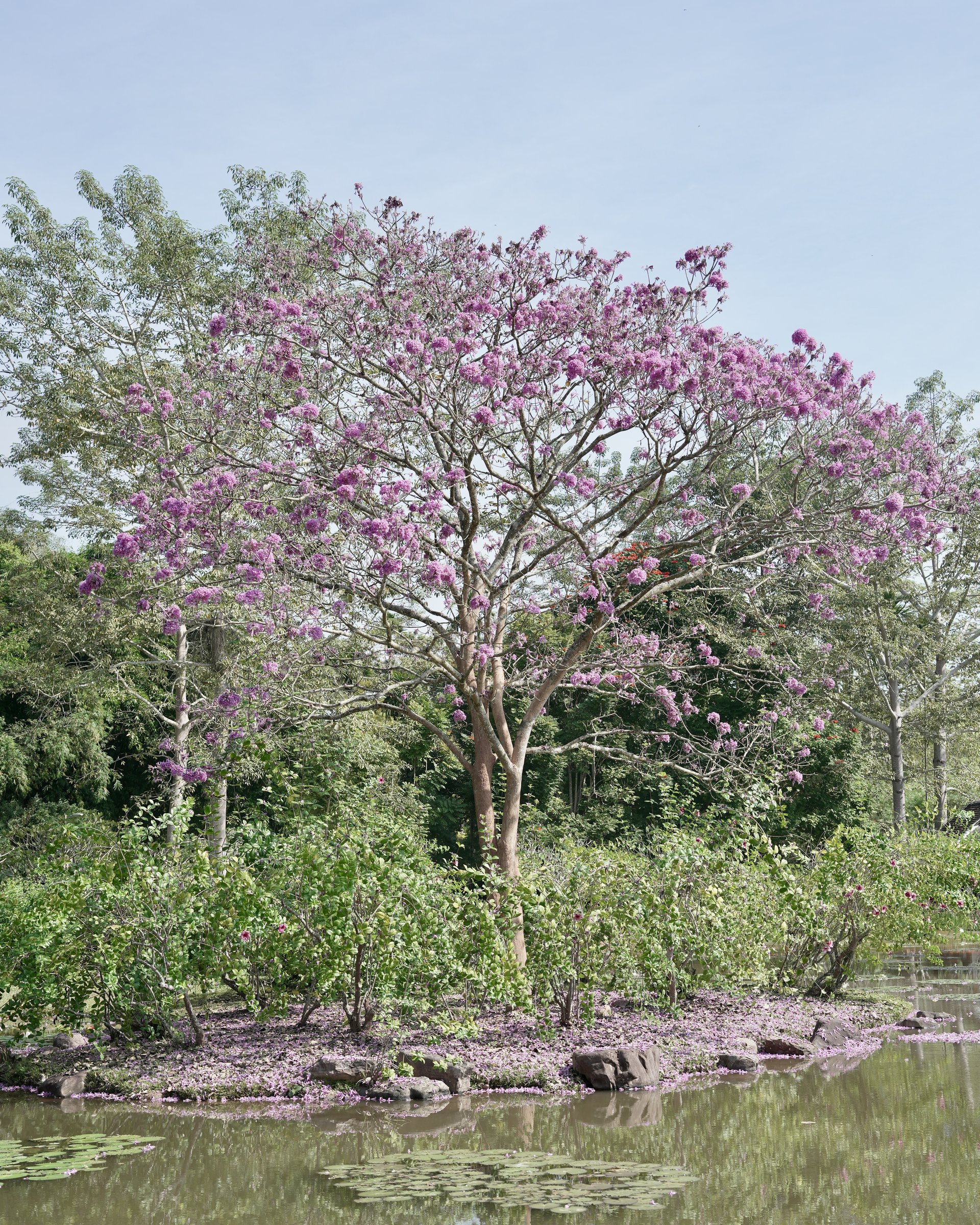
After a run of mountain roads, a day with almost no driving. The Tropical Botanical Garden at Menglun was founded by the Chinese Academy of Sciences in 1959 and now covers 1,125 hectares, with more than 13,000 tropical plant species in 35 living collections. You will not see them all. Choose two or three collections, walk them slowly in the morning, and give the afternoon back to yourself. The finale is the Leaf & Bean dinner, a private tasting menu with each course paired in turn to a tea or a coffee from the trip, arranged with the kitchen for your date. The cake you pressed on Jingmai arrives at the table wrapped to take home. Final vote: leaf or bean. Abstentions accepted.
A last warm morning and whichever cup won. About an hour to Jinghong airport, then roughly 50 minutes in the air to Kunming for your onward connection. The cake is yours now. Keep it dry and leave it alone for twenty years.
Five of the seven nights are at the stays below: one inside a working tea estate on Jingmai, two in a Hani village on Nannuo, two by the river at Menglun. The two nights in Pu'er are in the city, at a hotel we settle once your dates are set.
Inside the Bolian Pu'er Tea Manor on Jingmai, with the forest at the door and stone moulds on the estate: the right bed for the night before you press a cake. One night on Jingmai.
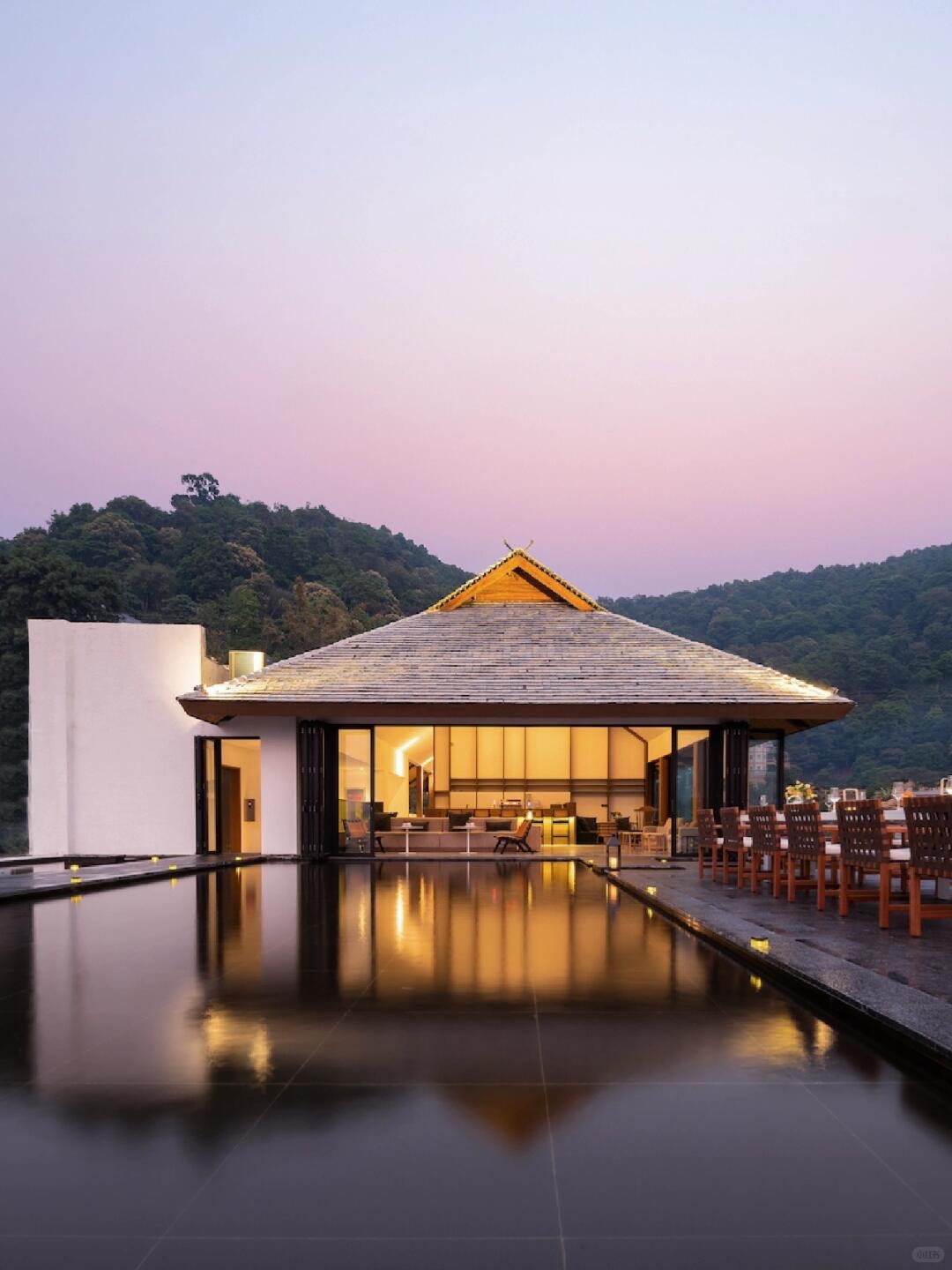
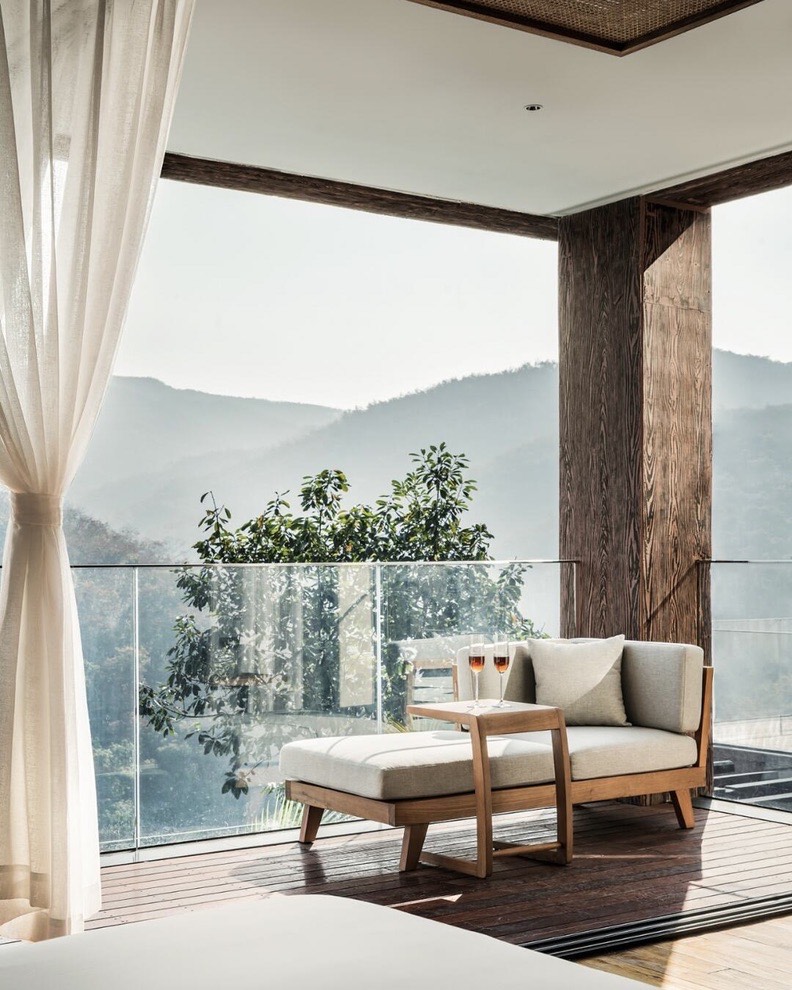
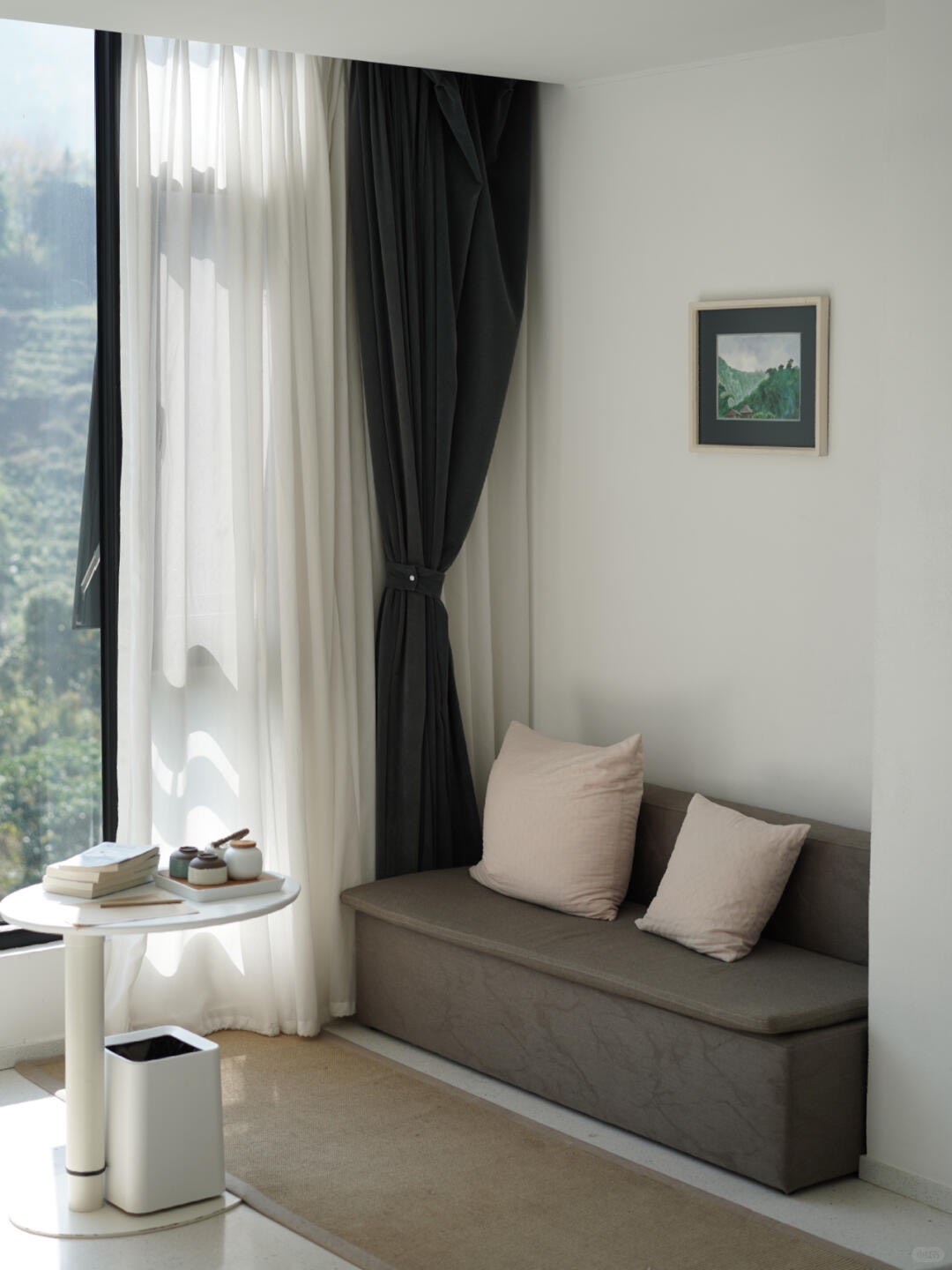
A 22-room wabi-sabi hillside hotel in Guniangzhai, a Hani village on Nannuo Mountain, about 15 minutes from the ancient tea forest. Two nights for the Tea King and the Menghai vertical.
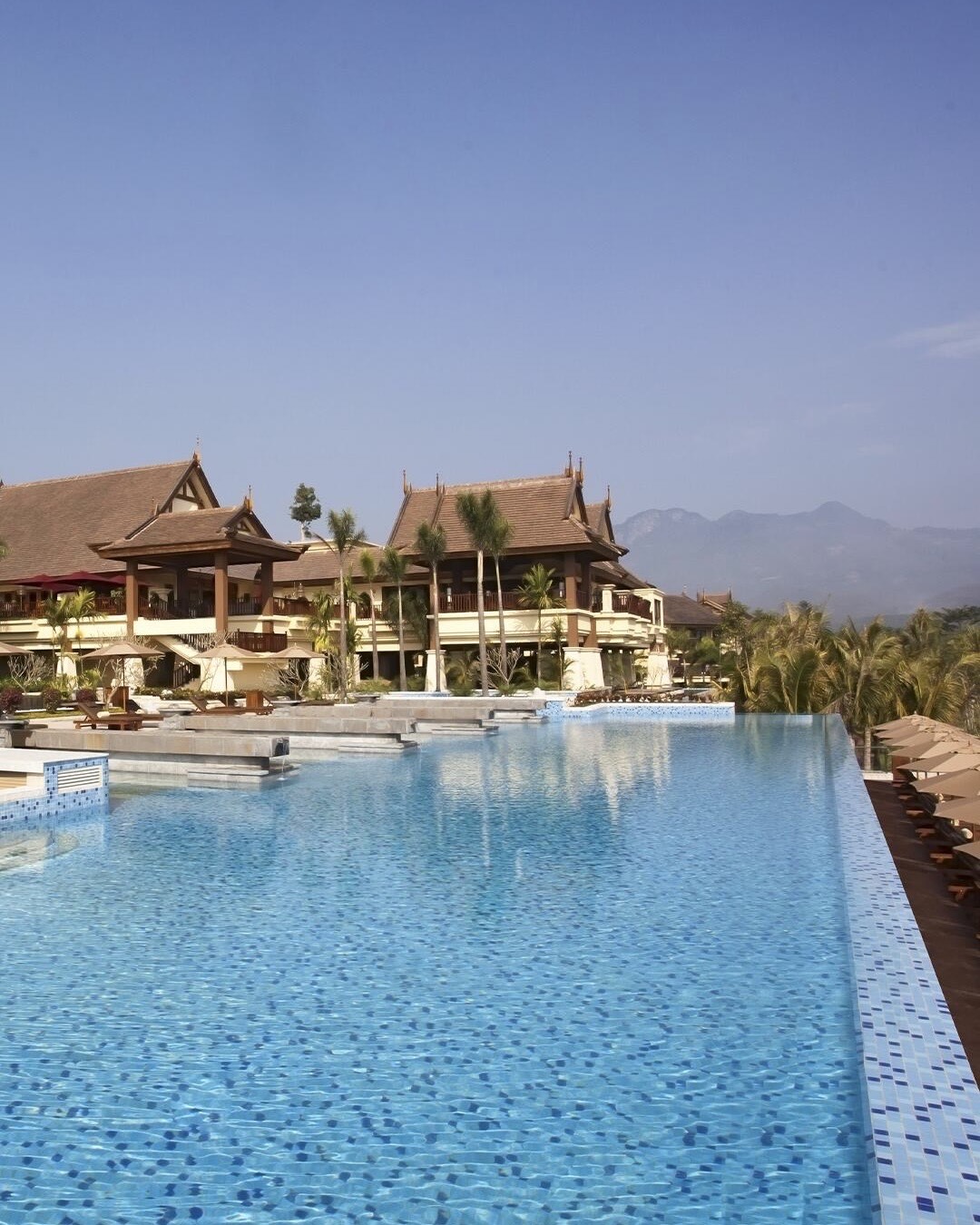
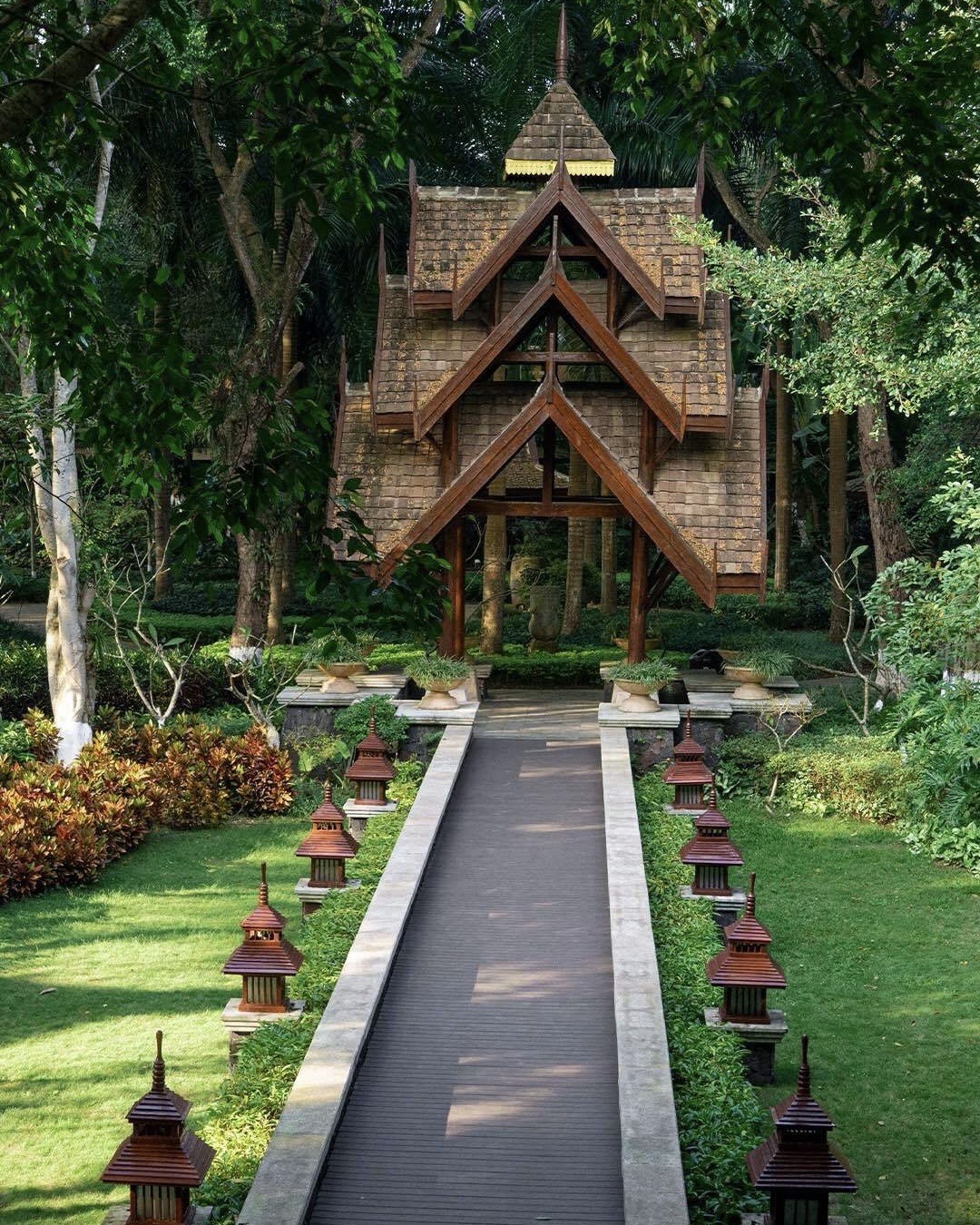
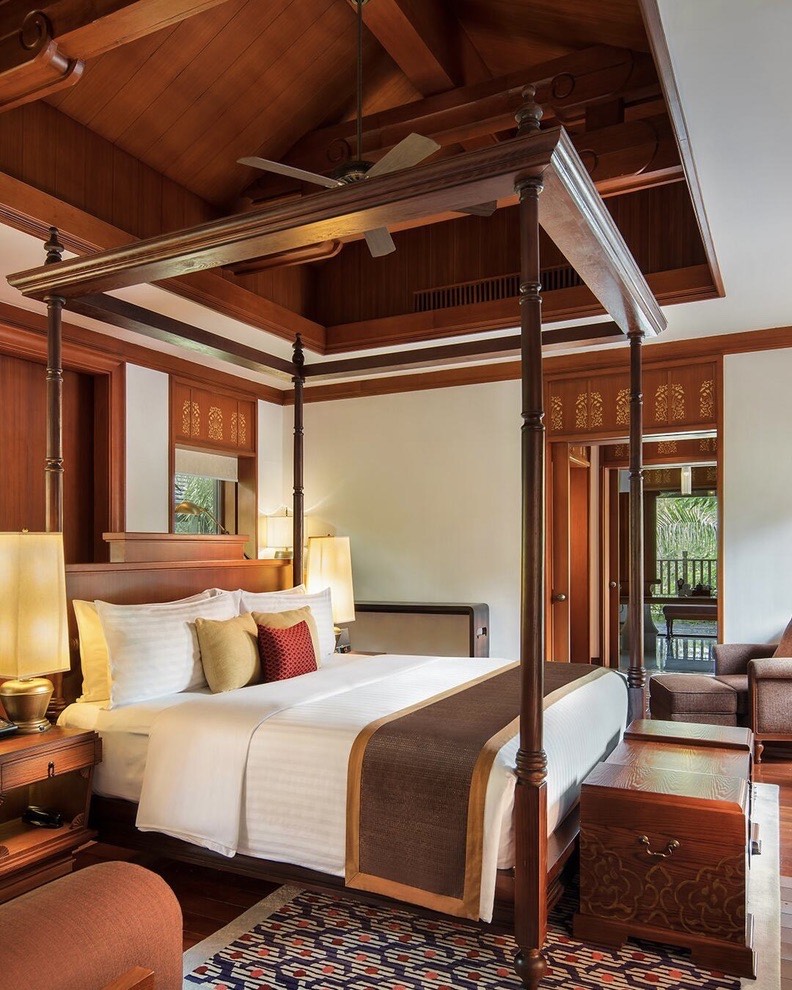
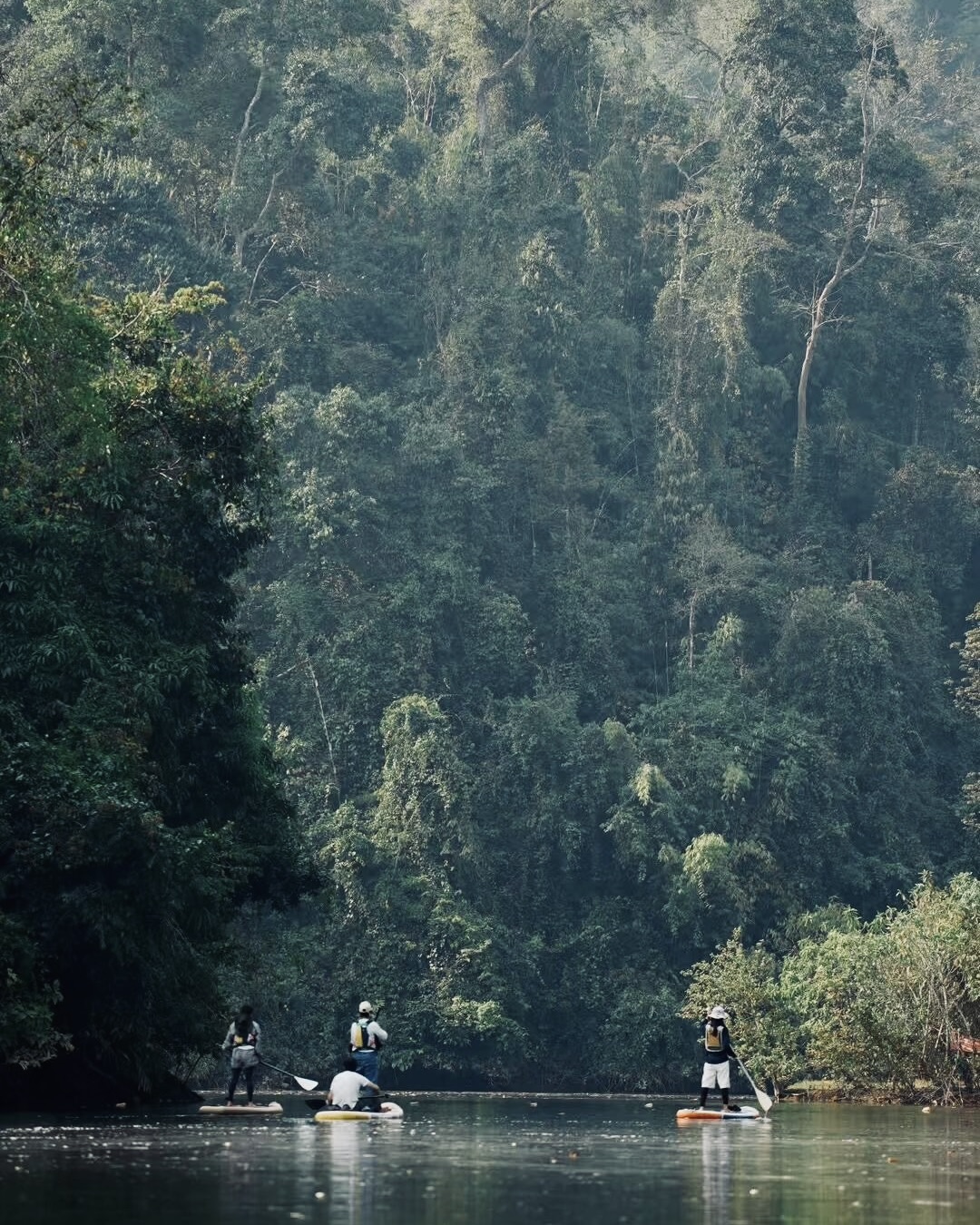
Dai-style pool villas on the Luosuo River at Menglun, next to the Tropical Botanical Garden, for the soft landing after the mountains. Two nights at Menglun.
These are examples of the boutique stays we book across the route. Because boutique hotels have so few rooms, a stay may occasionally be swapped for one of similar standard.
November to February. This is a winter trip on purpose. The coffee harvest around Pu'er runs from November to about March, and the tea mountains are dry with cool nights. The trade-off is plain: the tea is at rest, so you taste, press and age it, and you don't pick it. Go in October and the cherries aren't ripe, so you get the estate tour, roasting and cupping but no picking. Go in March and the coffee is winding down; tea picking on Jingmai only starts in the last days of March and runs to about mid-May, which is a different trip that we'd build differently. Spring Festival (6 February in 2027) is peak domestic travel, so avoid that week if you can.
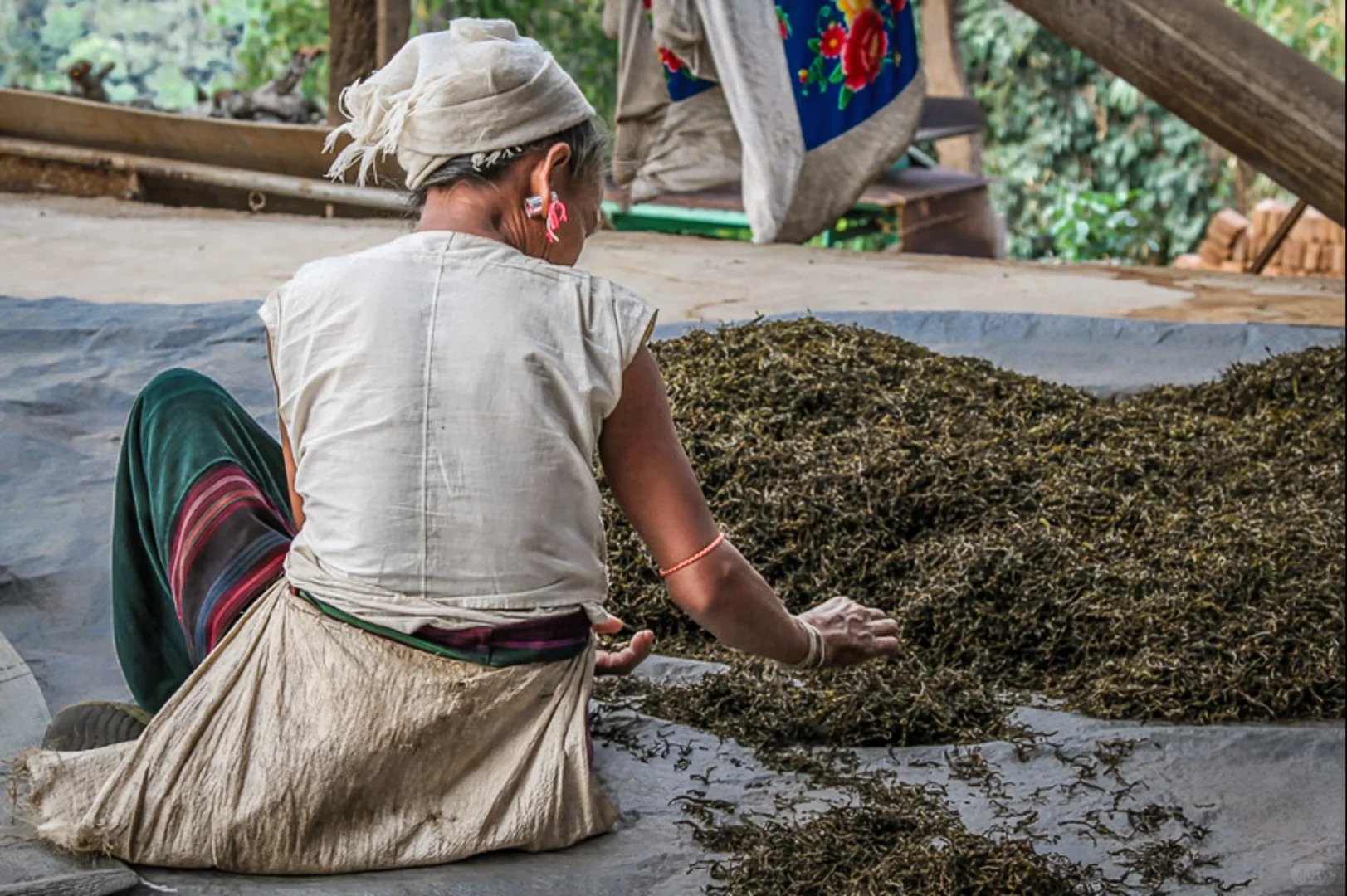
No, and we'd rather say so now. In winter, picking on Jingmai is a demonstration at most. What winter gives you is the other half of Pu'er: sorting finished leaf, pressing a cake on a stone mould, tasting raw against ripe, and working through 5, 10 and 20-plus year tea. If you want fresh leaf in your hands, come from the last days of March and ask us about the spring version.
Yes. Yunnan grows the great majority of China's coffee, and the Simao district around Pu'er grows the bulk of its Arabica. The estates are working farms that open their gardens for picking, roasting and hand-pour sessions. We settle which estate you visit on Day 2 close to your dates, by whose fruit is ripe that week. The Q-grader cupping is subject to availability, and if one isn't free that week we'll tell you before you travel.
Yes, as extra days. Yiwu (易武), the old tribute-tea town with its Qing-era tea houses, is about 2.5 hours by road east of Jinghong. Lao Banzhang (老班章), the collectors' king of Pu'er, is around 2 to 2.5 hours each way from Menghai town on rough mountain roads. Squeezing either into the eight days costs you something better, so we'd add a night or two instead. Tell us whether you're here for the history or the leaf and we'll route it.
Because the map is wider than it looks. The tea mountains sit west of Jinghong, and Menglun is about an hour beyond it to the south-east. Four nights at Menglun would add more than an hour each way to the Nannuo and Dai days, and put a drive of roughly 4.5 to 5 hours (our estimate) on the day you leave Jingmai. So the nights split: two on Nannuo for the tea days, two at Menglun for the garden and the finale. The longest road day on the trip is Pu'er to Jingmai, at about three hours.
Every day, stay and date tailored to you — shaped over a call with someone who has walked the route, never a template.
Tell us your dates and what moves you. We reply within one business day, then shape a proposal — no obligation, never a templated package.
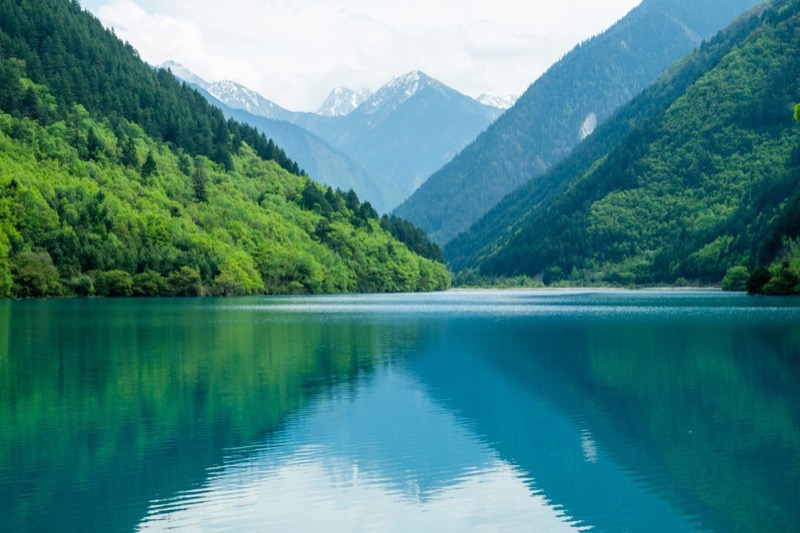
Giant Pandas at the Chengdu Research Base, then three days in the alpine lakes of Siguniang or Jiuzhai Valley. City culture first, mountain silence after.
See the itinerary →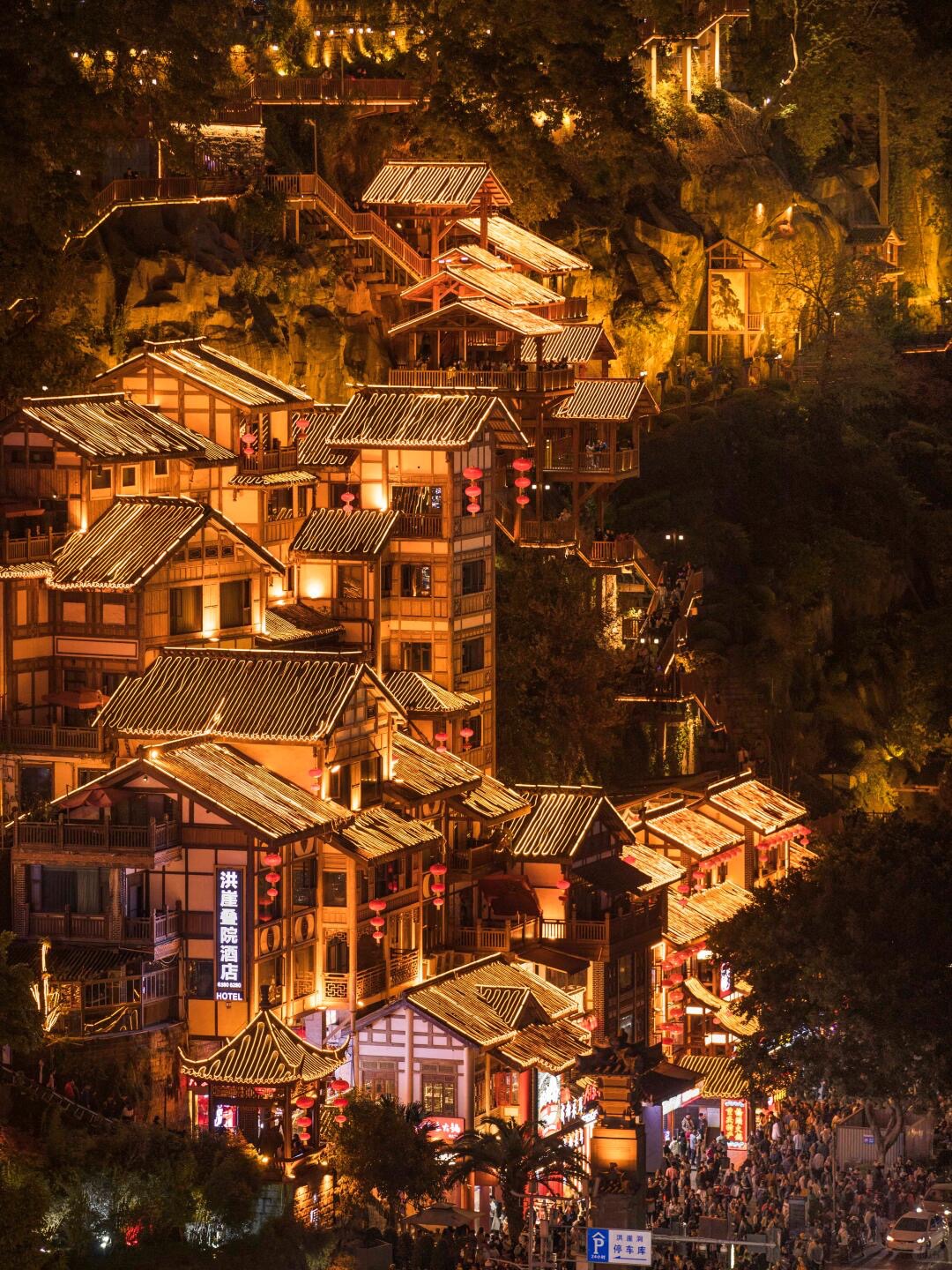
A 5–6 day private tour weighted toward Chongqing — neon river cities, UNESCO Wulong Karst, the Longji (Dragon's Backbone) ridge hike above the Yangtze, and two different tables of Sichuan heat. Bookended with a soft Chengdu landing.
See the itinerary →
Fifteen days that pair China's great icons with its wildlife and wild landscape — the Forbidden City and the quiet Great Wall at Jinshanling, the Terracotta Army, a working day with the giant pandas outside Chengdu, three days among Zhangjiajie's sandstone pillars, and Shanghai to finish. Private throughout.
See the itinerary →