Xizhou · Dali
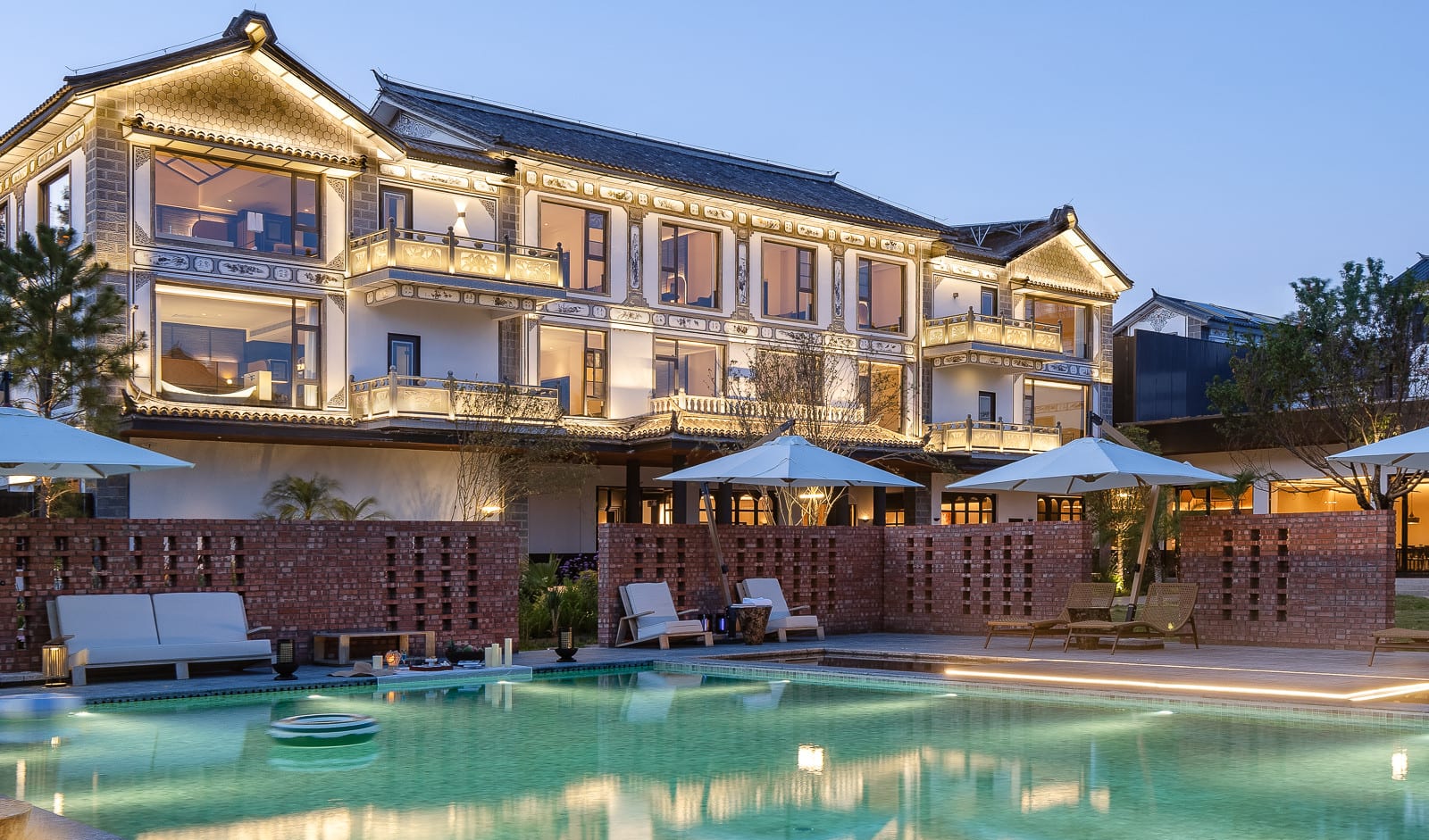
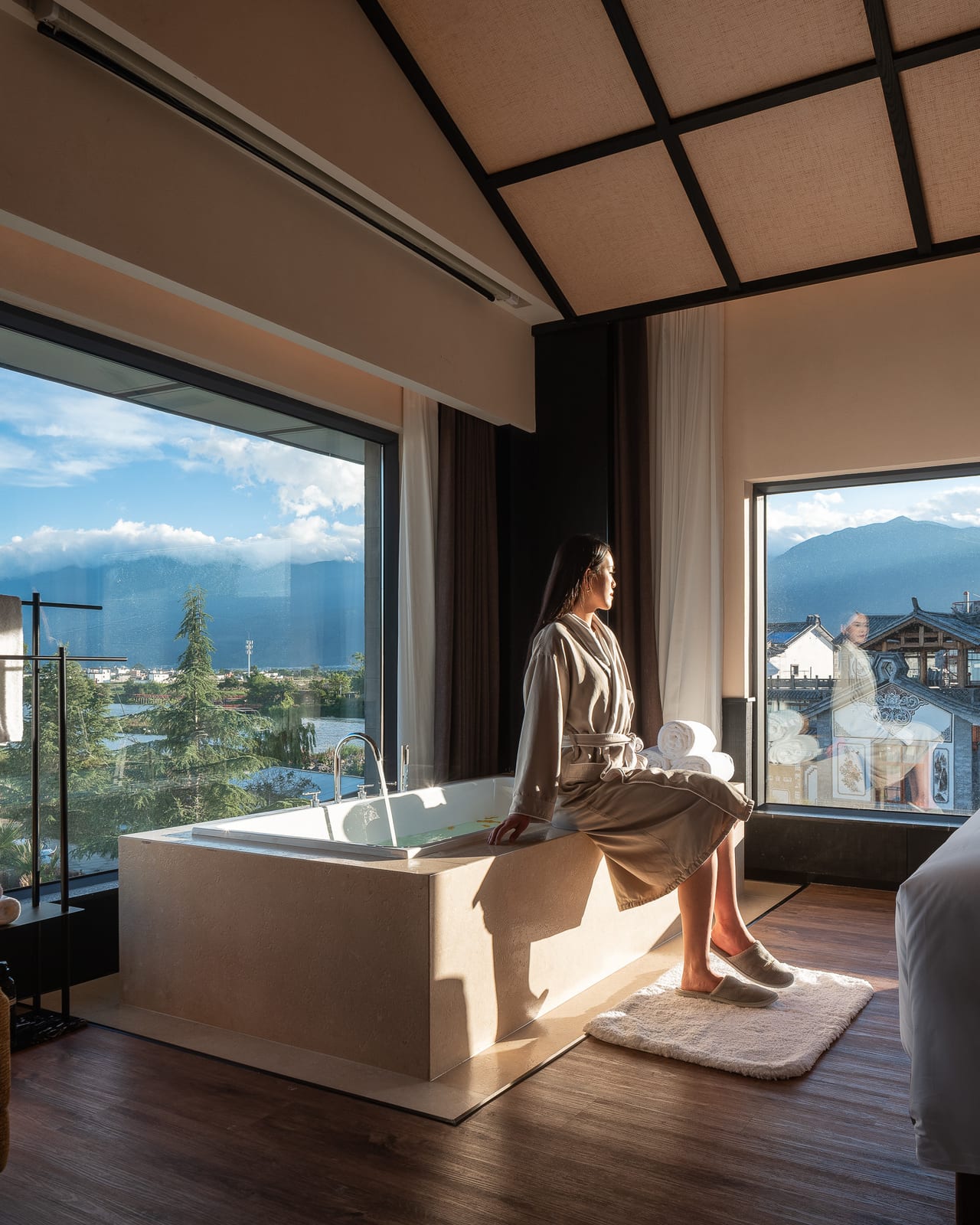
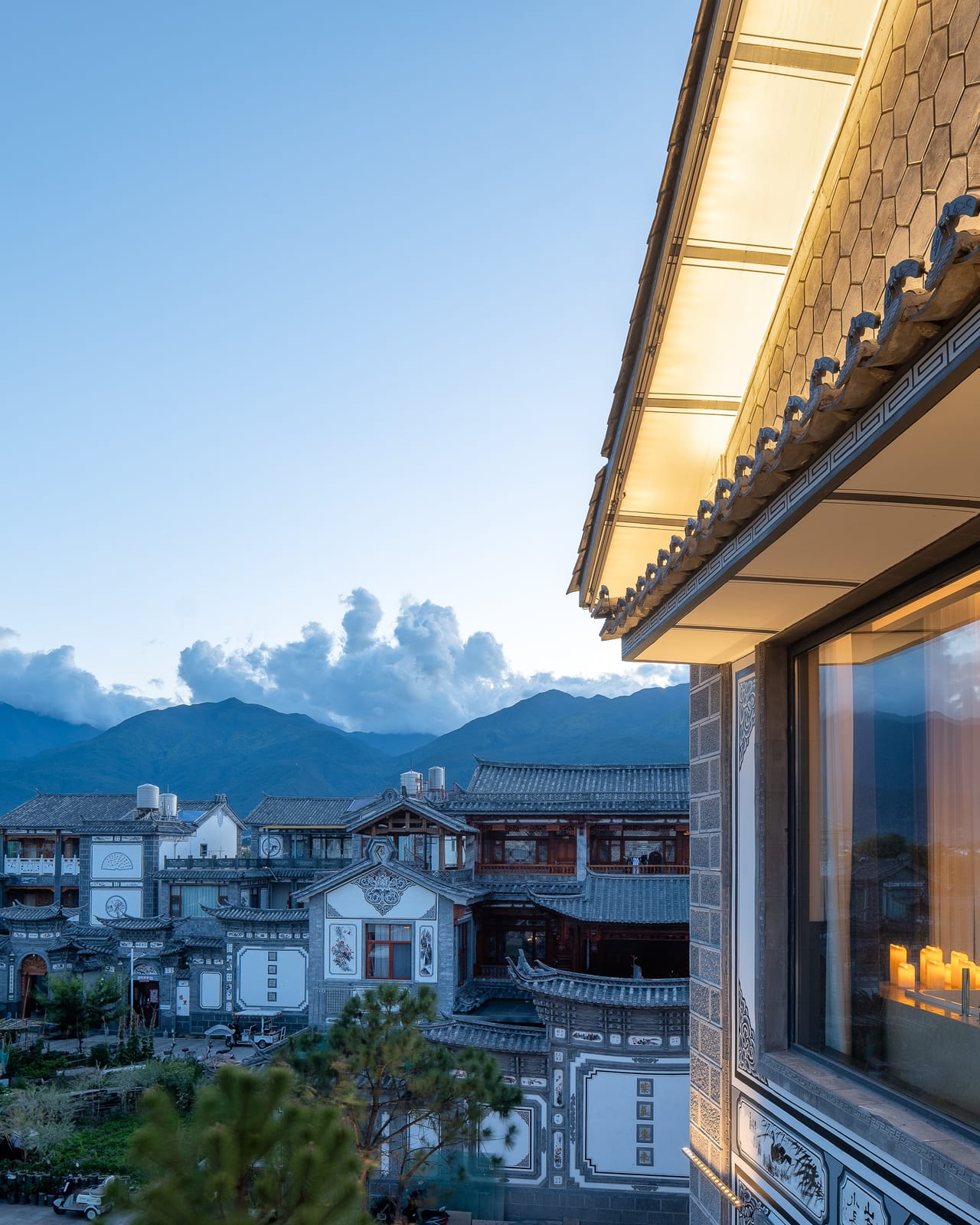
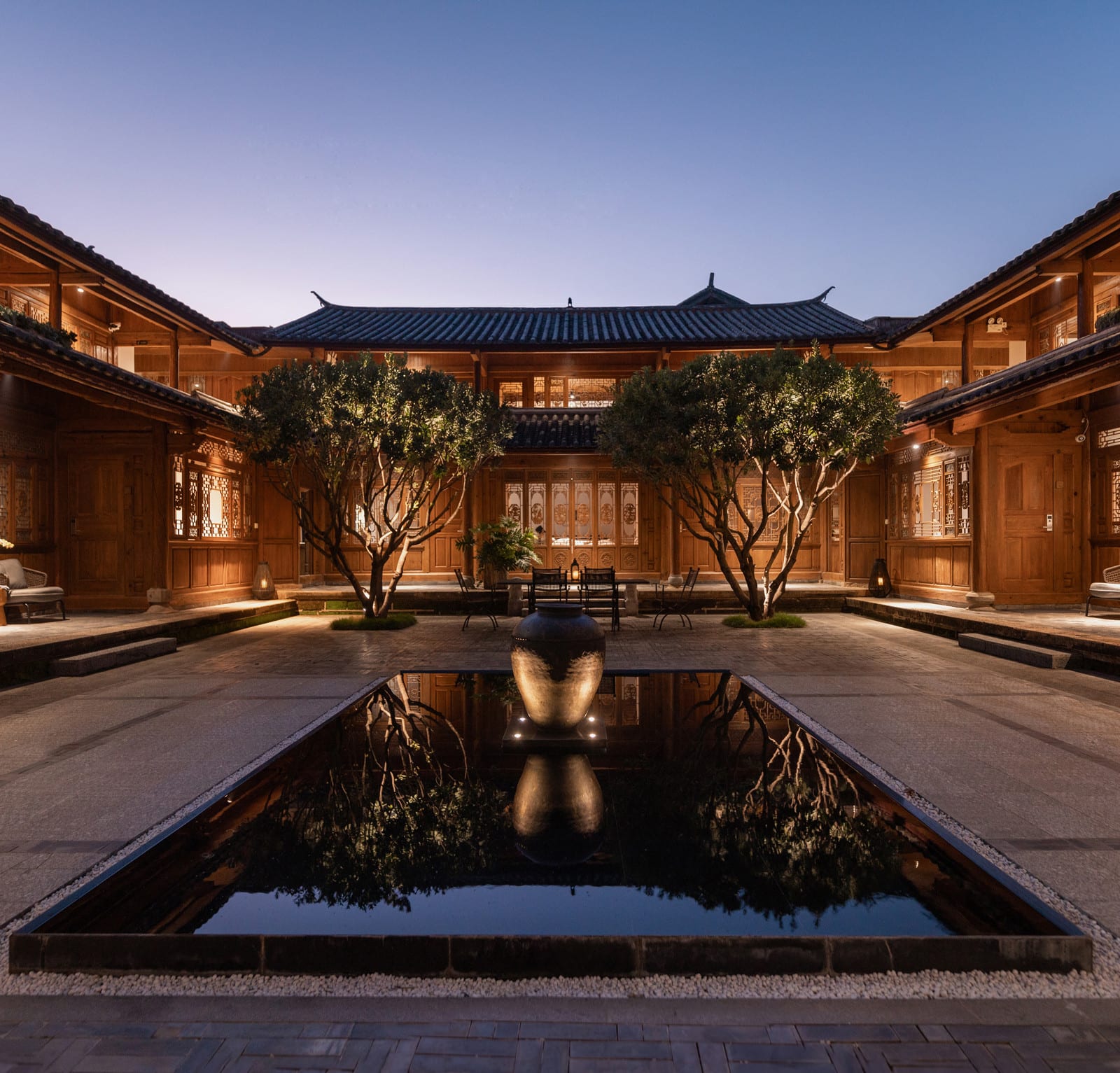
A new Bai courtyard hotel on Erhai's west shore, opened in 2026, with a reflecting pool, a heated outdoor pool facing Cang Mountain and Xizhou's morning market five minutes away by car. Two nights at the start of the road.

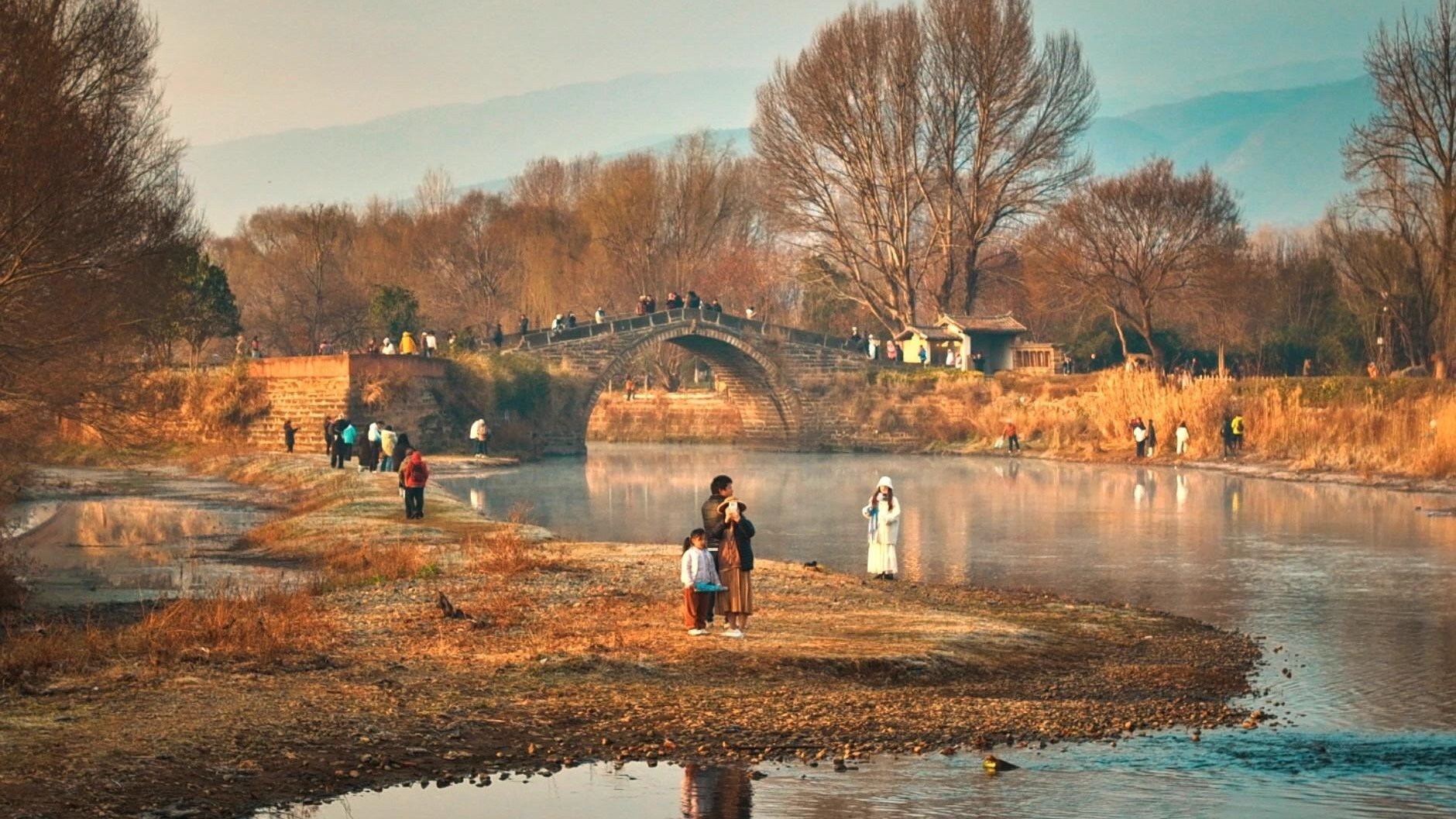
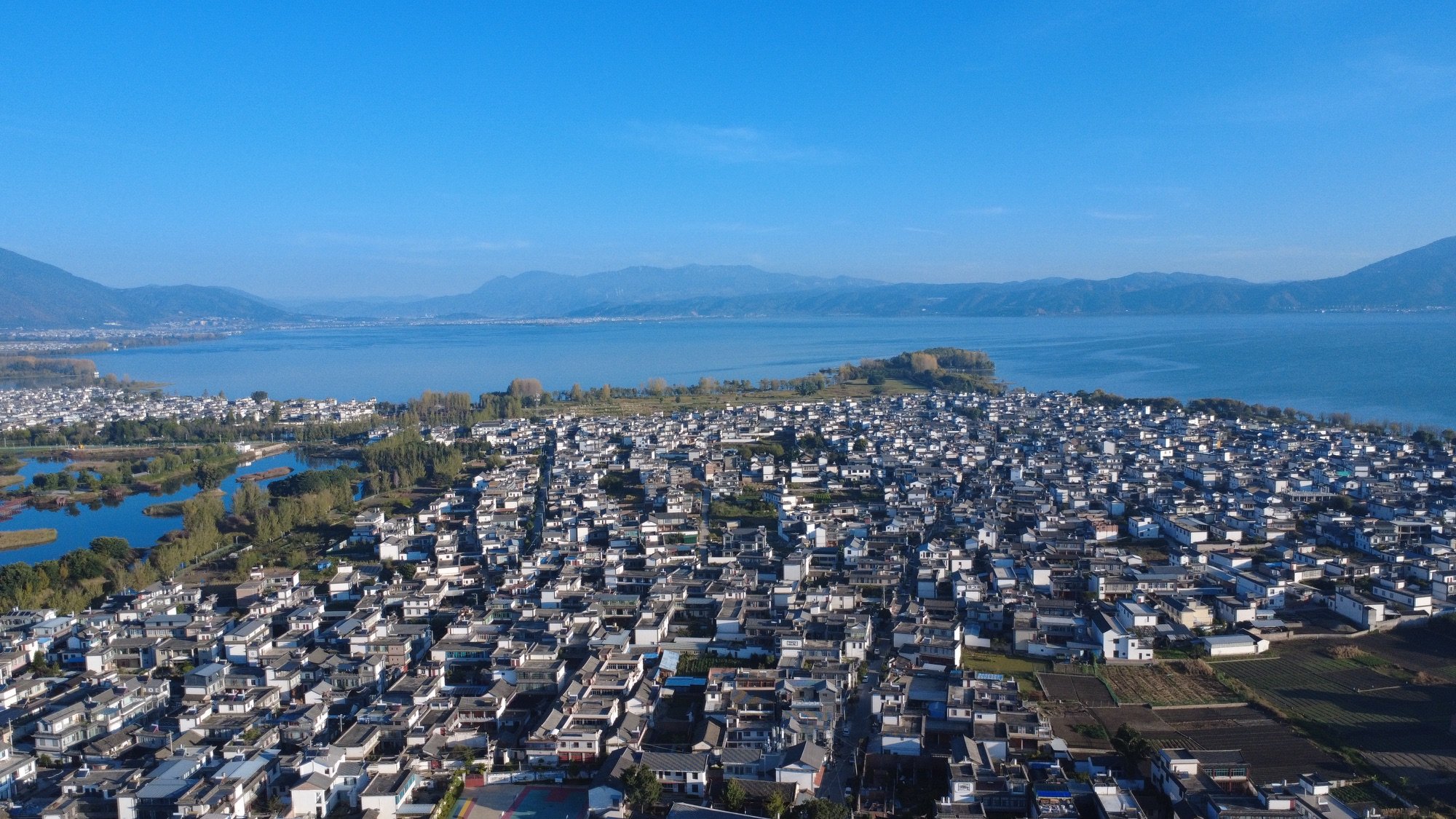
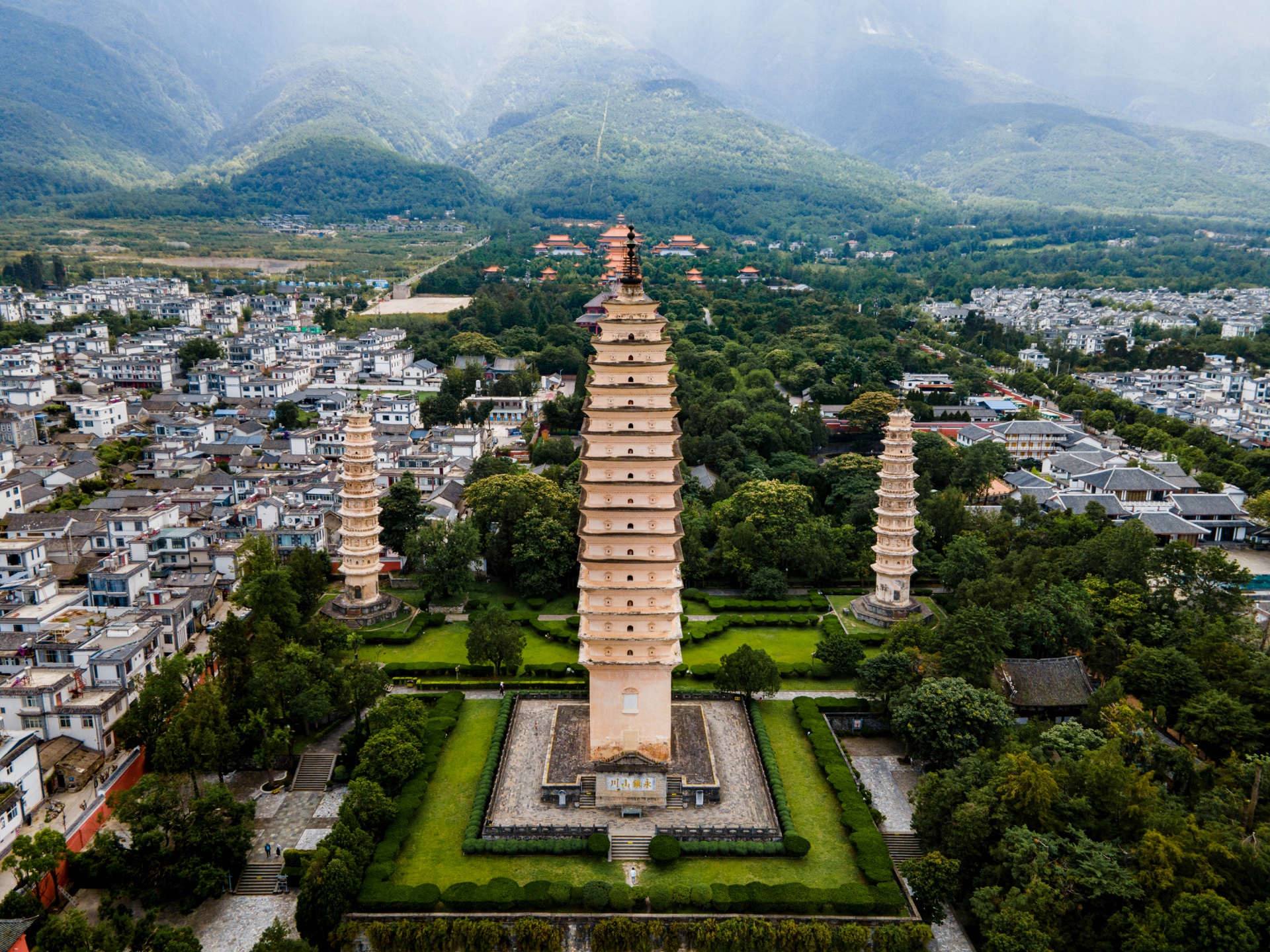
Fly into Dali or ride the high-speed train from Kunming, about two hours, and your guide brings you the last 45 minutes to Xizhou, a Bai town on the west shore of Erhai whose merchant families got rich on the caravan trade. There is time to walk the lanes around Sifang Street before dinner. The welcome table is lake fish stewed with sour mugua (木瓜), the sharp Yunnan fruit that does the work of lemon here, and a plate of steamed ham, the first of many. If anyone in your party has a problem with pork or dairy, now is the moment to say so. The next five days lean hard on both.
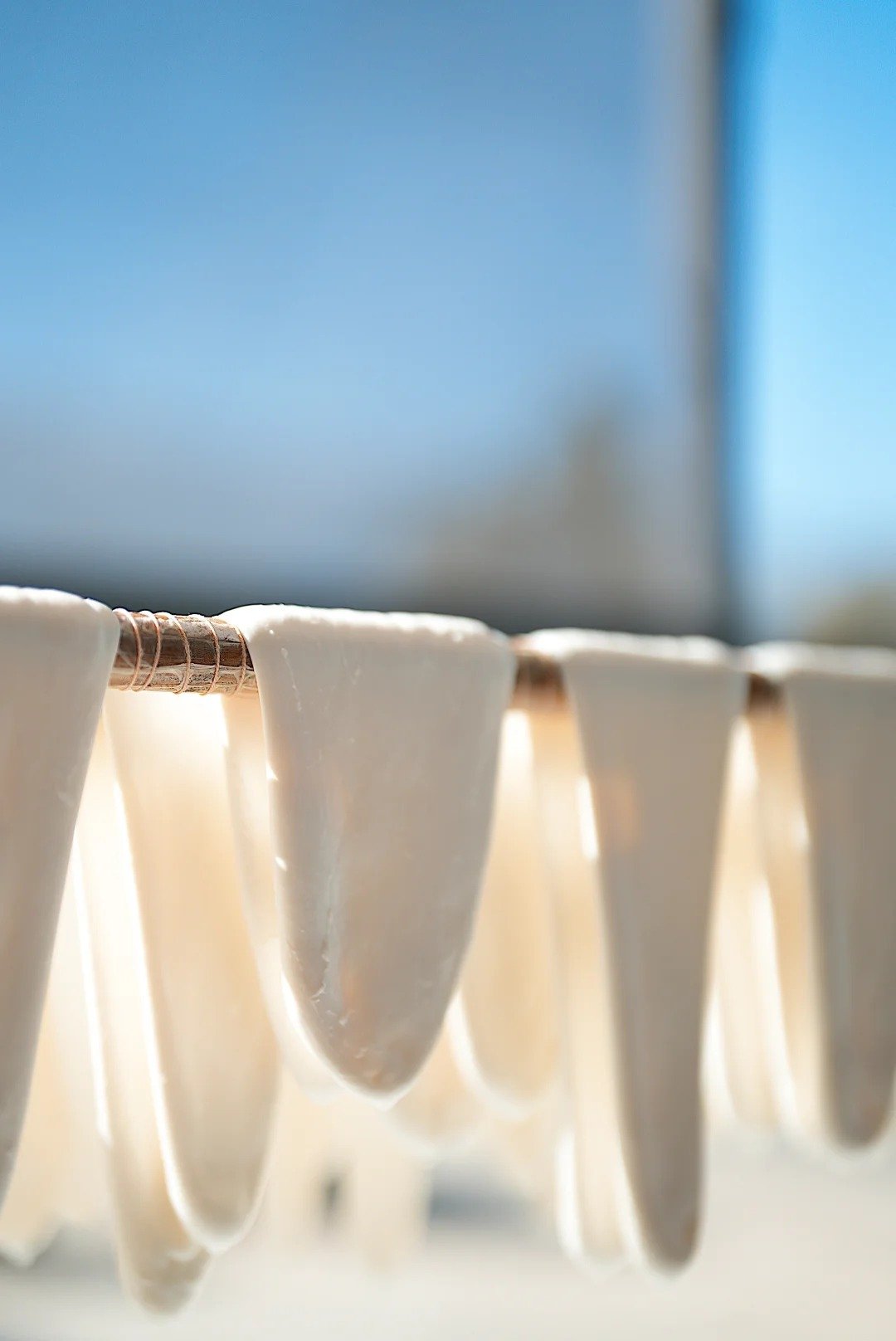
Rushan (乳扇) starts as fresh milk and sour whey, is worked into a fan shape and spends two or three days drying in the sun. North of Erhai, Dengchuan's milk is still rated the best for it, and Eryuan runs 312 workshops turning out over a thousand tonnes a year. Spend the morning in a family dairy with a sheet in your own hands, then sit down to rubing (乳饼) with ham and broad beans. Both the Bai of Dali and the Sani Yi of Shilin make rubing, and nobody has settled who came first. Back in Xizhou, baba (喜洲粑粑) comes off the coals. The afternoon ends in a merchant courtyard with three-course tea (三道茶): bitter, then sweet with walnut and brown sugar, then an aftertaste of honey, Sichuan pepper and cinnamon.
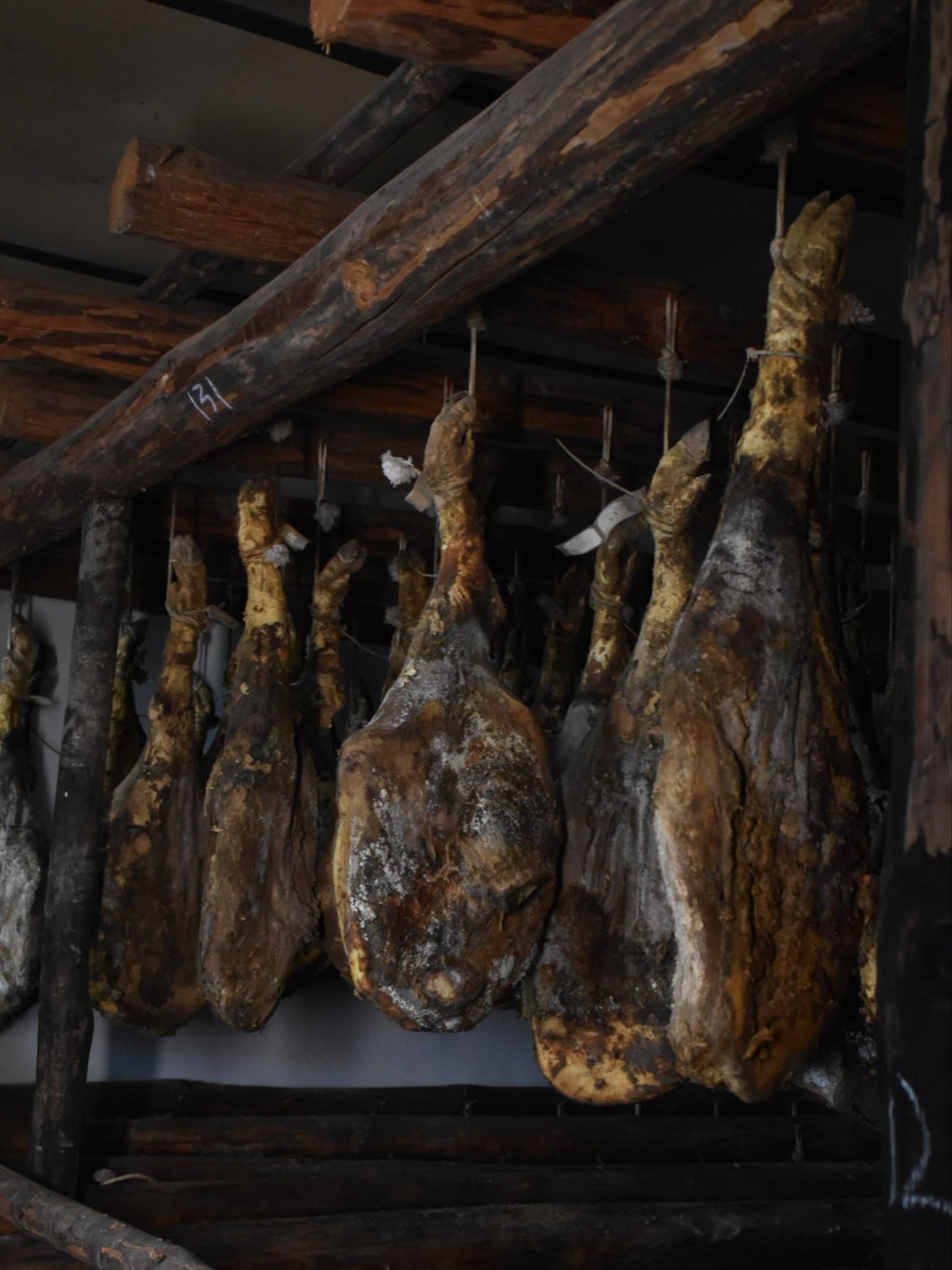
Heqing's ham looks wrong until you know why. The trotter is tucked into the skin so the leg forms a circle, then it is pierced with bamboo, sprayed with strong liquor, rubbed with salt and packed in a clay jar for over a month before being pressed and hung. Popular reckoning names Yunnan's three great hams as Xuanwei, Heqing and Nuodeng, and this week you meet two of them. After a curer's table comes Xinhua village (新华村), where you walk through the silversmiths' workshops, then lunch at Tianquan Fanzhuang (天泉饭庄): copper-pot rice with ham and potato, and cold blown pig's liver (凉拌吹肝). Shaxi by dusk, and dinner at Chujian (初见), 58 Sideng Street, whose list carries Nuodeng ham two days before you reach the source.
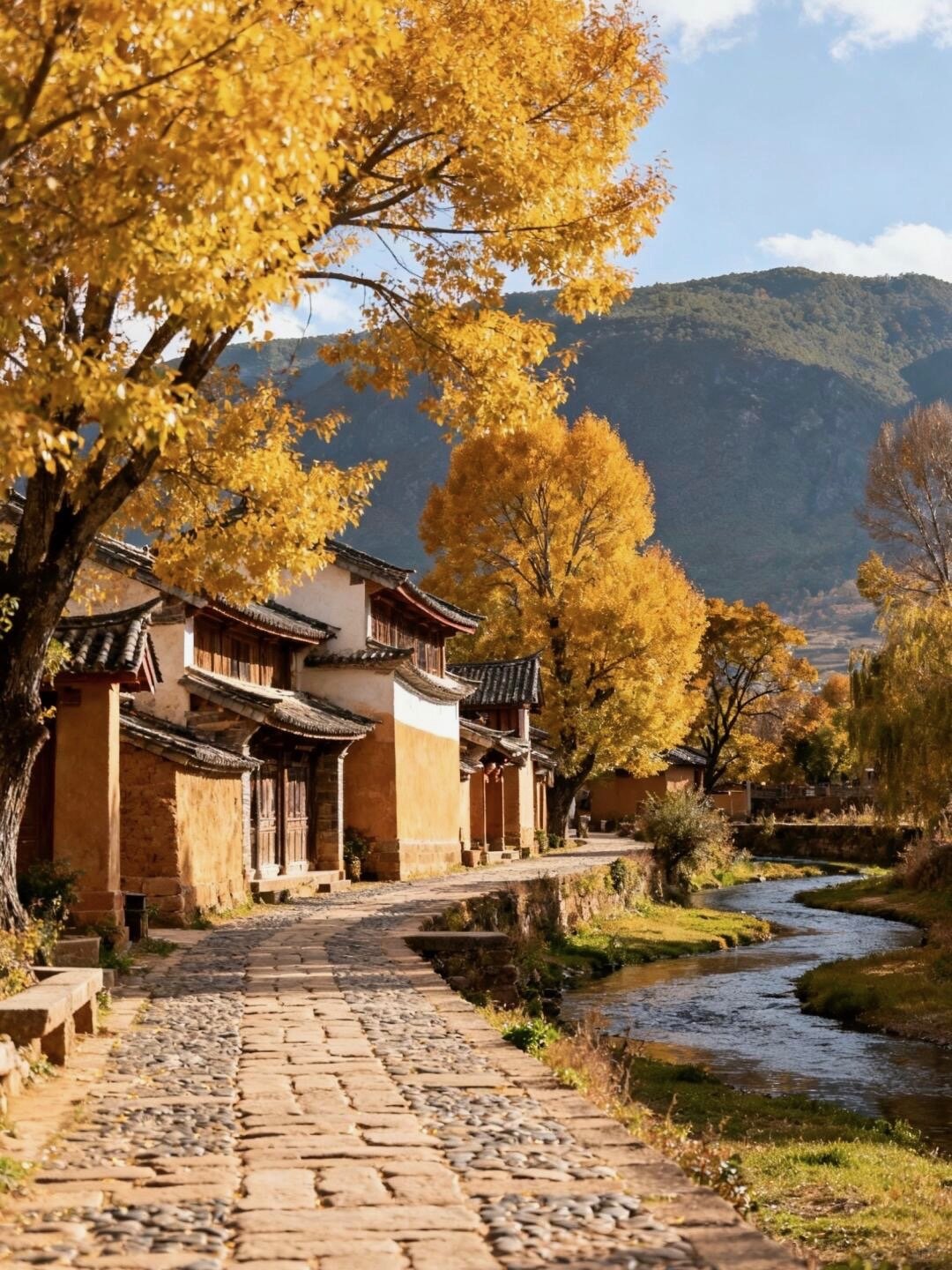
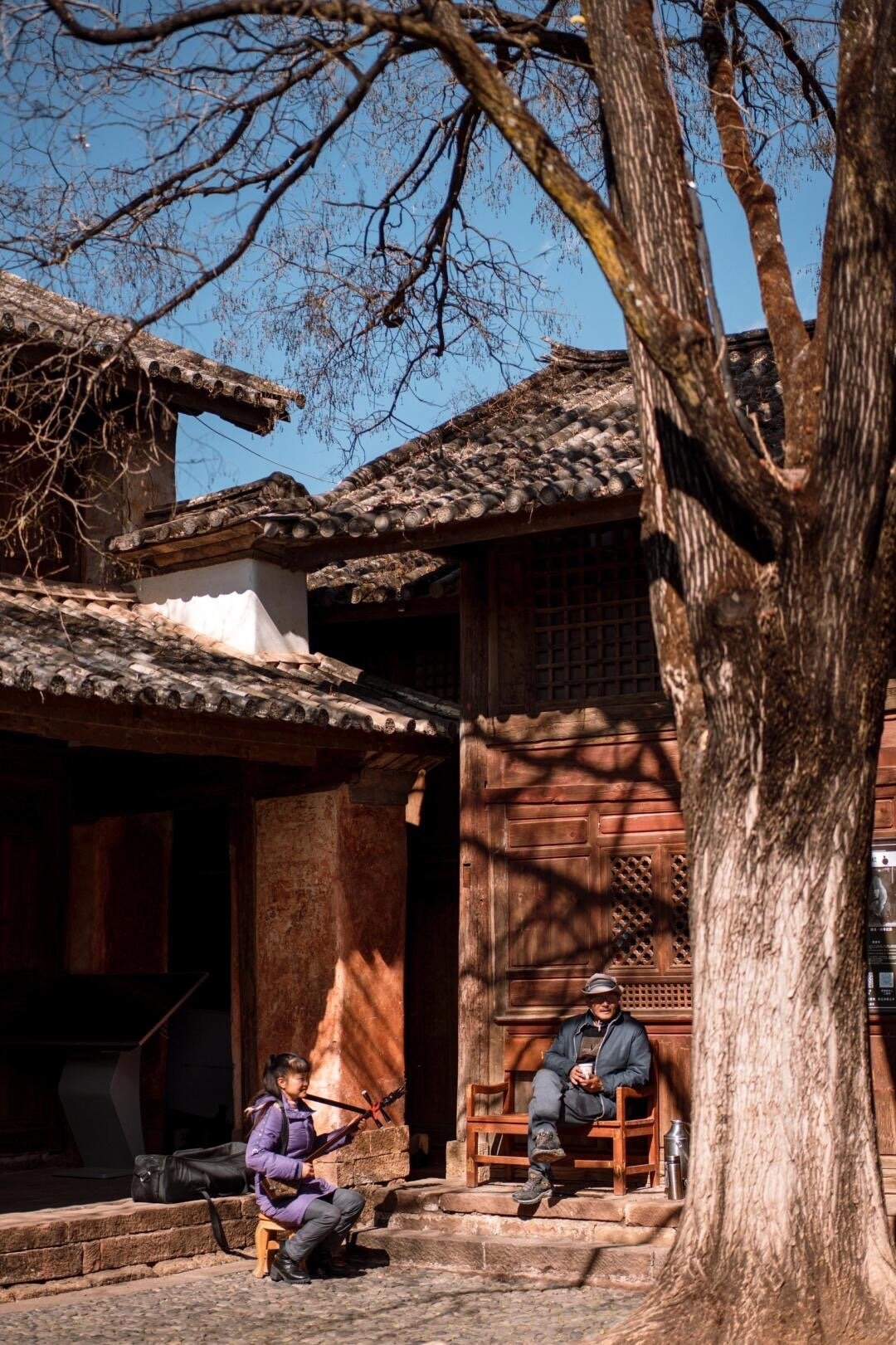
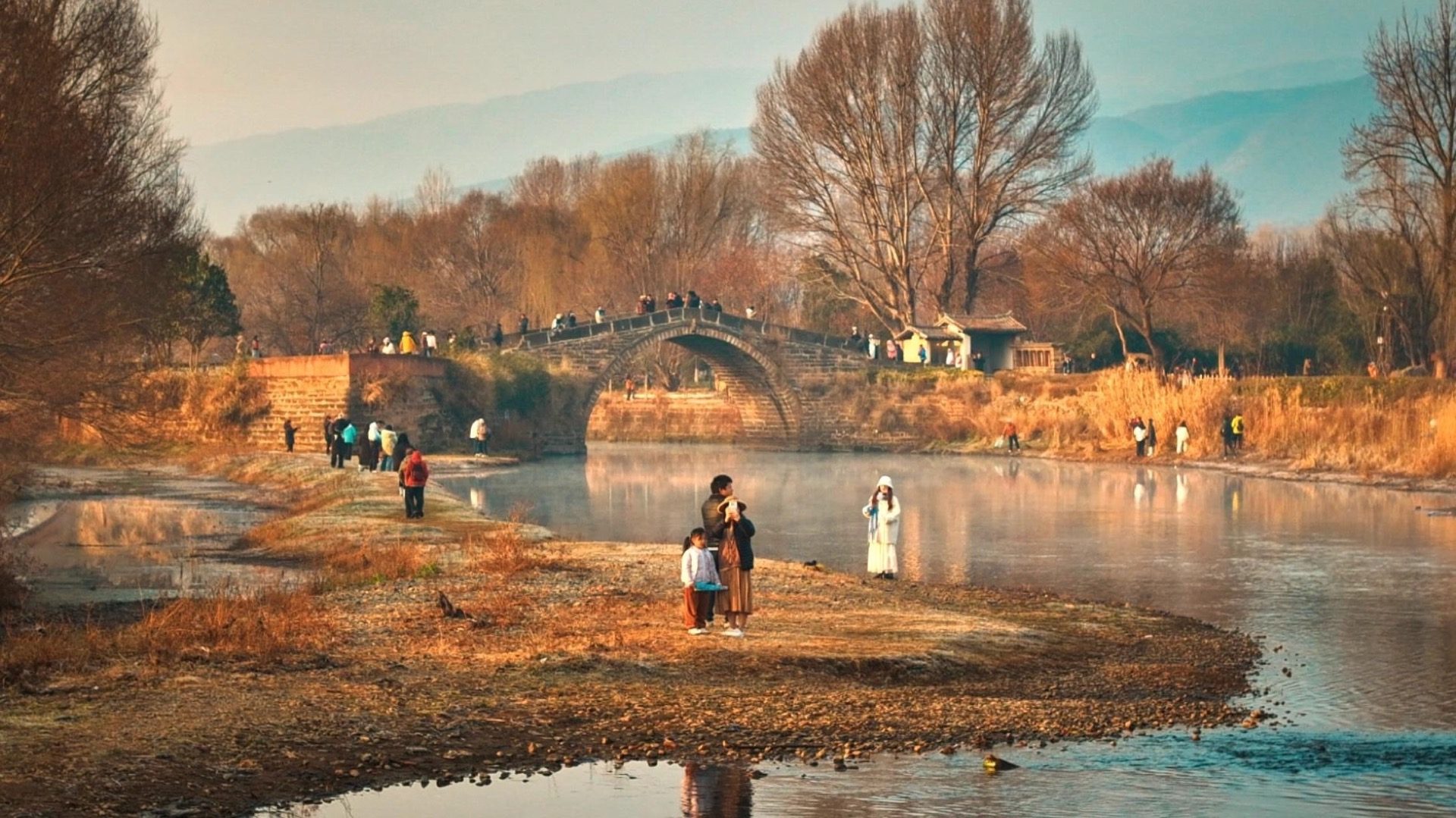
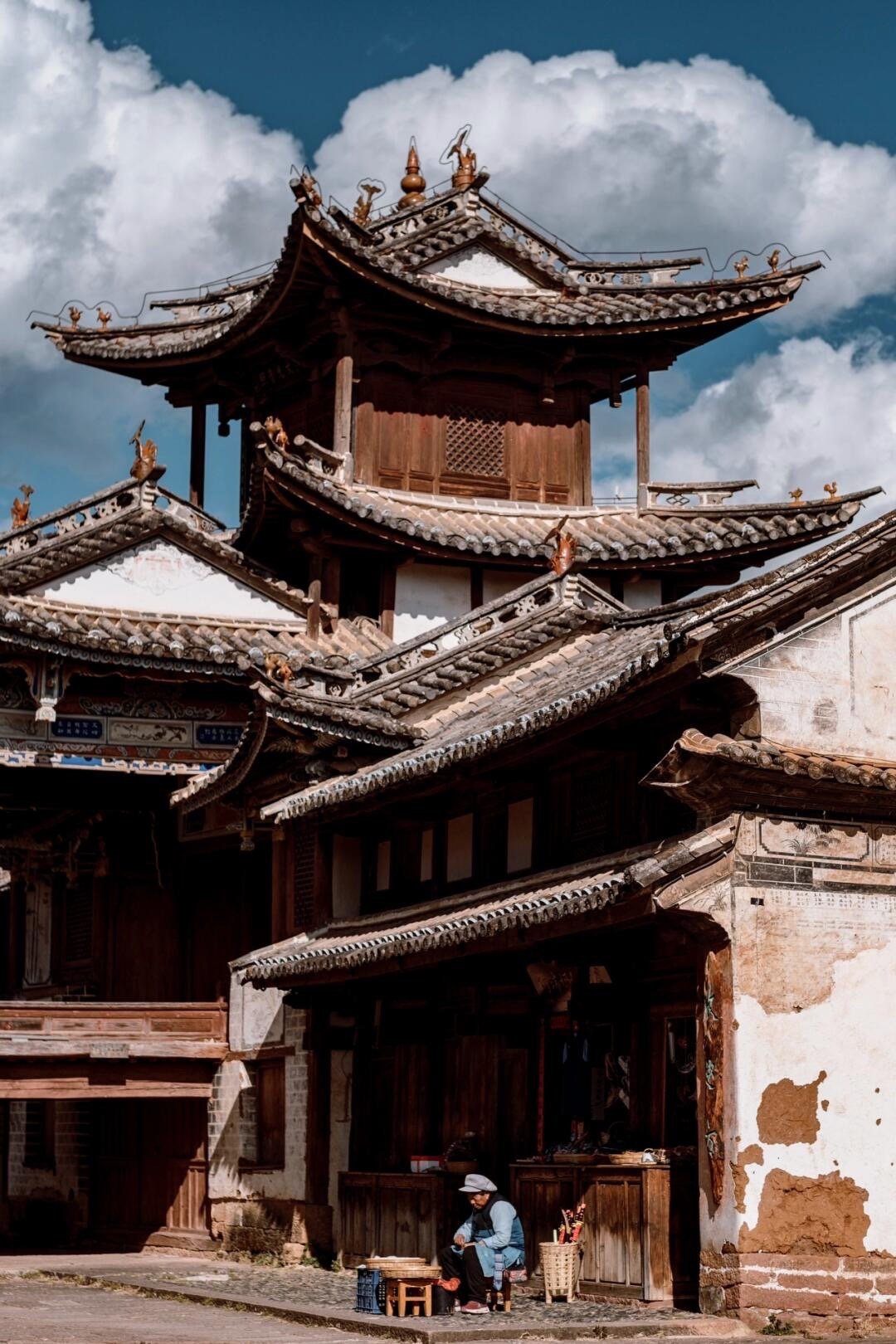
Sideng Square is why the mule trains stopped: a theatre stage, Xingjiao Temple (兴教寺) facing it, the caravan inns alongside. If your dates give you a Friday, Bai and Yi traders come down from the hills and the market takes the morning. If not, walk the short stretch of original stone horse trail north of town, about an hour there and back, and look up for the black-pottery roof cats (瓦猫) on your way home. In the afternoon a Shaxi family cooks with you from whatever the garden and the day have turned up. Dinner keeps to the caravan's logic: cured pork, rice and preserved greens, the sort of things that could survive a week in a saddlebag.
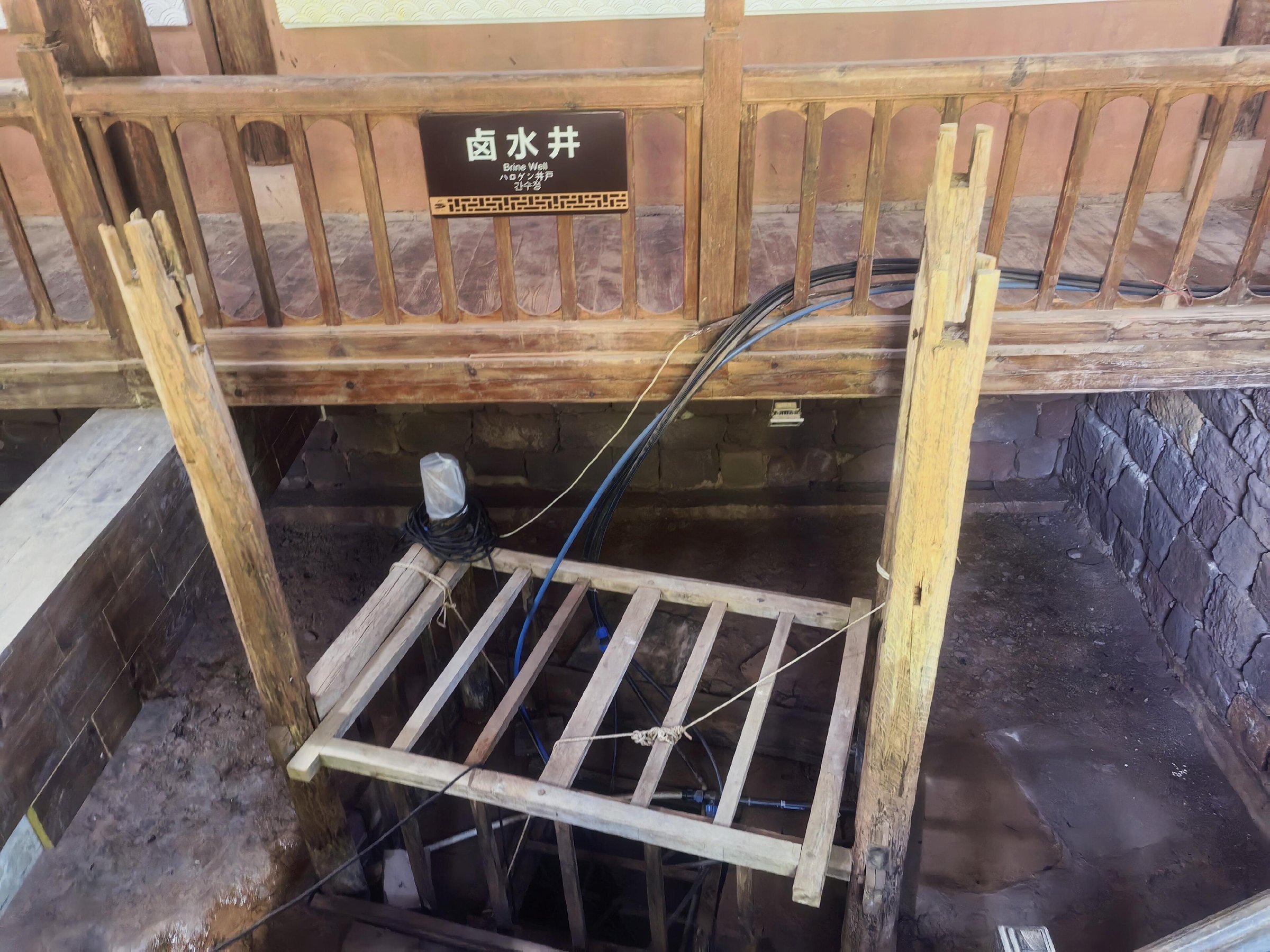
Allow about four hours over the mountains, by our estimate. Nuodeng (诺邓) climbs a ravine in Yunlong county in stacked red-earth houses, and salt paid for them: the village appears in the Manshu around 863, and it was once among western Yunnan's wealthiest salt towns. Its salt fed the caravan roads of the region, and Chinese sources have its ham reaching Burma and India. Walk the wells in the afternoon, then take the stone stairs up to the Yuhuang Pavilion (玉皇阁) while the light is still on the walls. Dinner is at a salt family's table, a leg sliced thin in front of you and a bowl of whatever else the house is cooking. This is the meal the week has been building to, so nobody is rushing it.
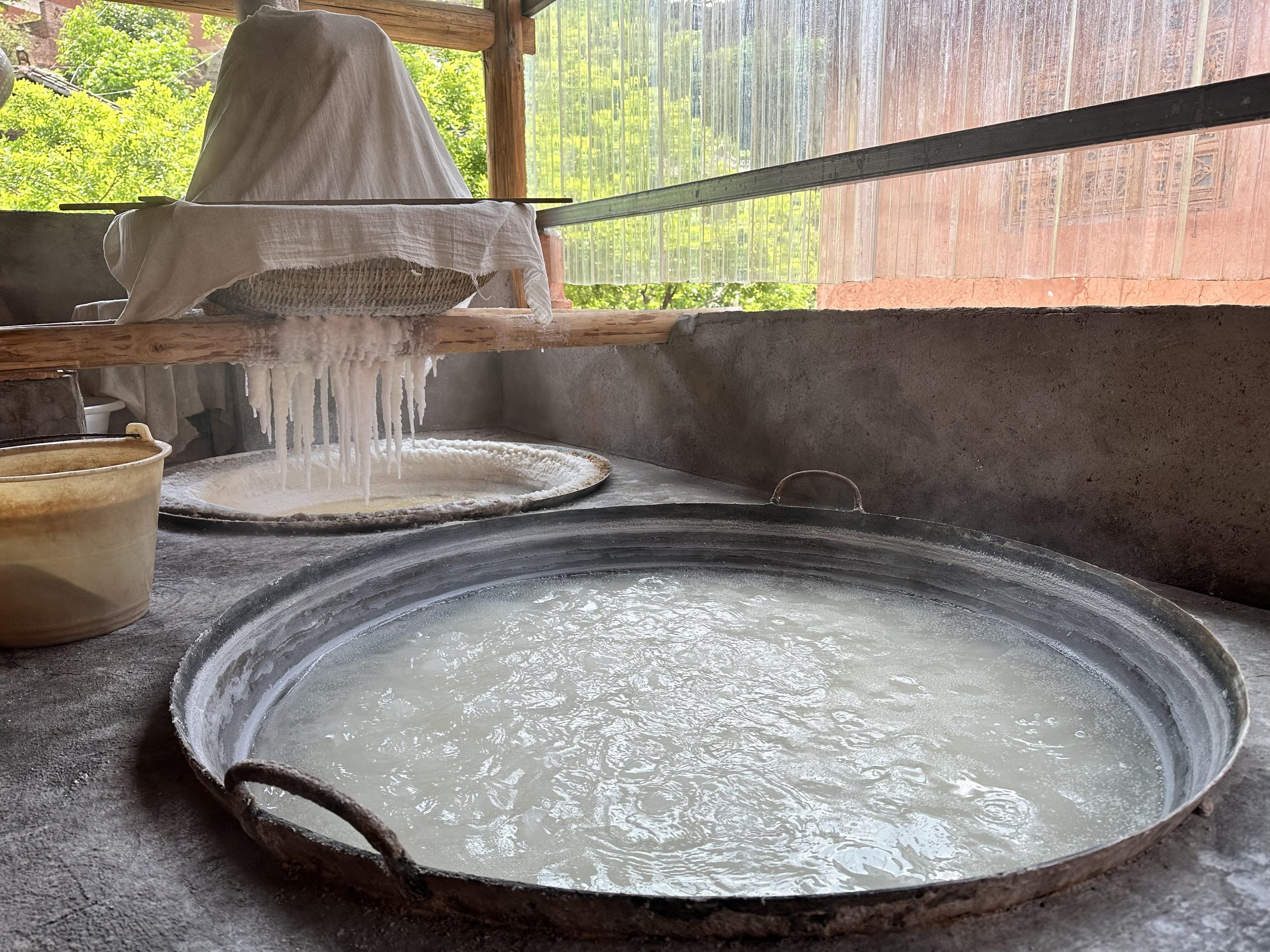
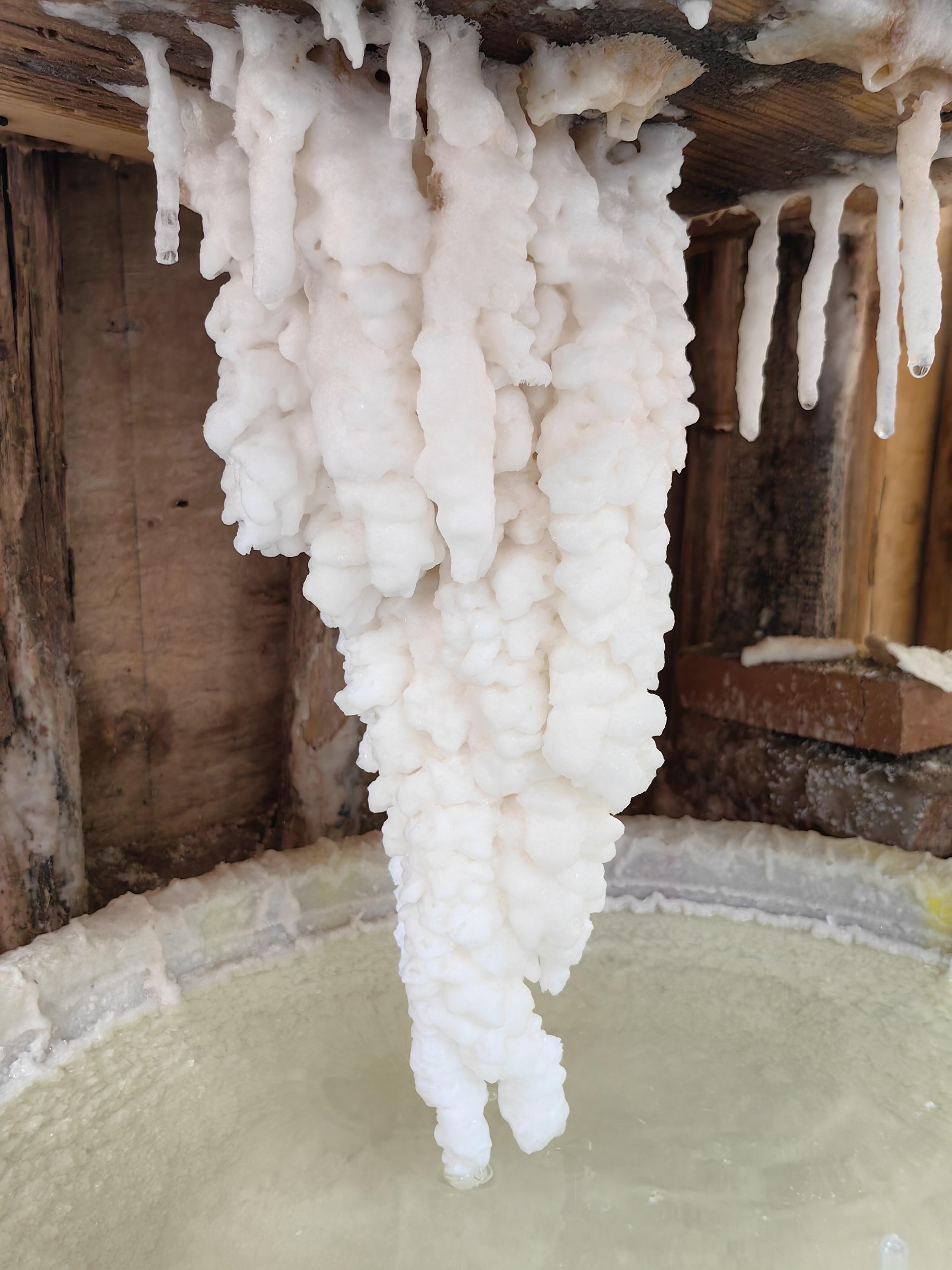
A full boil of Nuodeng brine takes about fifteen hours, after a day of settling, so you join the salt family for one stage of it. Then the ham. The leg is dried, the blood pressed out with an awl, the skin rubbed with corn liquor and well salt. It spends about half a month in a wooden vat, gets a coat of brine mud and hangs for one to three years. Between early November and early February some of that may be happening in front of you. Taste the one-, two- and three-year legs side by side and argue about them over a village lunch. Stop at the Taiji (太极) river-bend viewpoint on the way out, then head south to Baoshan, about three to three and a half hours by our estimate.
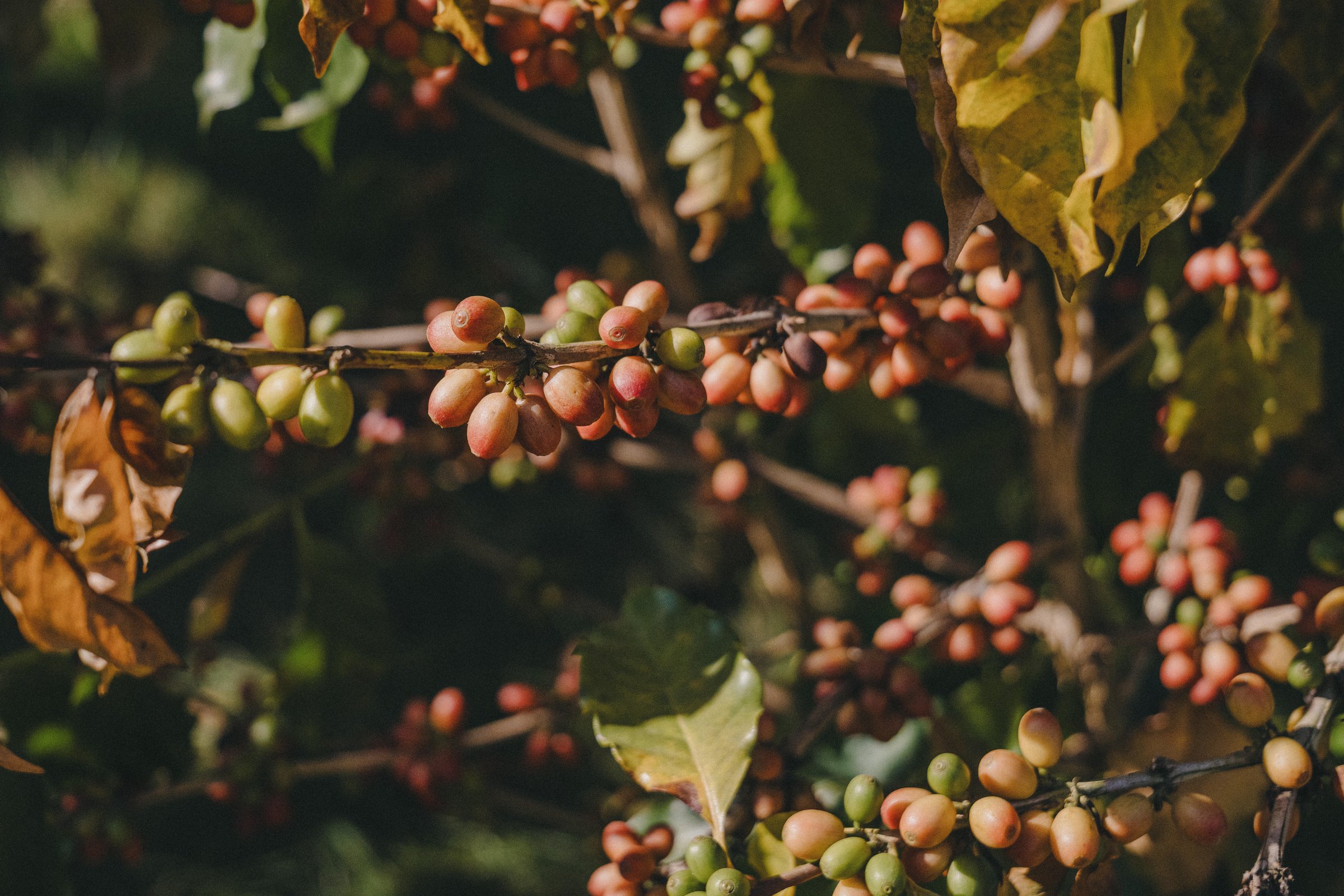
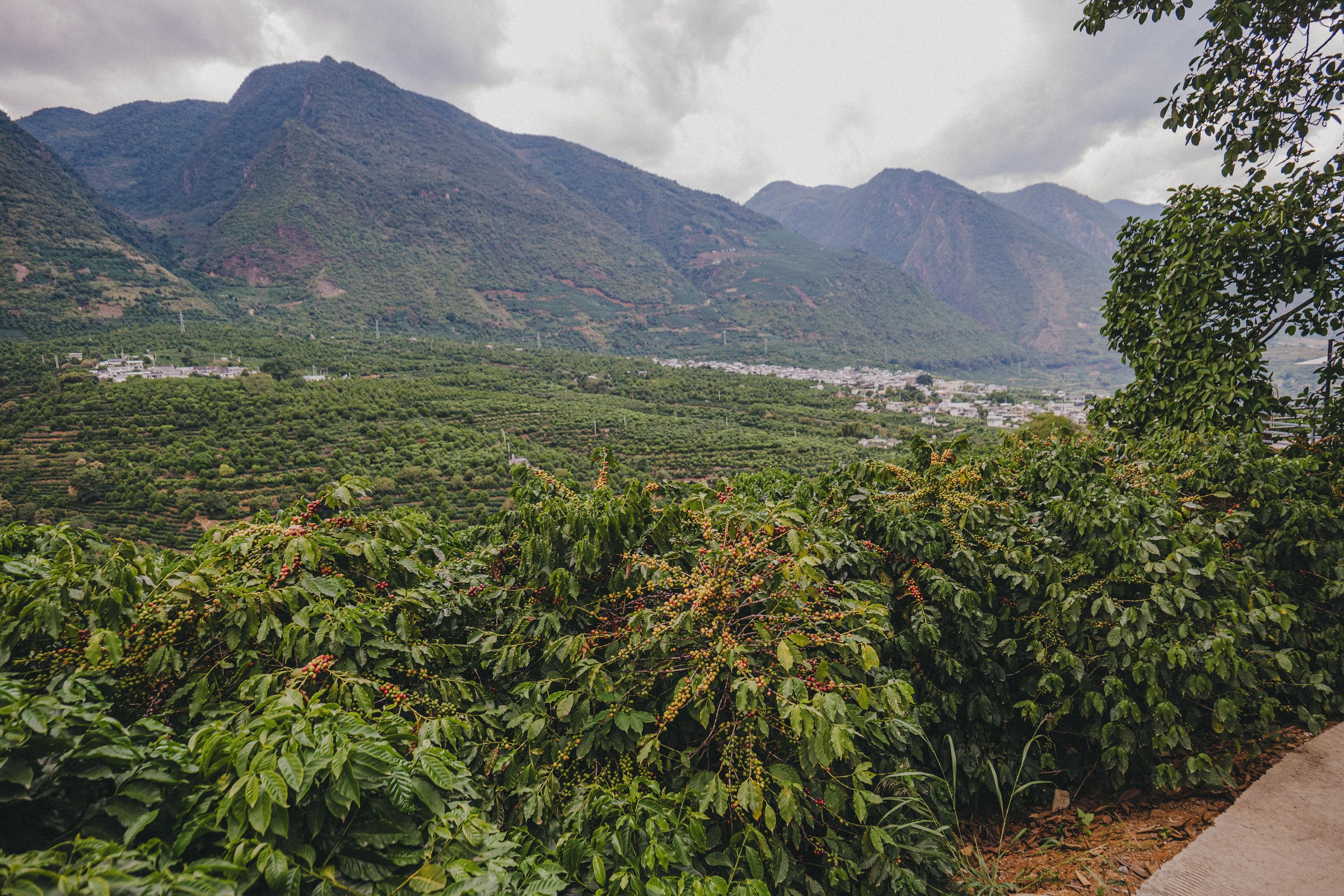
After two days of salt the road drops about an hour into the hot Nujiang valley at Lujiangba (潞江坝), banana and coffee country, where Xinzhai carries the title of "China's first coffee village". Harvest starts in November and runs to about March, so in those months the cherries are being picked by hand as you walk the estate. Cup what the estate grows, then stay for lunch at its table. Afterwards the road climbs over the Gaoligong mountains to Tengchong, about an hour and a half. Tengchong sits on hot ground and the evening's plan is simple: get in the water. Your body has spent the week processing cured pork, and it has earned a soak.
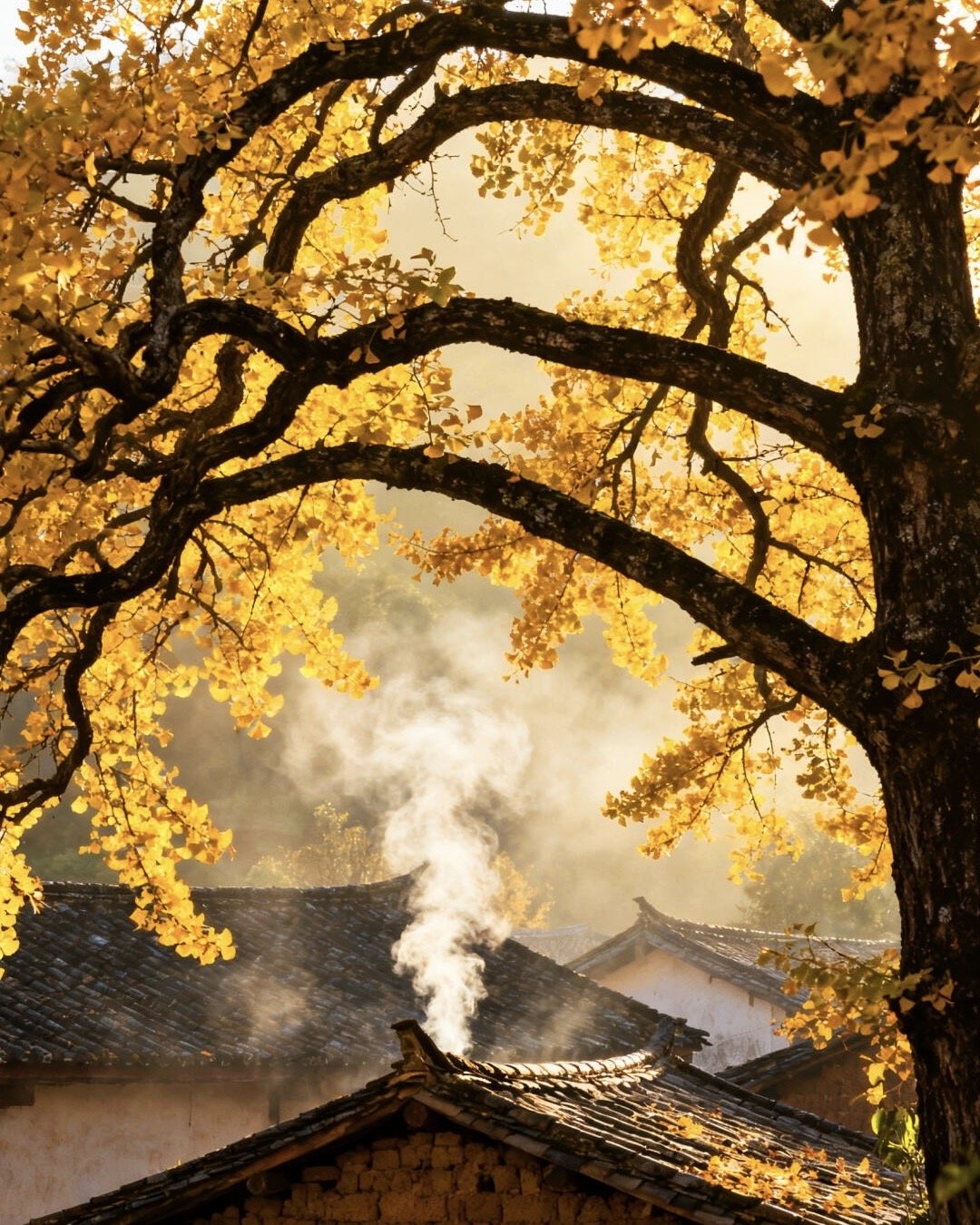
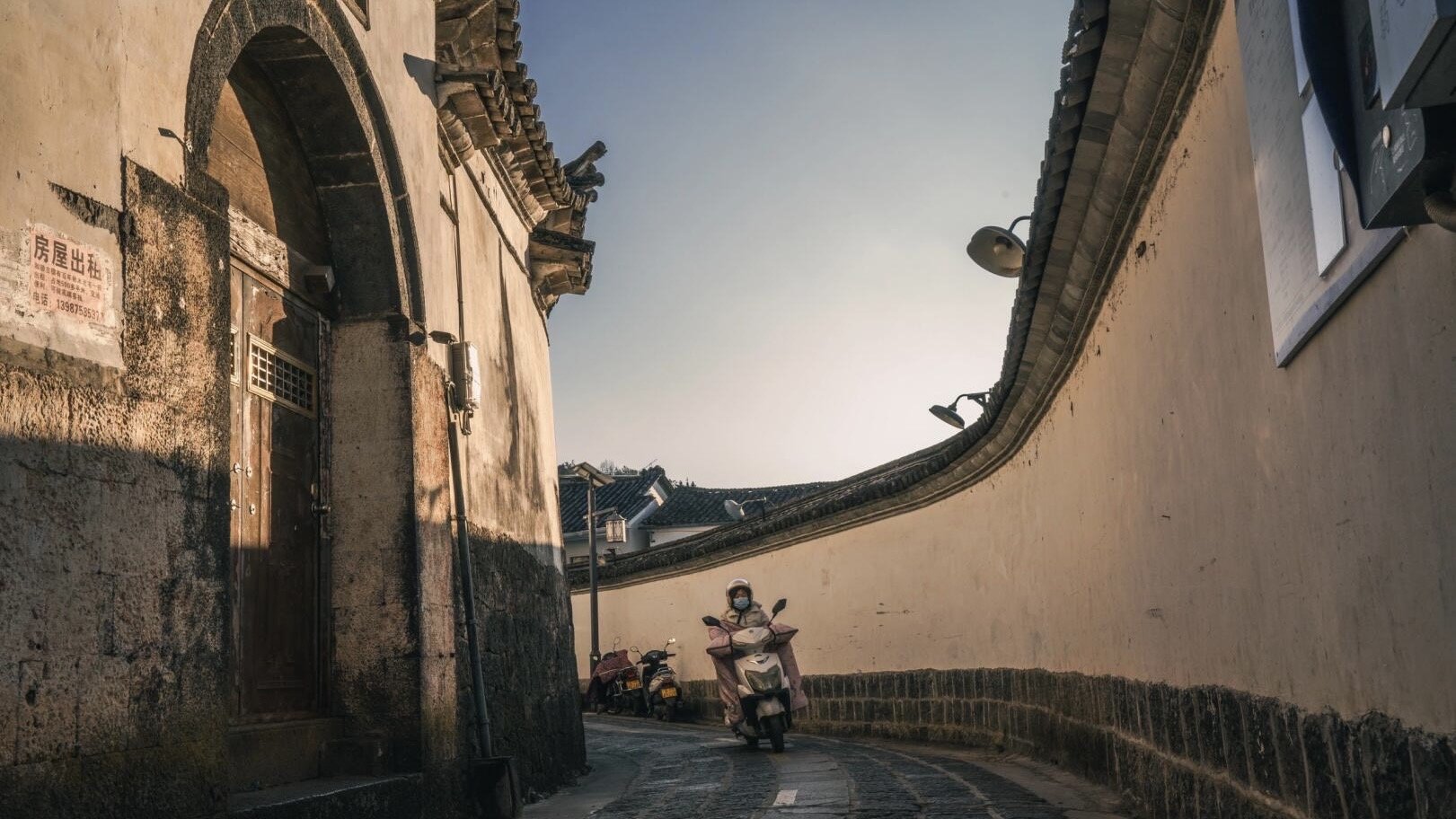
Breakfast is dajiujia (大救驾), rice cake (饵块) cut into small squares and stir-fried. The name means roughly "the great rescue": legend has the Yongli emperor, fleeing the Qing in early 1659, eating it near Tengchong and declaring it had saved him. No record of the meal survives and the versions disagree on where. Heshun takes the morning, its 1924 library and its overseas-Chinese merchant houses built on the Burma jade trade. Lunch is Qiaoxiangzhai (侨香斋), outside town, for muleteers' pork (赶马肉) and a Tengchong clay-pot stew (土锅子), with dajiujia on the list if you want a second opinion. From about 20 November to early December the afternoon goes to Gudong's ginkgo. Otherwise it stays slow in Heshun. The farewell dinner is private, built on Tengchong and Dehong produce.
A short transfer to Tengchong airport, then about an hour and a quarter to Kunming for your onward flight. Check your home country's rules before packing any ham. Plenty of border officers will happily relieve you of it.
Six nights at places we list: two in a new courtyard hotel near Xizhou, two in a floor-heated Bai house at Shaxi and two at a hot-spring retreat on the edge of Heshun. We don't list a hotel in Nuodeng or Baoshan, so those two nights are the best available, confirmed with your dates.
A new Bai courtyard hotel on Erhai's west shore, opened in 2026, with a reflecting pool, a heated outdoor pool facing Cang Mountain and Xizhou's morning market five minutes away by car. Two nights at the start of the road.
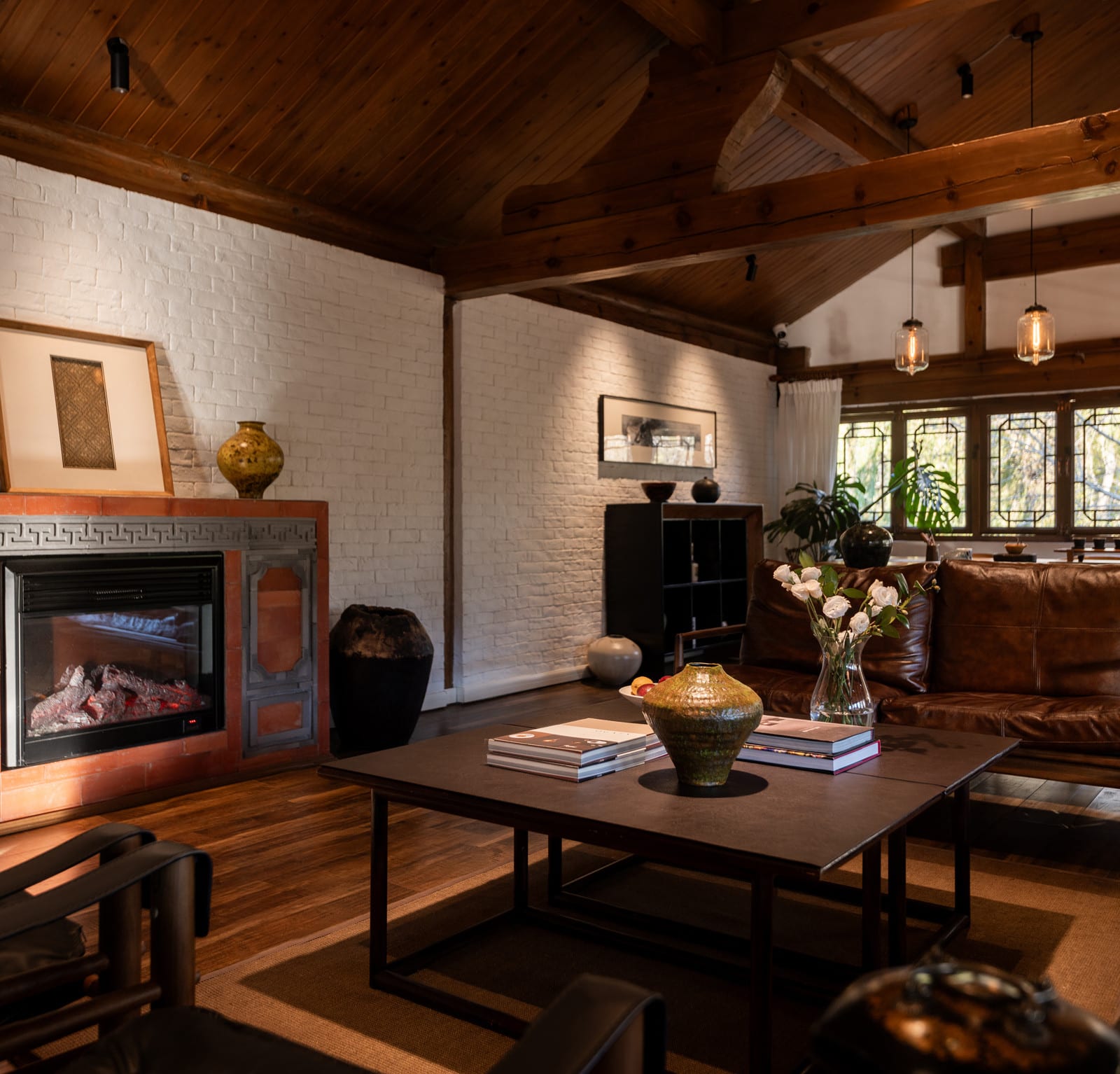
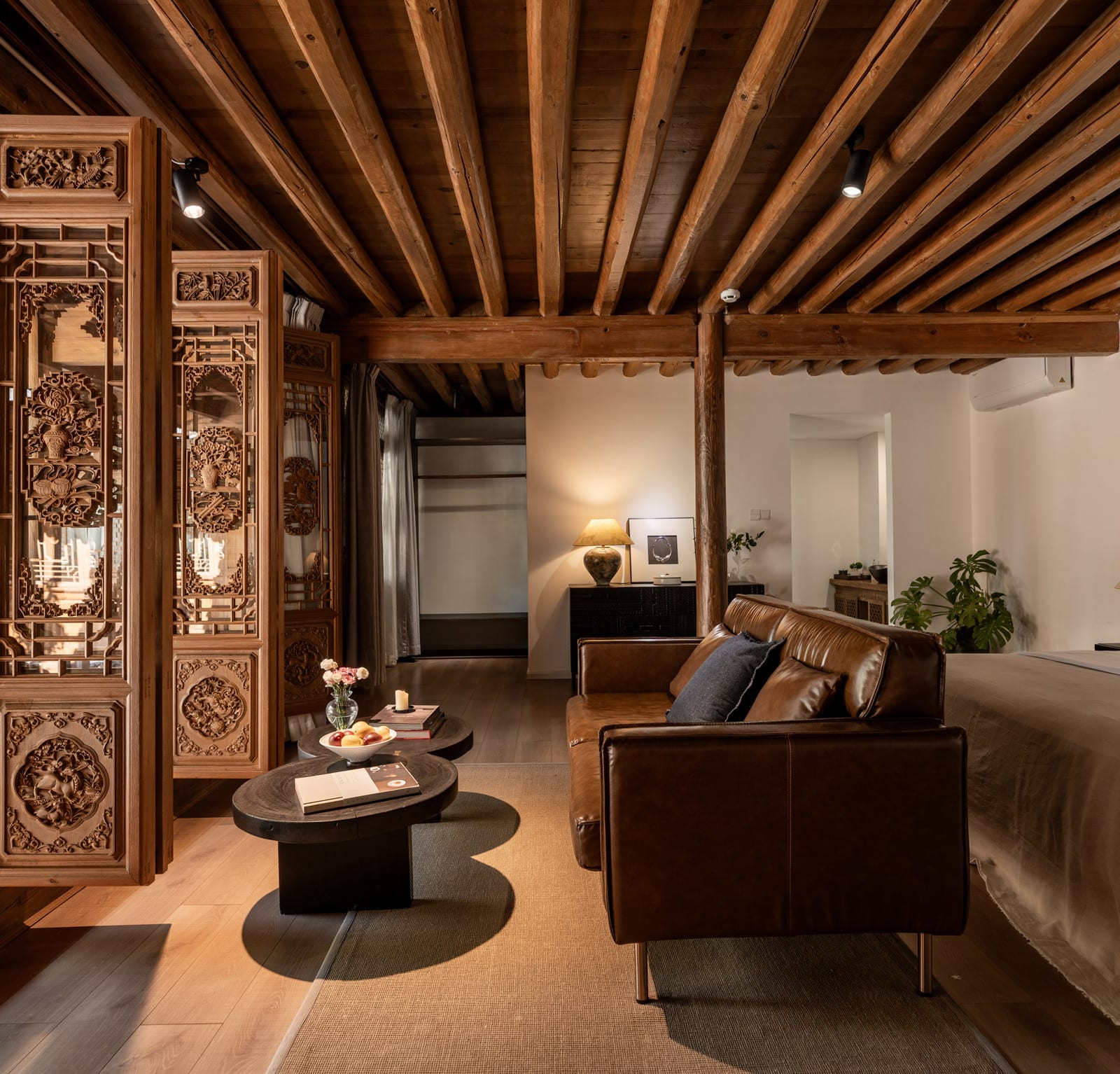
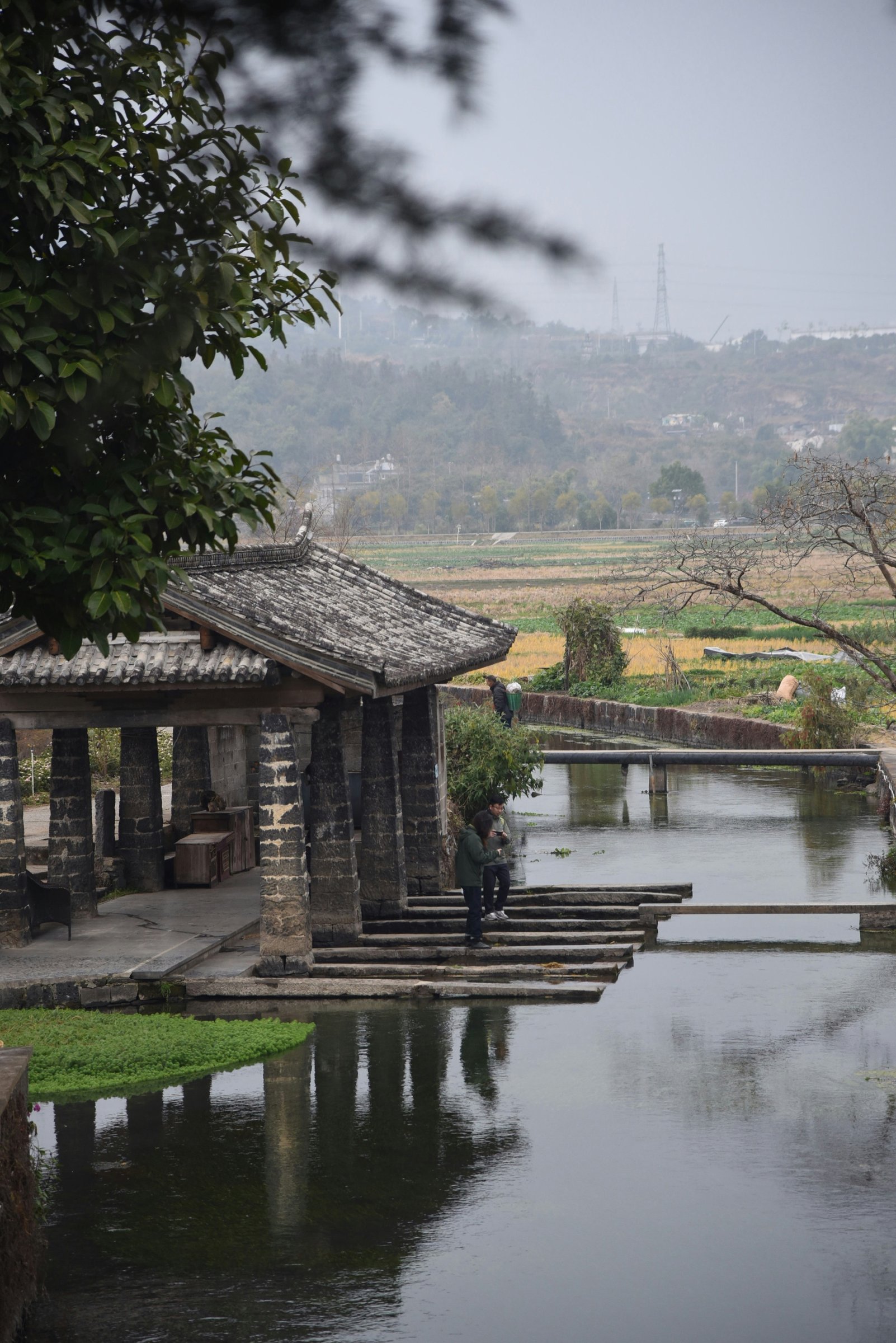
A restored Bai house on the Heihui River side of Shaxi, five minutes' walk from Sideng Square and Yujin Bridge, with floor heating in all nine rooms, which counts on a Shaxi winter night. Two nights.
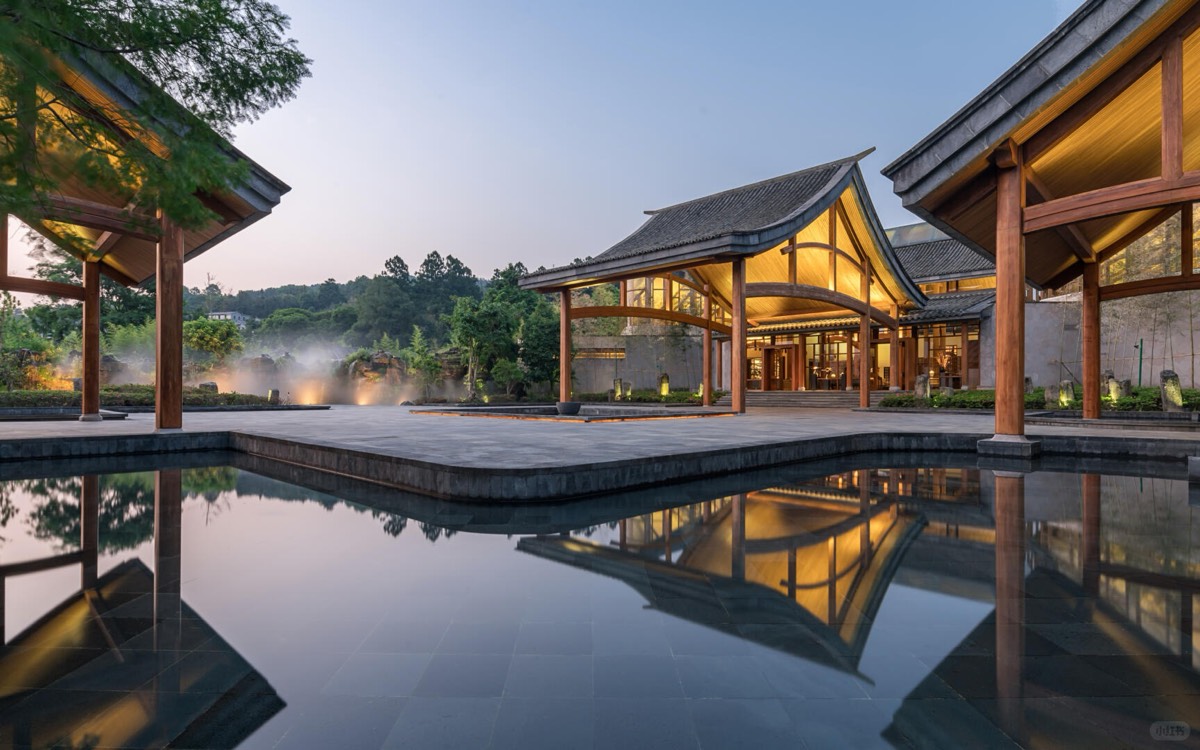
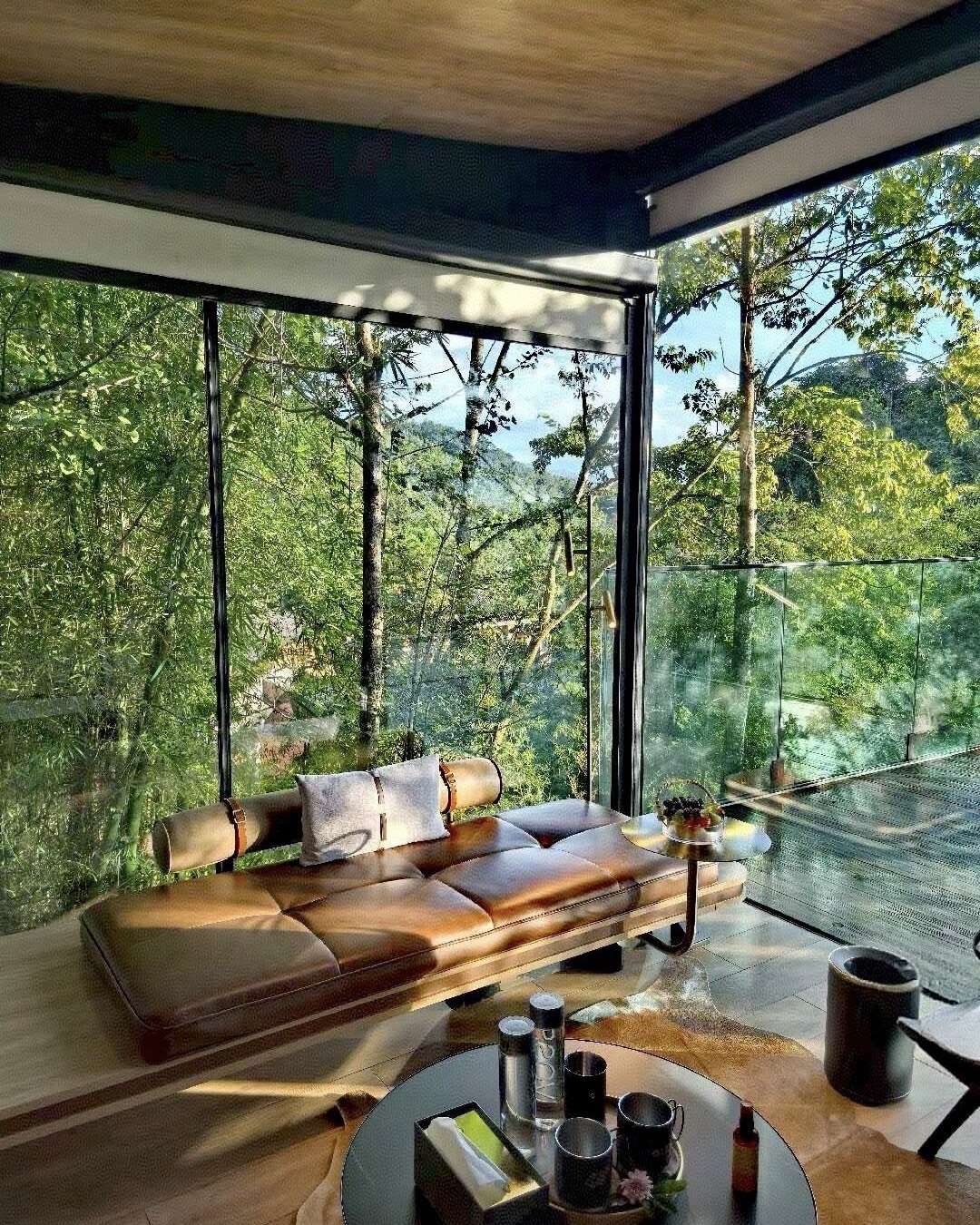
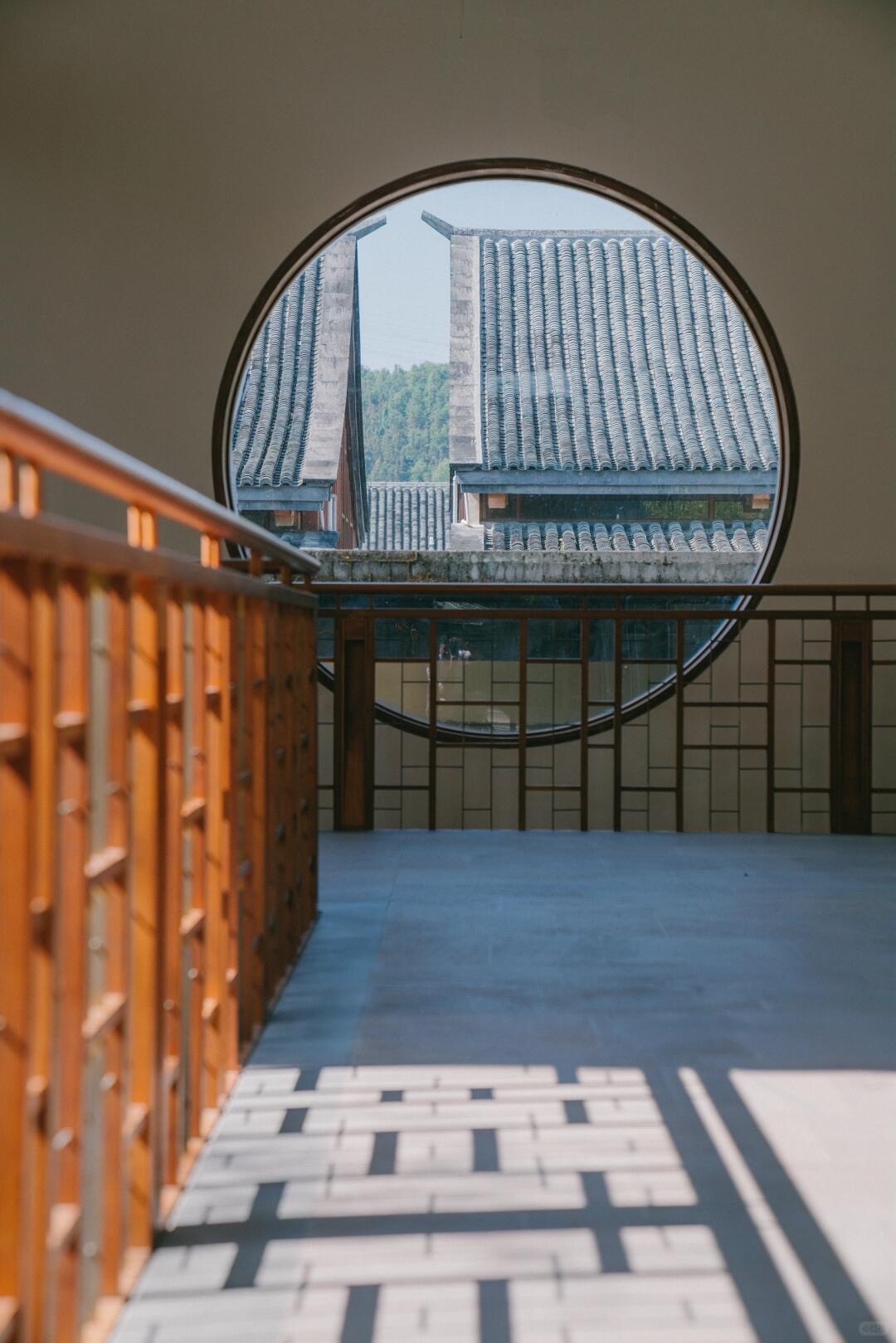
A villa-only hot-spring retreat on the edge of Heshun, a short walk from the library and the old lanes, and the place to get into the water after the week's ham. Two nights at the end of the road.
These are examples of the boutique stays we book across the route. Because boutique hotels have so few rooms, a stay may occasionally be swapped for one of similar standard.
It runs year-round, but mid-November to January is best, and inside that window you have to choose. Gudong's ginkgo peaks from about 20 November to early December. Nuodeng cures from early November to early February, but its best hams are salted after the winter solstice (about 21 December) and up to Spring Festival. Heqing salts from about late October to early February. So late November gets you the gold leaves and only the start of the cure; late December and January get you the main cure under bare ginkgo trees. The two do not overlap, and you get one or the other. Coffee suits both: the Lujiangba and Xinzhai harvest starts in November and runs to about March. Outside November to early February you can still taste every age of ham but you will not see legs being salted, and June to August brings Tengchong's heavy monsoon rain. Shaxi is cold and quiet in deep winter. Spring Festival falls on 6 February in 2027, and the days around it are peak domestic travel.
It is a simple guesthouse night, and we would rather say so now. Nuodeng has no hotel we list, so we book the best available room when your dates are set and tell you exactly what it is before you commit. Expect a village house with plain rooms, and bring layers for a winter night. It is one night, and the salt family's table and the morning at the brine are the reason for it. Baoshan the following night is a practical city stop, also at the best available rather than a property we list.
Not start to finish. A full brine boil takes about 15 hours after 24 hours of settling, and it survives as small-scale winter work, so you see one stage with a salt family on the morning of Day 6. A ham is a longer game: corn liquor and well salt, about half a month in a vat, a coat of brine mud, then one to three years hanging. Between early November and early February you may see legs being worked. At other times you taste the results in one-, two- and three-year cuts. The brine-mud coat has been reworked in recent years, so we won't sell you an unbroken ancient recipe.
Tell us early, because this trip is about ham and Bai cheese. Days 2, 3, 5 and 6 are built on rushan, rubing and cured pork, and ham gets into more stocks and stir-fries than you'd expect, so the guide checks every table. Kitchens along the road can cook chicken, lake fish and vegetables instead and nobody goes hungry. A guest who avoids both pork and dairy would miss the point of those days, though, and we would rather plan a different route with you.
Two days are long. Shaxi to Nuodeng is about 4 hours and Nuodeng to Baoshan is about 3 to 3.5 hours, both our estimates on mountain roads we have not yet clocked door to door. The others run about one to two hours, with Lujiangba to Tengchong about an hour and a half. You can fly into Dali or take the high-speed train from Kunming, about two hours. The trip ends with a flight from Tengchong to Kunming, about an hour and a quarter.
Every day, stay and date tailored to you — shaped over a call with someone who has walked the route, never a template.
Tell us your dates and what moves you. We reply within one business day, then shape a proposal — no obligation, never a templated package.
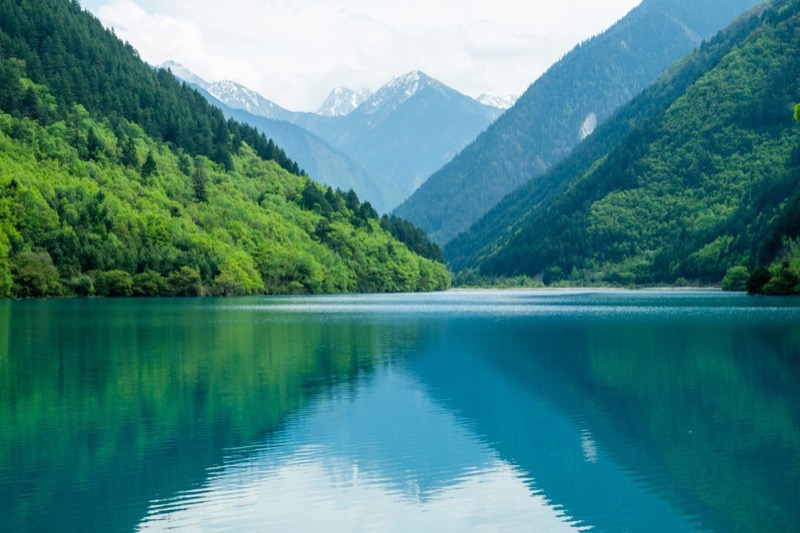
Giant Pandas at the Chengdu Research Base, then three days in the alpine lakes of Siguniang or Jiuzhai Valley. City culture first, mountain silence after.
See the itinerary →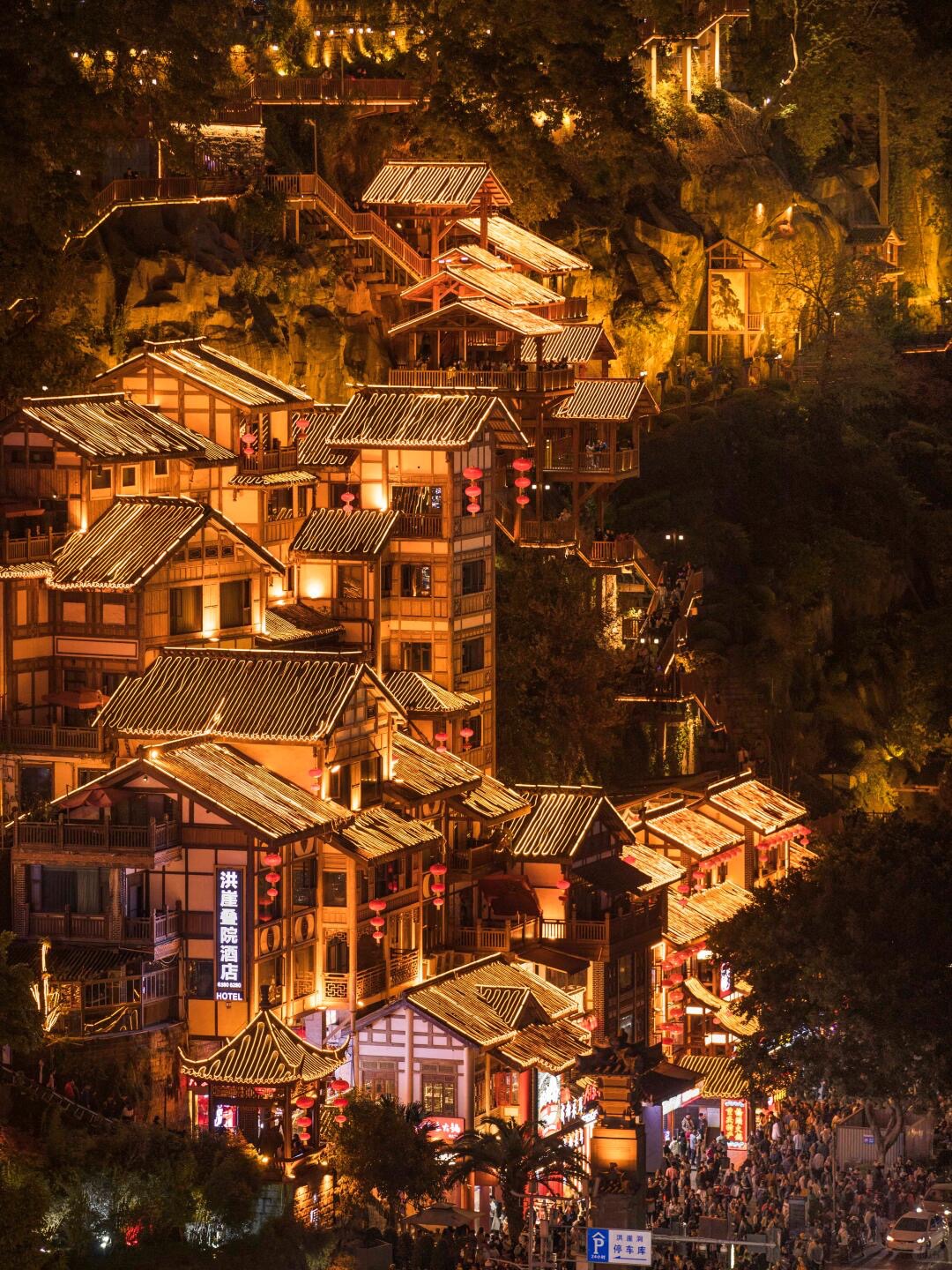
A 5–6 day private tour weighted toward Chongqing — neon river cities, UNESCO Wulong Karst, the Longji (Dragon's Backbone) ridge hike above the Yangtze, and two different tables of Sichuan heat. Bookended with a soft Chengdu landing.
See the itinerary →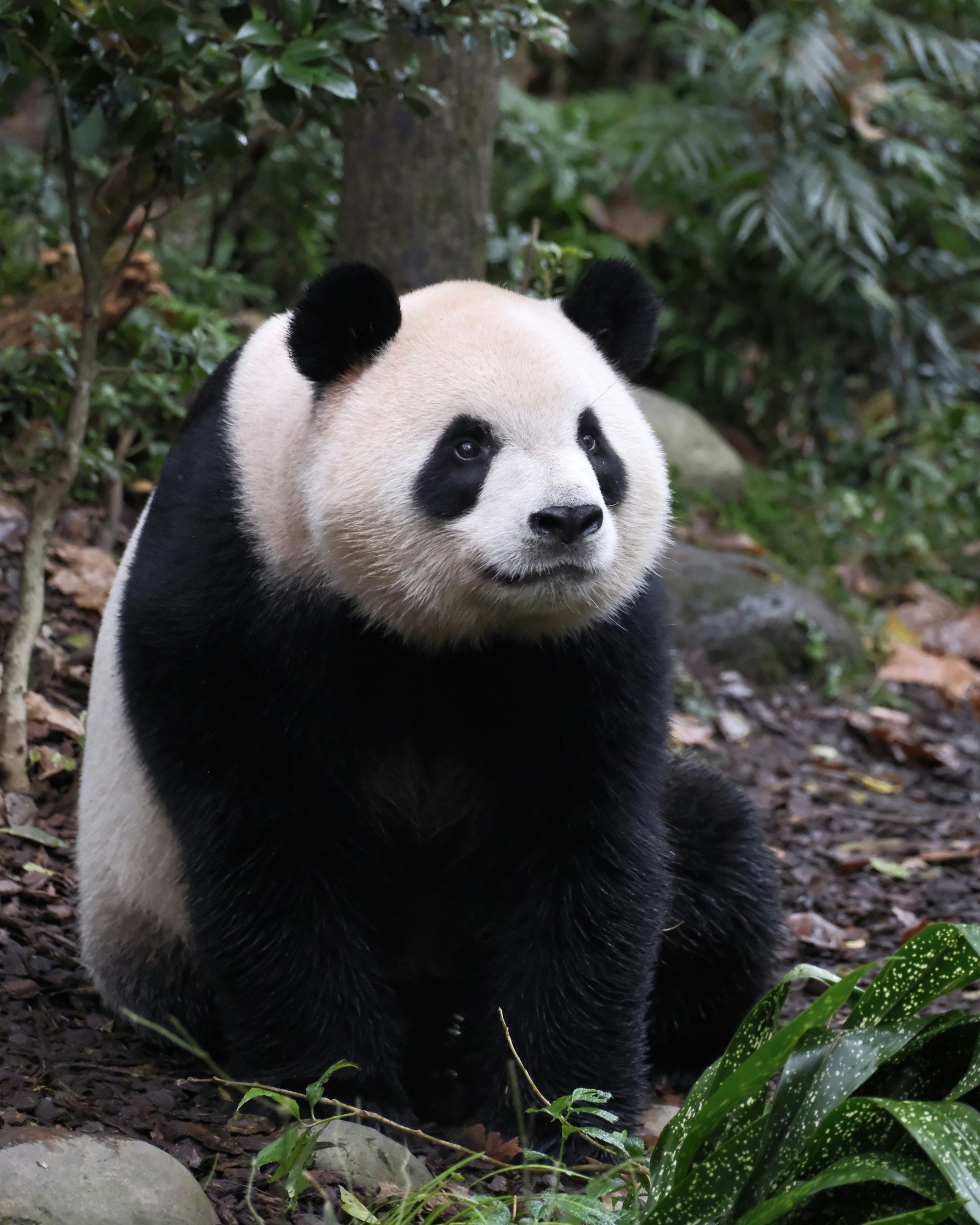
Fifteen days that pair China's great icons with its wildlife and wild landscape — the Forbidden City and the quiet Great Wall at Jinshanling, the Terracotta Army, a working day with the giant pandas outside Chengdu, three days among Zhangjiajie's sandstone pillars, and Shanghai to finish. Private throughout.
See the itinerary →