Xishuangbanna
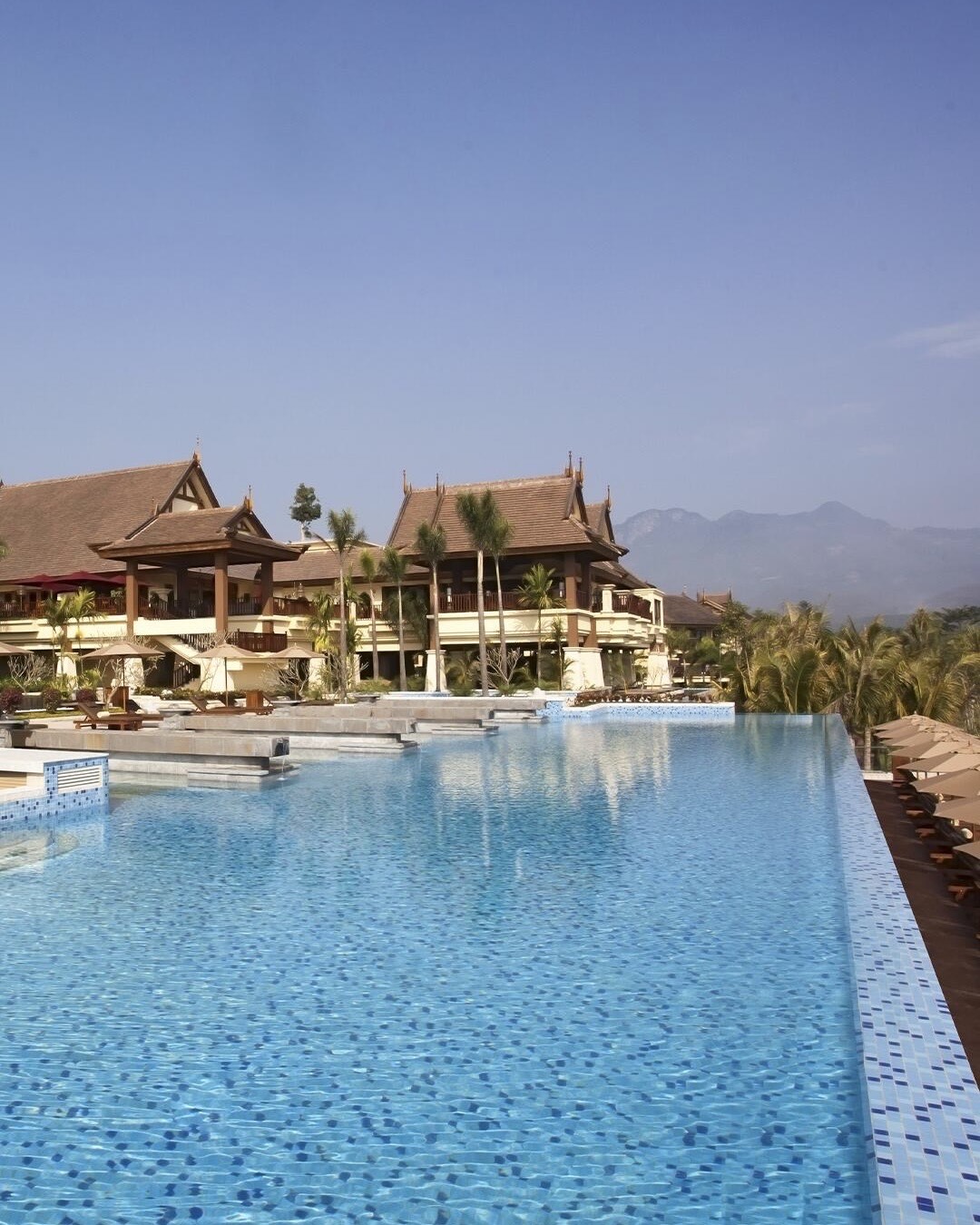
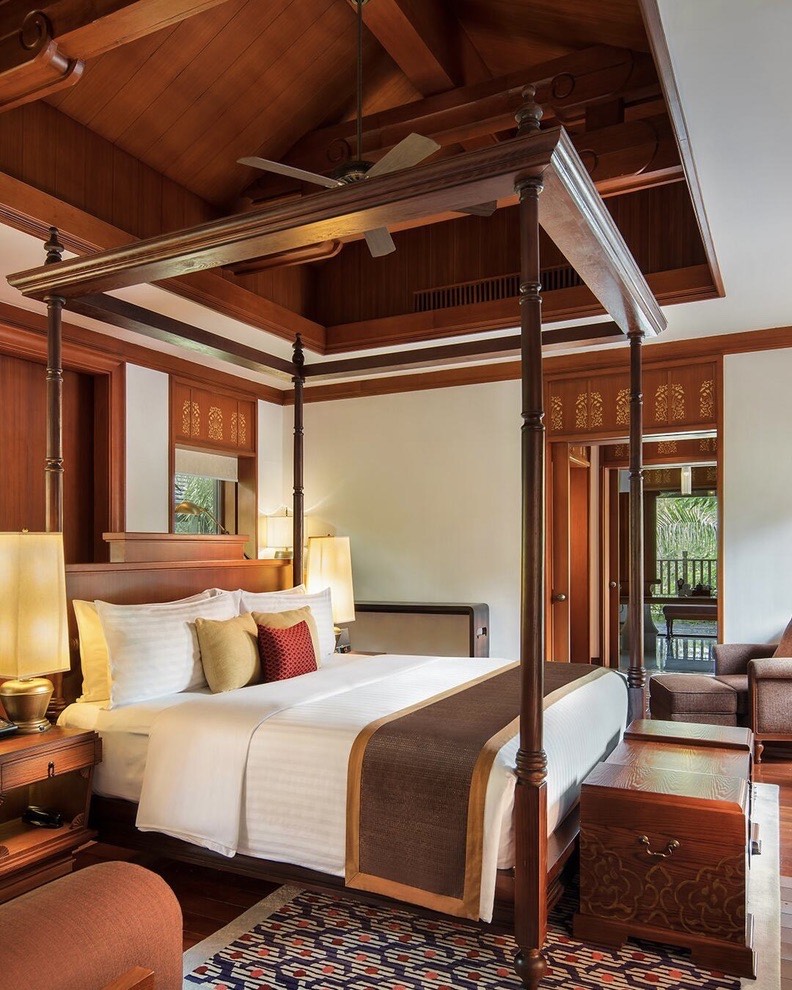
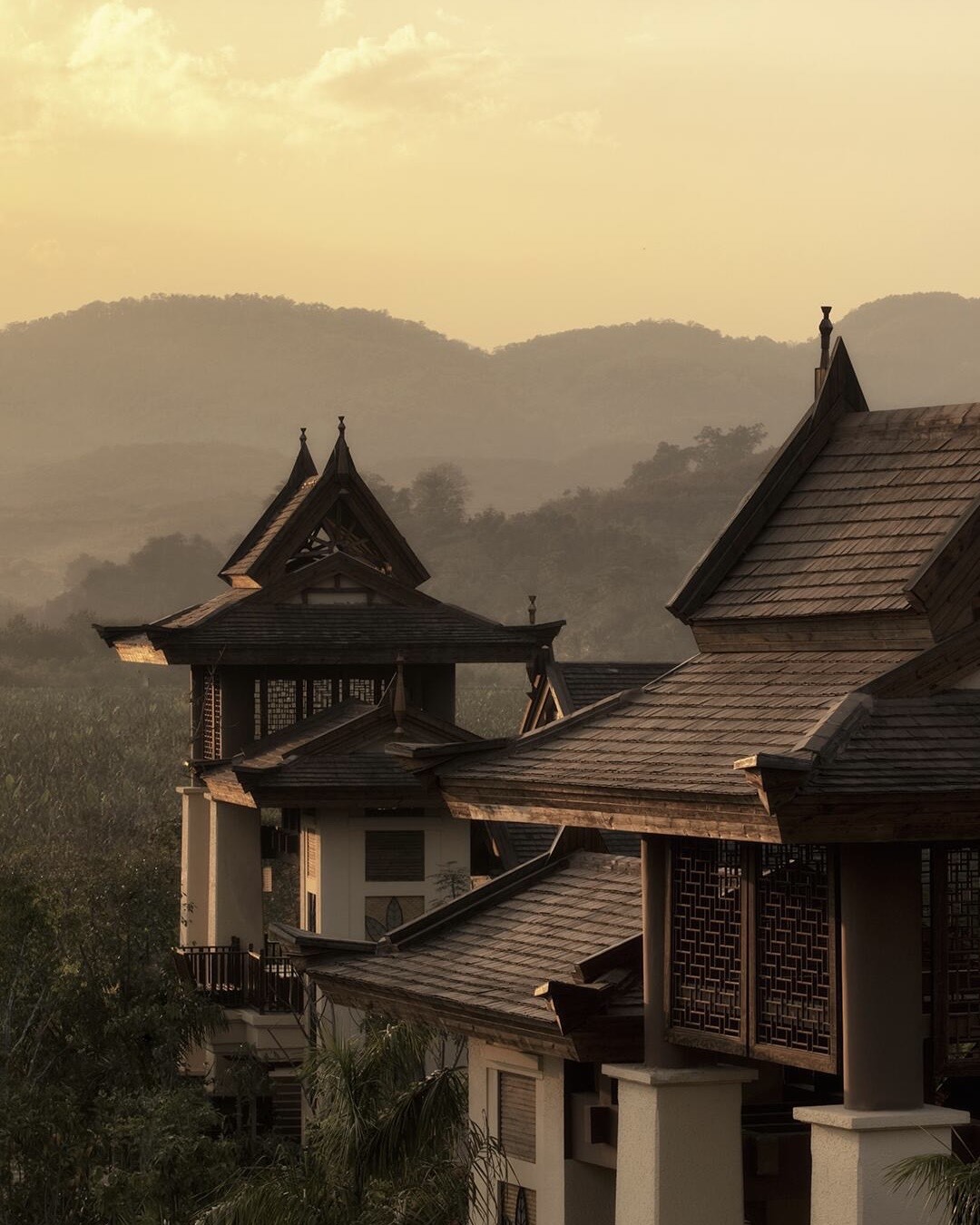
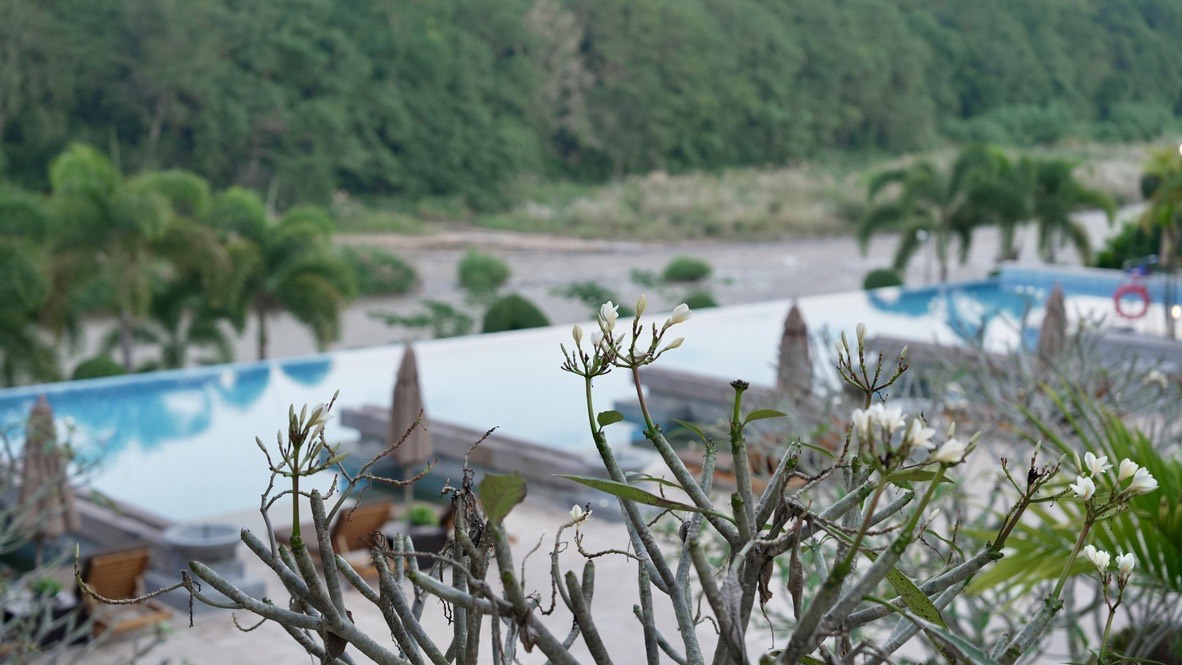
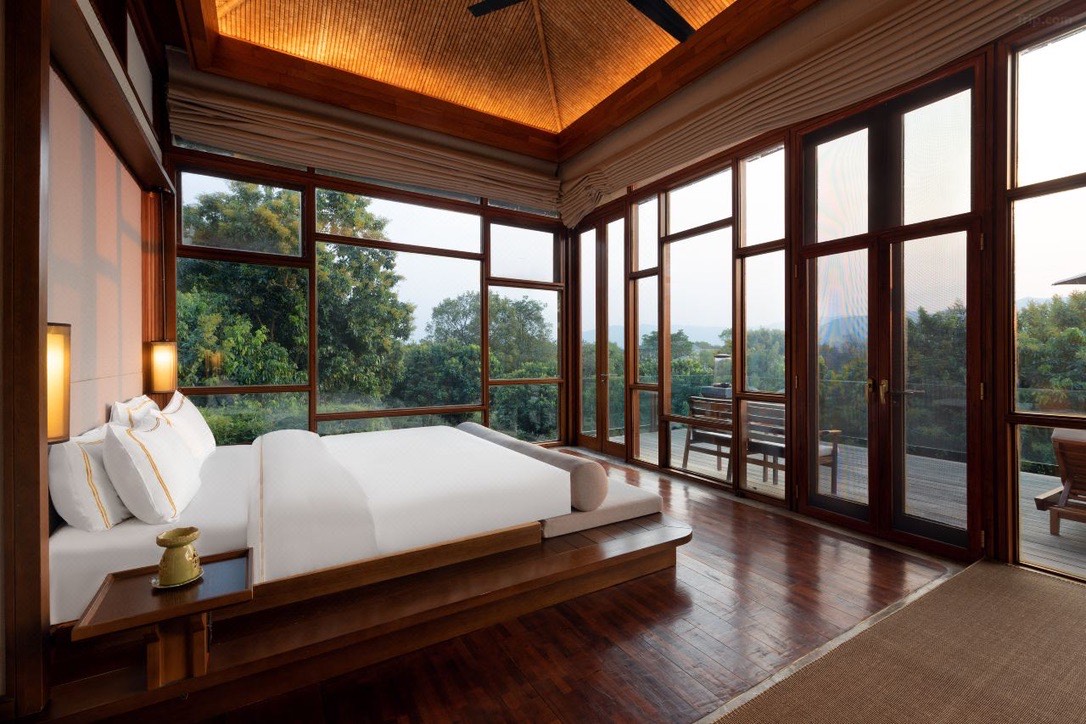
A rainforest-edge resort at Menglun, beside the botanical garden and built for family pace: pool and river. Your first three nights.

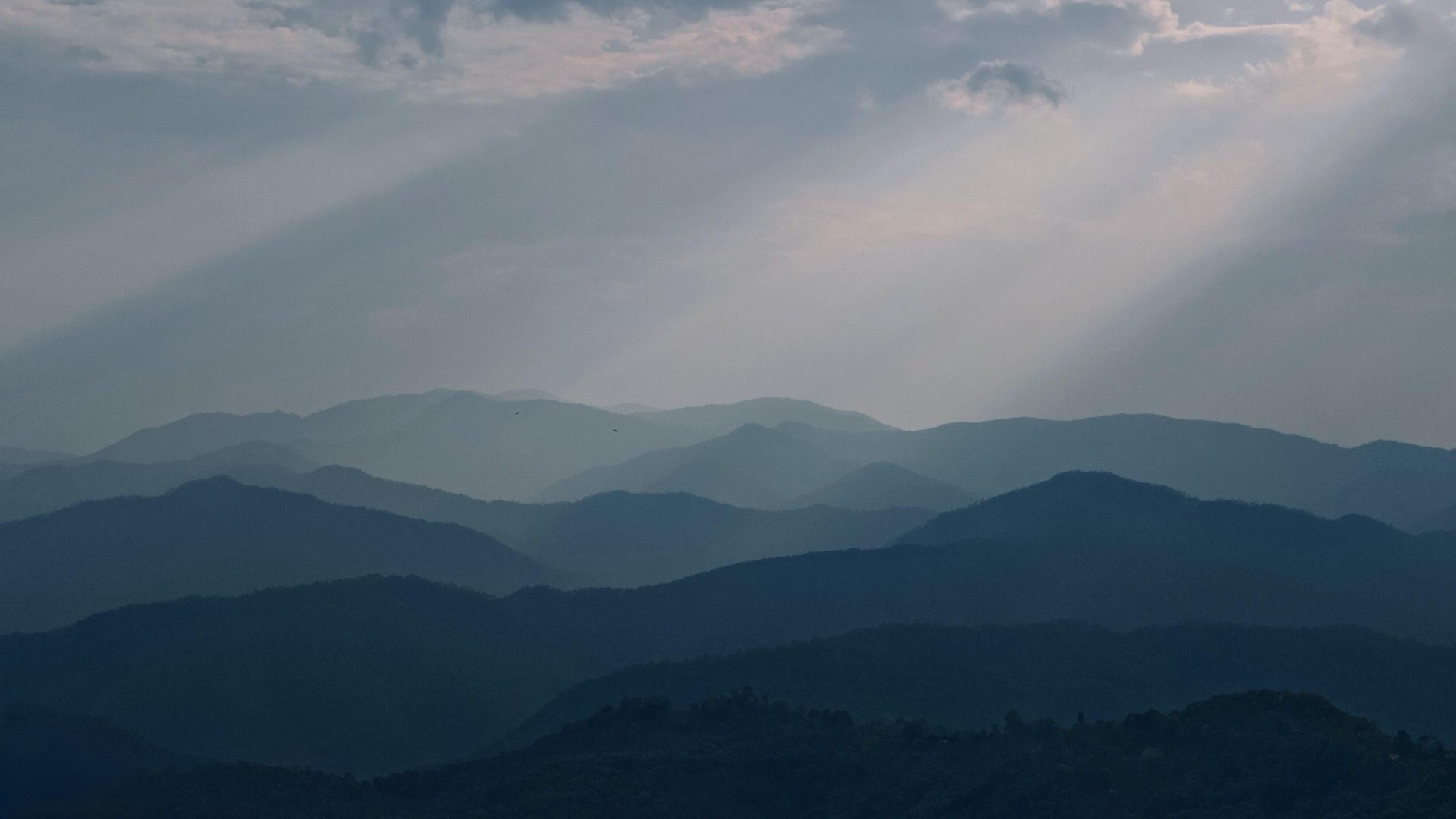
We skip Jinghong city. Your driver meets you at the airport and takes the road east through the forest to Menglun, about an hour and a half away: a small Dai town on a bend of the Luosuo River, which runs on into the Mekong, here called the Lancang. Everything for the next three days is close to this bend. Spend what's left of the day at the hotel, with the pool, the river and an early Dai dinner of lemongrass-grilled fish.
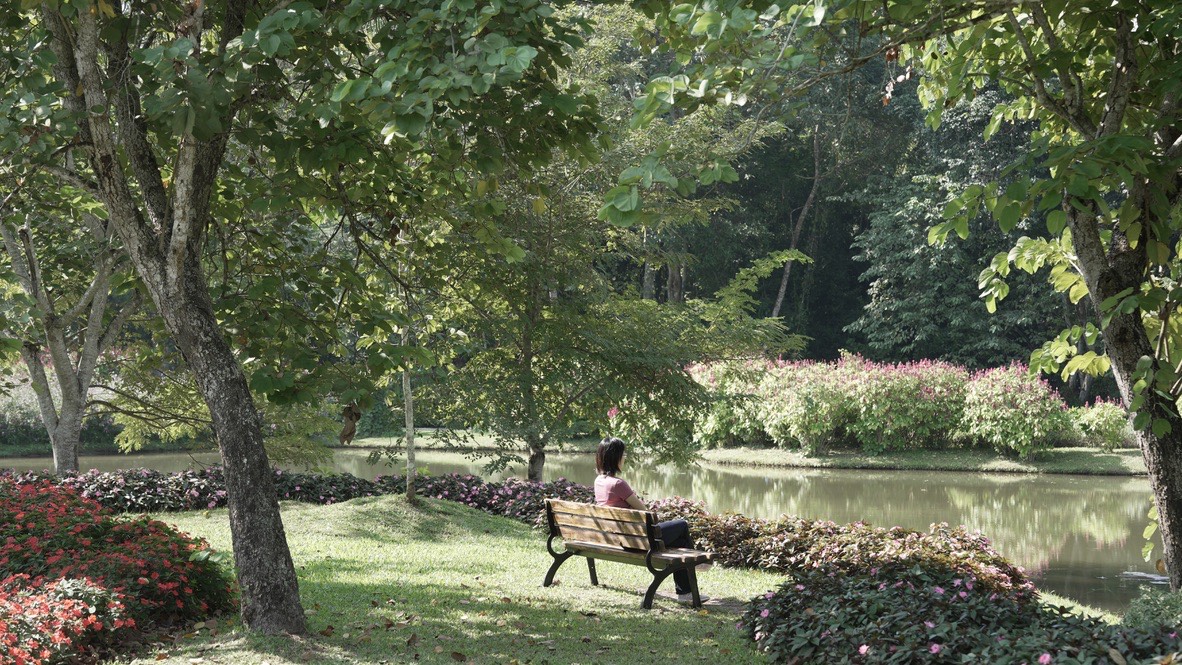
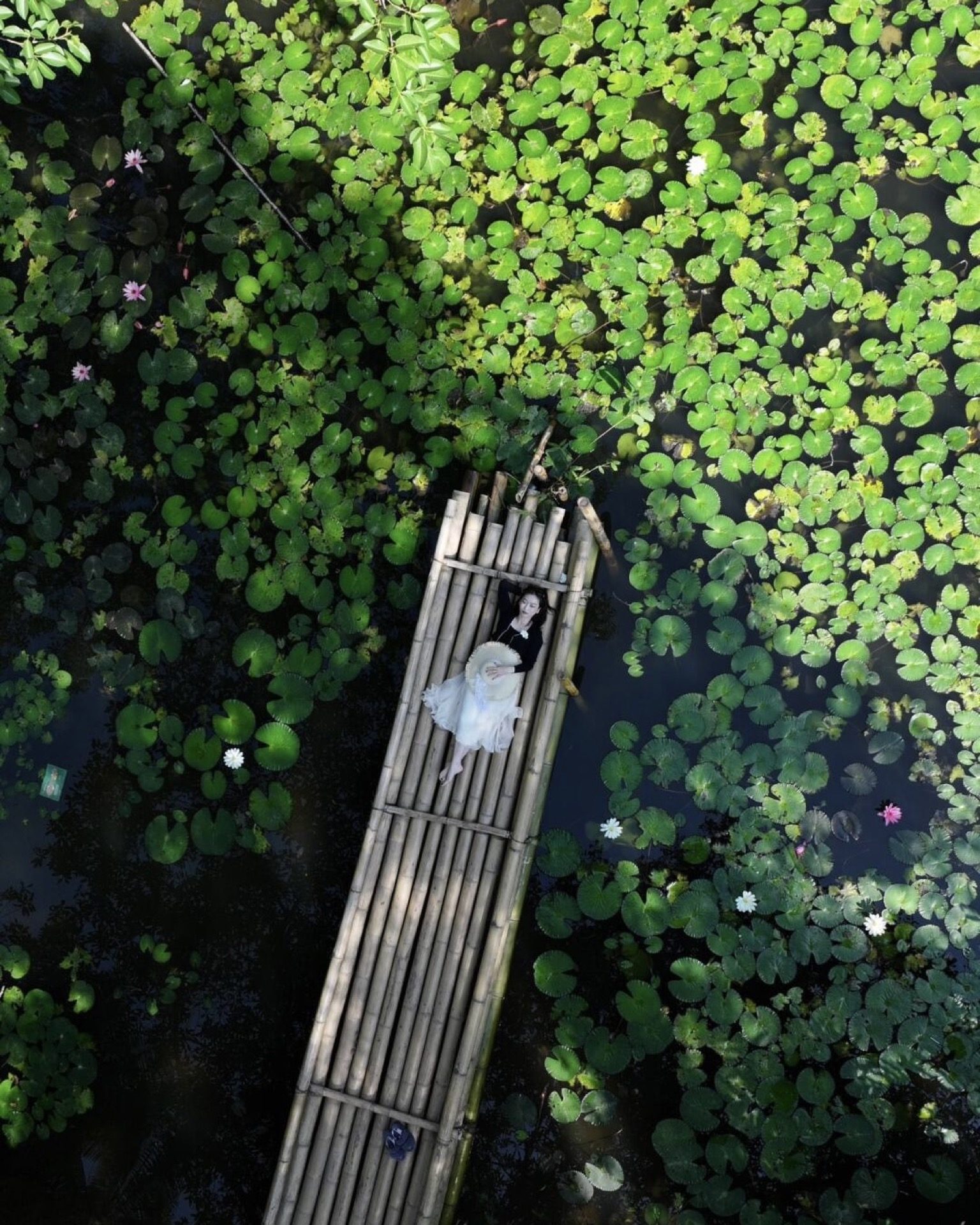
The Xishuangbanna Tropical Botanical Garden is a research institute of the Chinese Academy of Sciences, on a piece of land almost encircled by the Luosuo River: about 1,100 hectares and more than 13,000 kinds of plant. Go early, before the heat, with a naturalist, and pick the collections you care about: palms, bamboos, wild orchids, the giant water lilies, the patch of original rainforest. The numbers explain the place: Xishuangbanna holds 20% of China's plant species in less than 1% of its land. Then back for lunch and an afternoon with nothing in it. Around five, drive five minutes to Manzha Market (曼炸农贸市场), where Menglun buys its vegetables. Eat your way along the stalls at the gate and across the road: sticky rice with dried beef, pork grilled in banana leaf, sour-hot dressed salads and whatever fruit is ripe. Your guide orders; children can stick to the fruit.
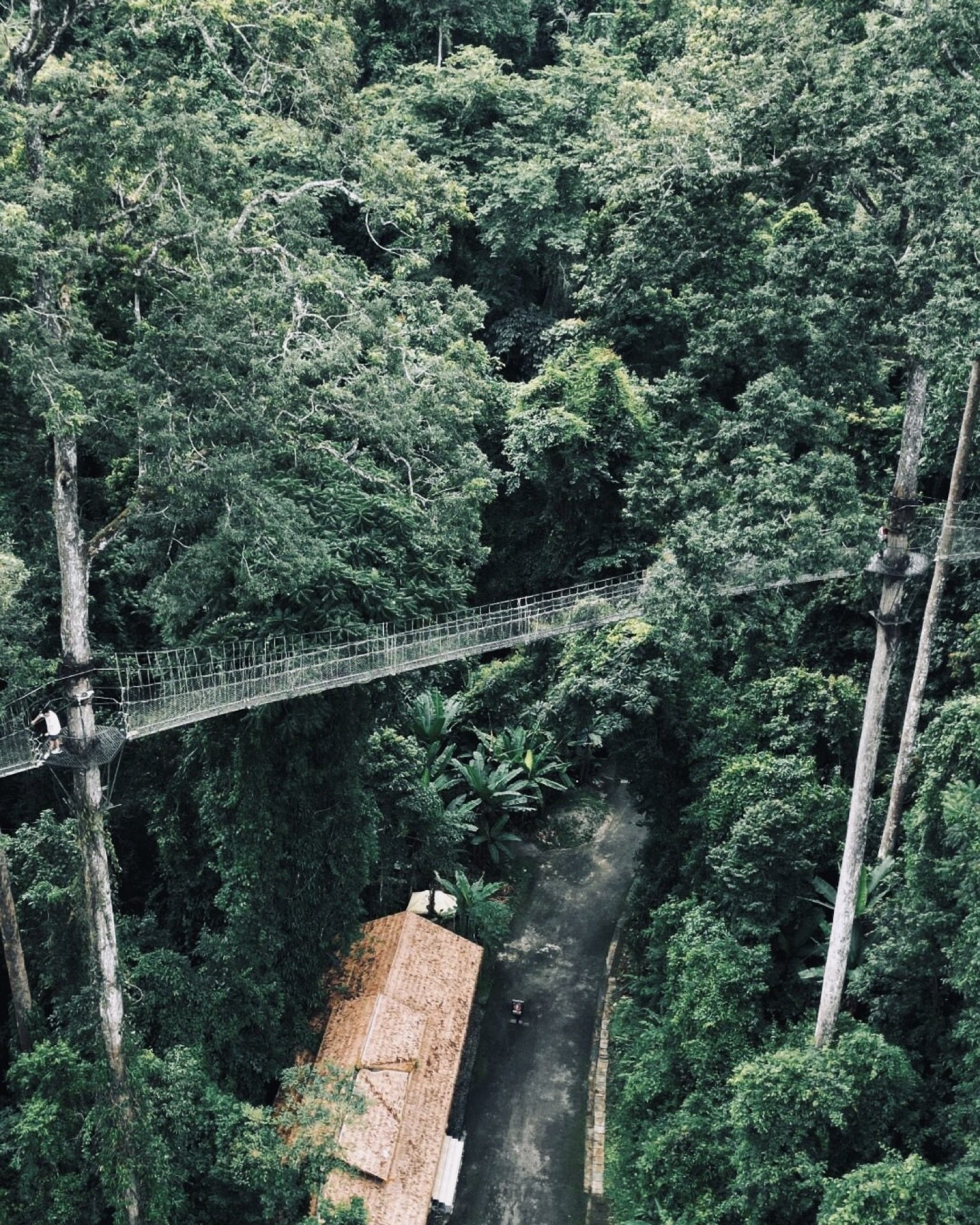
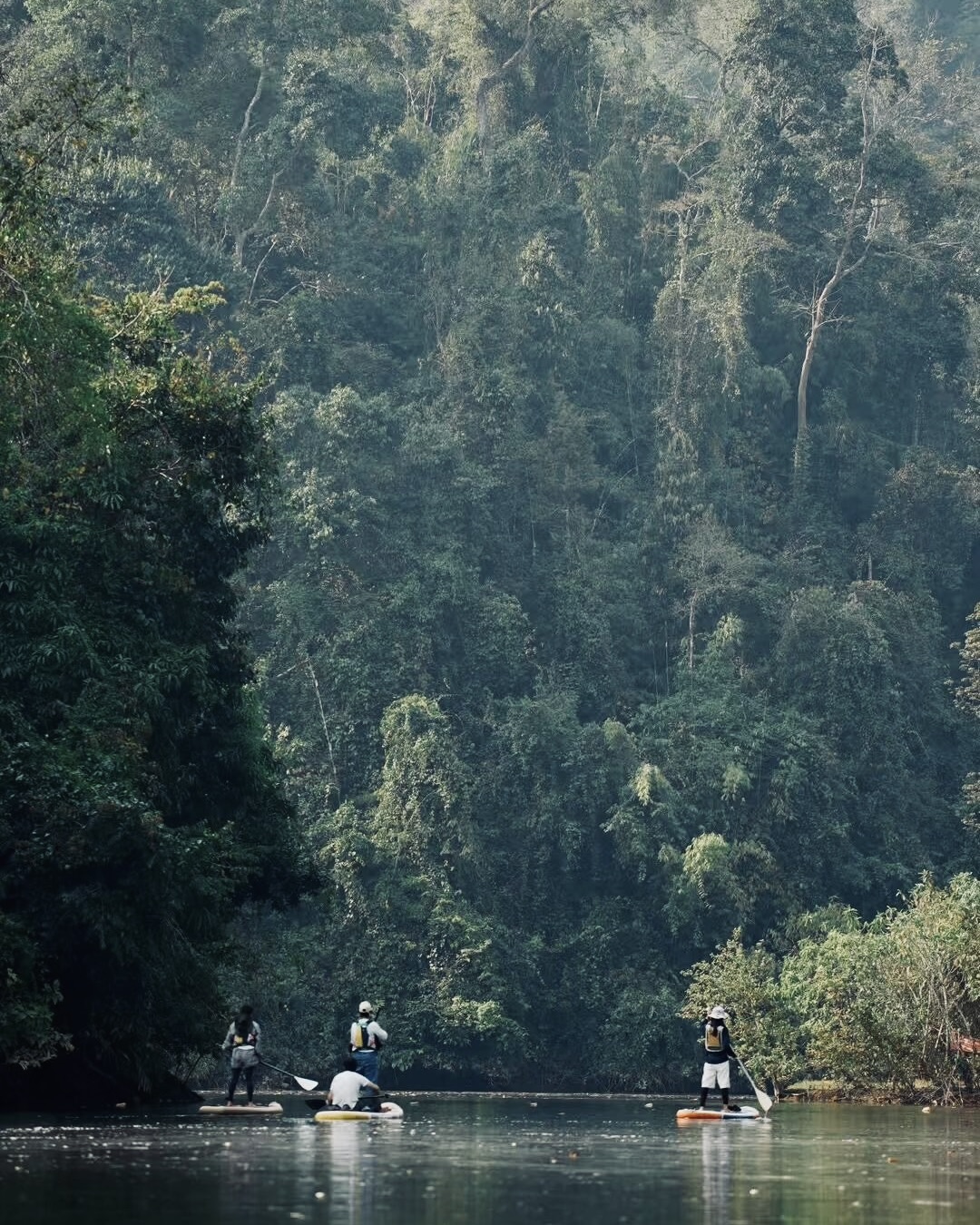
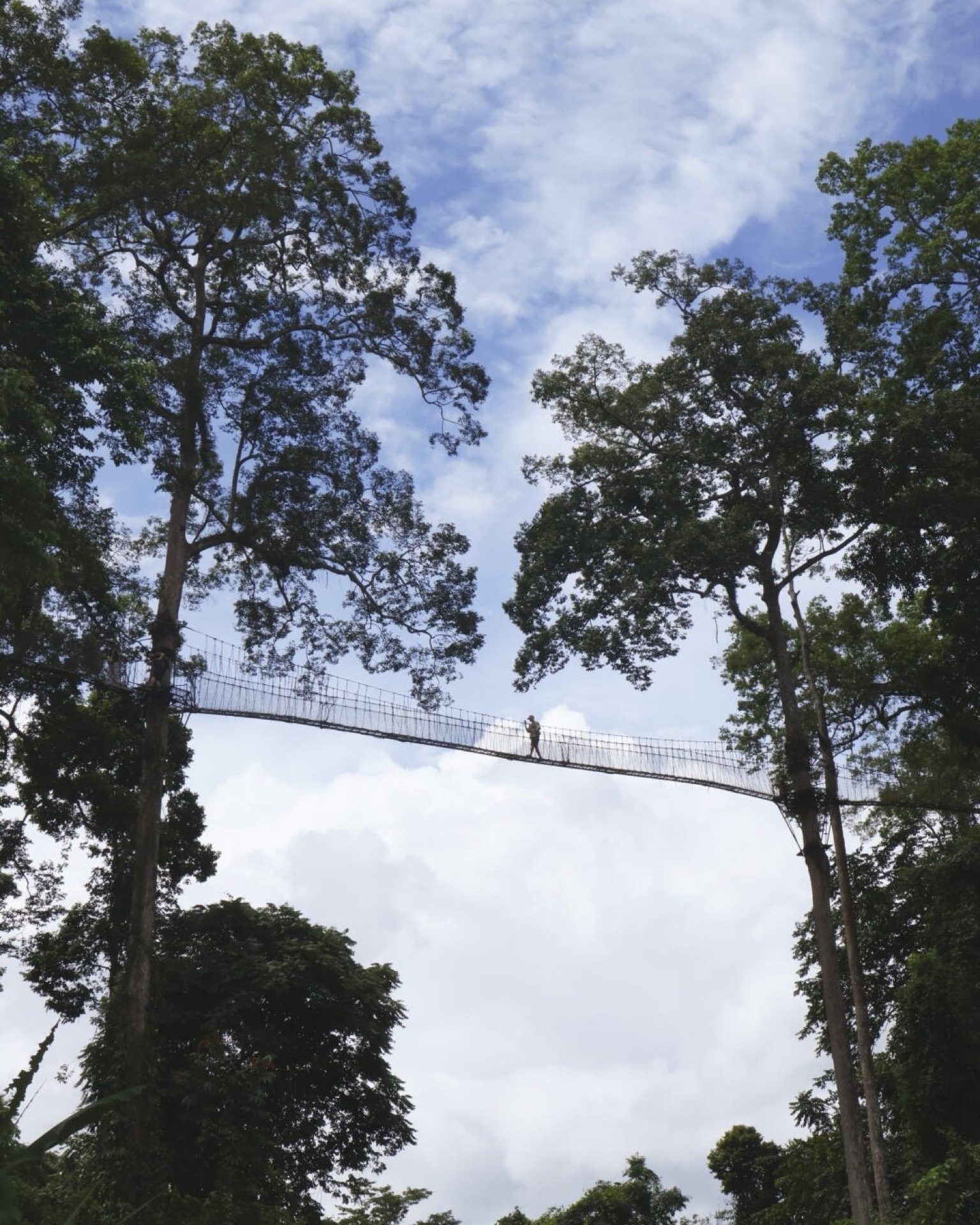
Leave early: the light in the forest is best in the morning. Wangtianshu is named for Parashorea chinensis, the 'tree that looks at the sky', whose straight trunks rise to around 70 metres. Start on the ground with the Philip Trail, about 2 km of easy, mostly level path with your guide reading the plants as you go. Then climb to the canopy walkway, a suspension bridge about 500 metres long and 36 metres off the ground, strung from trunk to trunk. It moves underfoot and the rope sides are low, so tell us if heights are a problem: the ground trail is a good walk on its own. A boat on the Nanla River is there if you want one. Bring repellent and long sleeves, and you're back in Menglun for the afternoon.
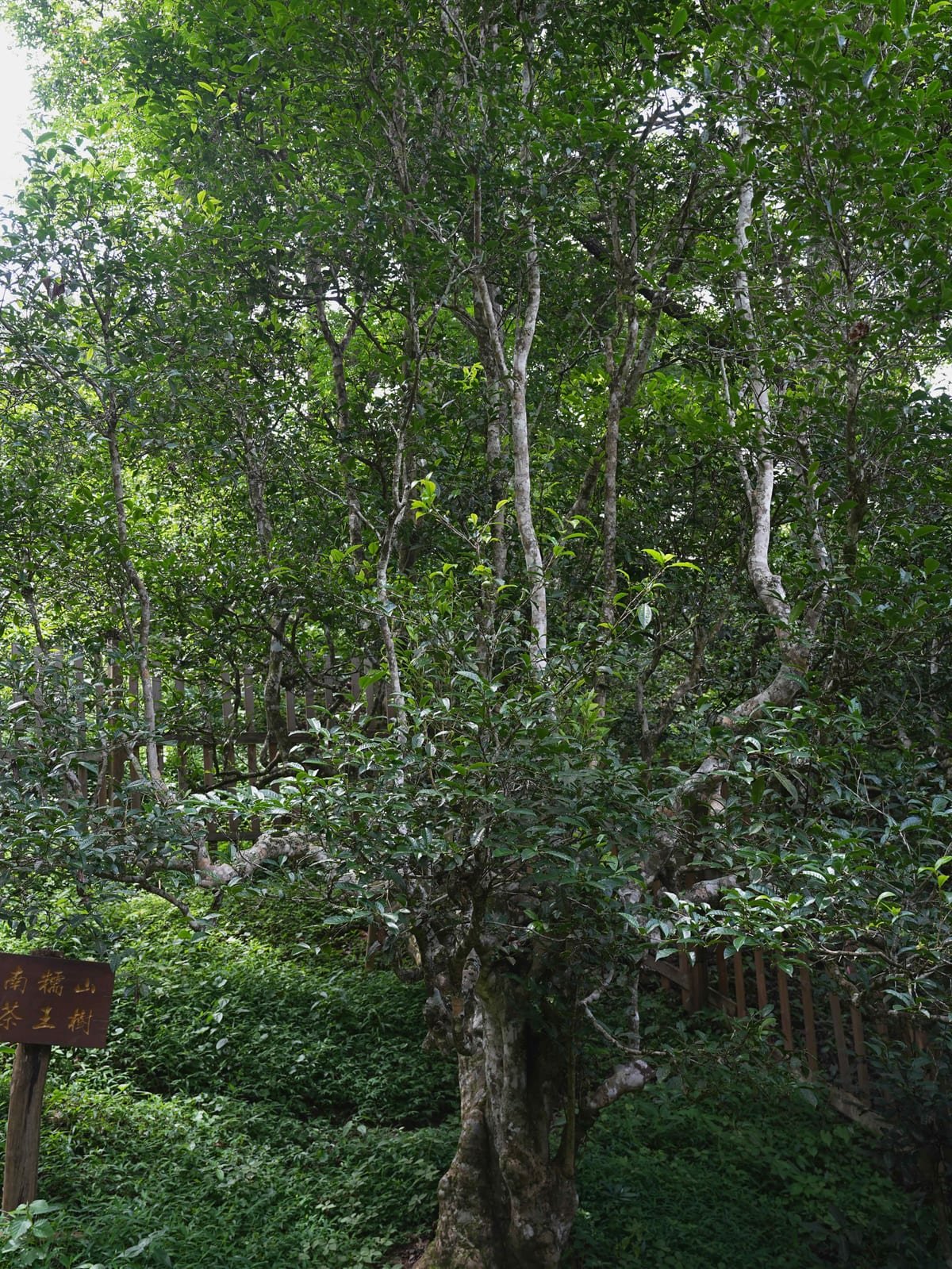
The road runs west through Jinghong and climbs Nannuo Mountain, one of Xishuangbanna's most celebrated tea mountains, about three hours in all. Lunch is at Yexu (野叙森林空间), a forest-view restaurant cooking modern Yunnan food. In the afternoon, a short drive and about 45 minutes on foot take you among trees over 800 years old to the Tea King Tree (茶王树). Then tea with a local Hani farmer among the old trees, leaf and quiet. This is your one night up here, at about 1,500 metres, so stay out on the terrace for sunset over the valley.
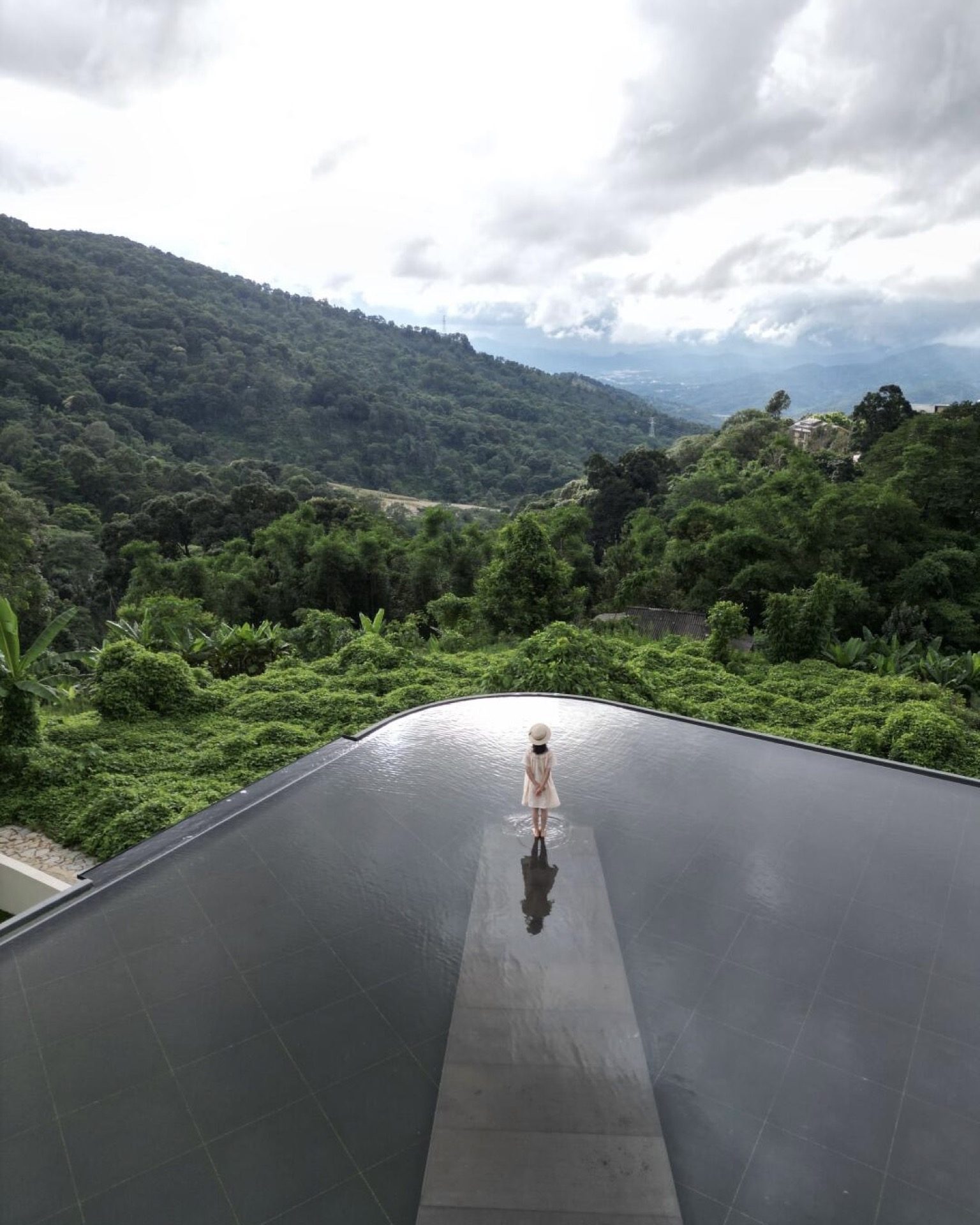
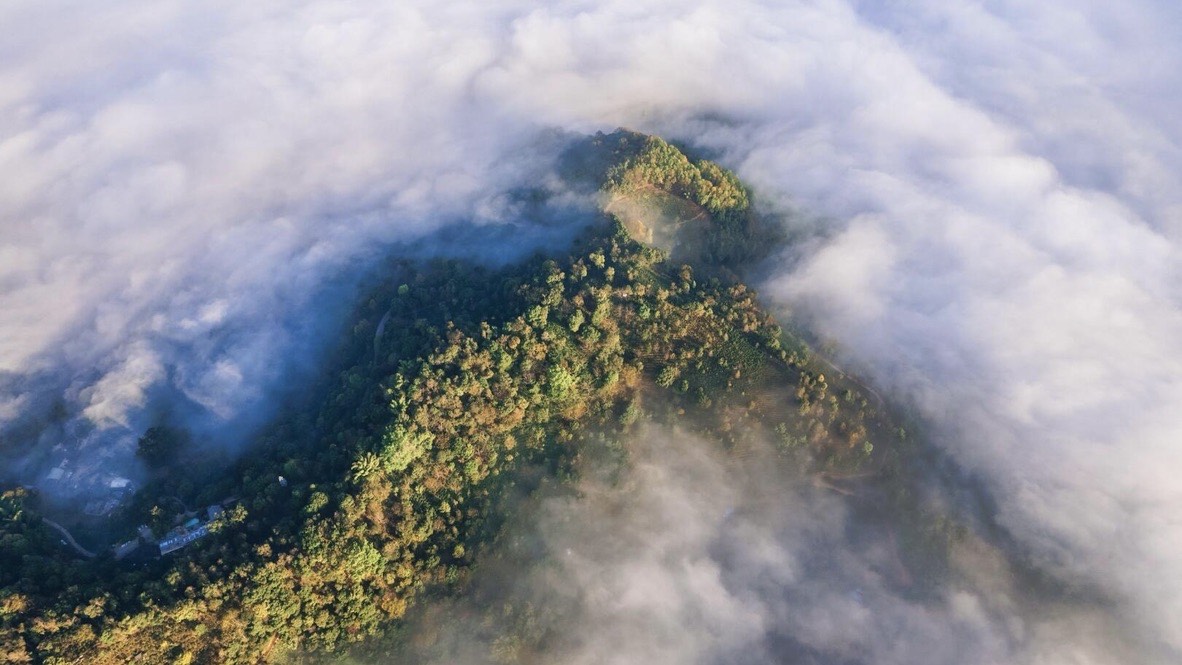
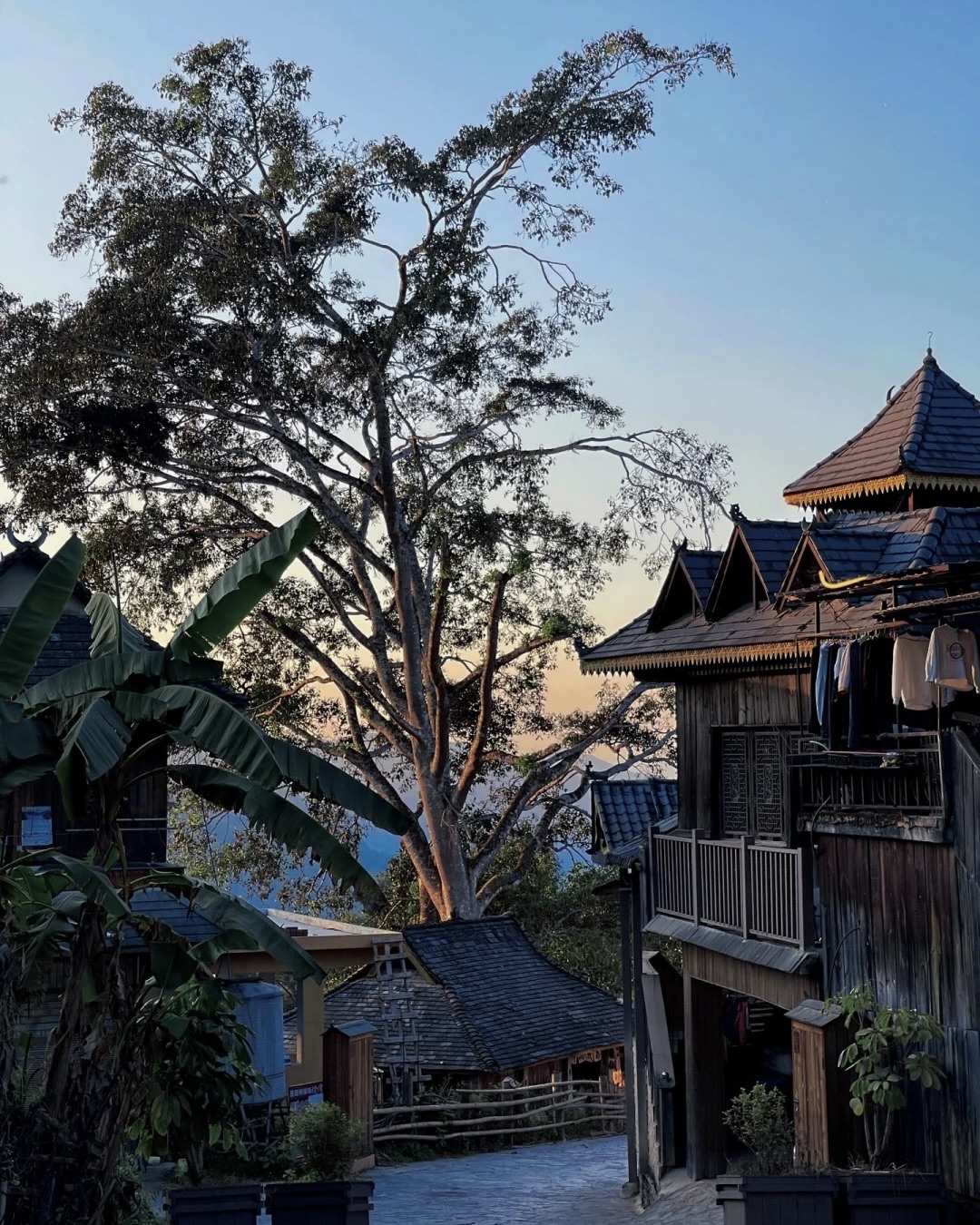
About two hours west through Menghai and up onto Jingmai Mountain, with lunch at Two Trees (两棵树) in Manghong, a local kitchen cooking Bulang and Dai food. The afternoon goes to Wengji (翁基), one of the heritage villages of the UNESCO listing and the best place to start: dark timber houses on stilts under steep shingle roofs, the post at the heart of the village and the old temple at the head of the lane. Nearby stands the Bee-King Tree (蜂王树), its branches hung with wild honeycombs. The field-edge stroll before dinner passes ancient tea trees the size of small oaks, still actively picked. The Blang people have tended these same trees for over 1,000 years.
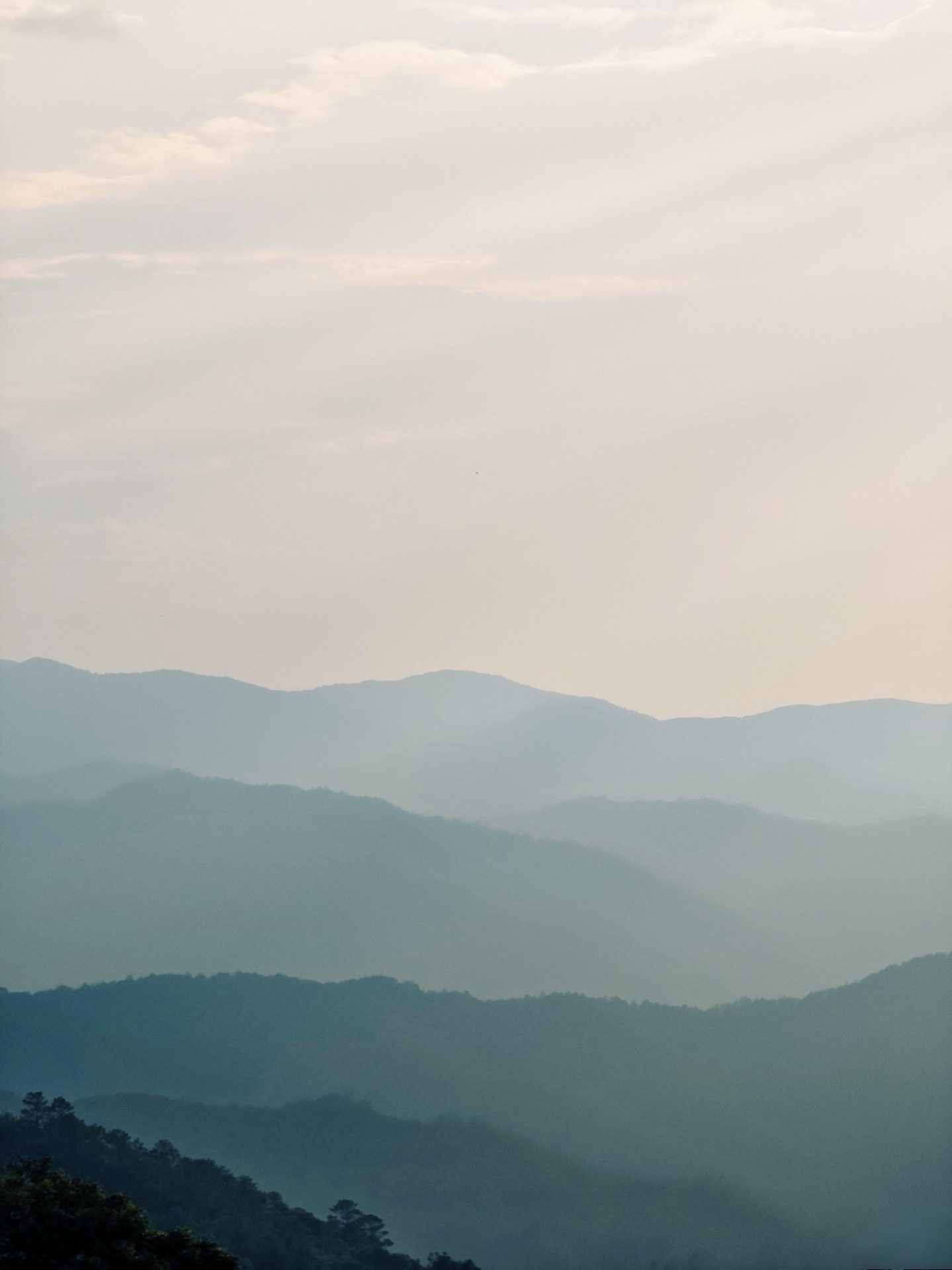
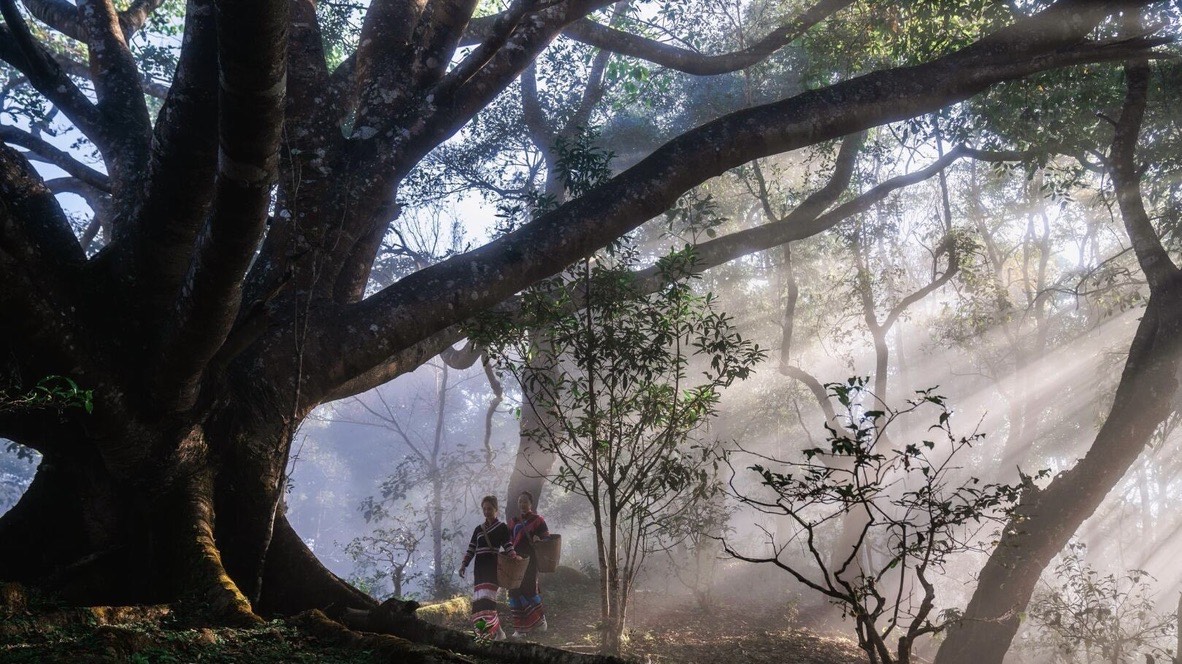
Morning is the Ailengshan walk (哎冷山), about an hour and a half on foot with a local Bulang tea farmer: from the Tea Ancestor Temple (茶祖庙), past the Princess Banyan (公主榕), to the Tea Spirit Platform (茶魂台) and back. The temple honours Pa Ailaeng, who the Blang say first planted tea here, and the farmer tells it as you go. After lunch at Manghong, fifteen minutes down the road from Wengji is the Bulang Princess tea factory (布朗公主茶厂), where withering and hand-pan firing fill the afternoon at the right pace. In the picking months, March to May, you pull the leaf yourself; in winter it runs as a demonstration. Then a comparative tasting with the family: old-tree pu'er from trees over 500 years old set against garden-grown tea. The difference is real, and the grower explains it from experience.
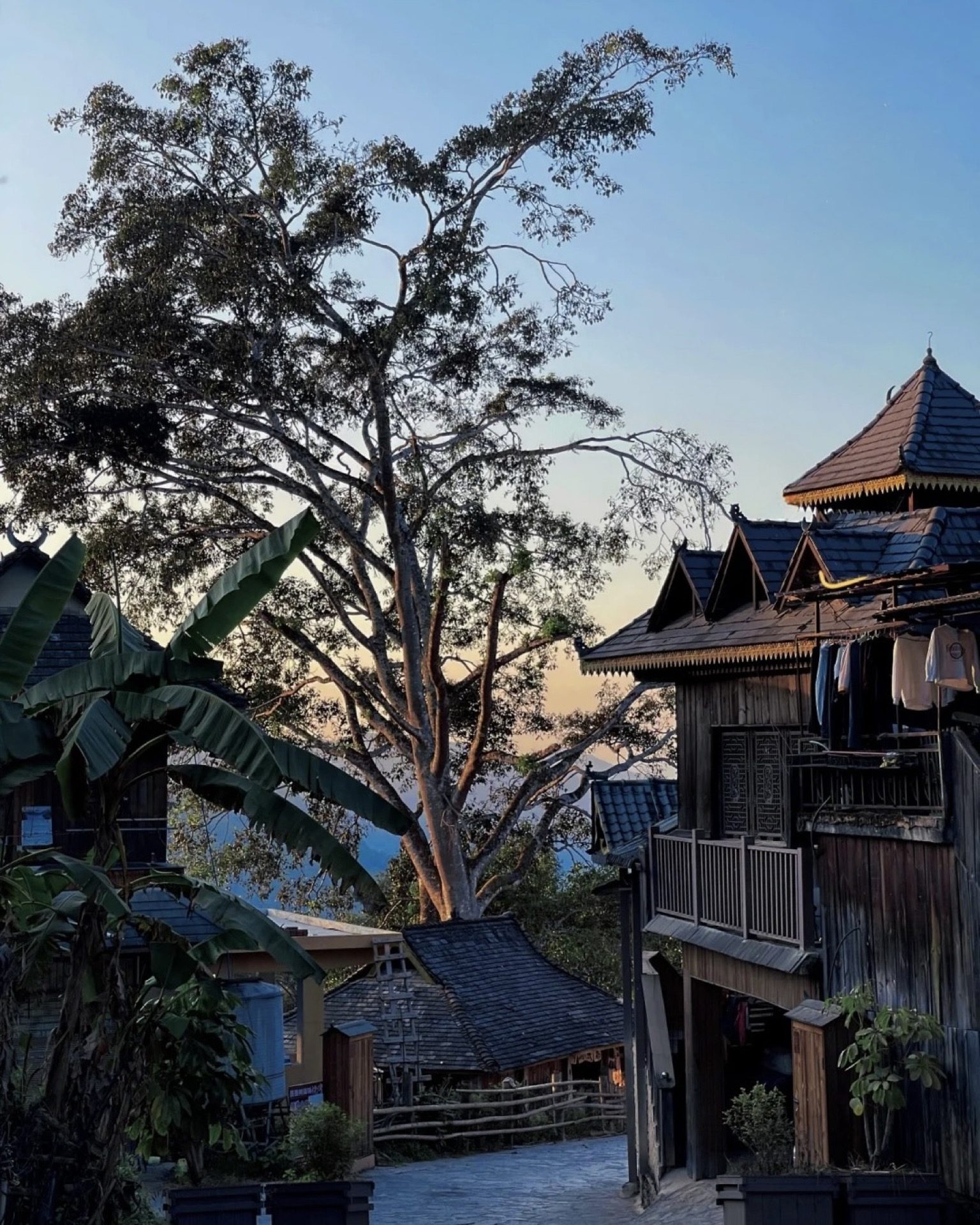
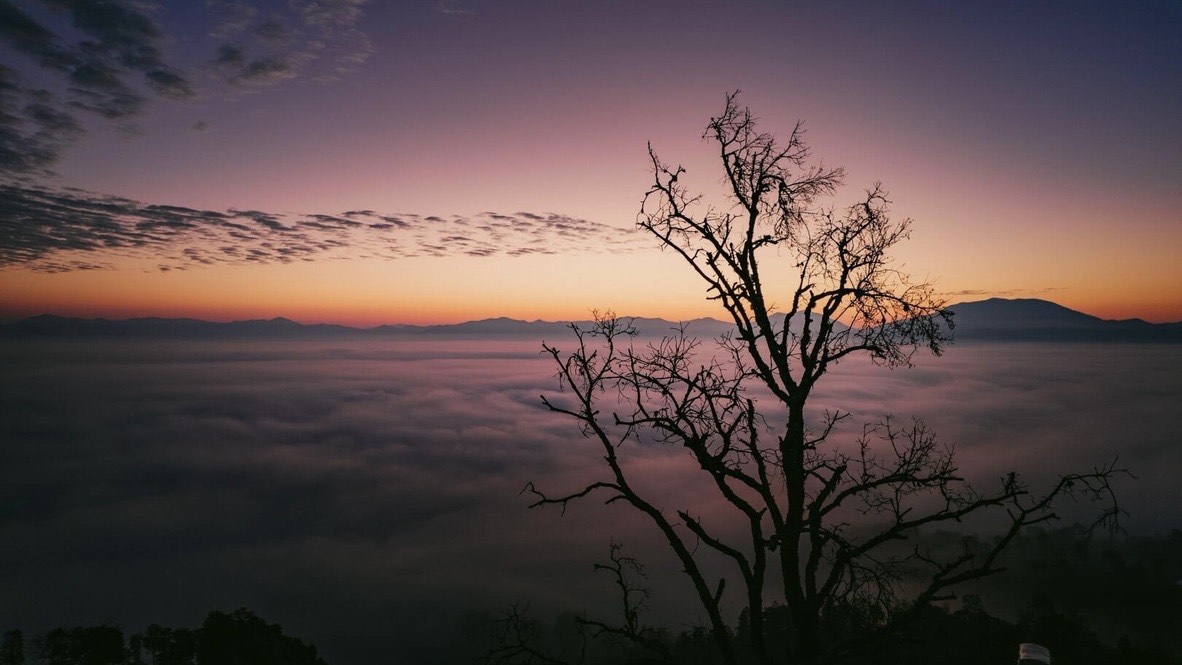
Start in Dapingzhang (大平掌古茶林), the core of the ancient tea forest and about an hour and a half on foot: old tea trees growing in the shade of the forest rather than in cleared rows, which is the farming the World Heritage listing is about. In December and January, winter cherry flowers through them. Then Nuogan (糯干), a Dai village of stilted timber houses: same mountain as Wengji, a different people and a different way of building. Lunch is at a local kitchen in the village. In the afternoon, at Manghong (芒洪), a hands-on stop to press your own tea cake in traditional stone moulds, while younger travellers work through a stamp-book of tea varietals and wildlife. After dinner, walk back into the tea forest. The sounds change completely after dark: frogs in the creek, fireflies in the older groves on warm-season nights, and skies dark enough to count satellites.
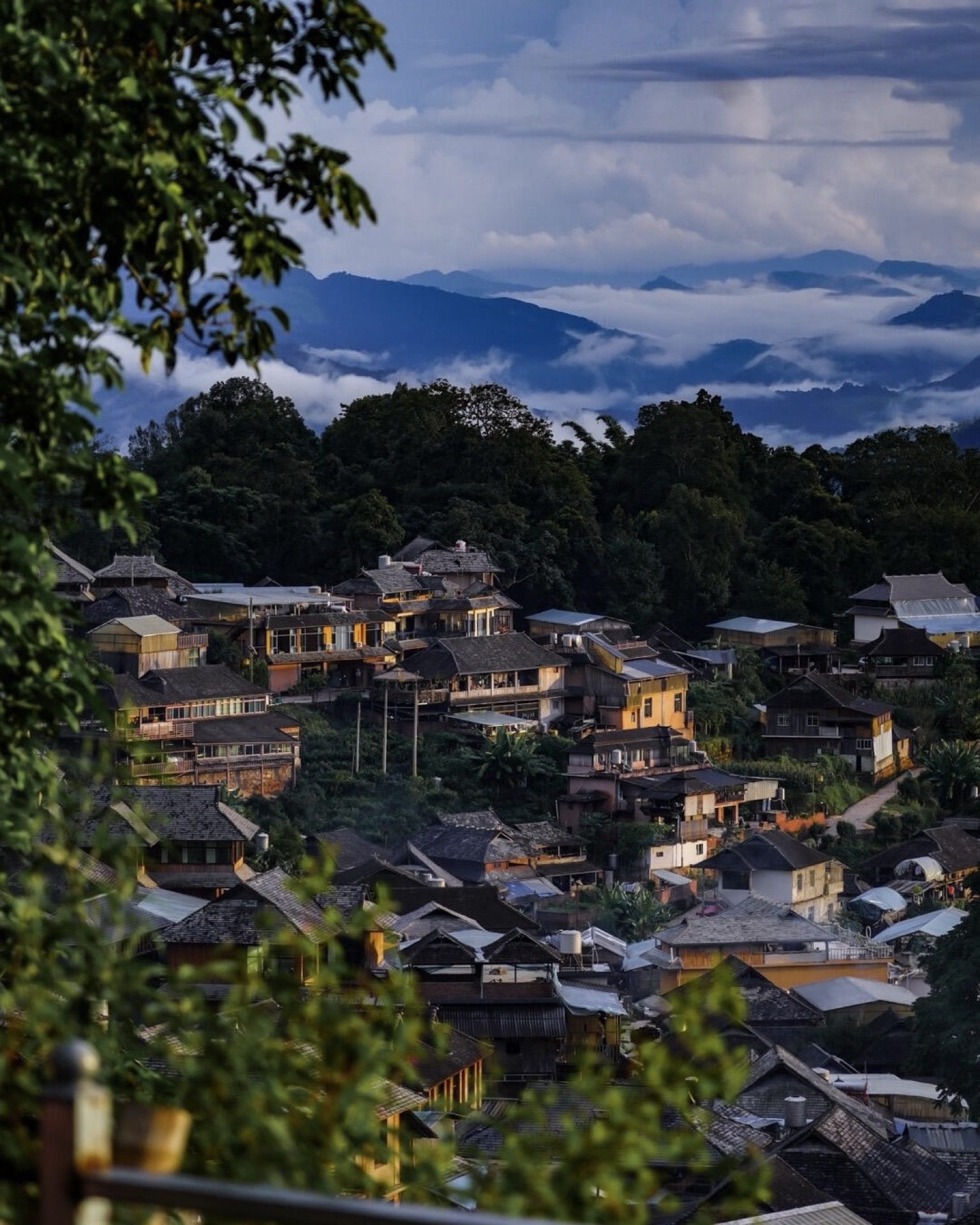
The last Jingmai morning is deliberately slow: an early wander through Mangjing's lanes, or quiet tea meditation on the lodge terrace while the mountain wakes. Then about three and a half hours back down to Xishuangbanna, stopping at Manduan Temple (曼短佛寺) and a roadside tea stall on the way. The Jinghong afternoon is yours to shape: local temples, the Manting Royal Garden, or a final riverfront pool session.
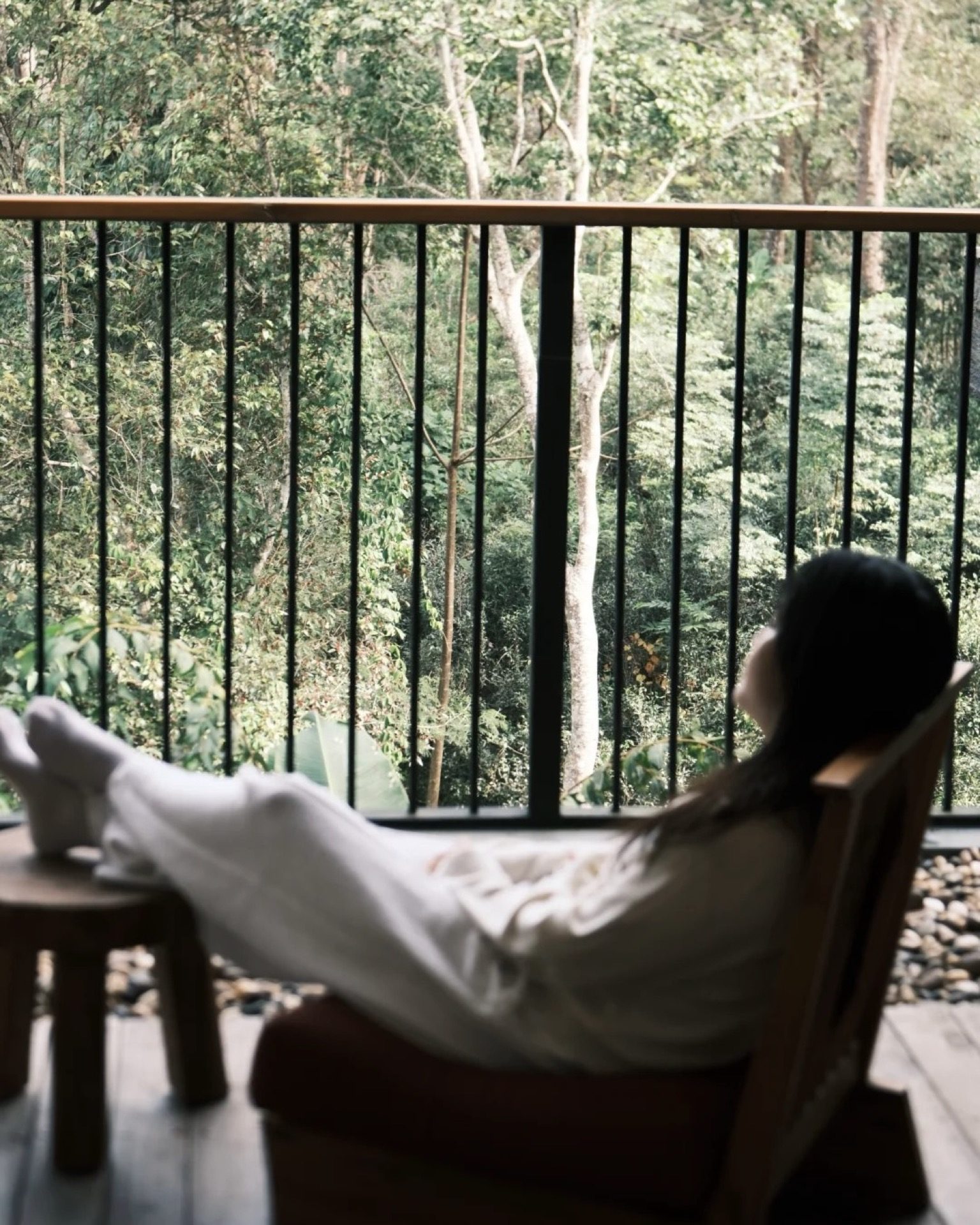
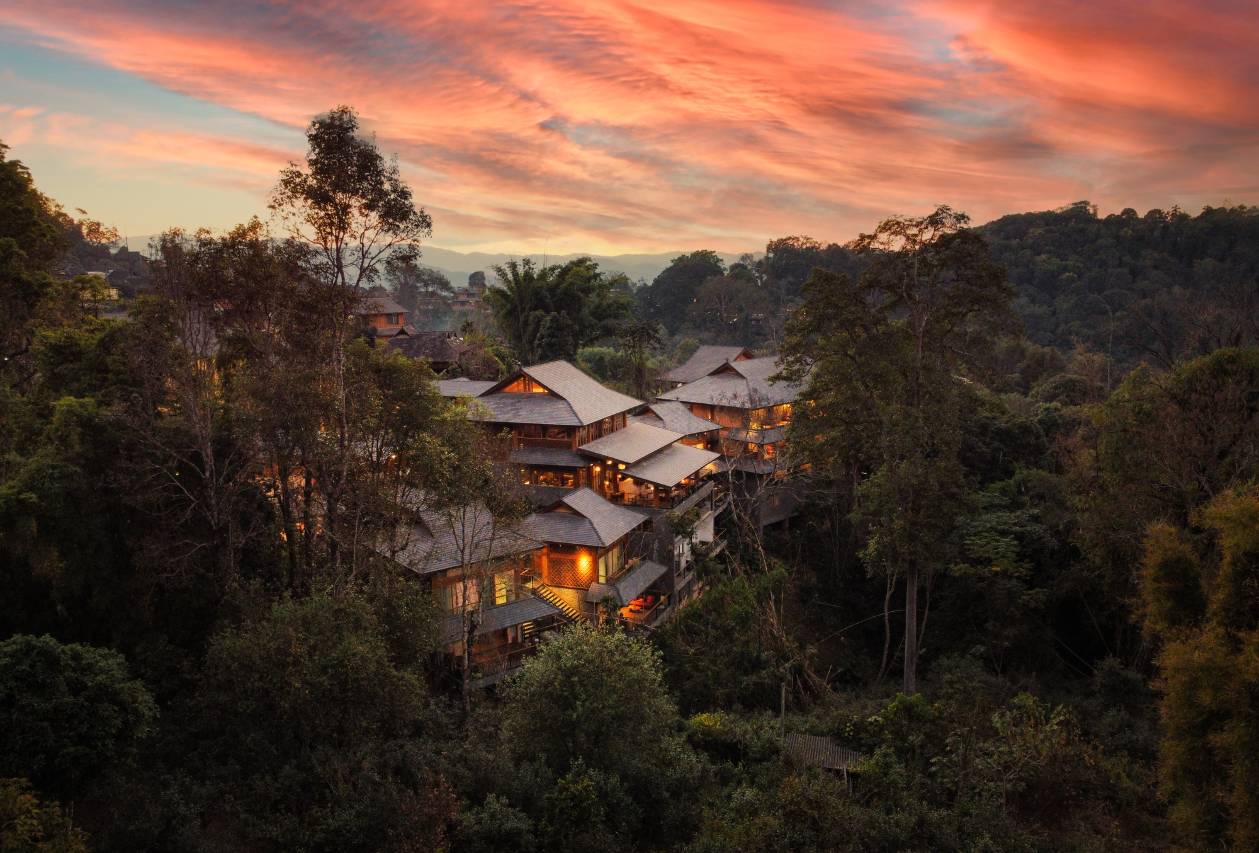
A family rainforest resort at Menglun, a tea-forest lodge on Nannuo, then a jungle wellness retreat and a spa hotel deep in the Jingmai UNESCO landscape.
A rainforest-edge resort at Menglun, beside the botanical garden and built for family pace: pool and river. Your first three nights.
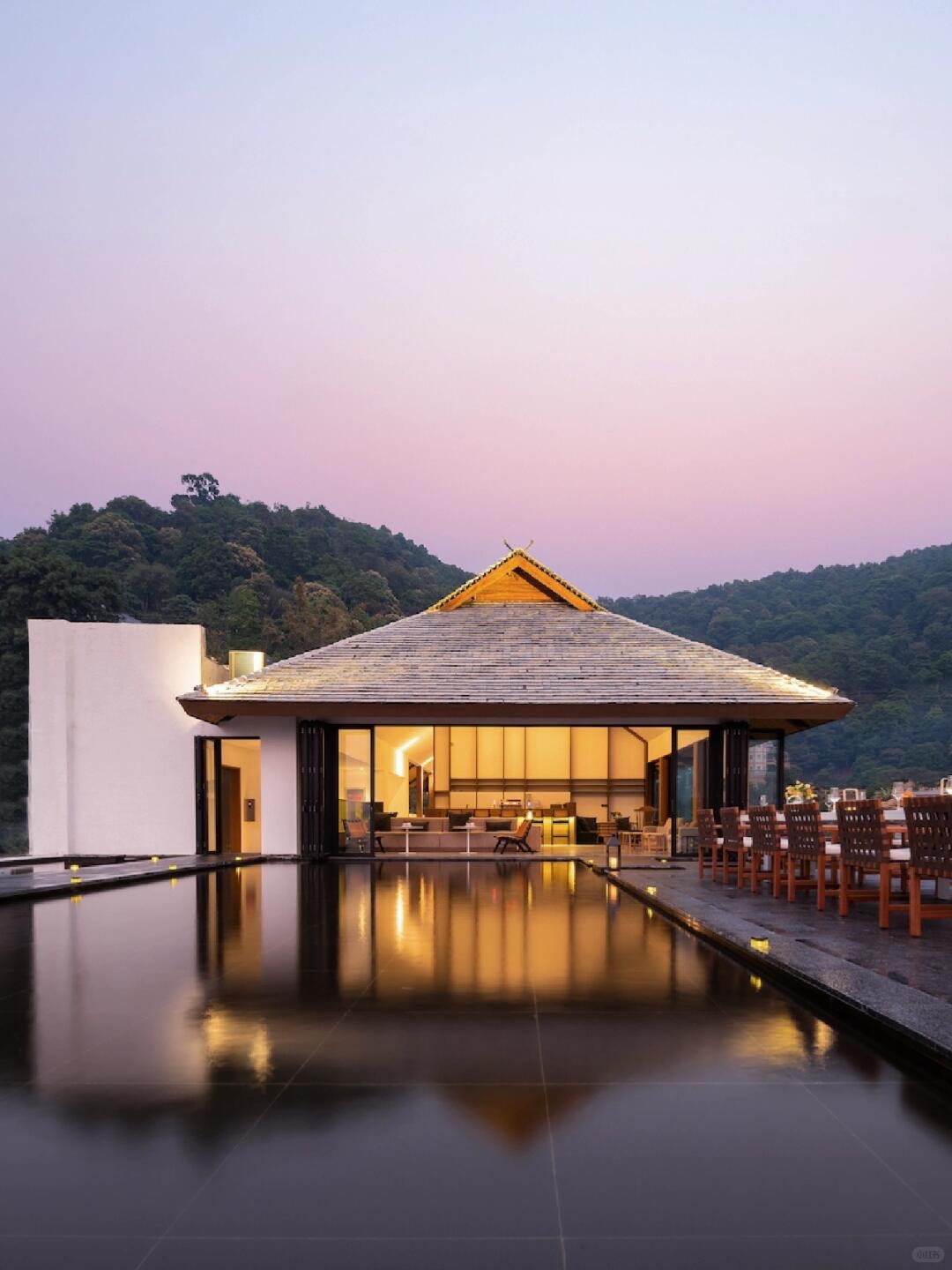
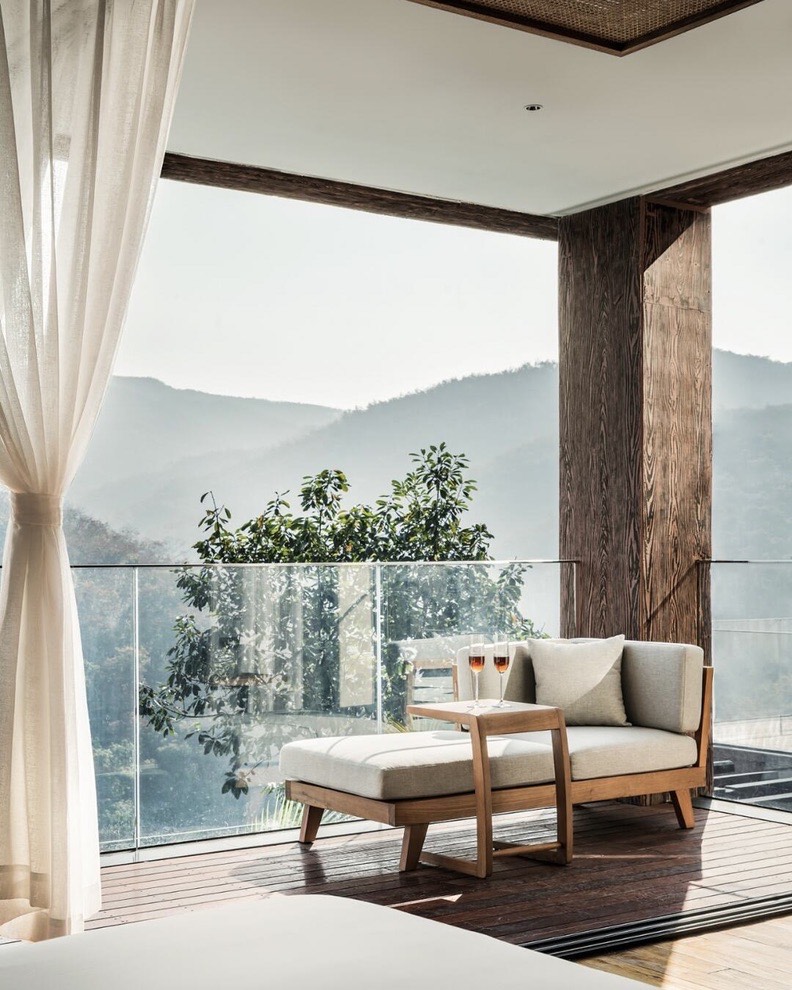
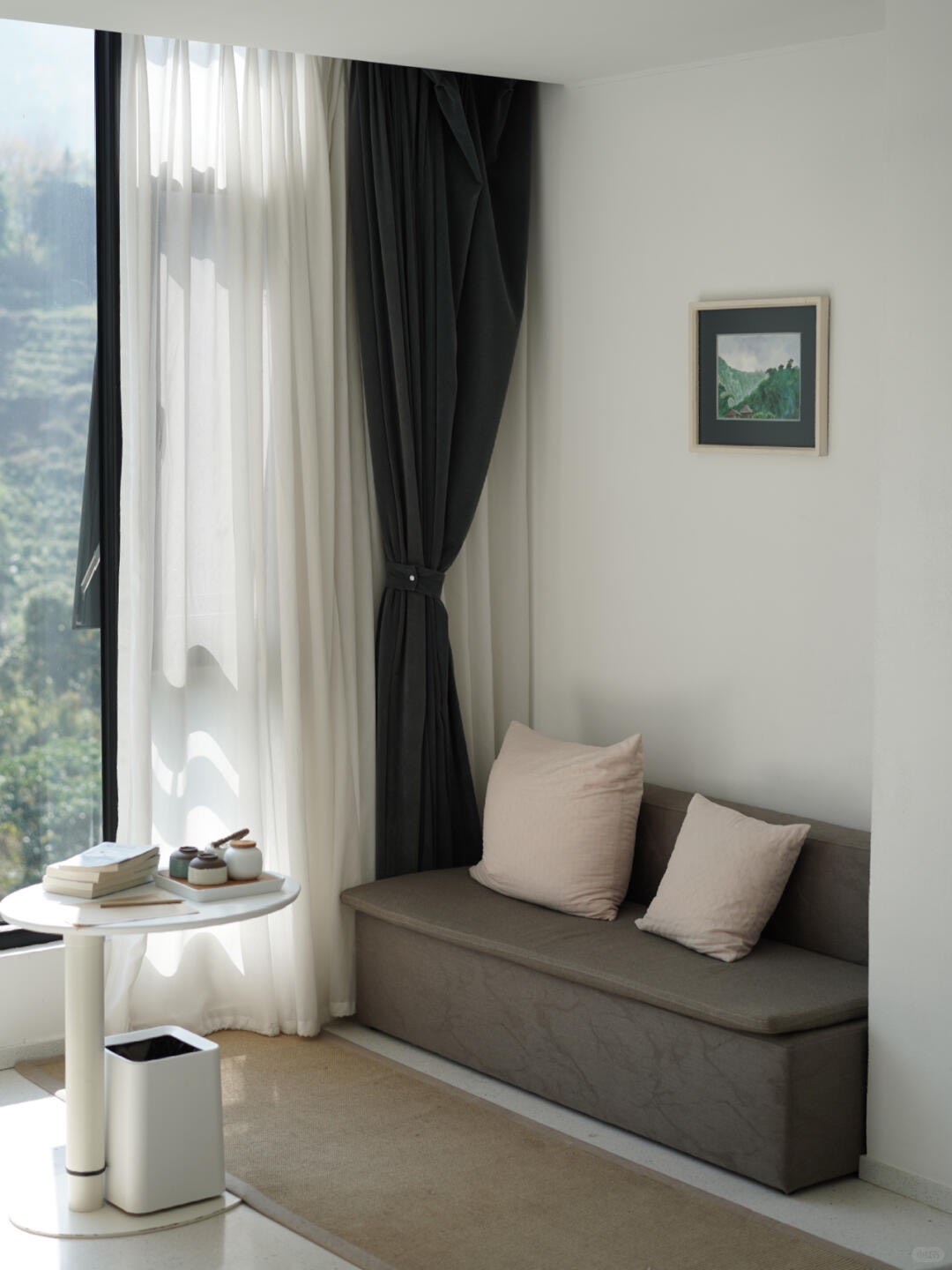
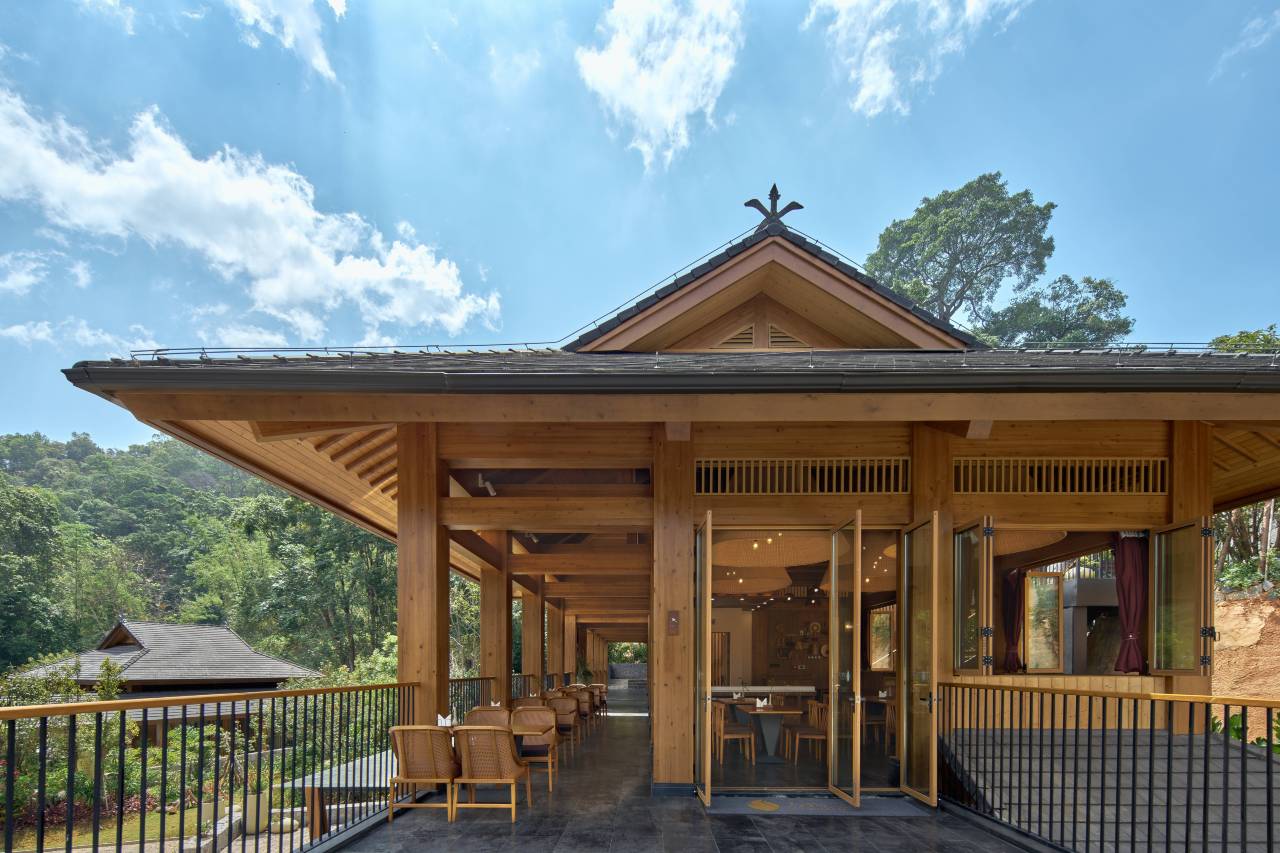
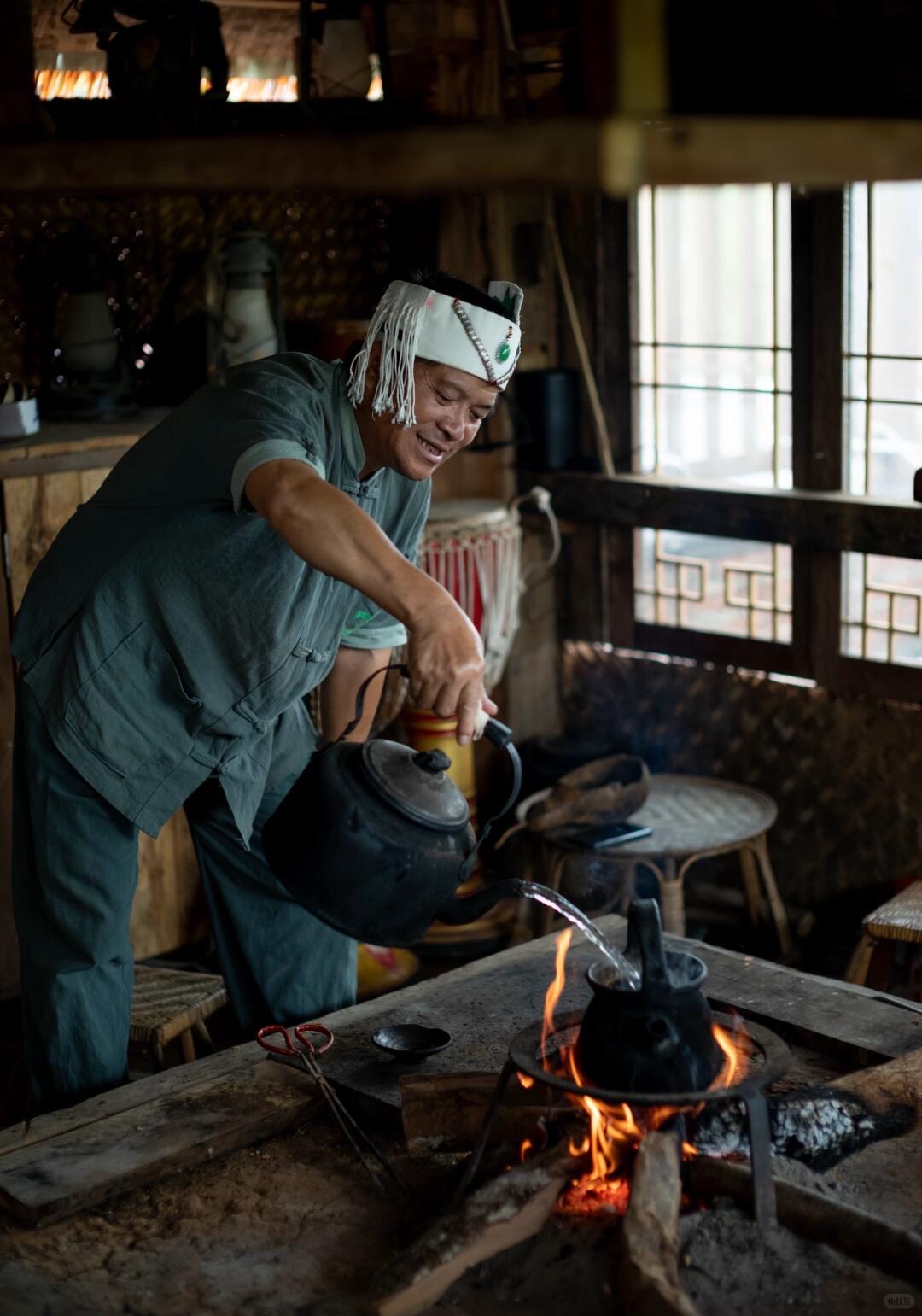
A tea-forest lodge in the Aini hills above Xishuangbanna — owner-led, barefoot and private. One night on Nannuo.
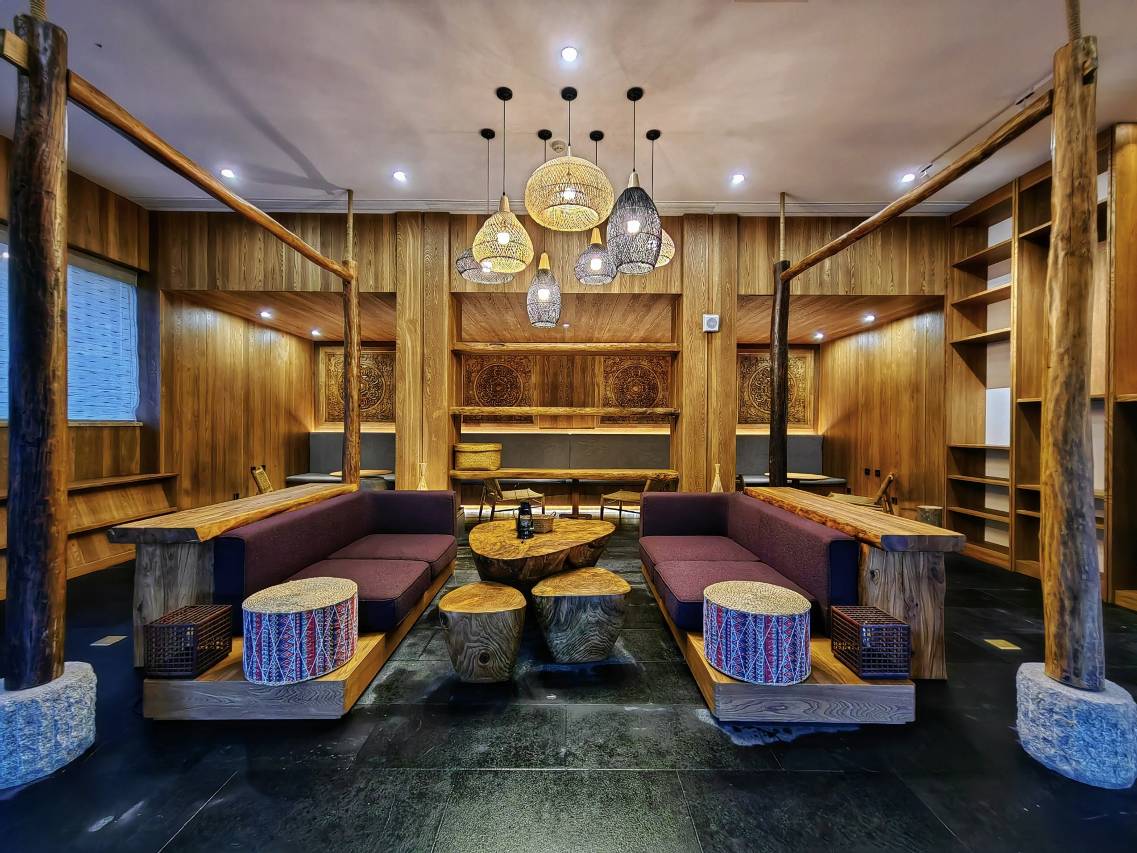
A wellness retreat in the rainforest with serious yoga, sound-bath and vipassana practice.
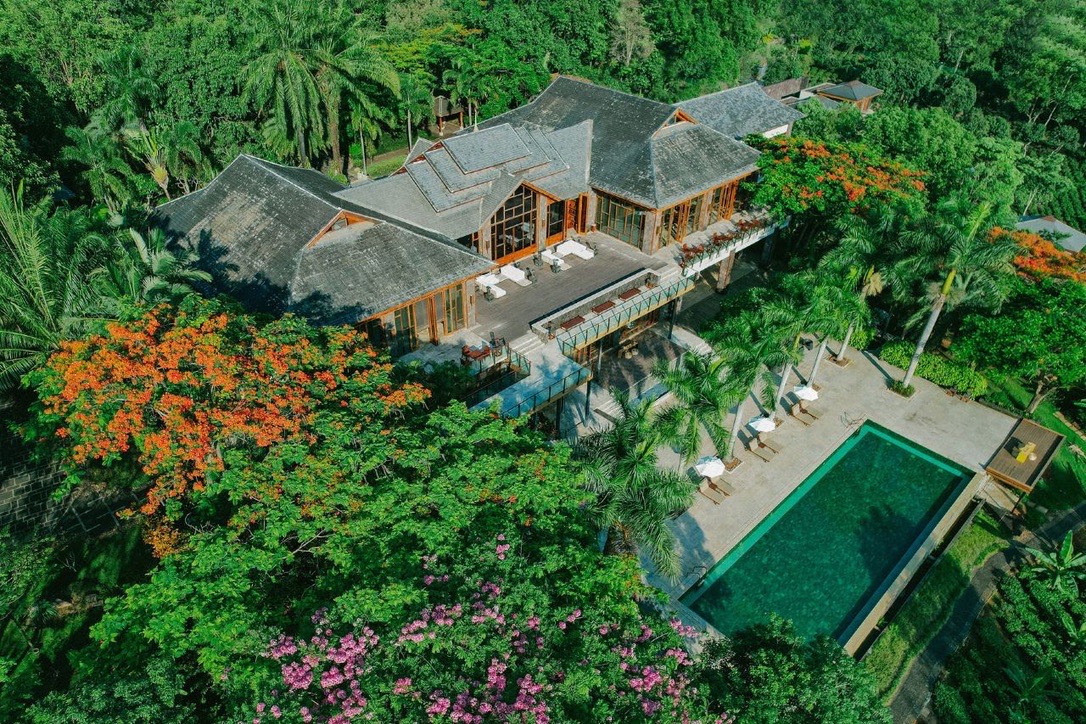
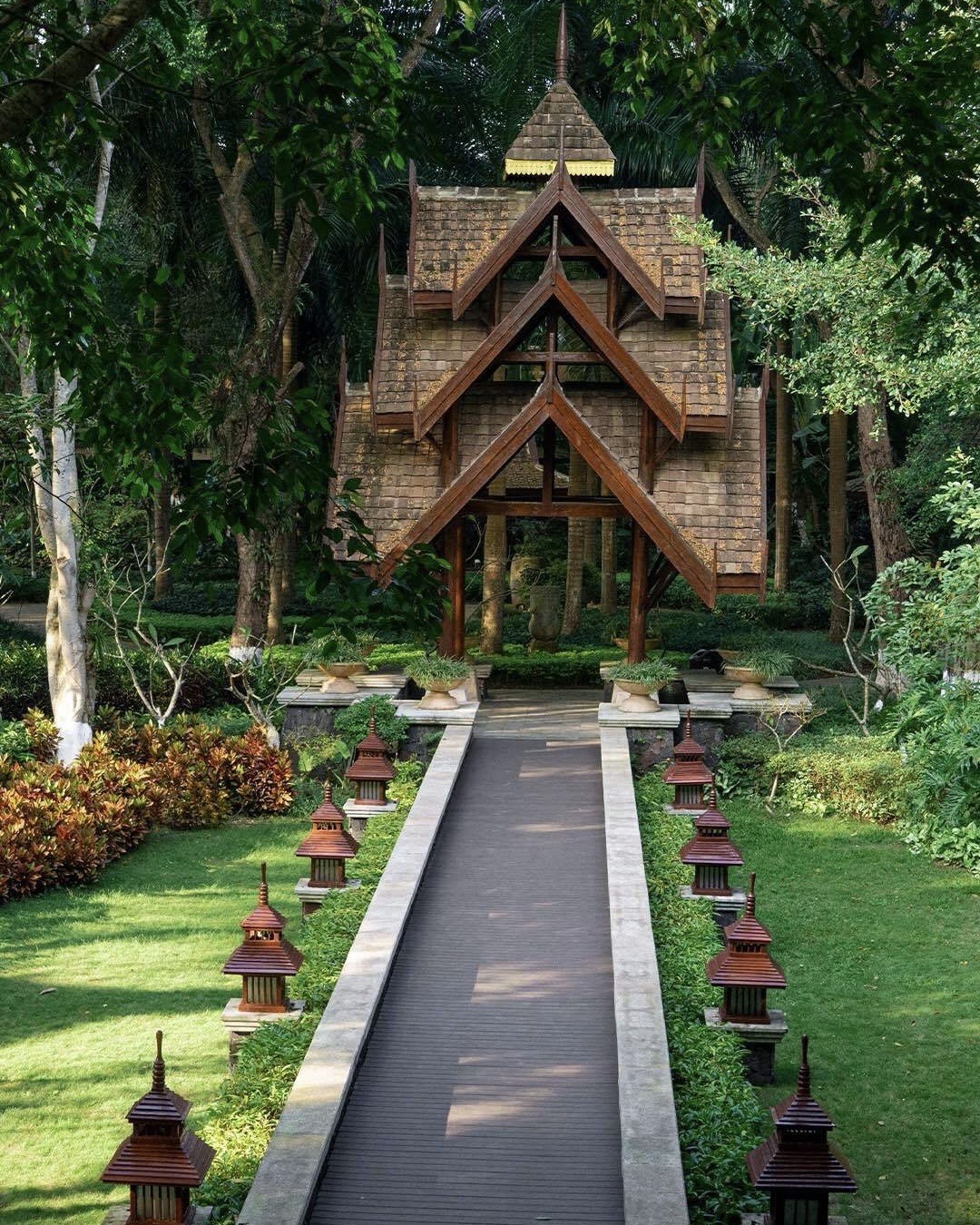
An ancient-tea-forest spa hotel deep in the Jingmai Mountain UNESCO landscape.
These are examples of the boutique stays we book across the route. Because boutique hotels have so few rooms, a stay may occasionally be swapped for one of similar standard.
Yes, it is one of our most family-friendly routes. The Botanical Garden and the Wangtianshu canopy walkway are a genuine highlight for children, and the ground trail is an easy alternative for the very young. The Jingmai tea landscape is educational without being dry. Xishuangbanna's tropical wildlife and Dai culture are accessible and visually engaging. We adapt the pace and activities to the youngest member of your group.
Three nights at Anantara Xishuangbanna in Menglun, beside the Botanical Garden, so the garden, Manzha Market and Wangtianshu are all an easy day from the same bed. Then one night at Jianglu on Nannuo Mountain, among the ancient tea trees, before you cross to Jingmai.
Jingmai is a 2,800-hectare ancient tea landscape on Yunnan's Myanmar border, inscribed by UNESCO in 2023 for its 1,000-year-old cultivated tea forest and living Blang and Dai cultural practices. It is one of the few places in the world where you can walk among trees that were planted before the Norman Conquest.
November to March is the dry season — warm, sunny, and ideal for outdoor activities. The Water Splashing Festival (Dai New Year) in mid-April is a spectacular cultural event but brings large crowds. Avoid June–September when rain is frequent.
Every day, stay and date tailored to you — shaped over a call with someone who has walked the route, never a template.
Tell us your dates and what moves you. We reply within one business day, then shape a proposal — no obligation, never a templated package.
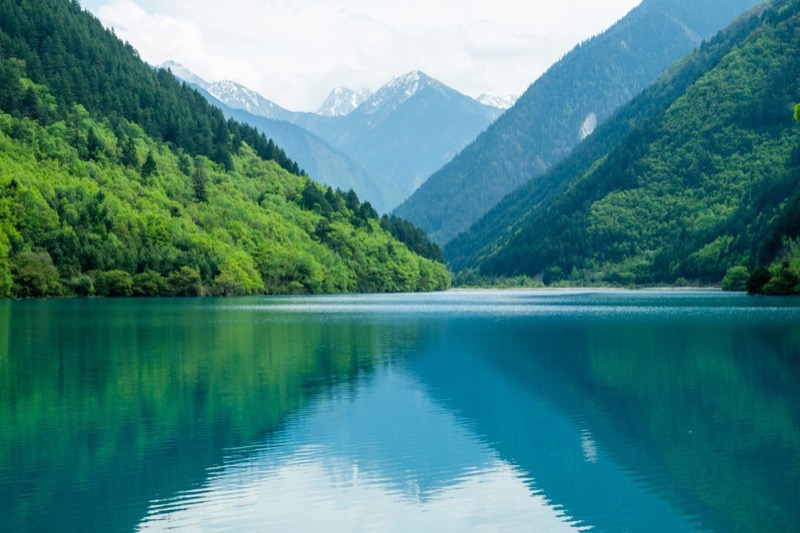
Giant Pandas at the Chengdu Research Base, then three days in the alpine lakes of Siguniang or Jiuzhai Valley. City culture first, mountain silence after.
See the itinerary →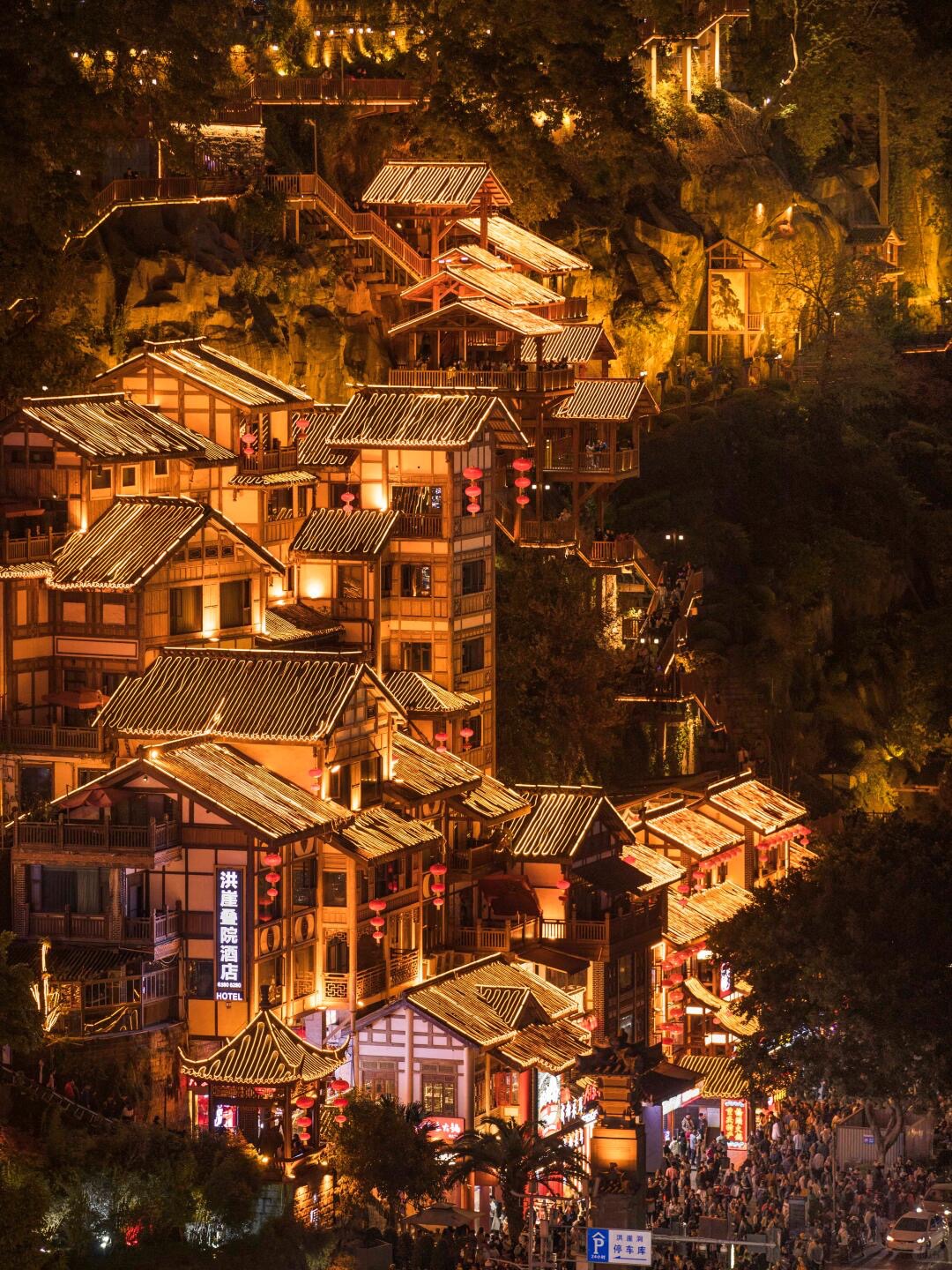
A 5–6 day private tour weighted toward Chongqing — neon river cities, UNESCO Wulong Karst, the Longji (Dragon's Backbone) ridge hike above the Yangtze, and two different tables of Sichuan heat. Bookended with a soft Chengdu landing.
See the itinerary →
Fifteen days that pair China's great icons with its wildlife and wild landscape — the Forbidden City and the quiet Great Wall at Jinshanling, the Terracotta Army, a working day with the giant pandas outside Chengdu, three days among Zhangjiajie's sandstone pillars, and Shanghai to finish. Private throughout.
See the itinerary →