Chengdu
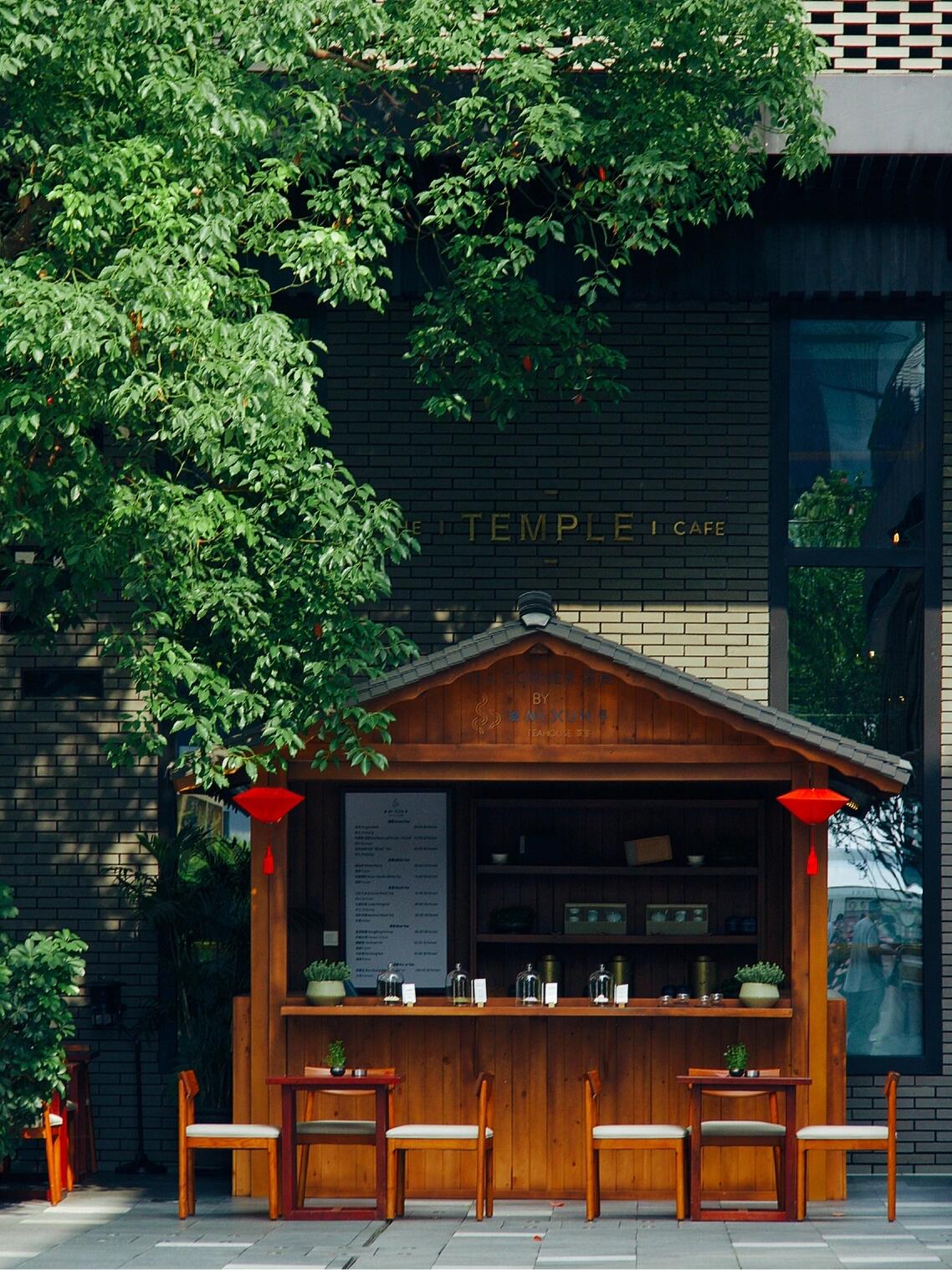
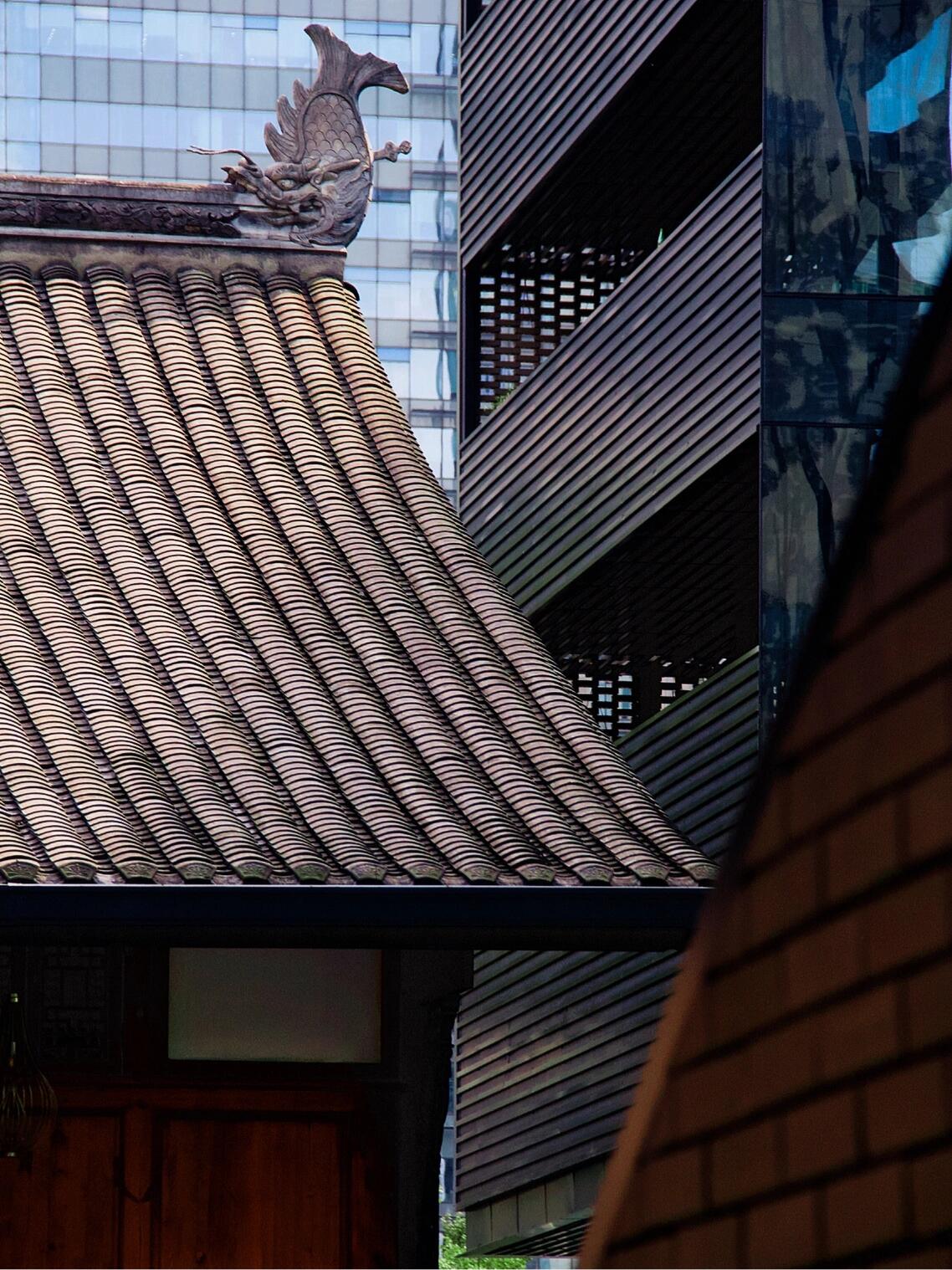
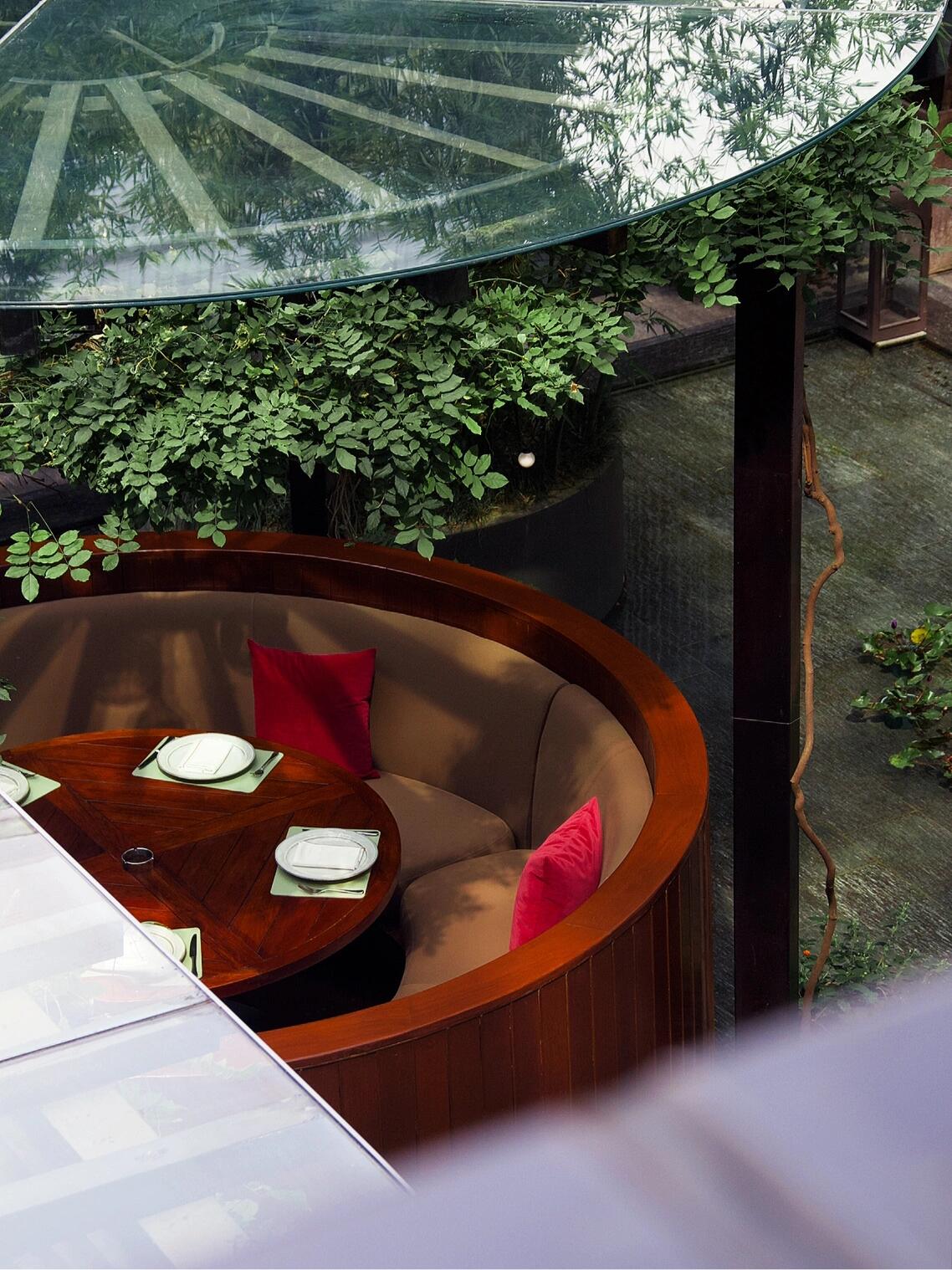
A courtyard hotel woven into a restored Qing compound beside Daci Temple, with the lanes, the shops and dinner all on foot. Six nights.

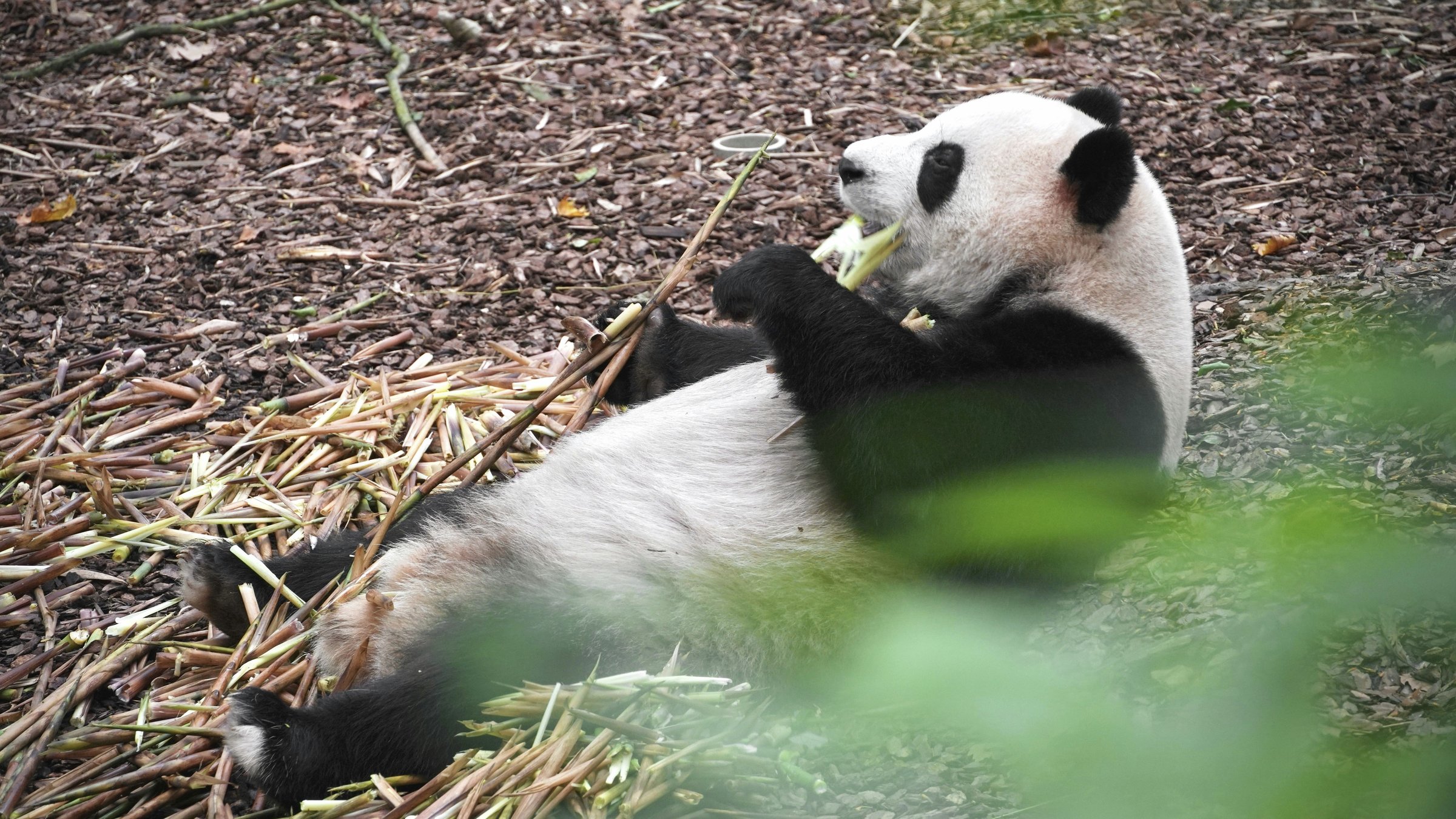
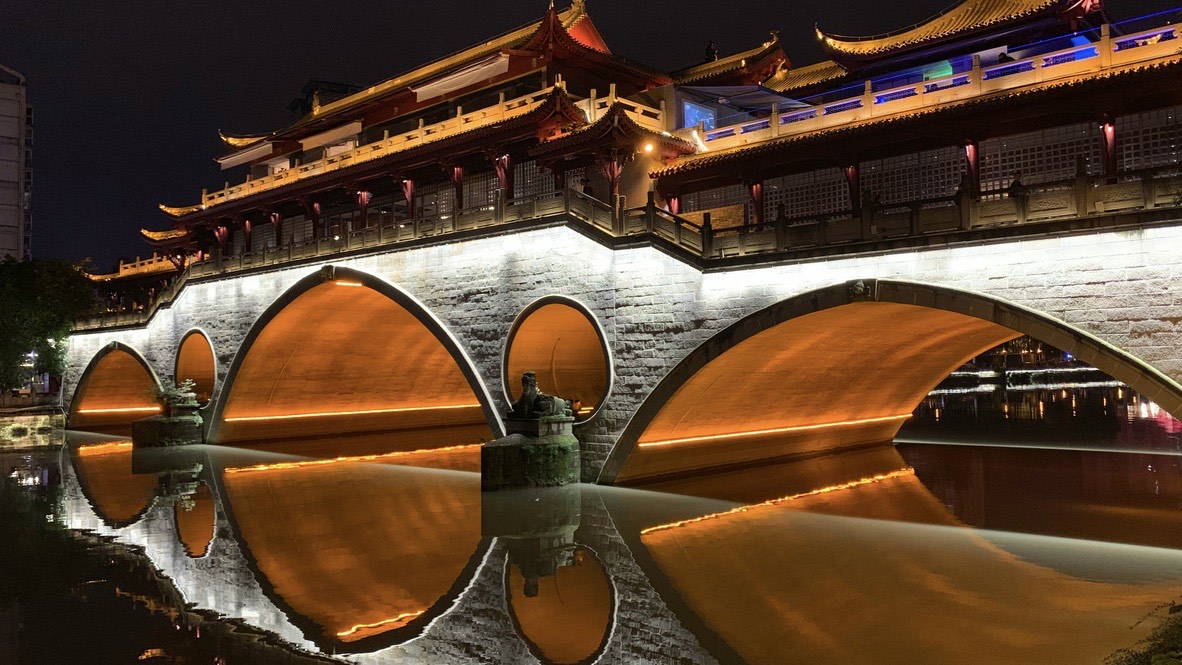
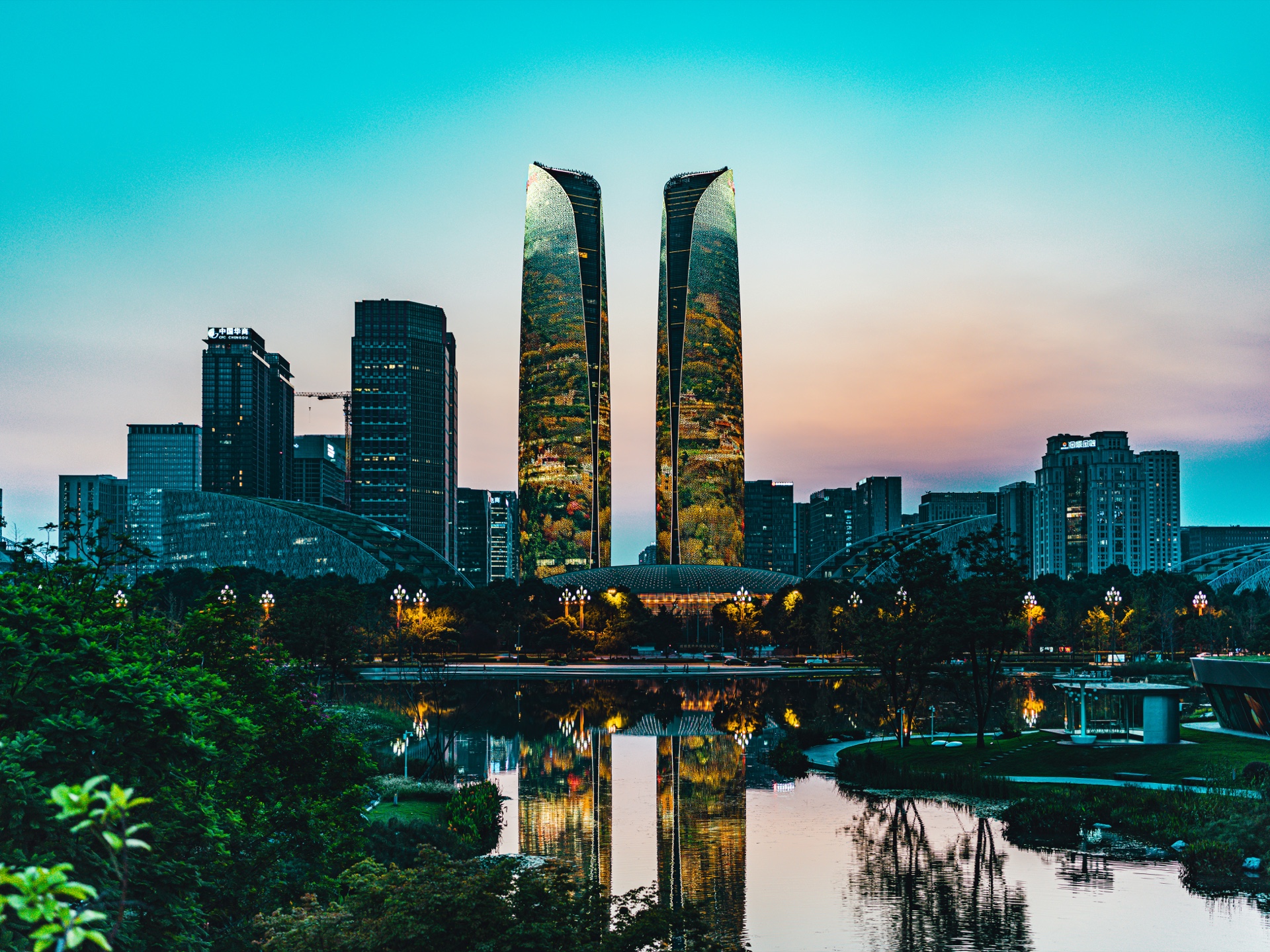
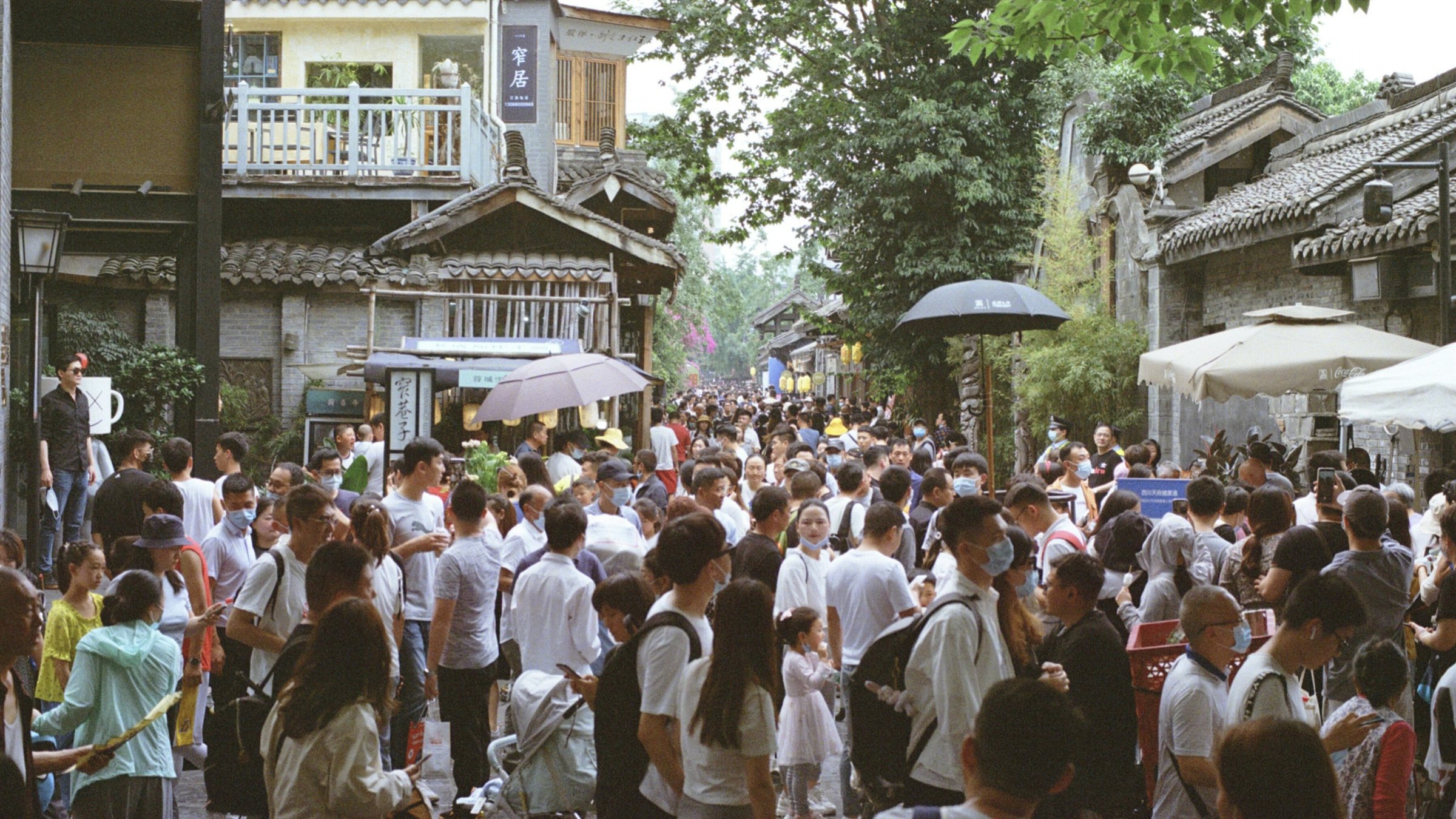
Your driver meets you at the airport, about an hour from Tianfu to the centre. Nothing is booked for today. In the evening, walk Kuanzhai Alley (宽窄巷子), three parallel lanes of the old quarter where Qing-dynasty bannermen lived, now teahouses and snack stalls, and let the children choose dinner by pointing. If legs allow, finish at Anshun Bridge, lit up over the Jin River.
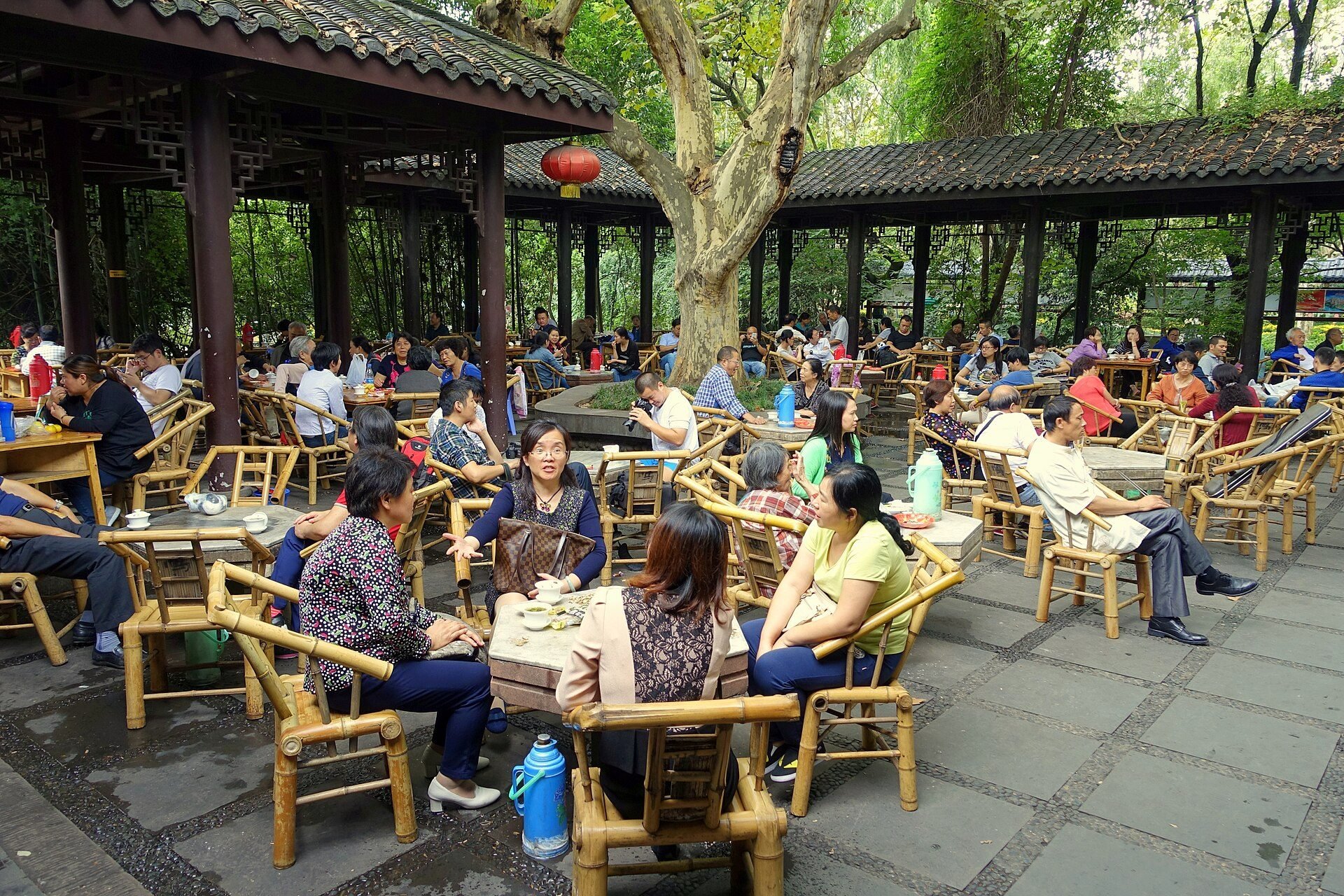
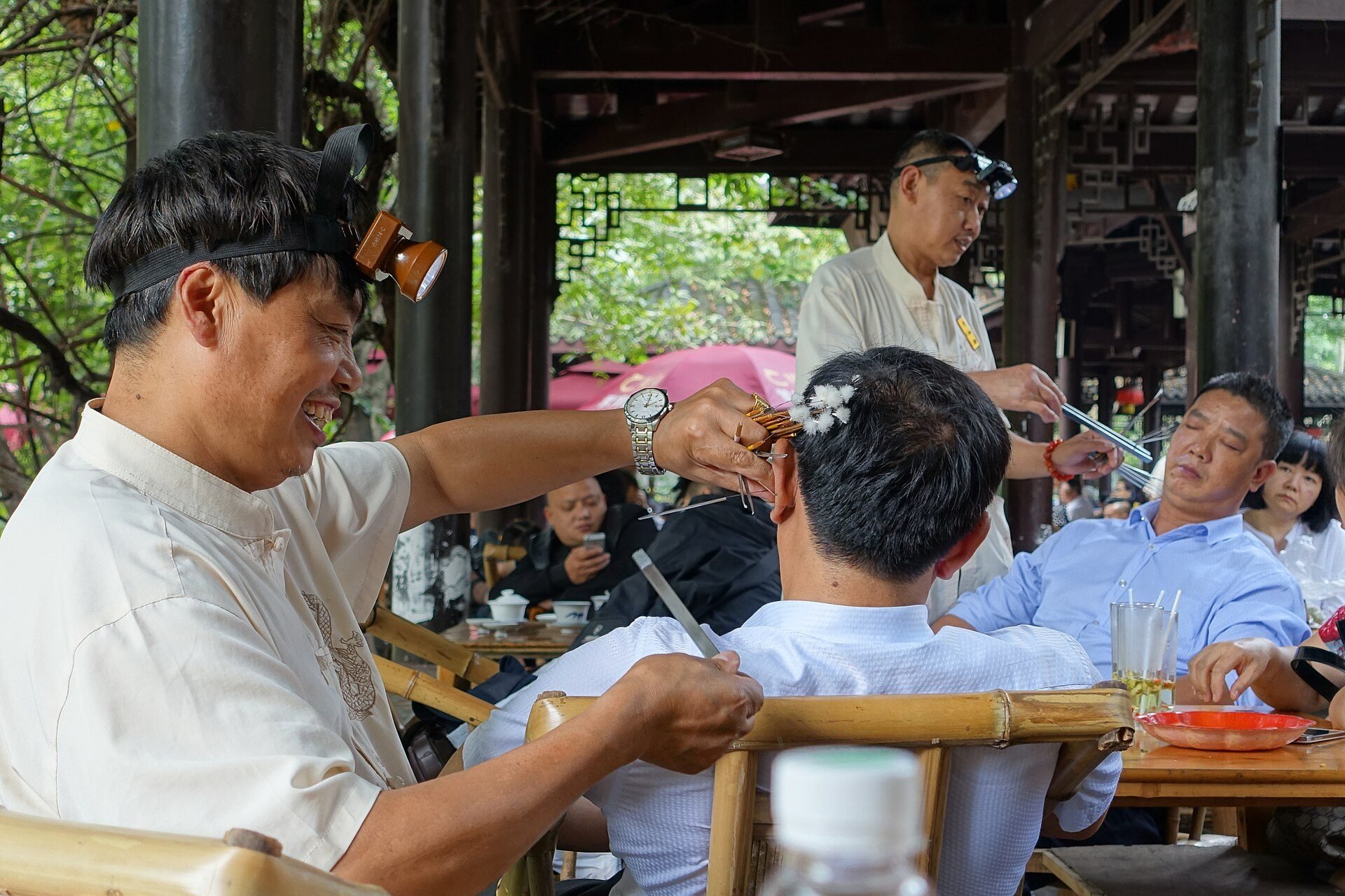
Start where Chengdu starts its day: People's Park. The park is free, and so is the show. At the open-air Heming Teahouse you pay only for the tea, lidded cups of jasmine in bamboo chairs, with grandparents at mahjong beside you and the ear-cleaners walking between the tables with their tuning forks. Brave children usually volunteer. In the afternoon, Chilli Cool (辣椒酷) runs a half-day dan dan noodle class: a walk through a local spice market to taste green and red Sichuan peppercorn, then a courtyard kitchen where everyone makes their own bowl. It takes about three hours, much of it on your feet.
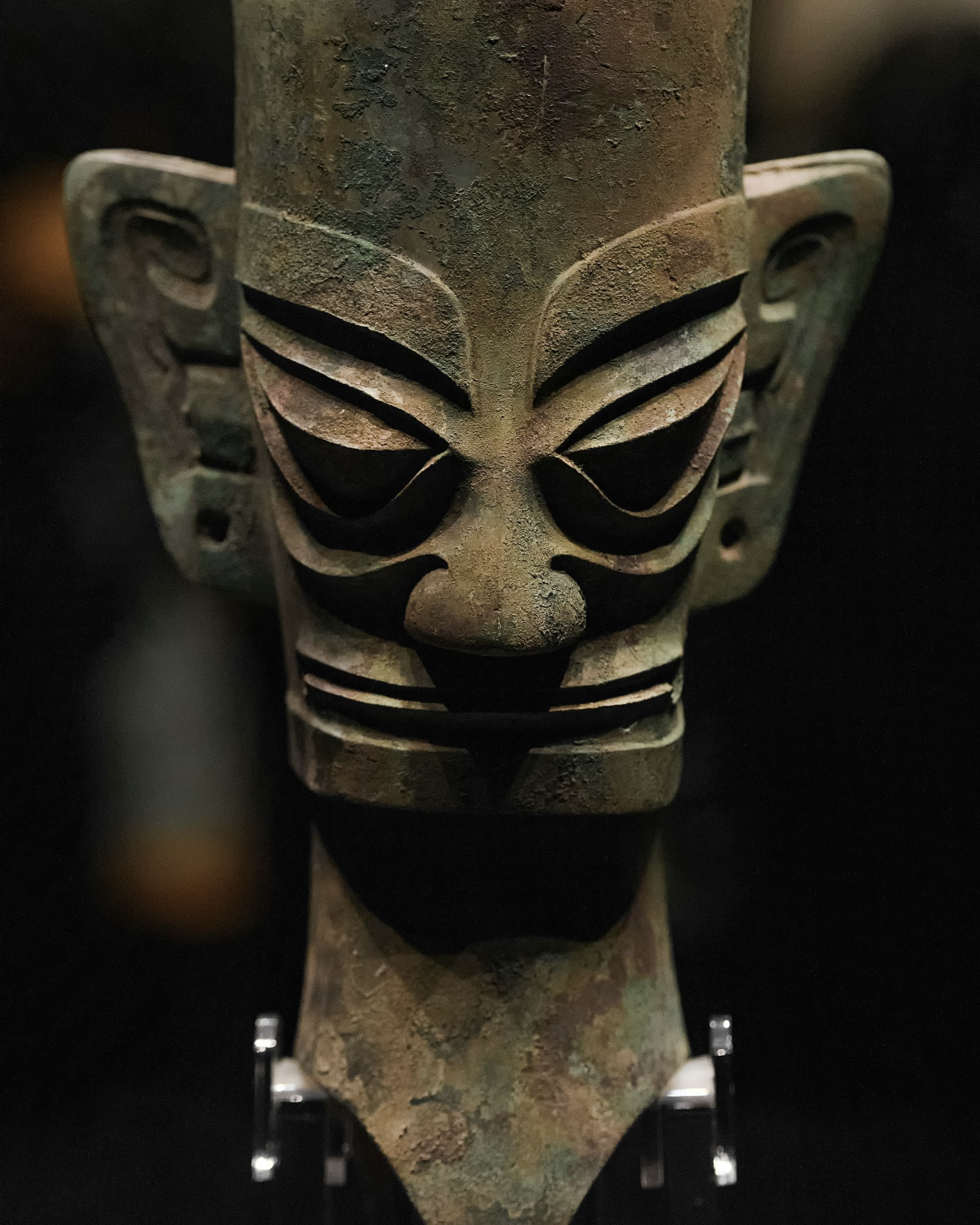
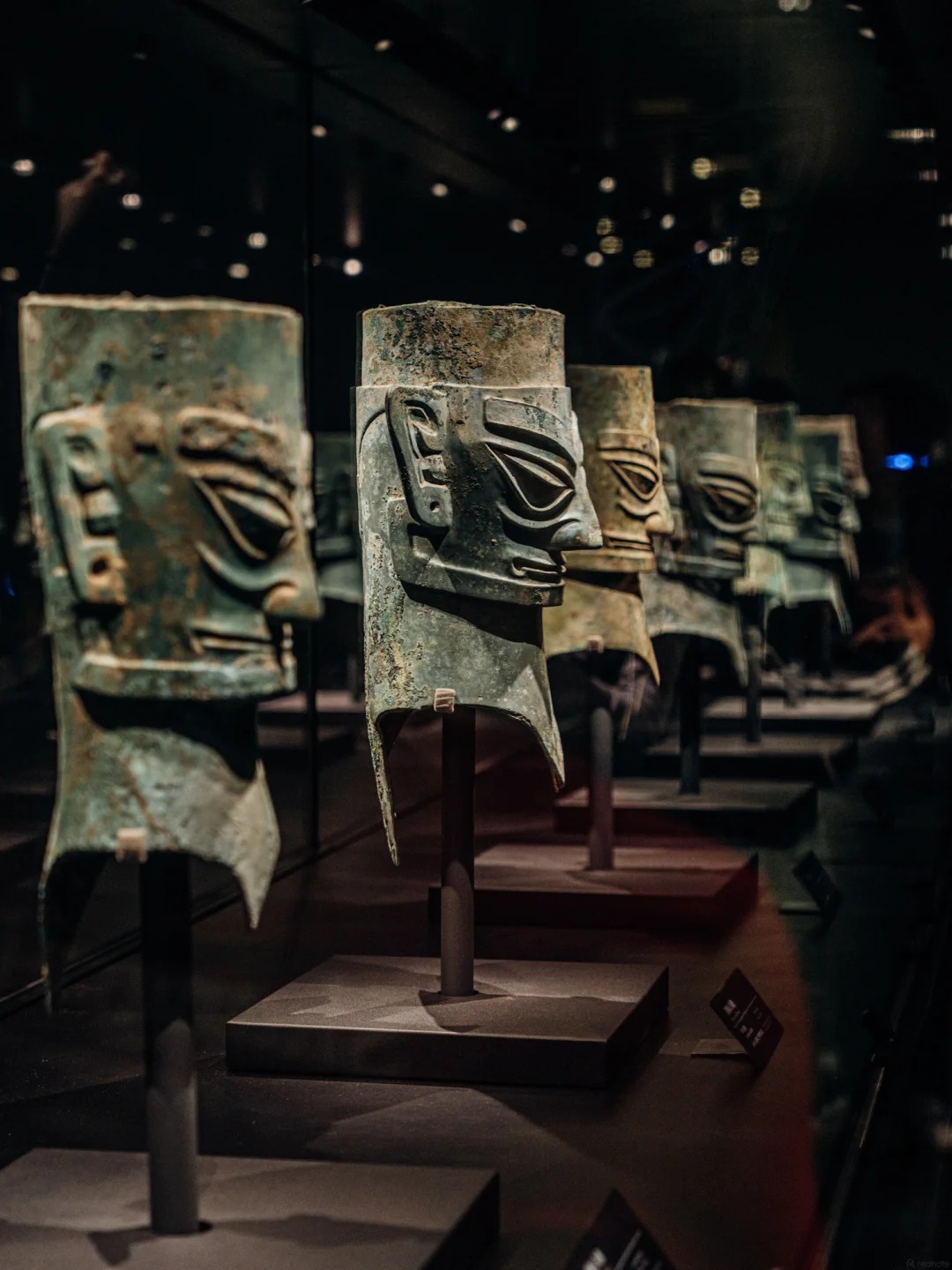
About an hour north, the Sanxingdui Museum holds the finds of a Bronze Age culture around 3,000 years old that looks like nothing else in Chinese archaeology: bronze heads with eyes on stalks, gold masks, a bronze tree almost four metres tall and a life-size standing figure. Children take to it instantly, and a guide who knows the site turns it into a detective story. Entry is timed and tickets release seven days ahead, so we book the day they open. Back in Chengdu, Wuhou Shrine is the only shrine in China honouring a ruler and his minister together, Liu Bei and Zhuge Liang of the Three Kingdoms. Next door, Jinli Street's lantern-hung lanes are good for an afternoon snack.
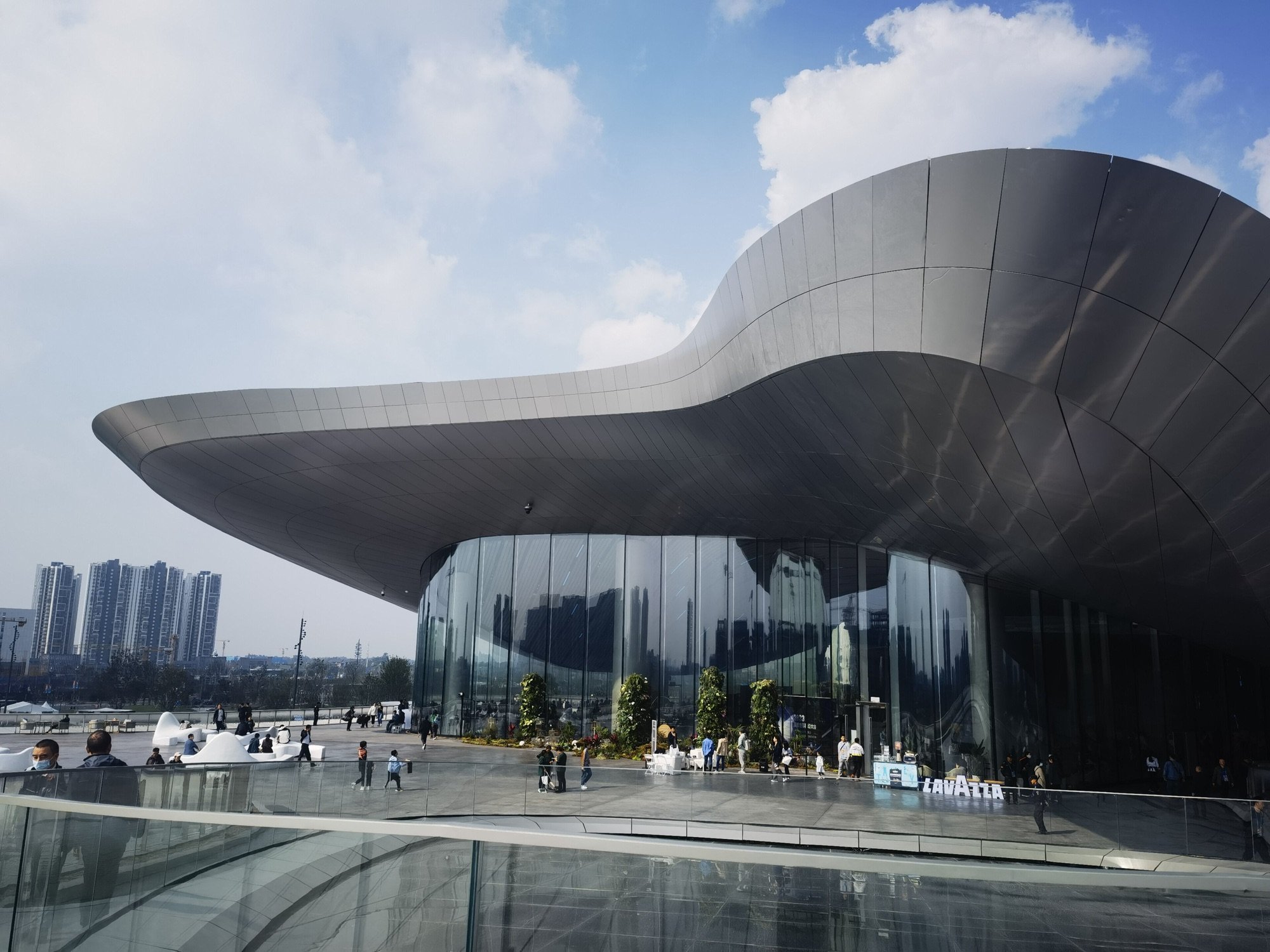
A day for anyone who likes robots and fast cars. The Chengdu Science Fiction Museum in Pidu is Zaha Hadid's silver 'starship' on its lake, built for the 2023 Worldcon, the science-fiction convention, and there's a giant model of Benben, the robot dog from The Wandering Earth 2, in the hall. It opens 10:00 to 18:00 and closes on Mondays, and each adult can bring at most two children. Back in town, Taikoo Li's flagship stores do the rest: Xiaomi's SU7 electric car on its turntable, the Huawei flagship, and NIO House, where visitors can sit in the cars. In the evening, Dongjiao Memory is a 1950s electronics factory turned into a park of arcades, vinyl and street food.
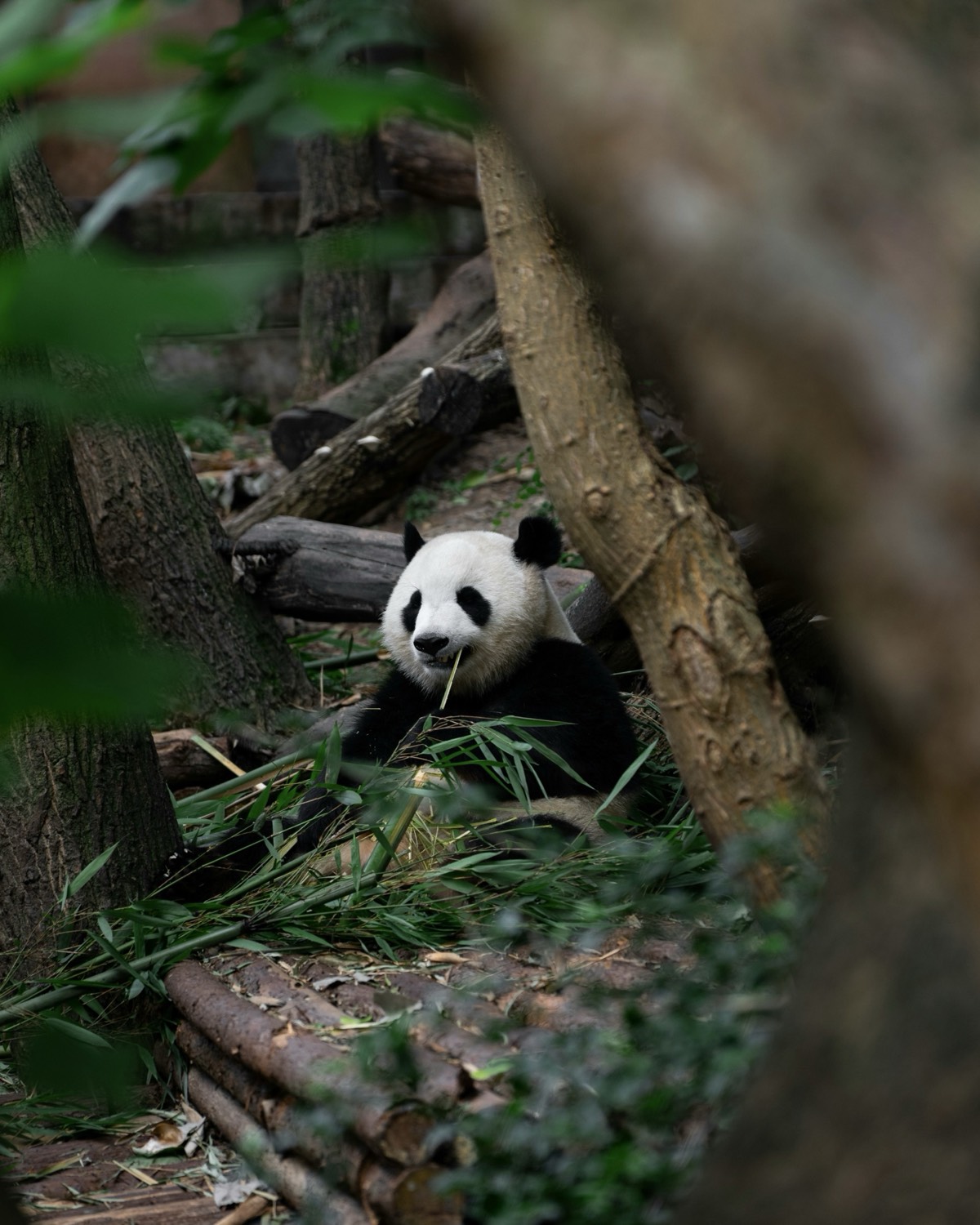
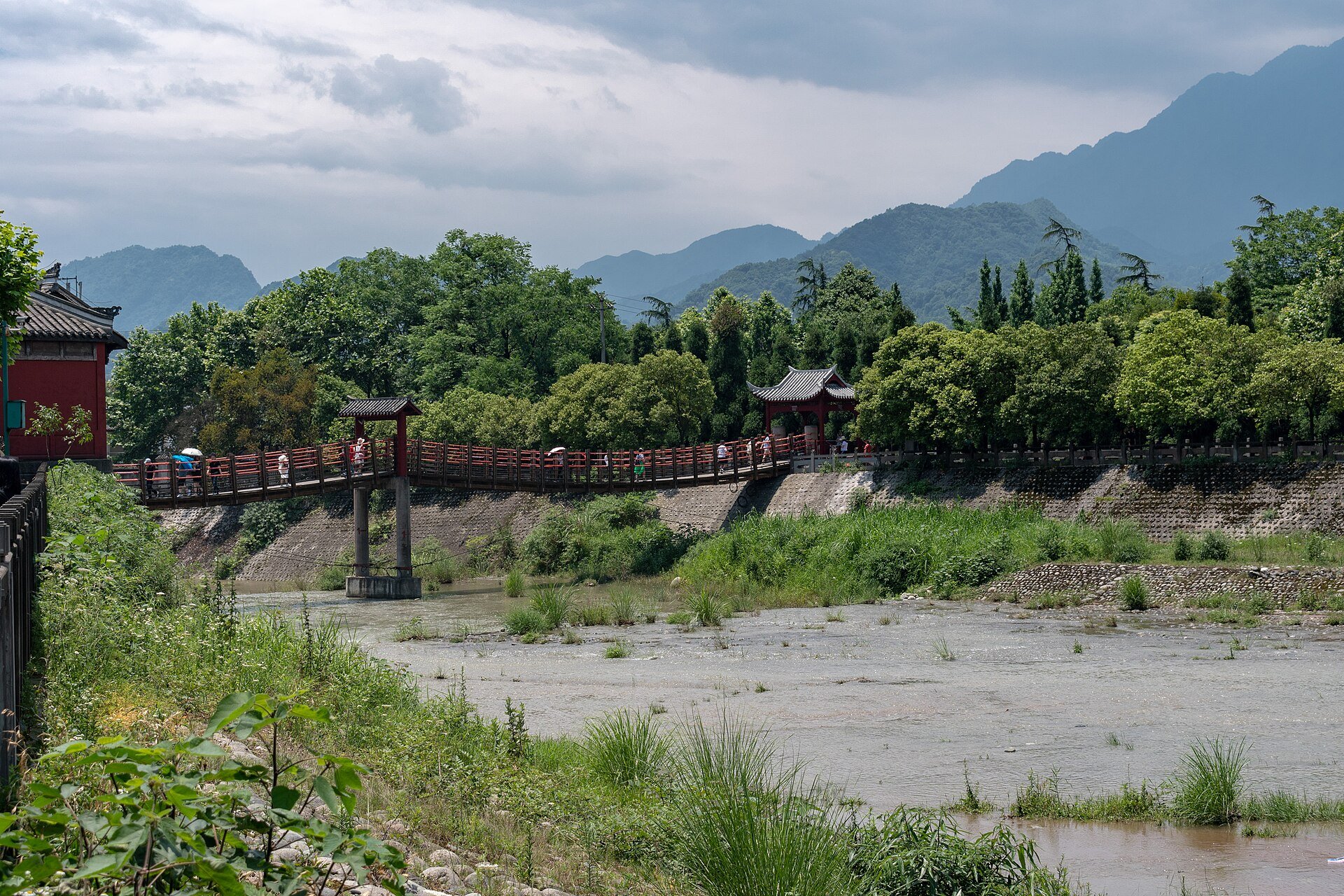
Panda Valley at Dujiangyan, about an hour and a half west, is where young pandas are readied for life outside. Its keeper morning takes ages 8 to 70 behind the scenes: preparing feed and panda cake, cleaning up and helping around the enclosures. Nobody touches or feeds the pandas, and that's the point. Wear clothes that can get dirty. With children under eight, we go instead to the Chengdu Research Base at opening, when keepers bring out the bamboo and the cubs are climbing. In the afternoon, the Dujiangyan irrigation system: Li Bing's waterworks, built around 256 BC and still in use, where the Fish Mouth levee splits the Min River in two. Cross the swaying Anlan rope bridge late in the day, when the coaches have gone.
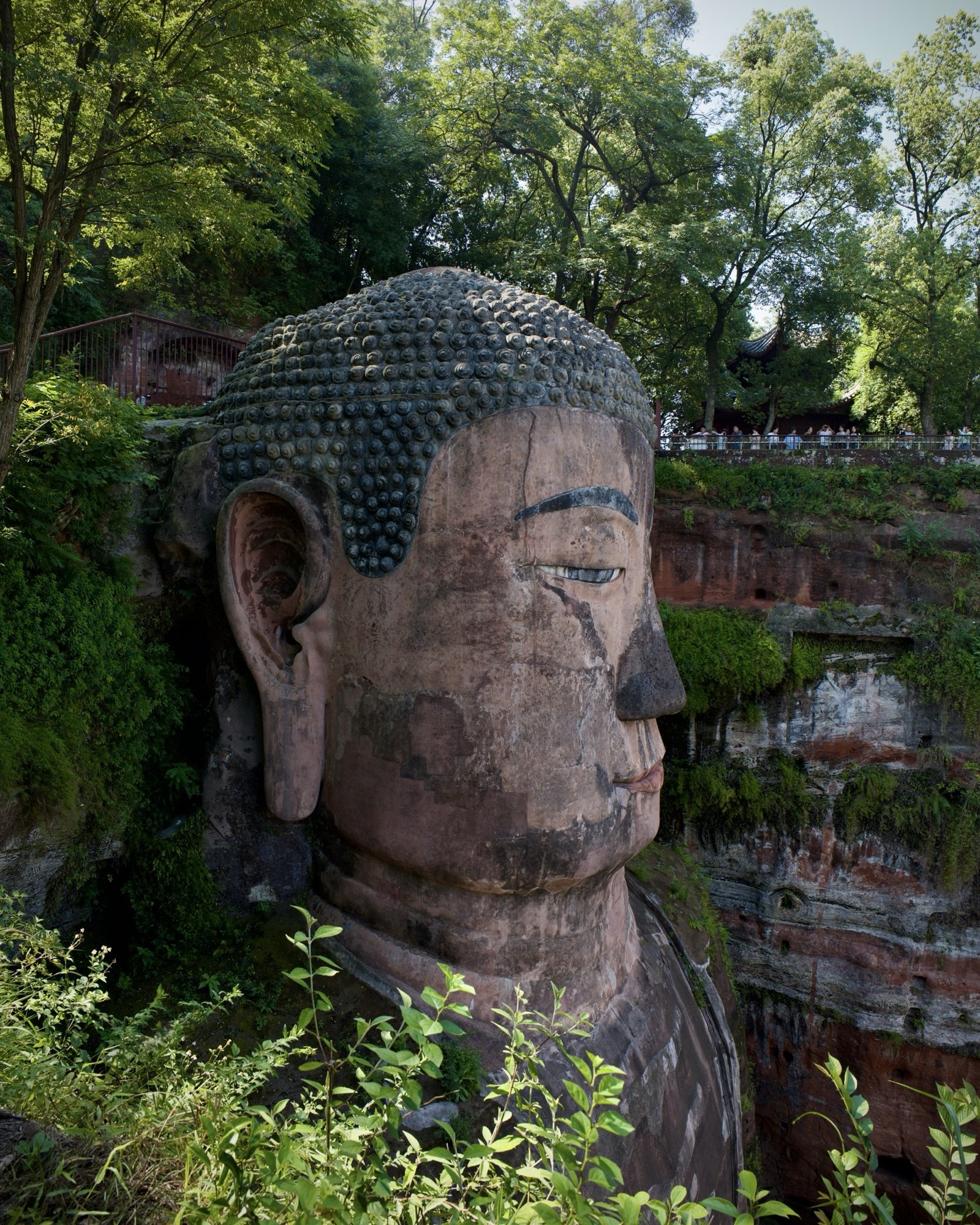
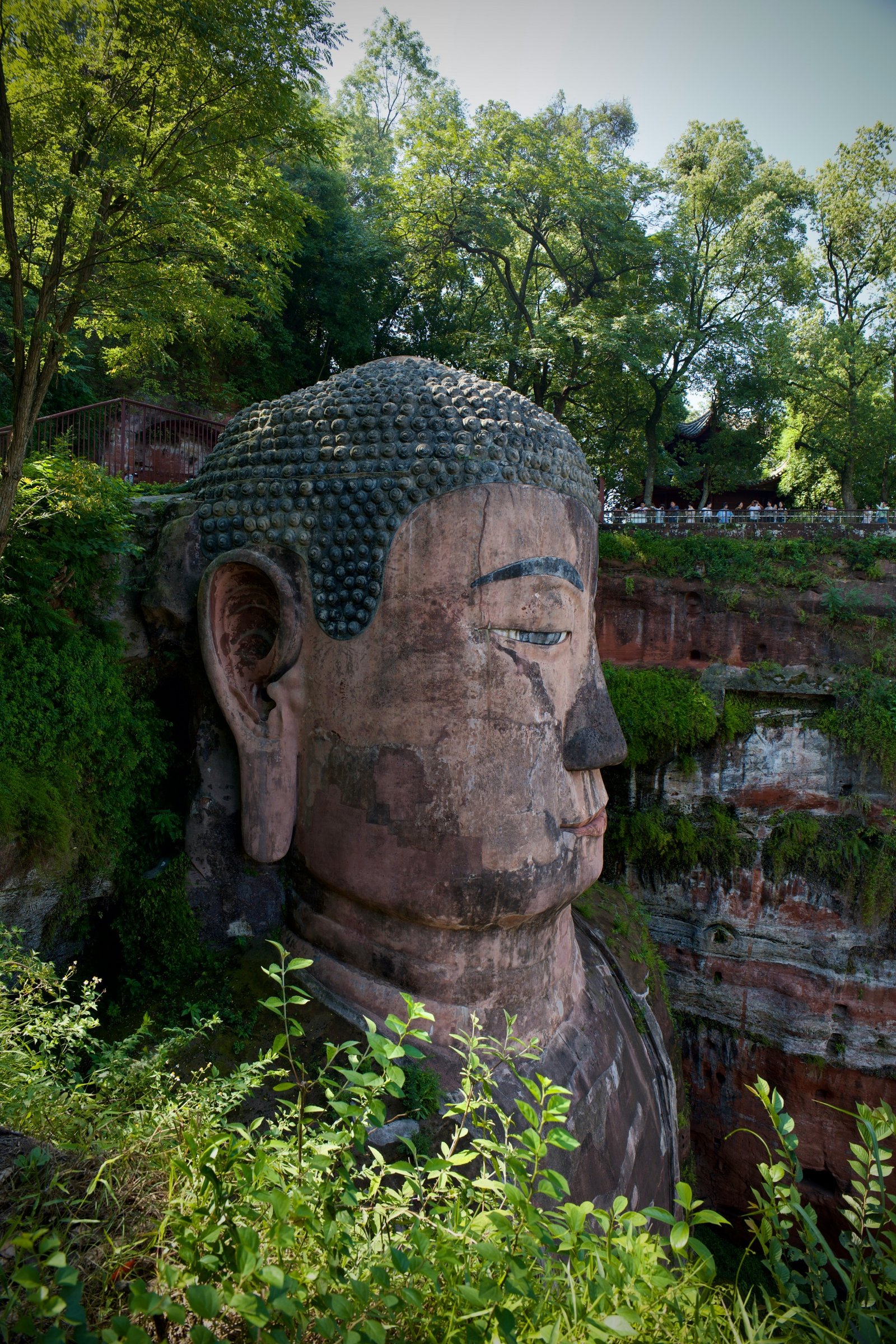
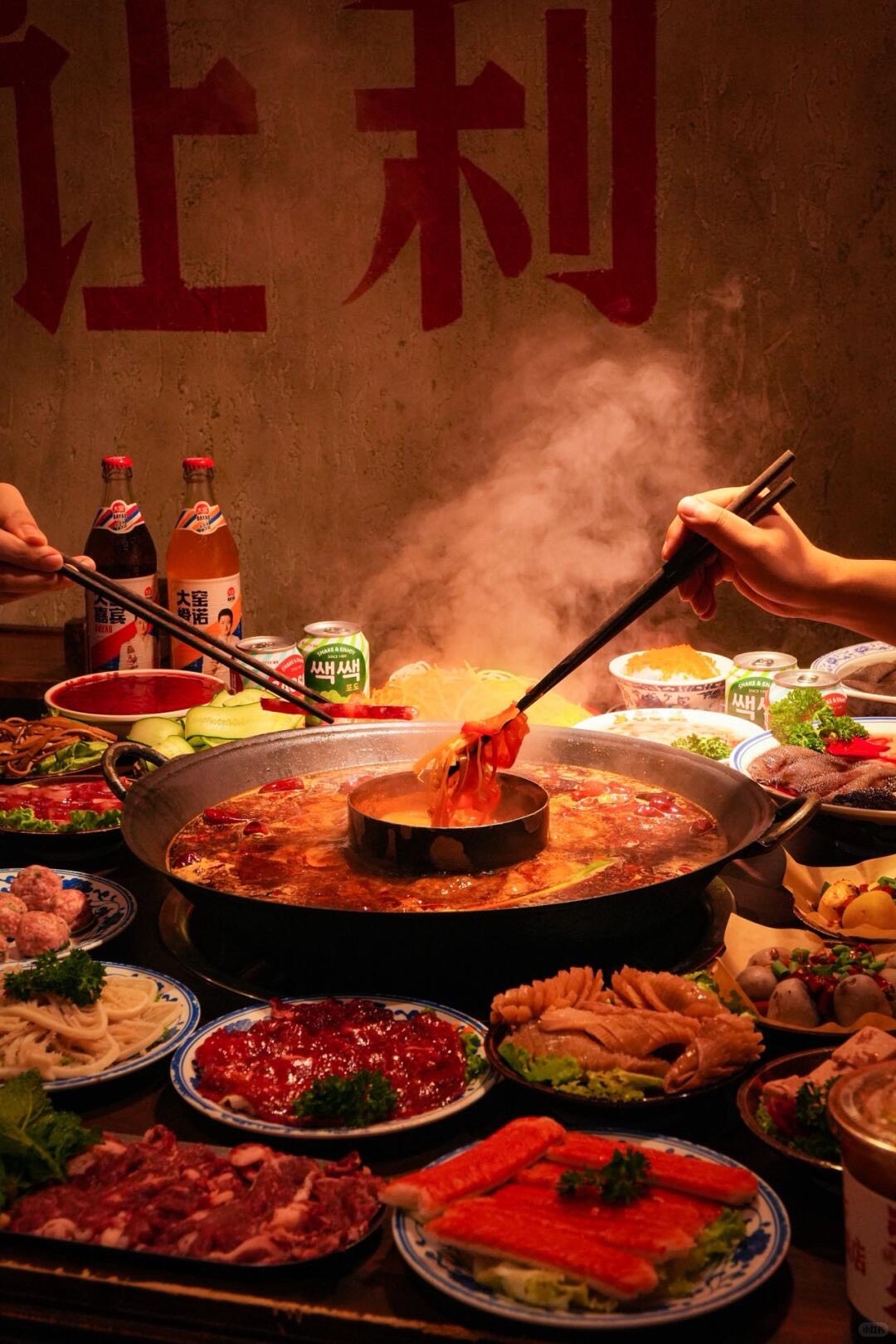
An hour south by high-speed train, then fifteen minutes by car, and you're at the Leshan Giant Buddha, carved into a red sandstone cliff where three rivers meet. It is 71 metres tall, begun in 713 by the monk Haitong, who hoped a Buddha would calm the rapids, and finished 90 years later. The boat is the best way to see it with children: about twenty minutes on the water and the whole figure in one view, without the cliff-stair queue. Then walk up to the temples above the head, and down the zigzag cliff stairs beside it if the queue is short. Back in Chengdu, the farewell dinner is hotpot, with a split pot so the children get the clear broth.
A slow breakfast, a last walk round the lanes if the flight is late, and the drive to Tianfu airport, about an hour.
One hotel for all six nights, in the middle of the old city.
A courtyard hotel woven into a restored Qing compound beside Daci Temple, with the lanes, the shops and dinner all on foot. Six nights.
These are examples of the boutique stays we book across the route. Because boutique hotels have so few rooms, a stay may occasionally be swapped for one of similar standard.
Knees, altitude, diet or a medical condition to think about? Tell us before you book and we'll say plainly whether this trip works, or shape one that does.
Roughly six and up, and it works for teenagers as well. The Panda Valley keeper morning takes ages 8 to 70; with younger children we go to the Chengdu Research Base at opening instead. Nothing involves altitude or long hikes, and the longest drive is about an hour and a half.
March to May and September to November: dry, mild and good for walking. Summer is hot and humid, and the July school holidays are the busiest weeks at the panda bases. Avoid Golden Week (1–7 October) and Chinese New Year, when the queues at Leshan and the pandas run to hours.
No. Close contact with pandas has been banned since 2018. The keeper morning at Panda Valley puts you behind the scenes, preparing feed and cleaning, but no one touches or feeds the pandas.
No. Sichuan food is as much about the numbing peppercorn as the chilli, every kitchen can cook mild, and hotpot comes with a clear-broth half. Dumplings, noodles and the snack streets keep most children happy.
Every day, stay and date tailored to you — shaped over a call with someone who has walked the route, never a template.
Tell us your dates and what moves you. We reply within one business day, then shape a proposal — no obligation, never a templated package.
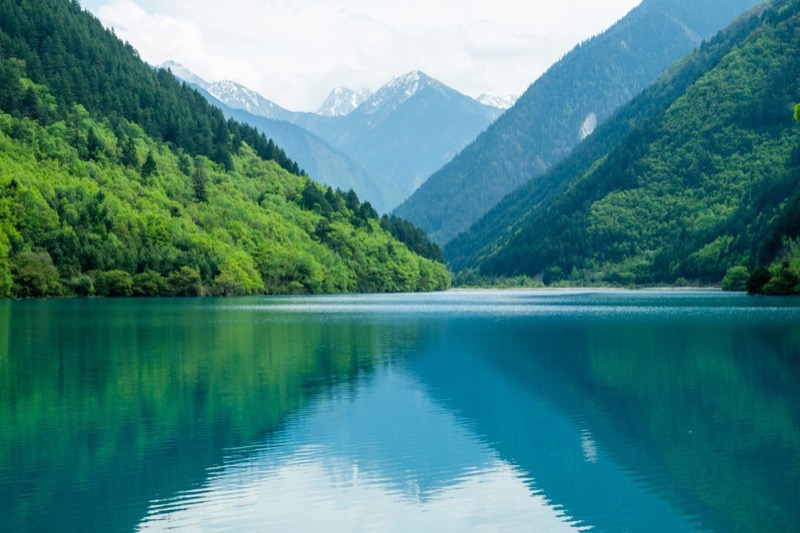
Giant Pandas at the Chengdu Research Base, then three days in the alpine lakes of Siguniang or Jiuzhai Valley. City culture first, mountain silence after.
See the itinerary →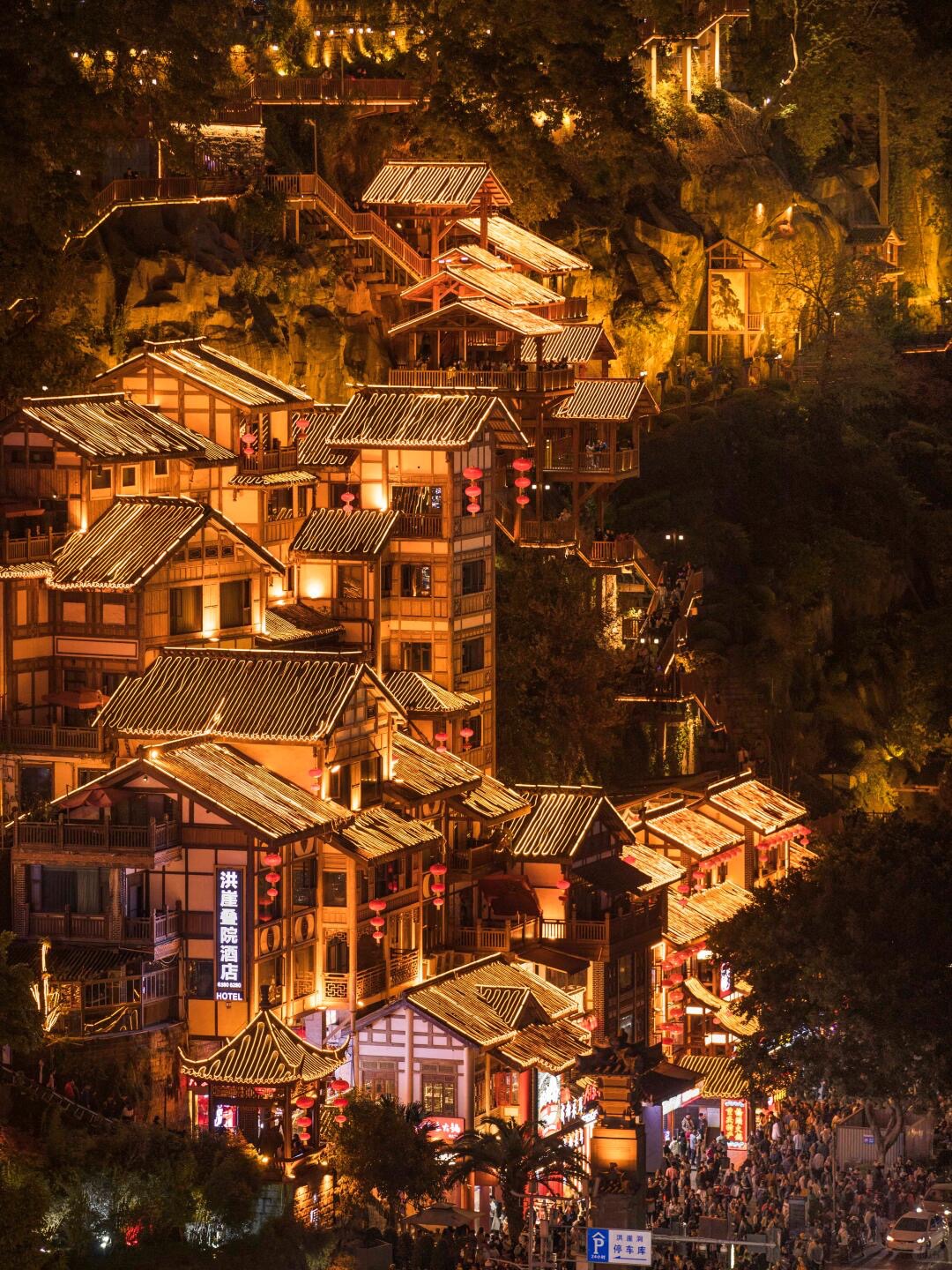
A 5–6 day private tour weighted toward Chongqing — neon river cities, UNESCO Wulong Karst, the Longji (Dragon's Backbone) ridge hike above the Yangtze, and two different tables of Sichuan heat. Bookended with a soft Chengdu landing.
See the itinerary →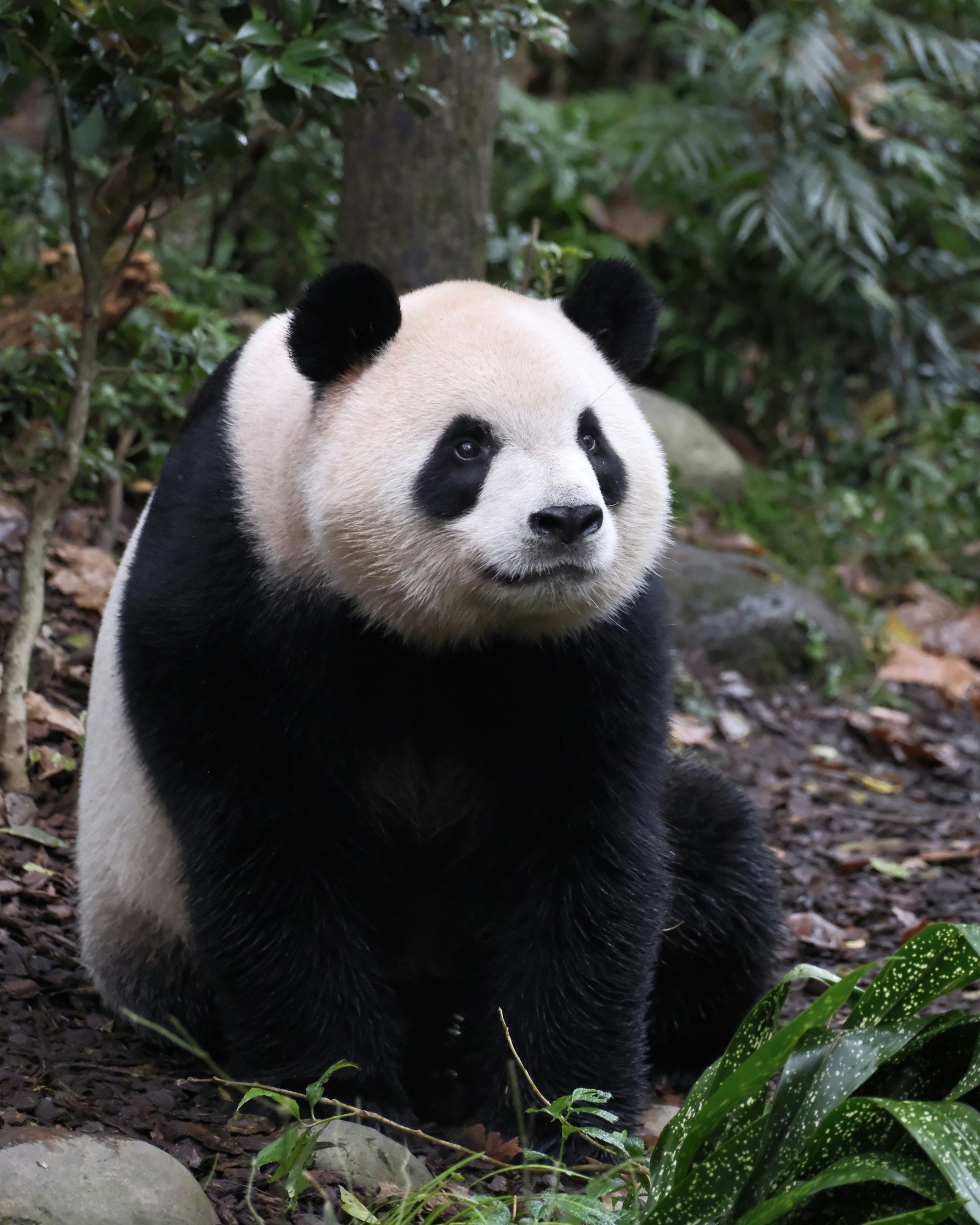
Fifteen days that pair China's great icons with its wildlife and wild landscape — the Forbidden City and the quiet Great Wall at Jinshanling, the Terracotta Army, a working day with the giant pandas outside Chengdu, three days among Zhangjiajie's sandstone pillars, and Shanghai to finish. Private throughout.
See the itinerary →