Wulingyuan · Zhangjiajie
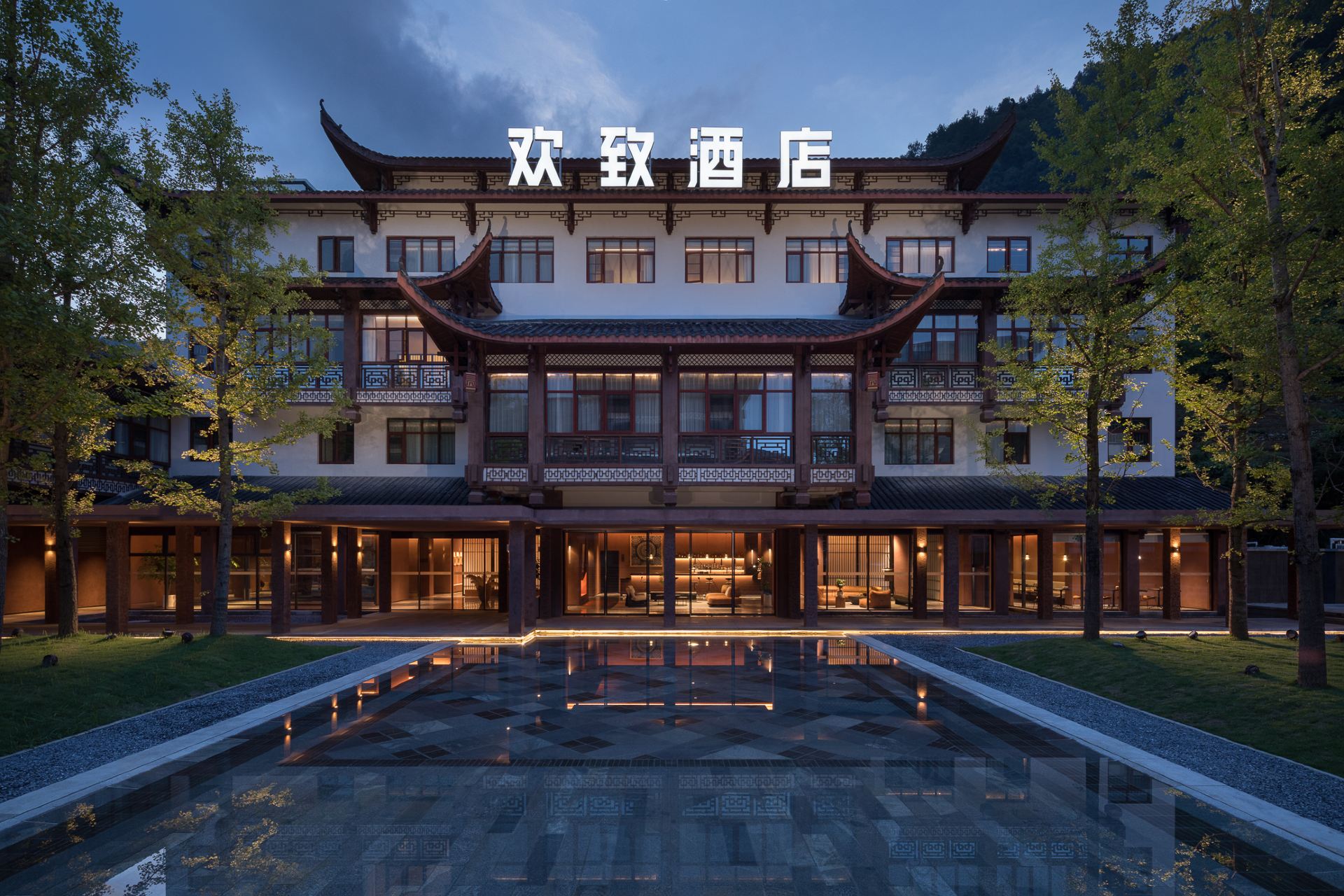
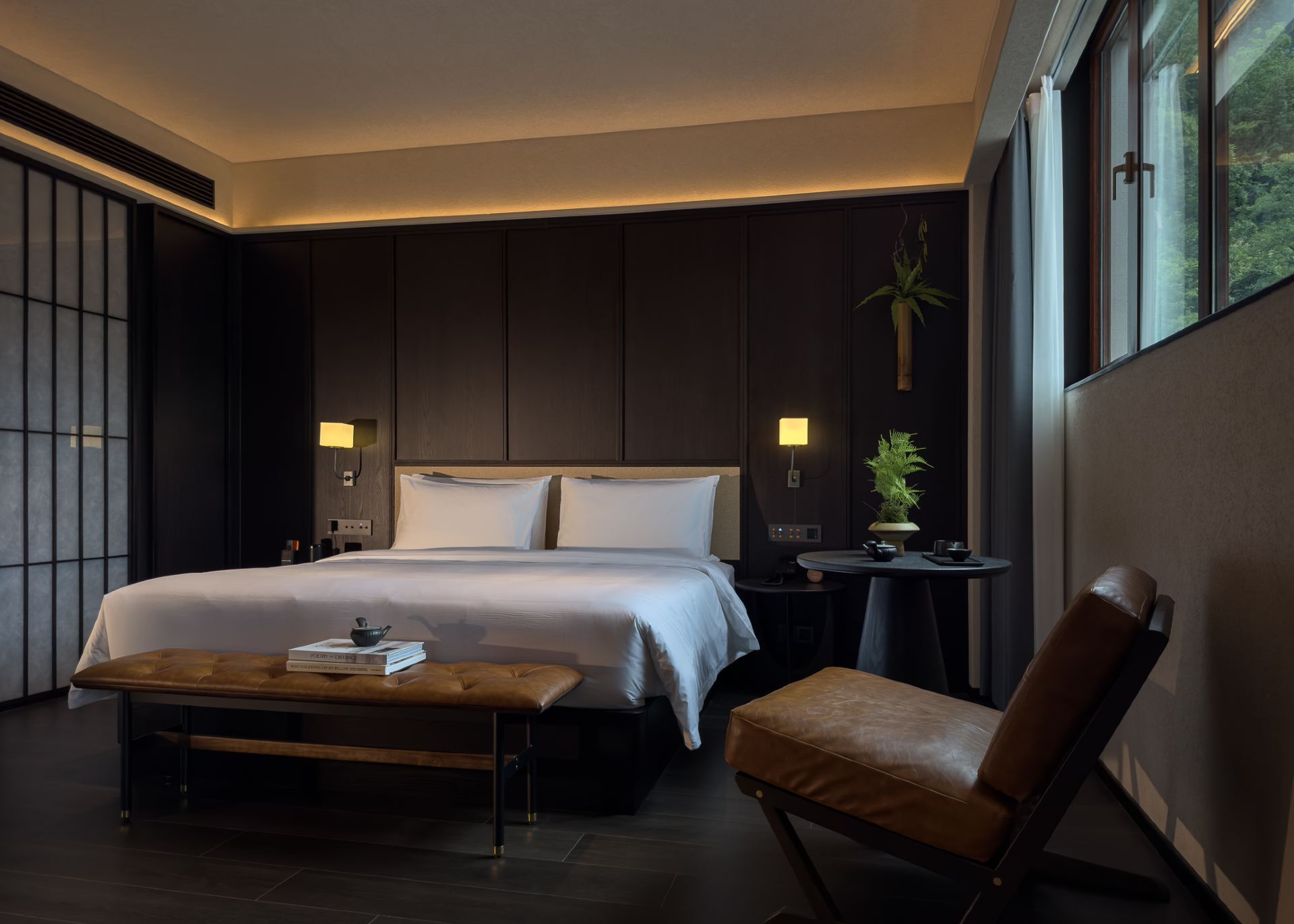
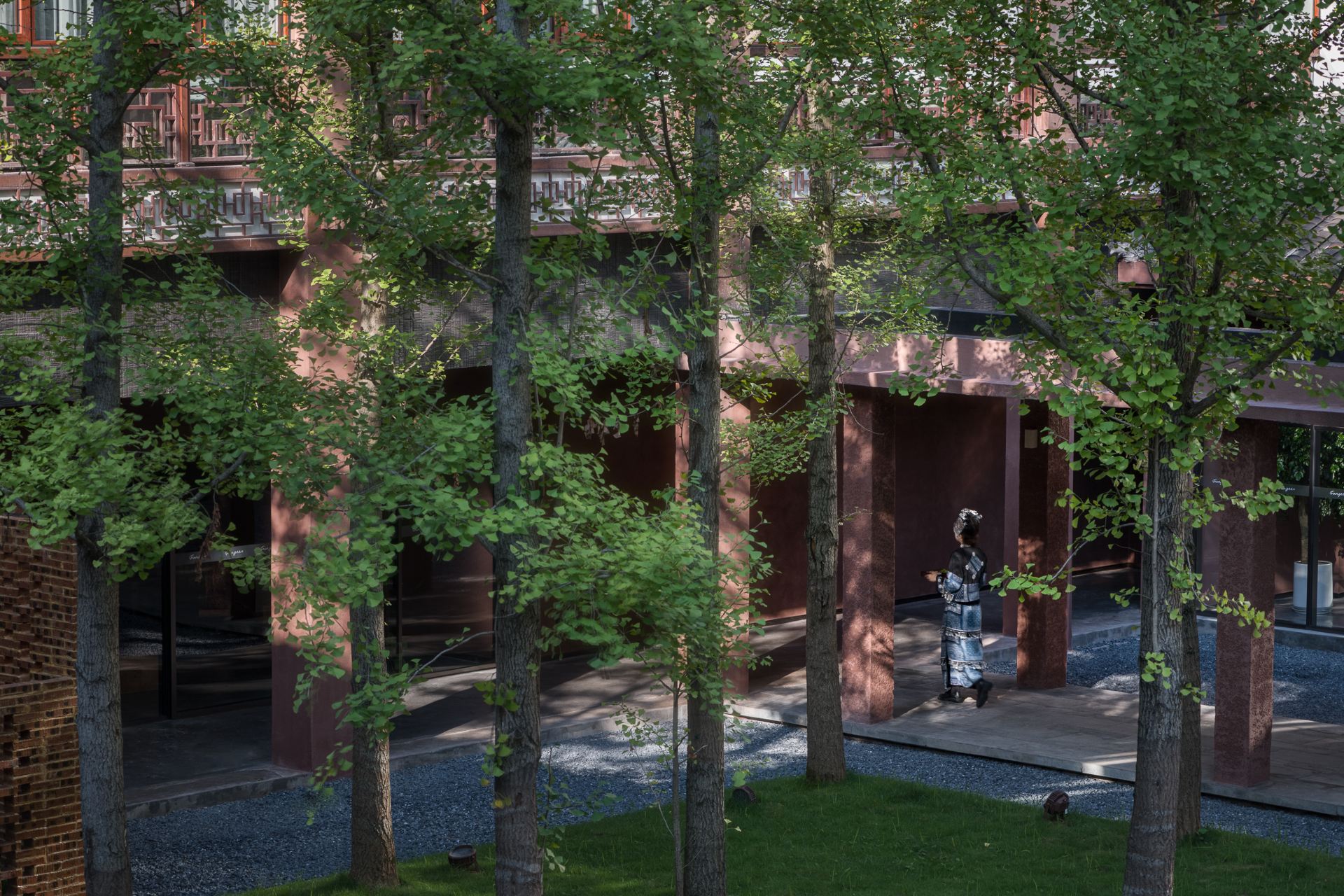
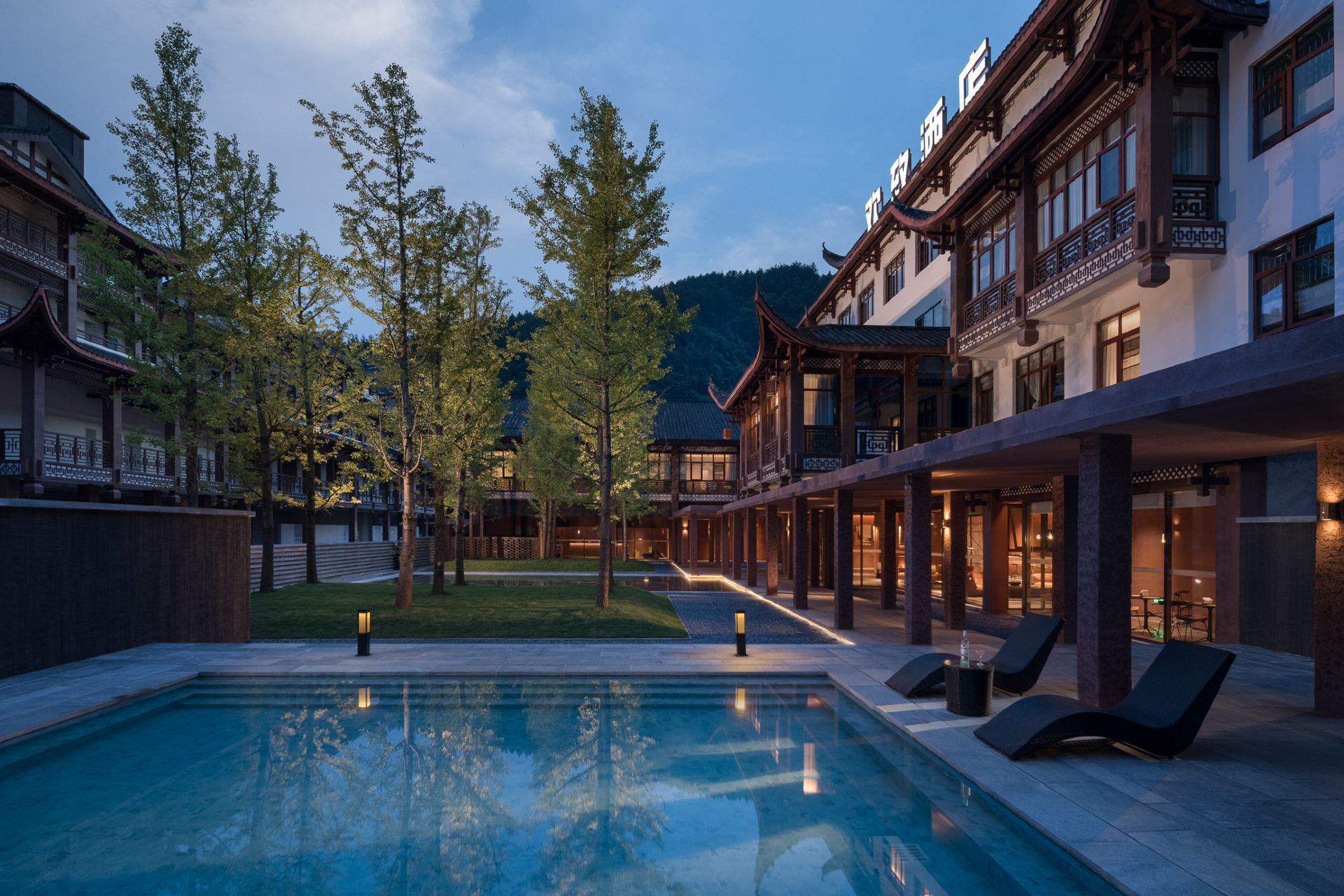
A 2025 courtyard hotel with an outdoor pool, about 400 metres from the park's east gate, so park days start on foot. Three nights; four on the six-day version.

You're met at Zhangjiajie Hehua airport or Zhangjiajie West station and driven to Wulingyuan, about 45 minutes away: the town at the east gate of Zhangjiajie National Forest Park, so the park days start on foot. Nothing else is planned. Over tea your guide lays out the next two days against the forecast: the clearer one goes to the park's high lookouts, the other to Tianmen Mountain. Park entry is booked by time slot and gate, and the cable cars and the lift are sold one way at a time, so every leg is booked to match the plan.
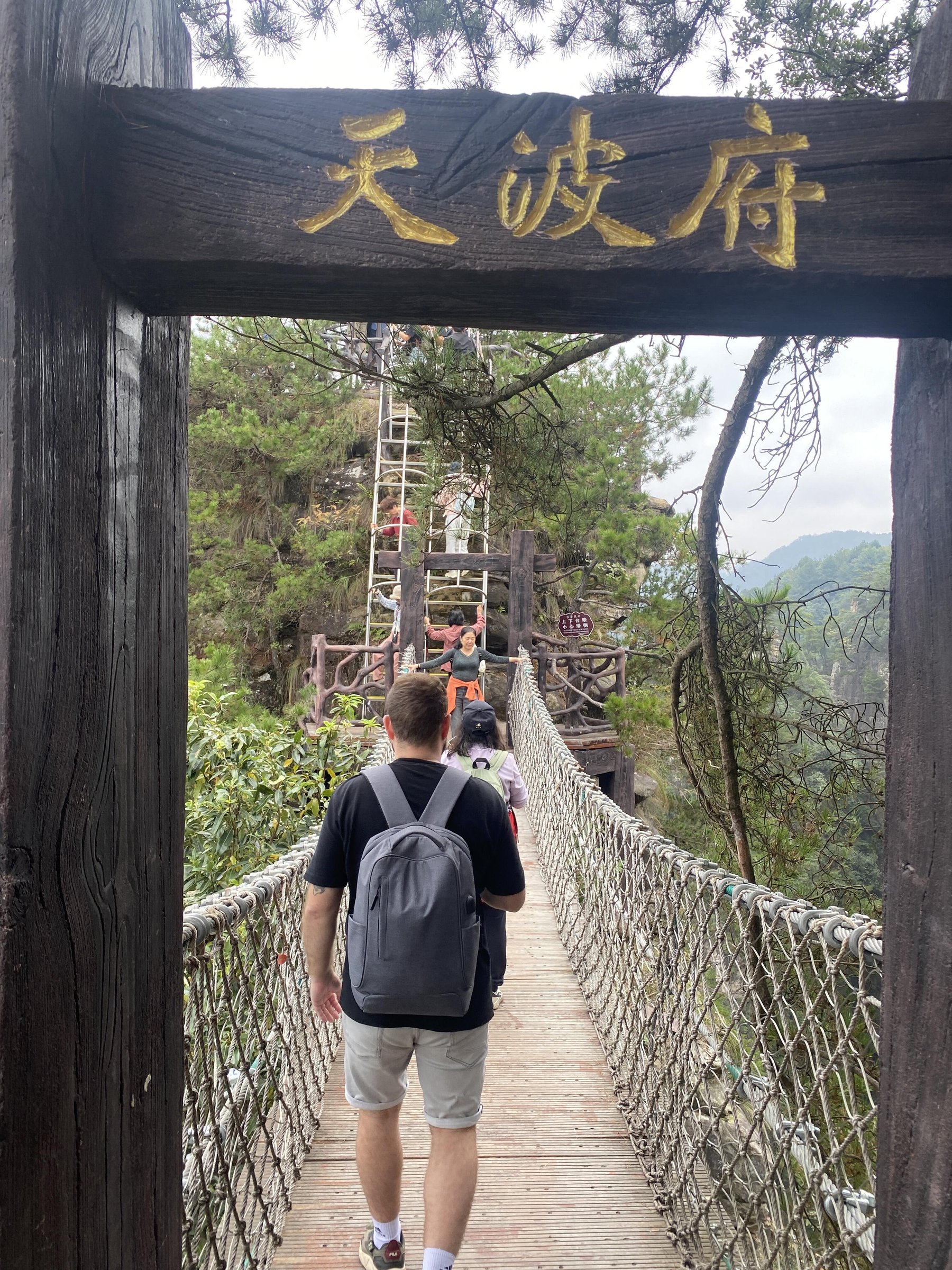
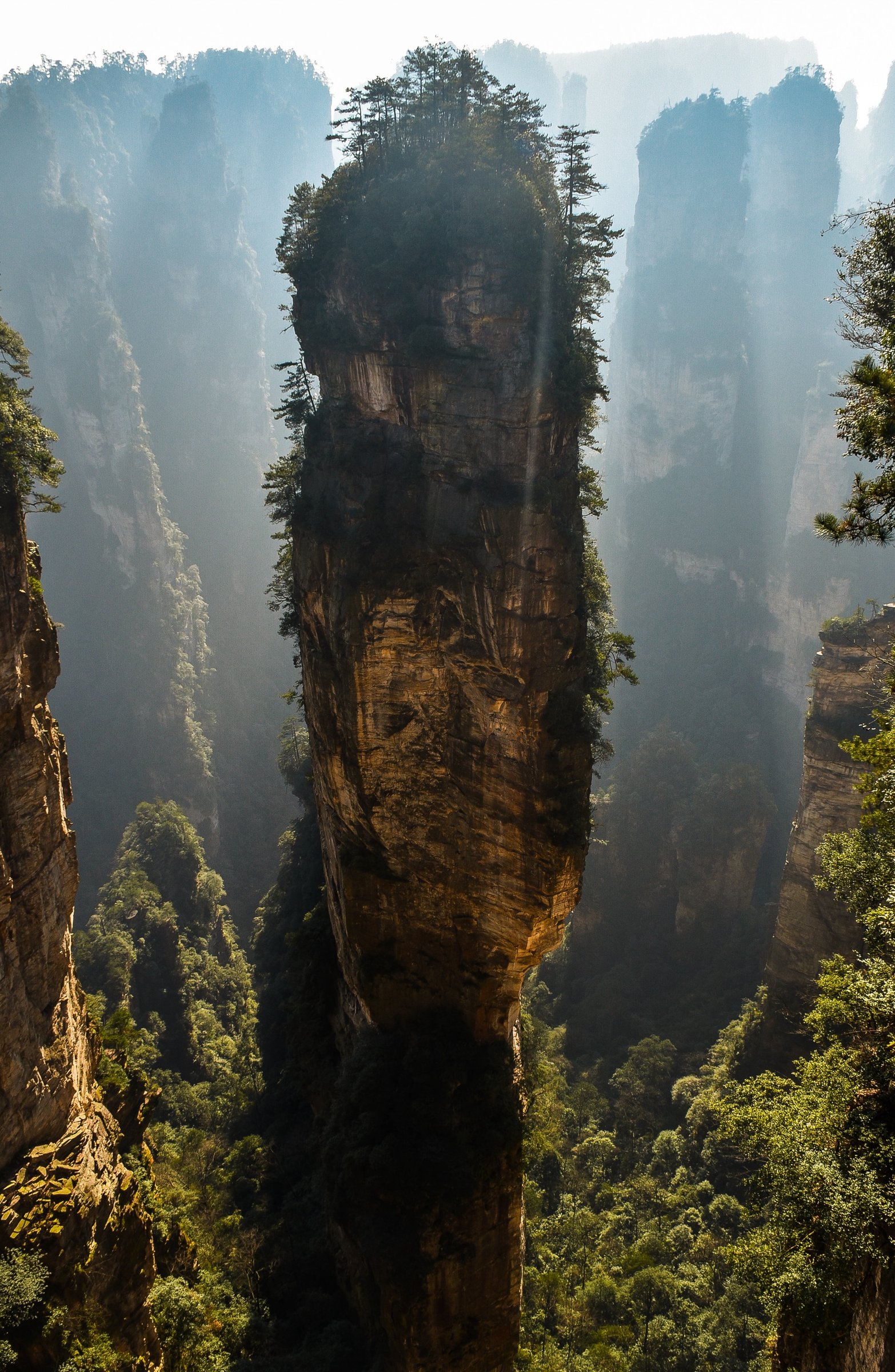
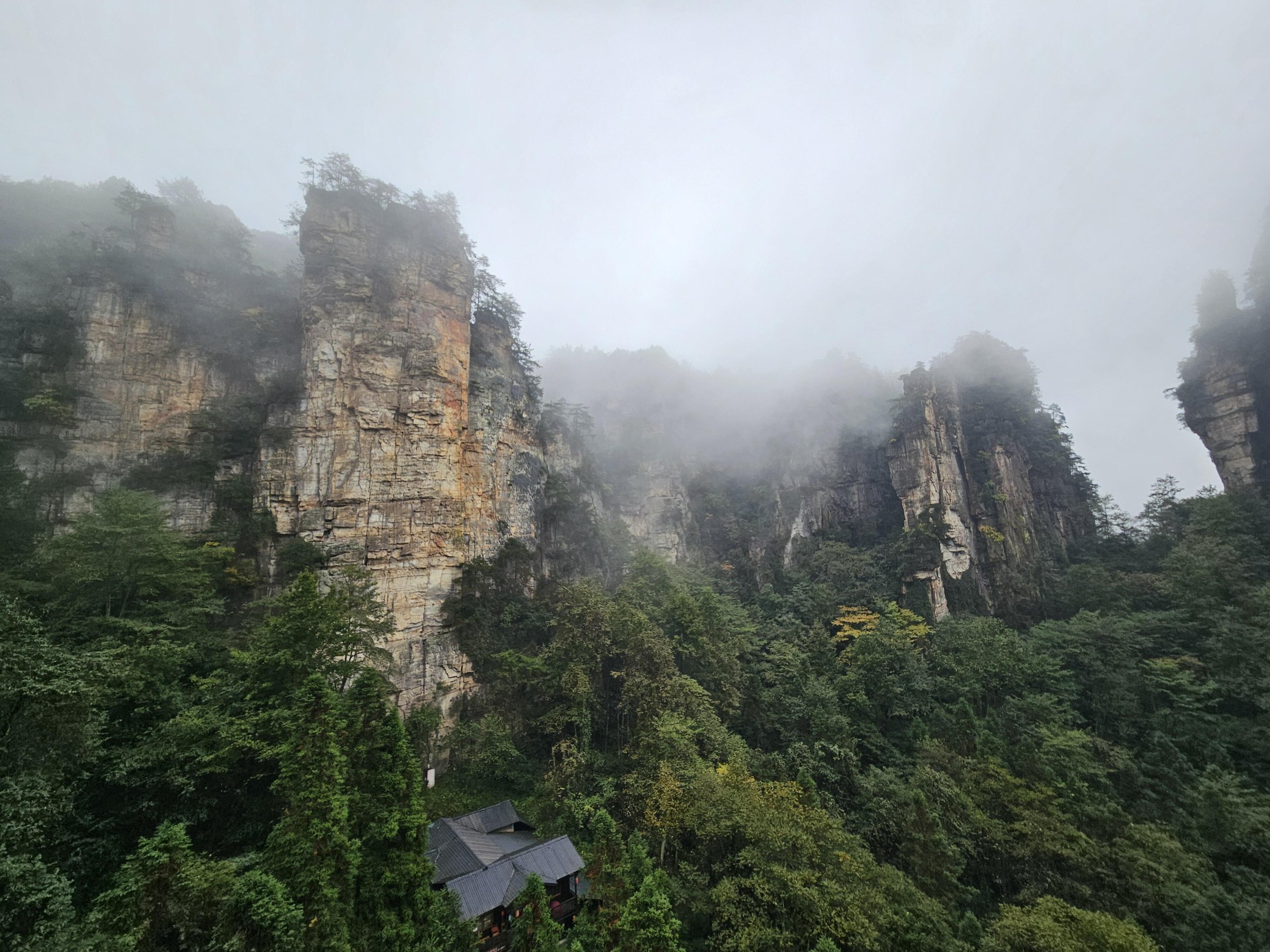
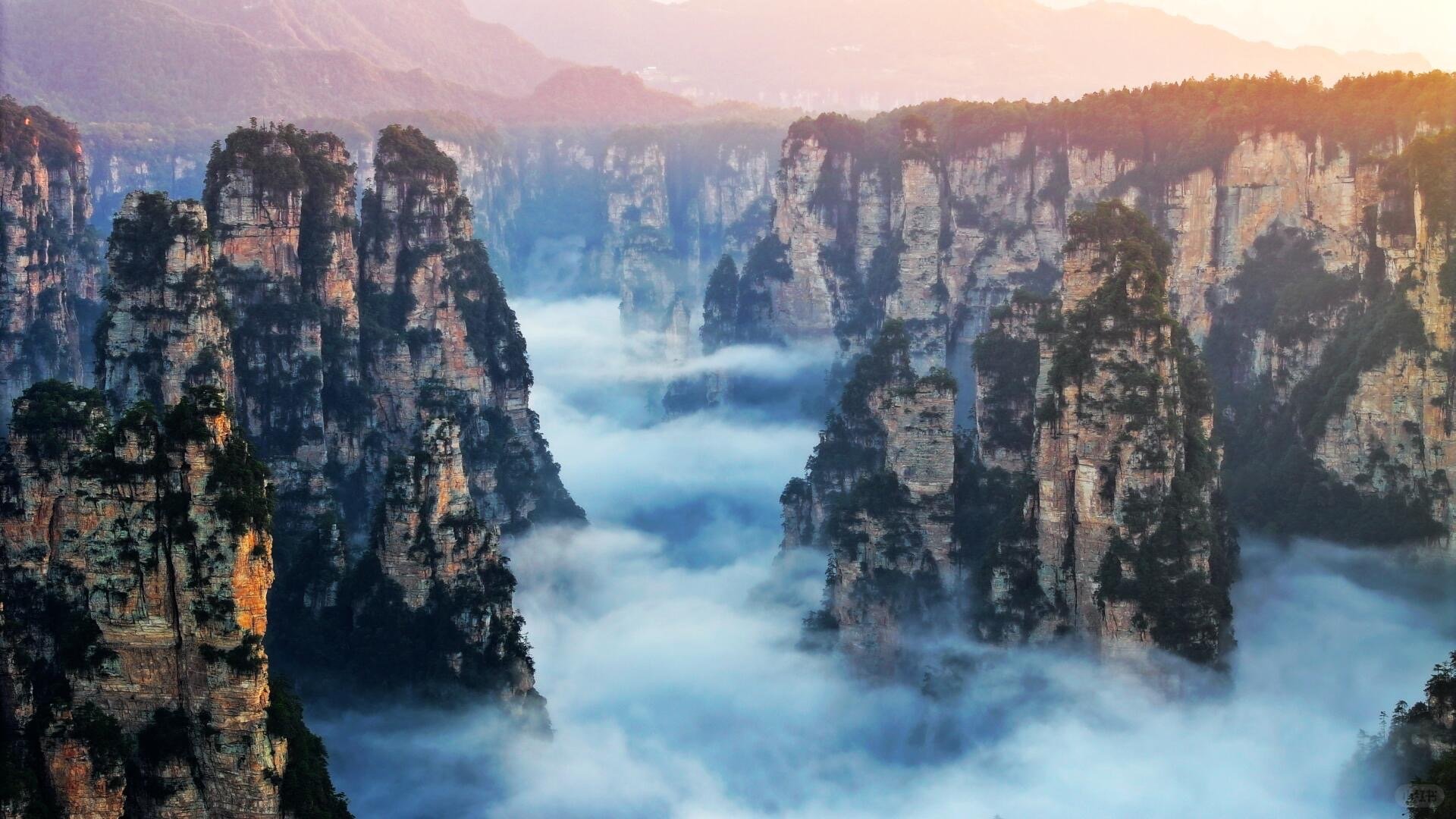
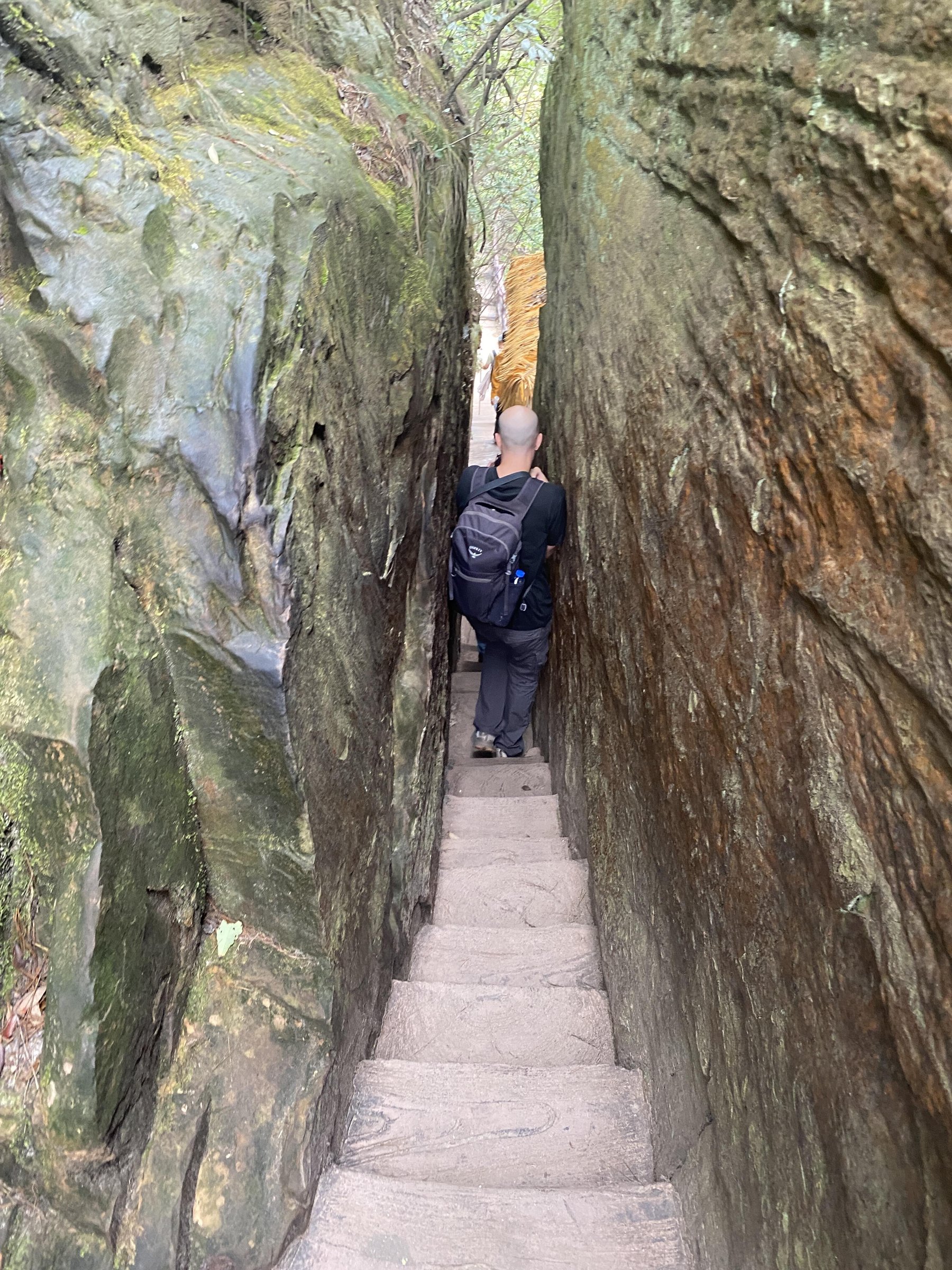
Through the east gate early, when the park recommends going in, and up the Tianzi Mountain cable car to the lookouts over the pillar forest, Imperial Brush Peak among them. The park bus then drops you at Wulong Village (乌龙寨) in Yangjiajie, a former bandit fort on top of a cliff with a single way in: the path squeezes through caves and cracks in the rock and three named passes, One Step Is Hard among them, then a rope bridge leads up to Tianbo Mansion (天波府), with pillars on every side. Allow a couple of hours, and expect narrow squeezes and steep steps. Early afternoon is when the buses on to Yuanjiajie run emptiest. After the pillar renamed Avatar Hallelujah Mountain, leave the Bailong Elevator to the afternoon queue and walk down instead: from Yuanjiajie's back garden a forest trail drops to Golden Whip Stream, about 6 km and two and a half hours, then follows the creek out to Shuiraosimen, where the park bus runs you back to the east gate. Keep snacks out of sight of the macaques.
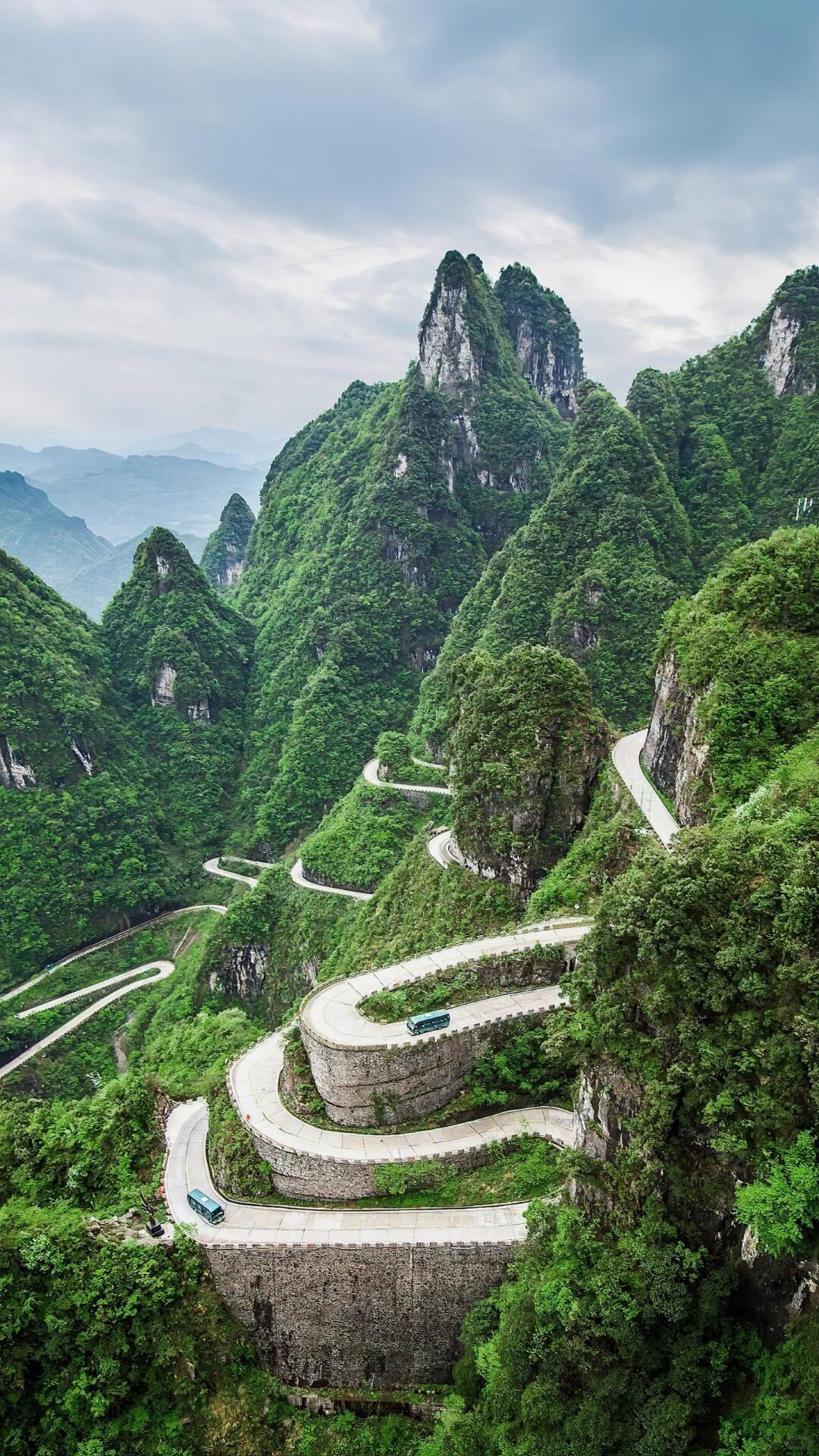
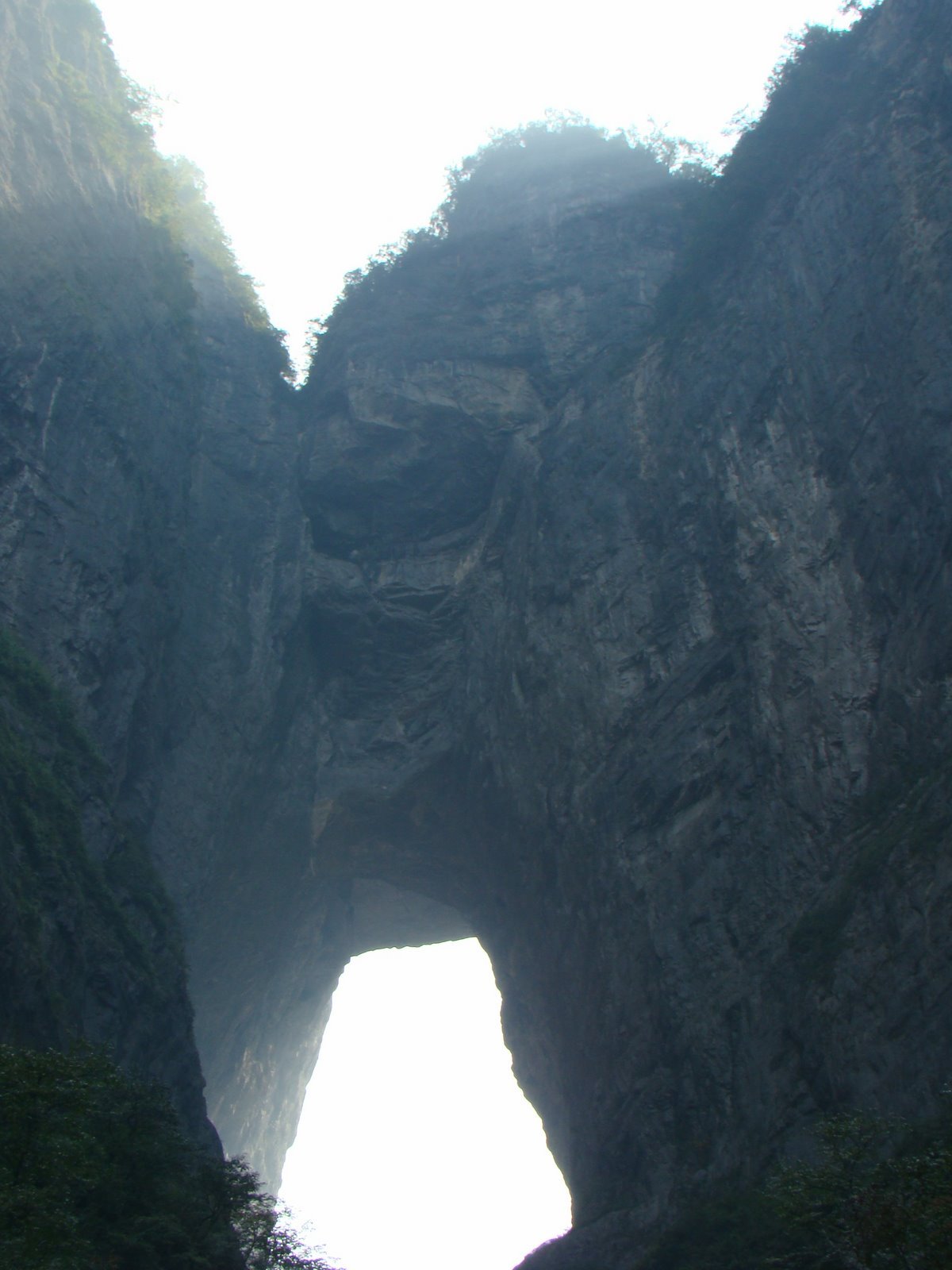
Tianmen is the one big sight on this trip, and the way to see it is on foot. It's a separate mountain on the edge of Zhangjiajie city, under an hour from Wulingyuan. While the upper section of the cable car is closed for rebuilding (since November 2025), the way up is the lower cable car, then the mountain bus up the 99 bends of Tongtian Road. From the road's end, climb the 999 steps to Heaven's Gate, a natural arch 131.5 metres high, rather than ride the escalator beside them; more escalators run up through the mountain to the summit. On top, walkways cling to the cliffs, some glass-floored, on a rim circuit of about 10 km: walk as much of it as you like before the express cable car takes you down. In ice or thick fog the road bus stops and the express cable car carries everyone up and down, so this is the day we swap with Day 2 if the forecast says so.
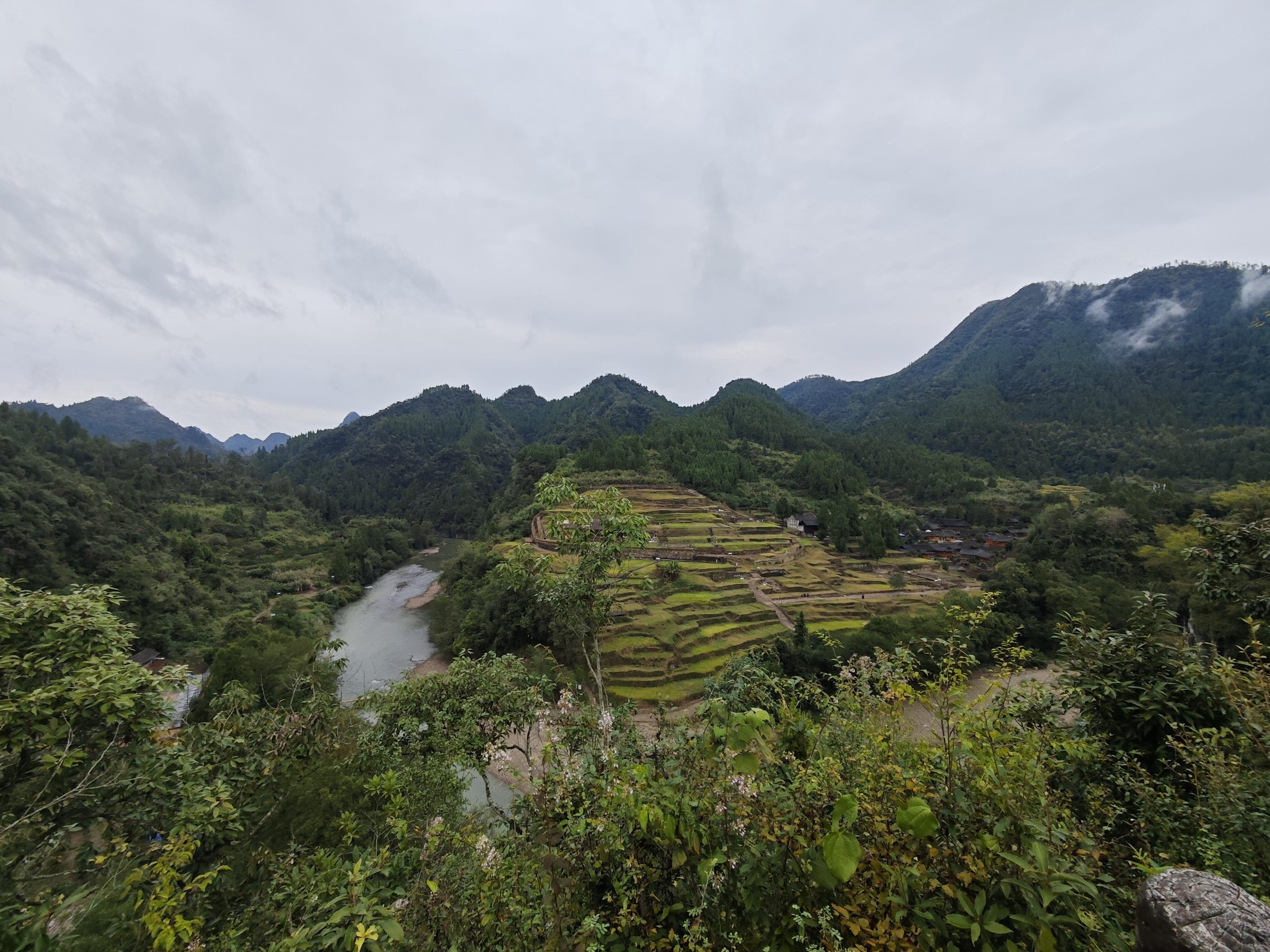
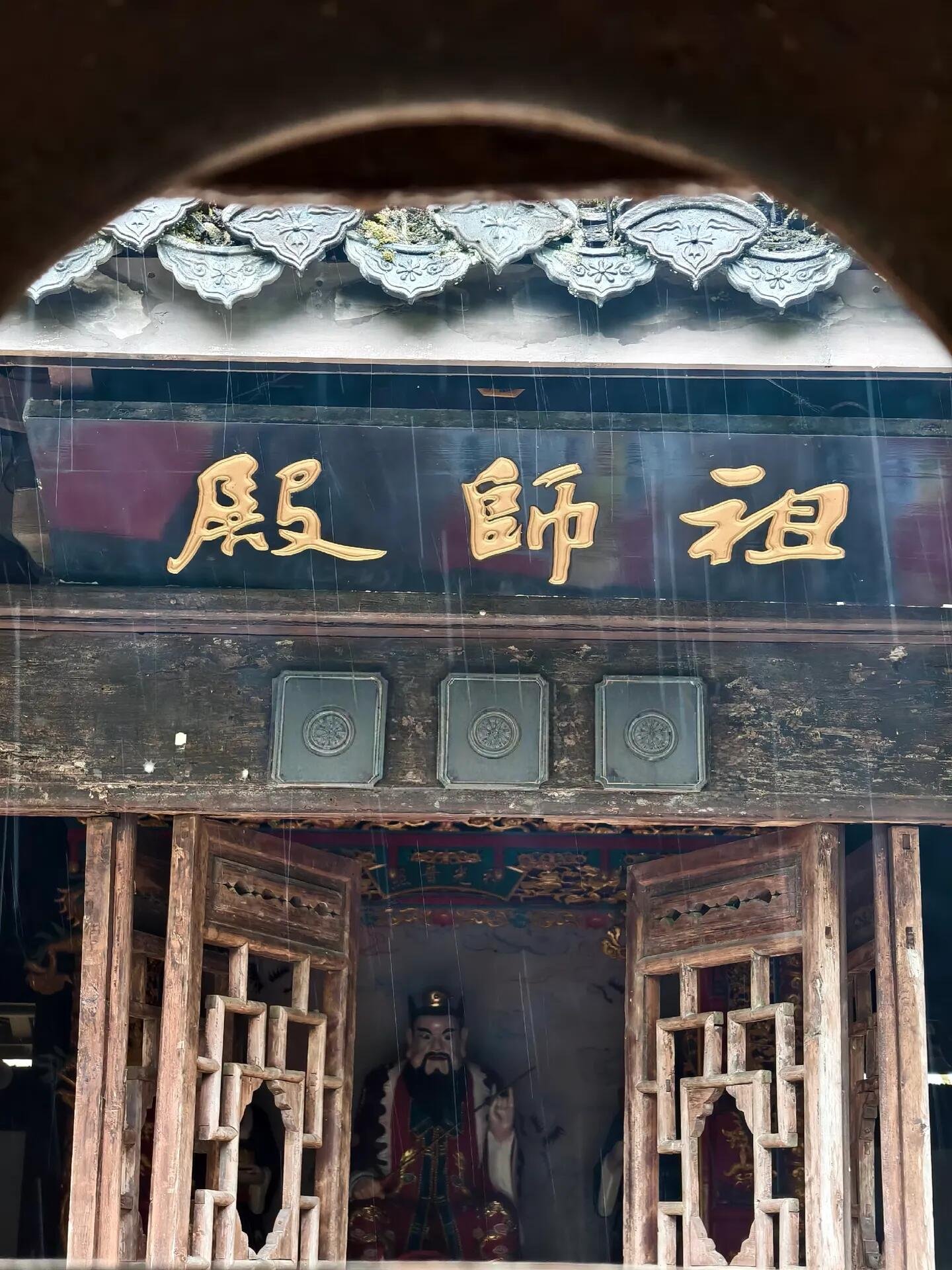
Today leaves the park for Tujia country. About two hours' drive west is Laosicheng (老司城), on a bend of the Lingxi River: the seat of the Peng family, the tusi, hereditary Tujia chieftains who ruled this corner of Hunan on behalf of the imperial court. With two other tusi sites, Tangya and Hailongtun, it was inscribed as a World Heritage site in 2015. Start at the museum, then take the ten-minute boat upstream to Zushi Hall (祖师殿), the most complete building left standing, and walk the old path back past the Peng family tombs at Zijinshan to the walled city, where today's village sits on top of the old streets. Your car drives in, so there's no shuttle to wait for. About an hour on is Furong Town, a Tujia town on the cliffs above a two-tier waterfall, 60 metres high, that drops into the You River. Most of its visitors come for the evening, when the falls and the town are lit from 19:30.
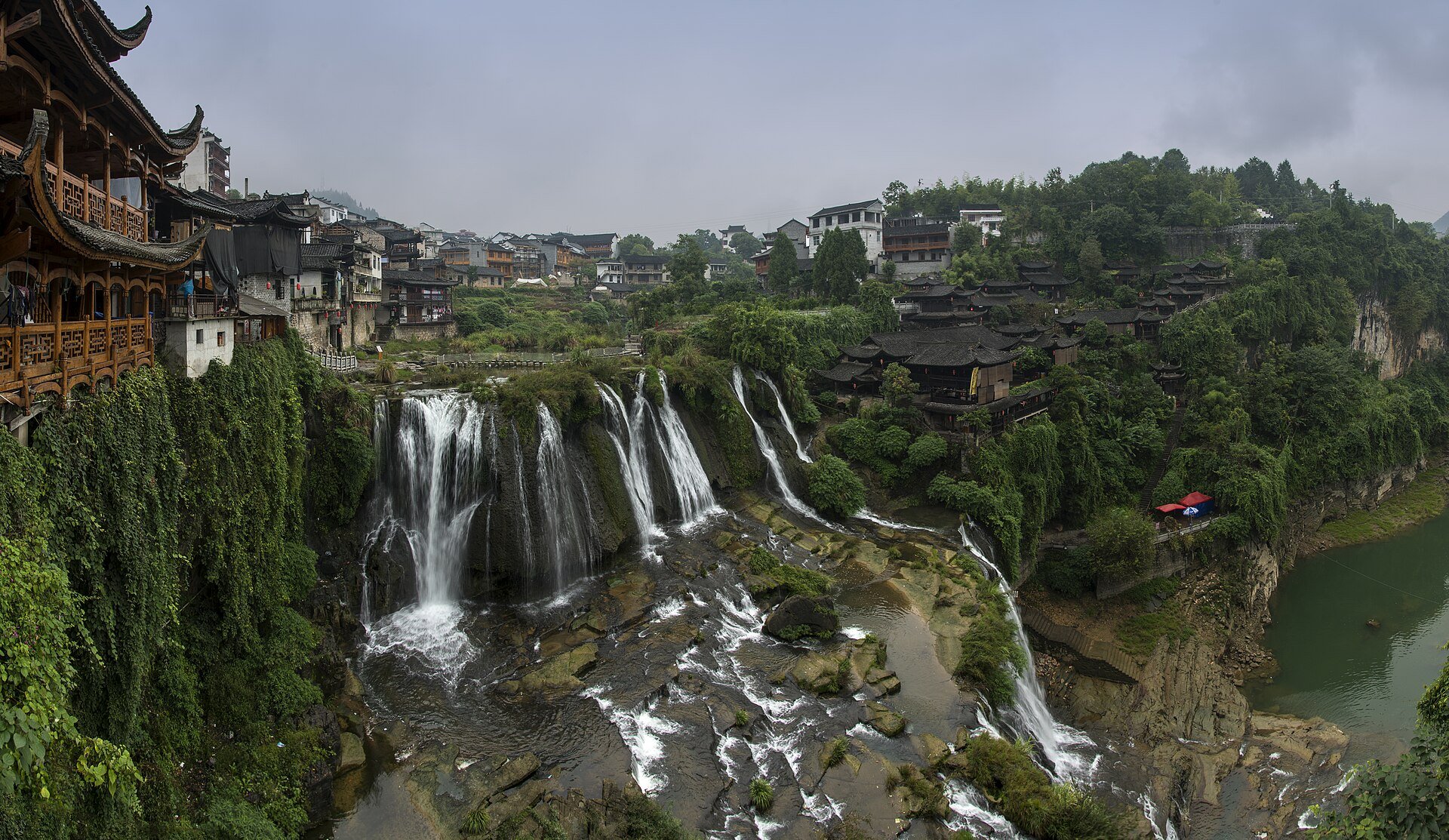
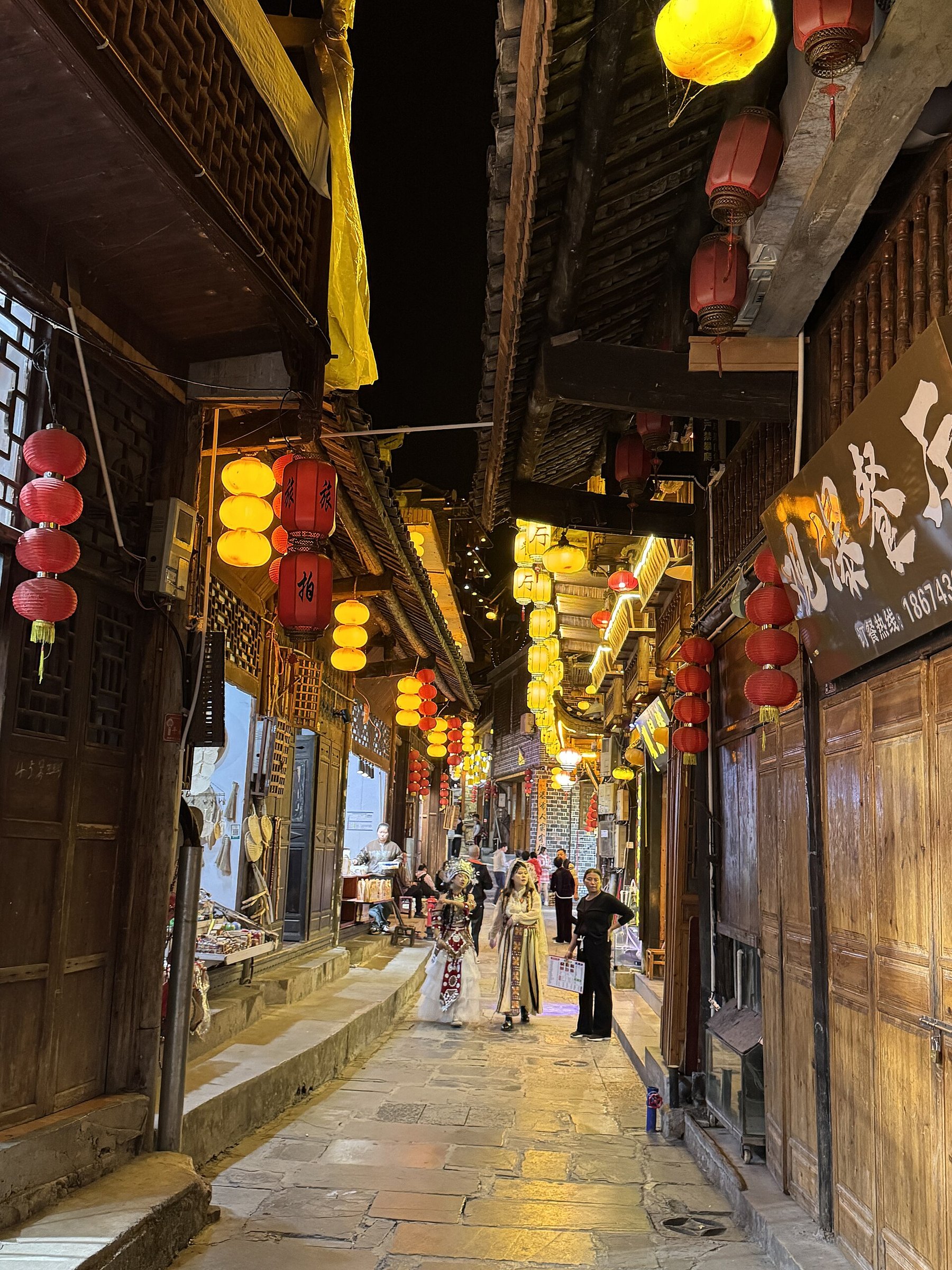
Furong Town is busiest at night and quietest first thing. Walk the stone-slab street, five li long, that climbs from the pier on the You River up through the town, and go down to the foot of the falls while the lanes are empty. The town was called Wangcun until 2007, when it took its name from Xie Jin's film Hibiscus Town, shot here in 1986. The falls are natural stream flow, fullest from June to August and thin by late November. Then it's a short drive to Furong Town's high-speed station: Zhangjiajie West is about 25 minutes away, for flights out of Hehua airport, or carry on by rail.
One base at the park gate, one night on the cliff beside the falls.
A 2025 courtyard hotel with an outdoor pool, about 400 metres from the park's east gate, so park days start on foot. Three nights; four on the six-day version.
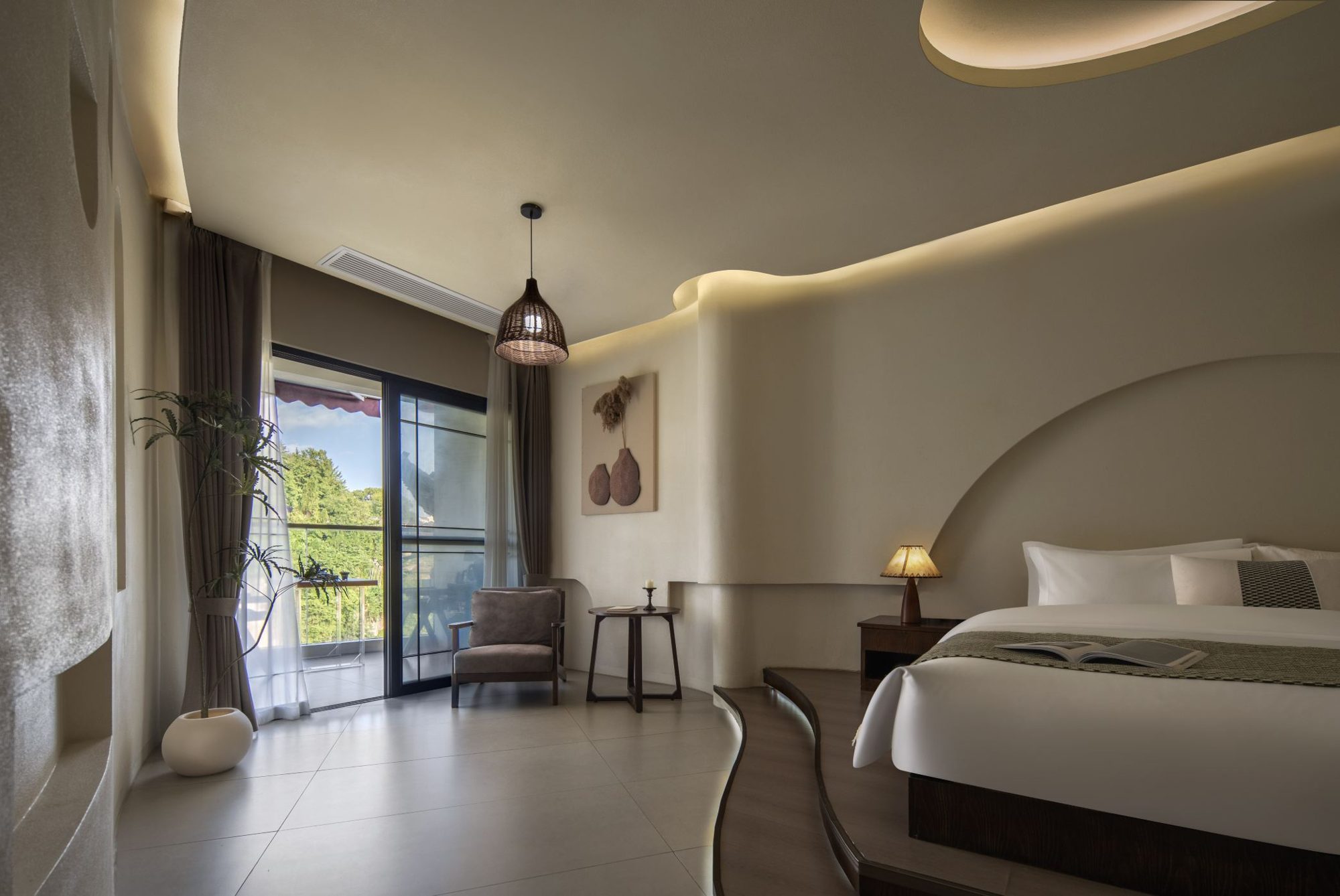
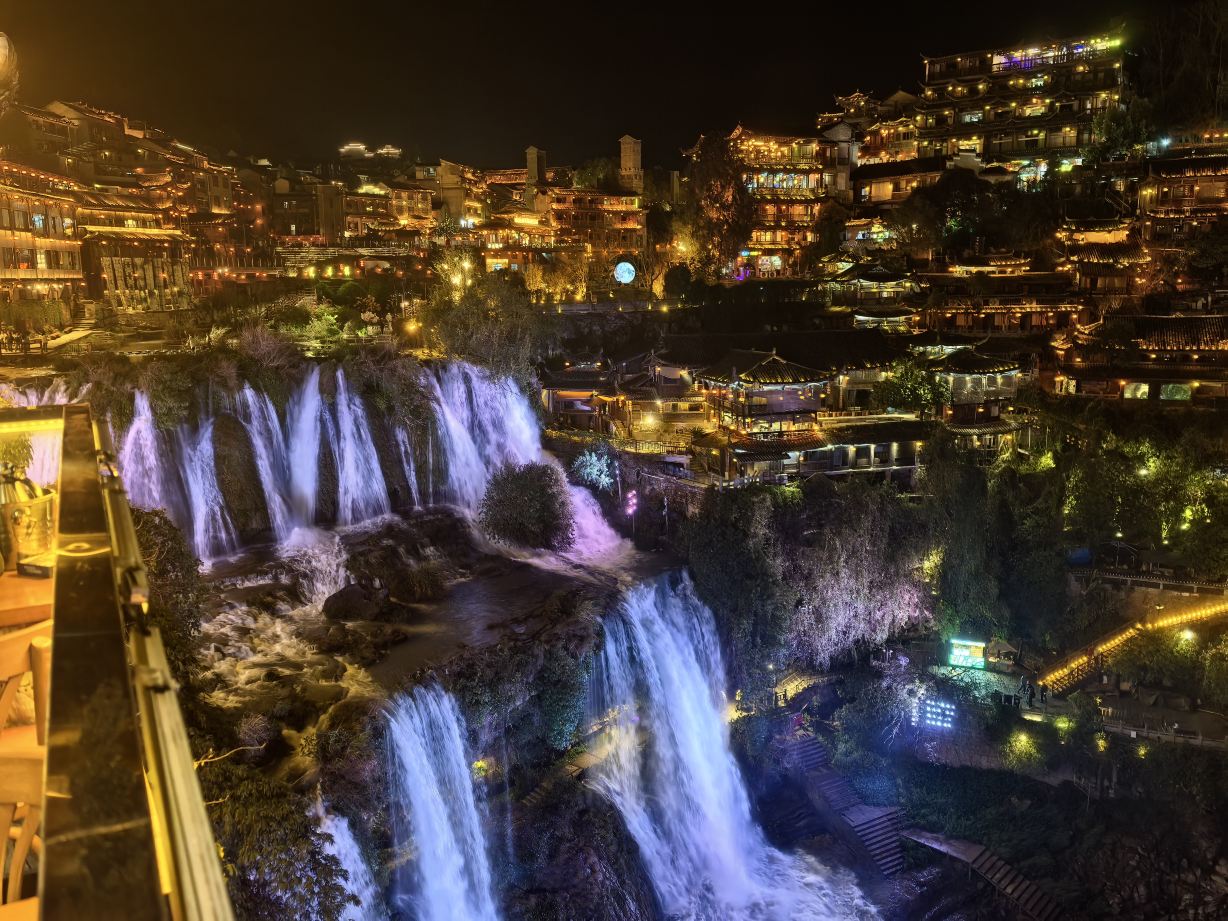
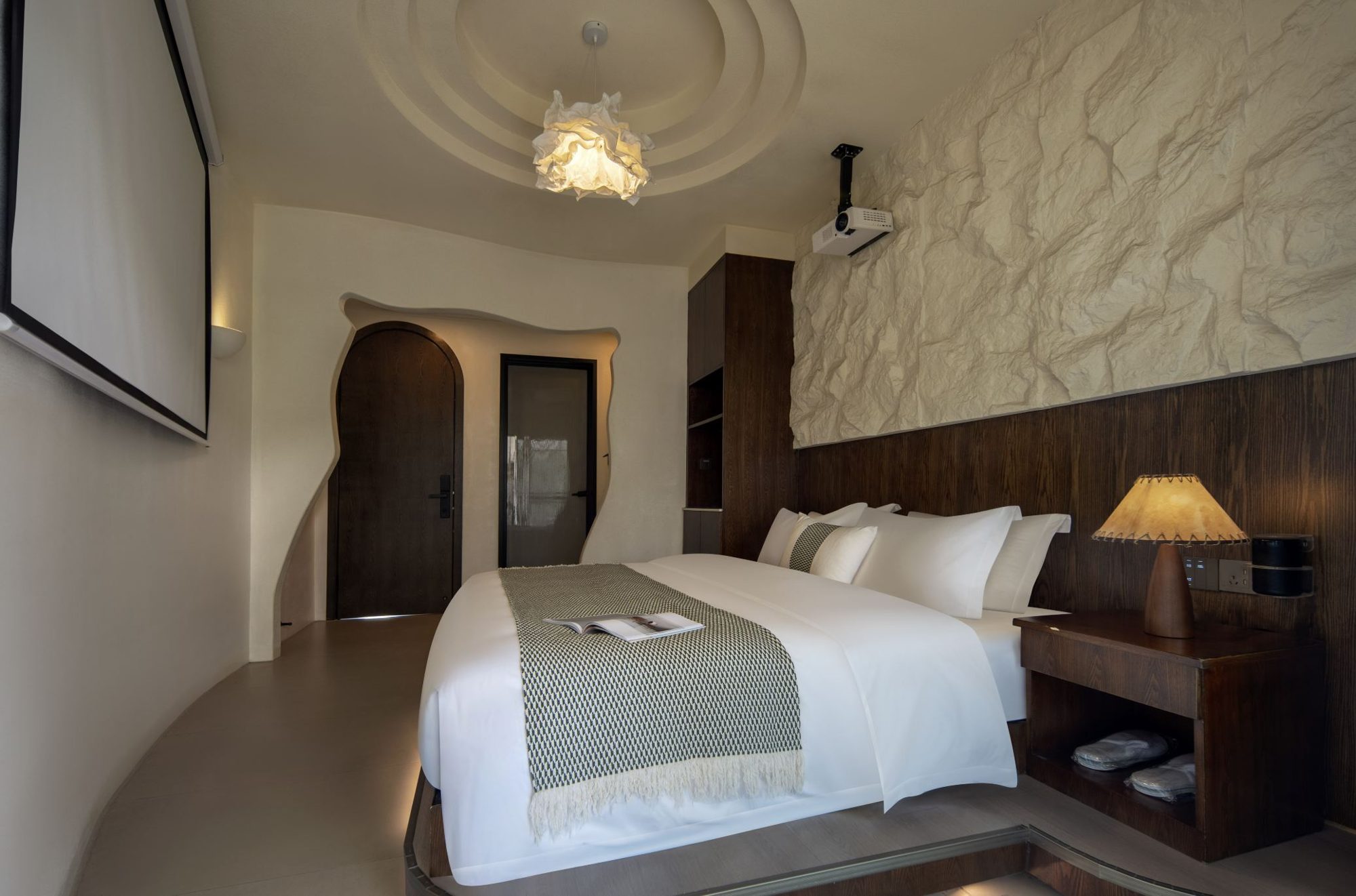
Eight rooms on the cliff beside Furong Town's waterfall, with private balconies onto the falls. One night.
These are examples of the boutique stays we book across the route. Because boutique hotels have so few rooms, a stay may occasionally be swapped for one of similar standard.
Knees, altitude, diet or a medical condition to think about? Tell us before you book and we'll say plainly whether this trip works, or shape one that does.
Five is the balance: one day for the quiet side of the Forest Park, one for Tianmen, and one for Laosicheng and Furong Town. Four drops Tianmen, so the trip is the park's quiet side and Tujia country. Six adds a second walking day in the park: the Huangshizhai loop from the south gate, about four and a half hours, or Yaozizhai, which reopened in September 2025 after ten years closed and is a full, hard day.
April to June for green forest and mist, and September to November for the clearest days. Avoid China's holiday weeks around 1 May and 1 October, and Spring Festival, when the park is at its busiest. Winter brings spells of snow and rime on the pillars; the Tianzi cable car closed for maintenance for part of January in 2026, and we route around closures like that. Furong Town's waterfall is fullest from June to August.
Moderate, with one long day. Day 2 is about six hours on foot: Wulong Village's path squeezes through caves and narrow clefts with steep steps, and the trail down from Yuanjiajie to Golden Whip Stream is about 6 km. Tianmen's 999 steps are optional, with escalators beside them. Laosicheng and Furong Town are easy walking on old paving and stone steps.
If you like history you can walk through, yes. It was the seat of the Peng family, the Tujia chieftains who ruled here for the imperial court, and since 2015 it has been a World Heritage site with two other tusi sites, Tangya and Hailongtun. The museum is free and closed on Mondays. It counted about 45,000 visitors in 2023; Furong Town, an hour away, had 6.5 million in 2025.
The Forest Park sells a four-day pass, and every entry is booked for a time slot and a gate. Since autumn 2026 the cable cars and the Bailong Elevator have been sold one way at a time, in limited numbers, so we book each leg for the direction you'll ride. The long queues are for coming down in the afternoon, which is why Day 2 goes up early and walks down.
Fly into Zhangjiajie Hehua airport (DYG), with direct flights from Shanghai, Beijing, Guangzhou and Shenzhen, or take the high-speed train to Zhangjiajie West, about four hours from Chengdu East. The trip ends at Furong Town's high-speed station, about 25 minutes from Zhangjiajie West.
Every day, stay and date tailored to you — shaped over a call with someone who has walked the route, never a template.
Tell us your dates and what moves you. We reply within one business day, then shape a proposal — no obligation, never a templated package.
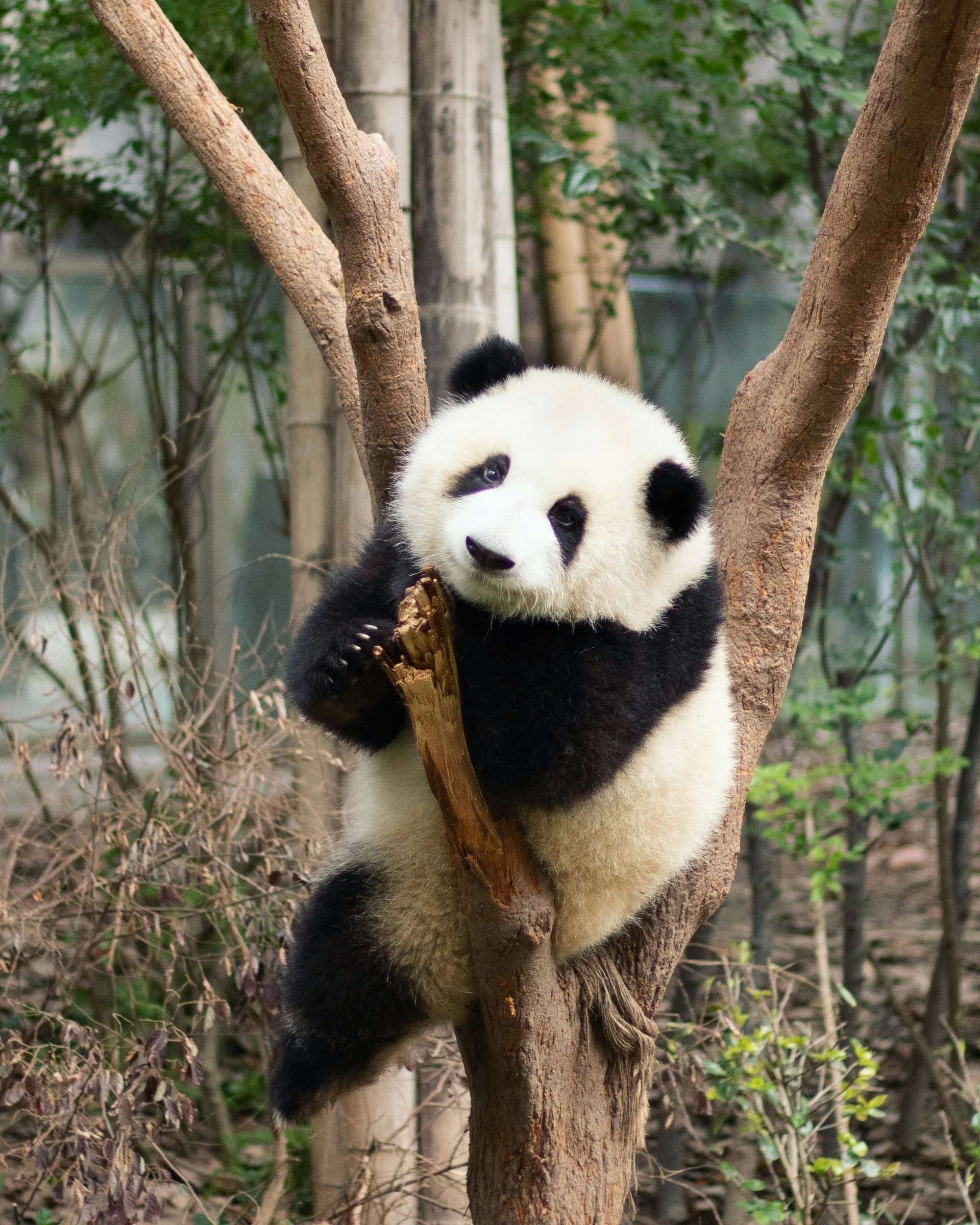
Seven days in and around Chengdu for families: a morning with the panda keepers, the 3,000-year-old bronzes of Sanxingdui, Zaha Hadid's science-fiction museum, Dujiangyan's ancient waterworks, a teahouse afternoon and a dan dan noodle class, and the 71-metre Leshan Giant Buddha from the river.
See the itinerary →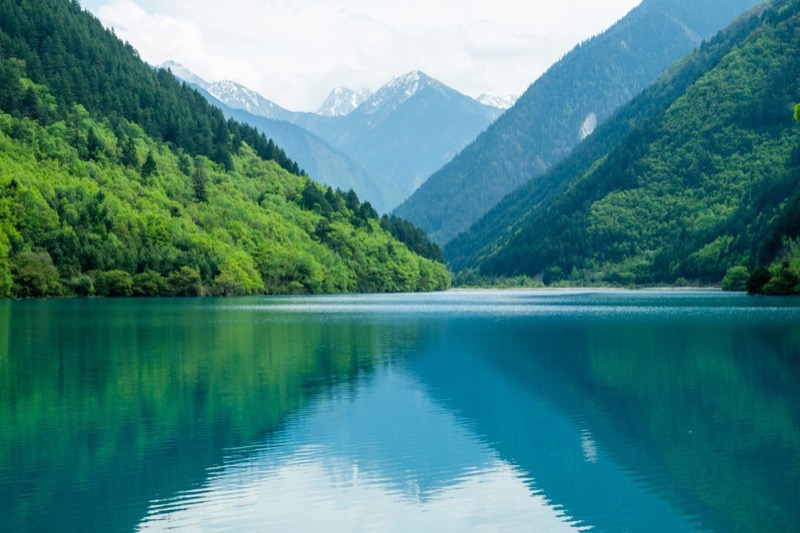
Giant Pandas at the Chengdu Research Base, then three days in the alpine lakes of Siguniang or Jiuzhai Valley. City culture first, mountain silence after.
See the itinerary →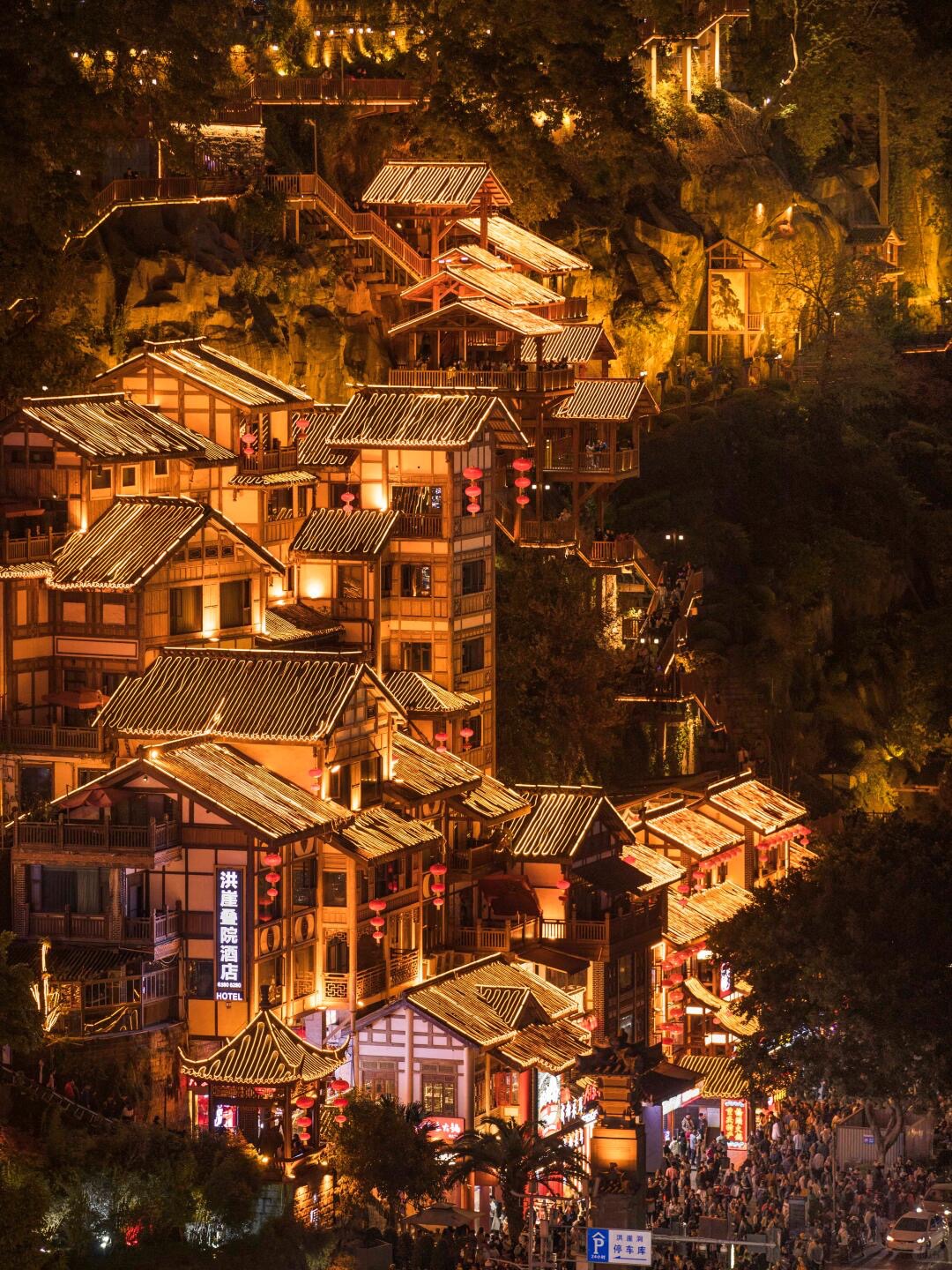
A 5–6 day private tour weighted toward Chongqing — neon river cities, UNESCO Wulong Karst, the Longji (Dragon's Backbone) ridge hike above the Yangtze, and two different tables of Sichuan heat. Bookended with a soft Chengdu landing.
See the itinerary →