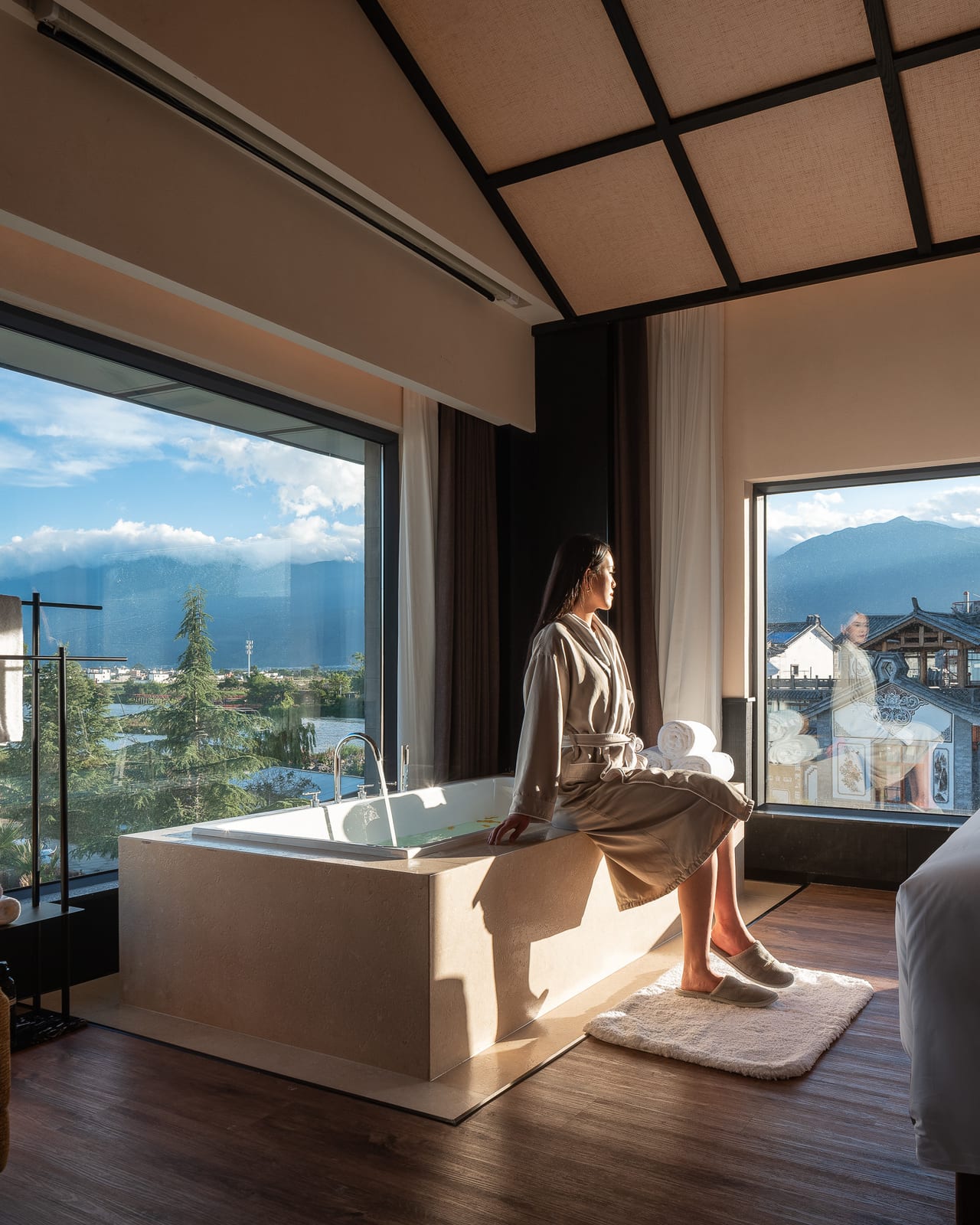
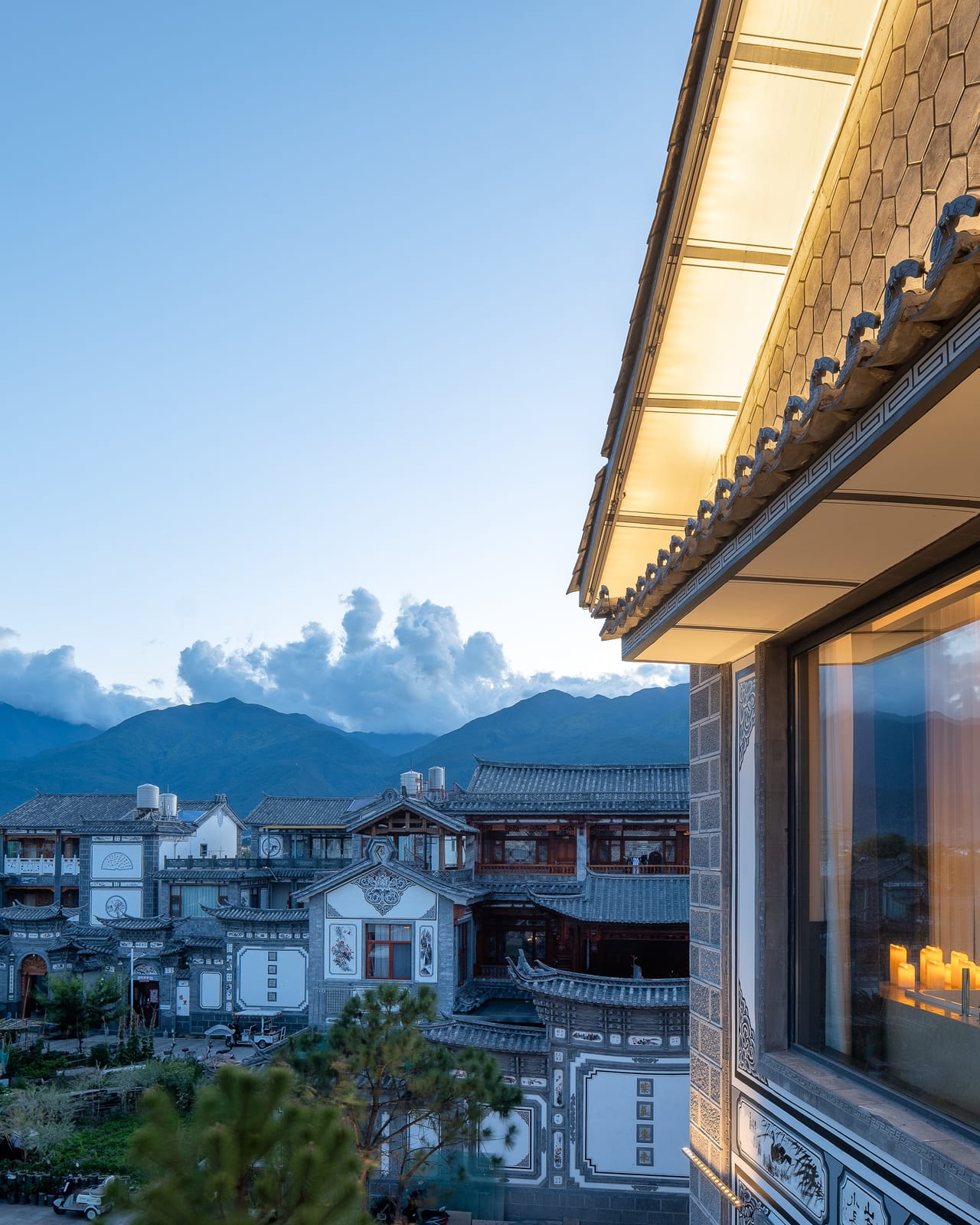
Xizhou · Dali
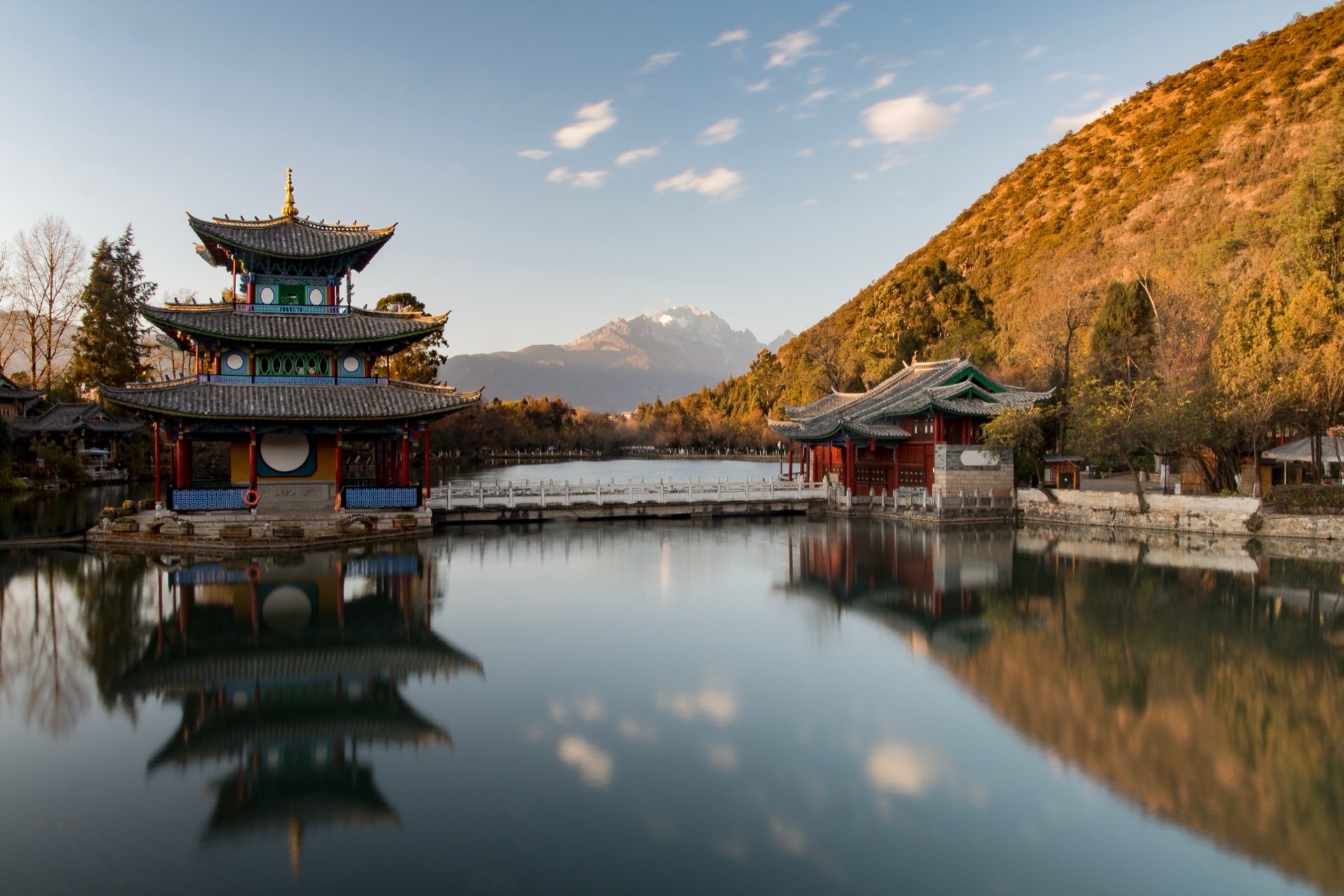
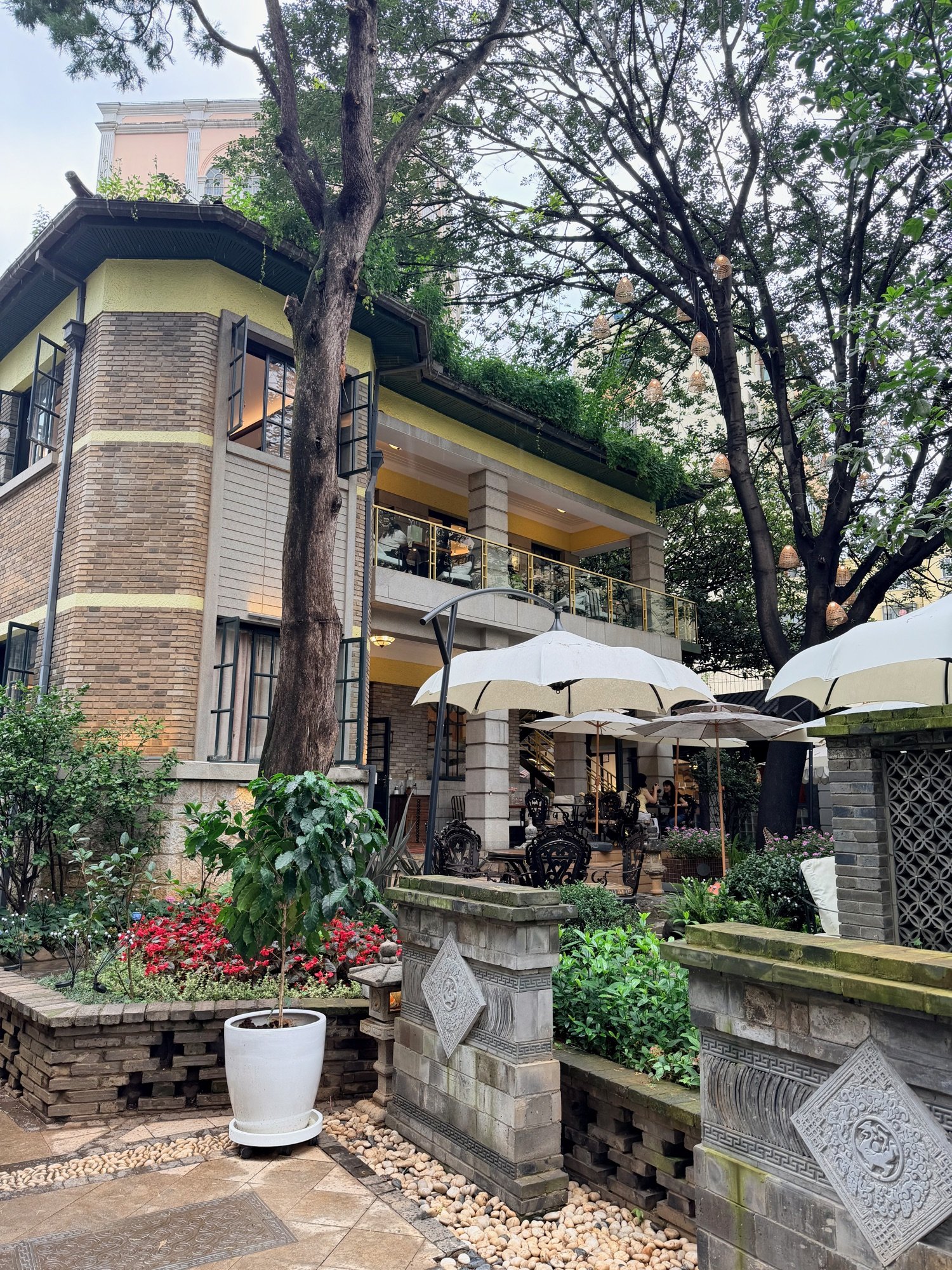
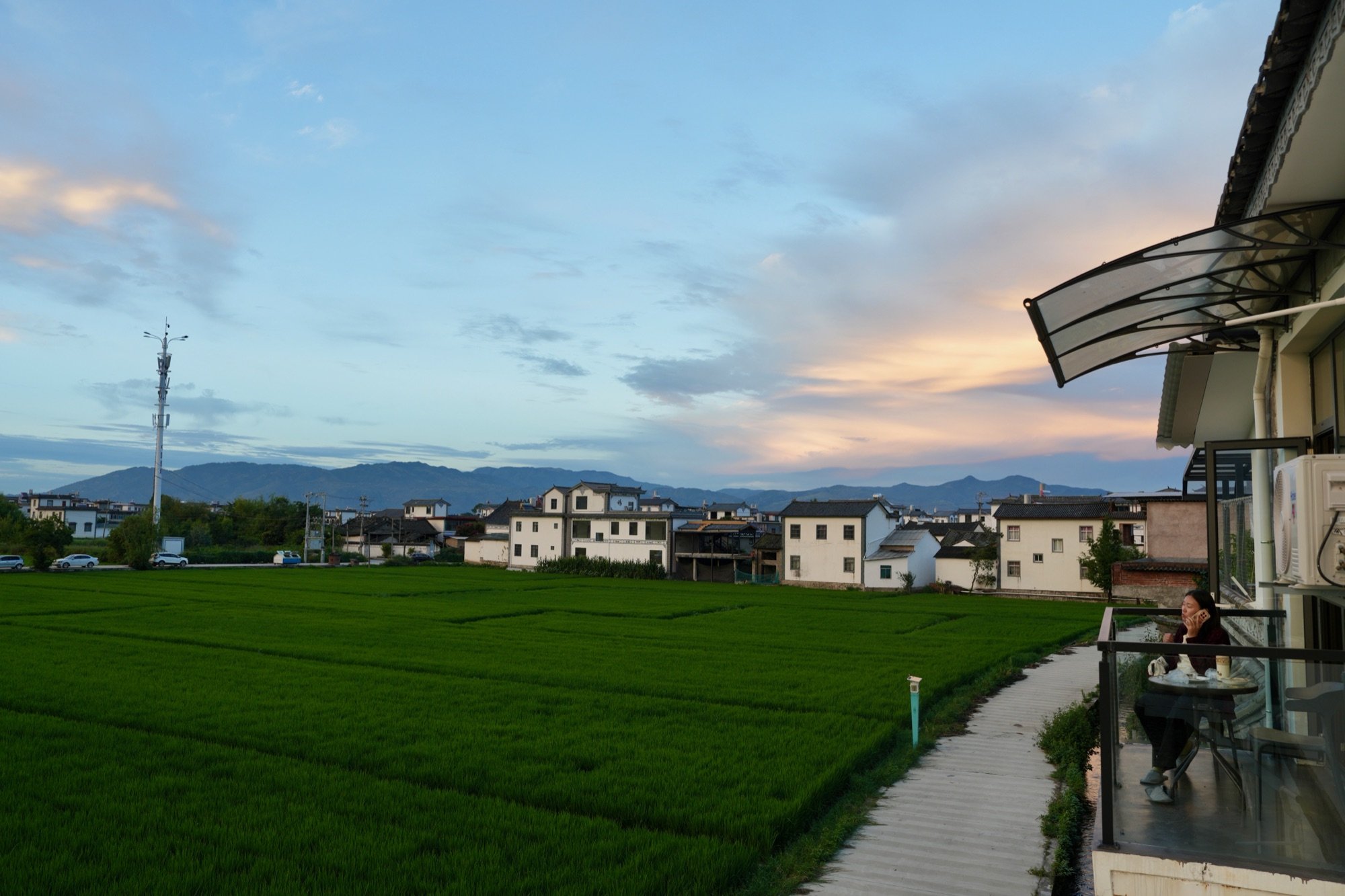
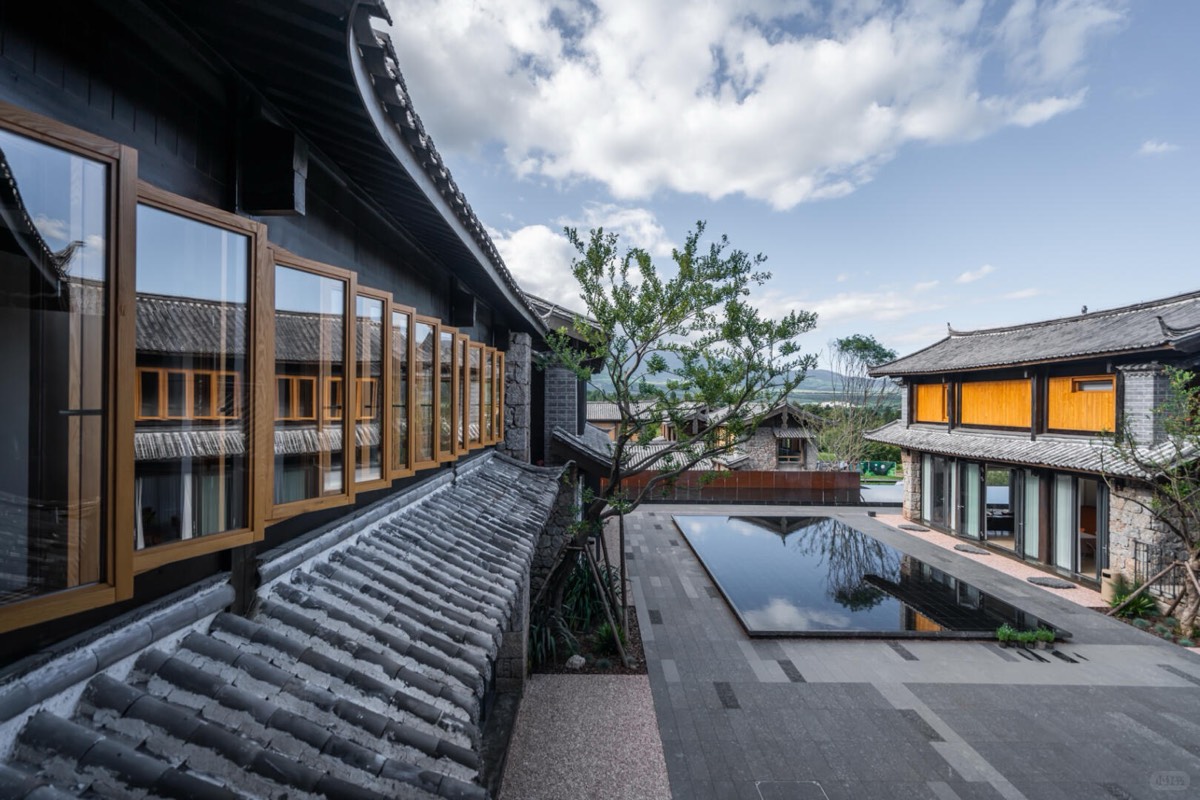
Grey-tiled Bai courtyards around a black reflecting pool, with Cang Mountain ahead. One night, and the foothills forage starts close by the next morning.

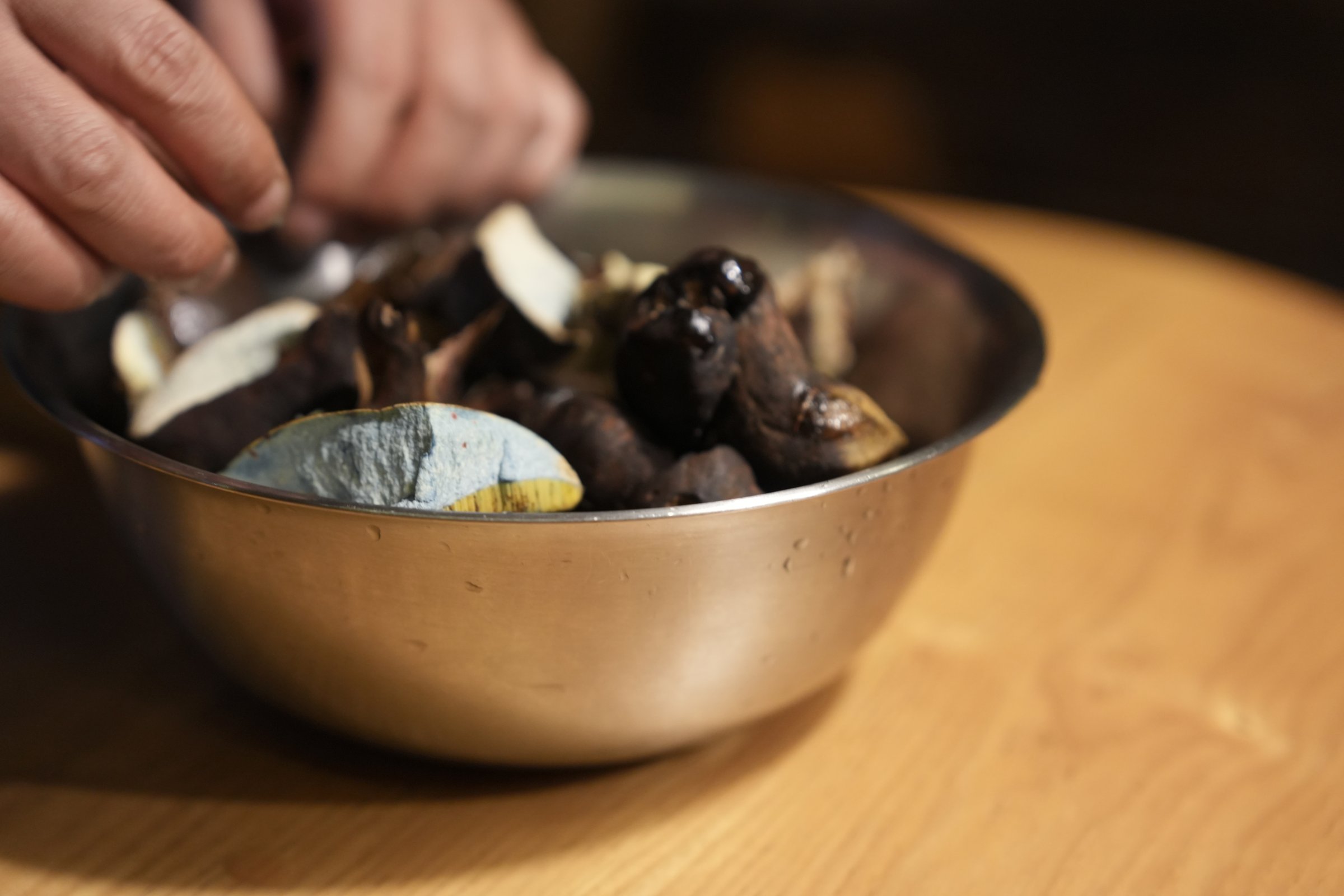
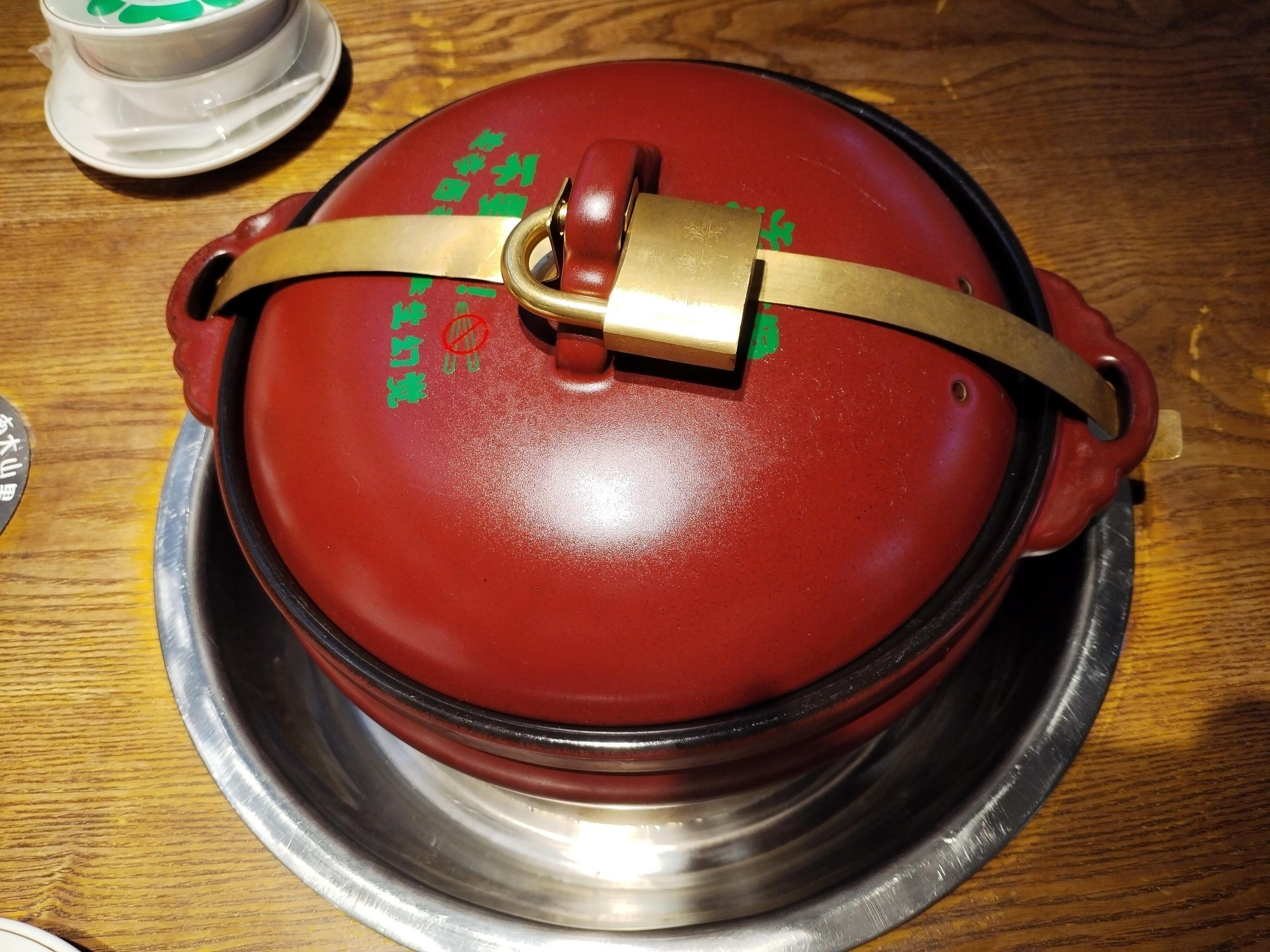
Your driver handles the 45 minutes in from the airport. The first real instruction comes at dinner: do not touch the pot. In August 2026 a routine from Yunnan's mushroom restaurants went round the internet. The server locks the lid over the broth, keeps the key and comes back when the time is up; other kitchens put a clock on the table instead. We book a dining room that does one or the other, because jianshouqing (见手青), the bolete that bruises blue, is often in the broth and has to be cooked all the way through. So you sit, steam leaking round the lid, watching a timer like a penalty shootout. Chopsticks stay down until it rings.
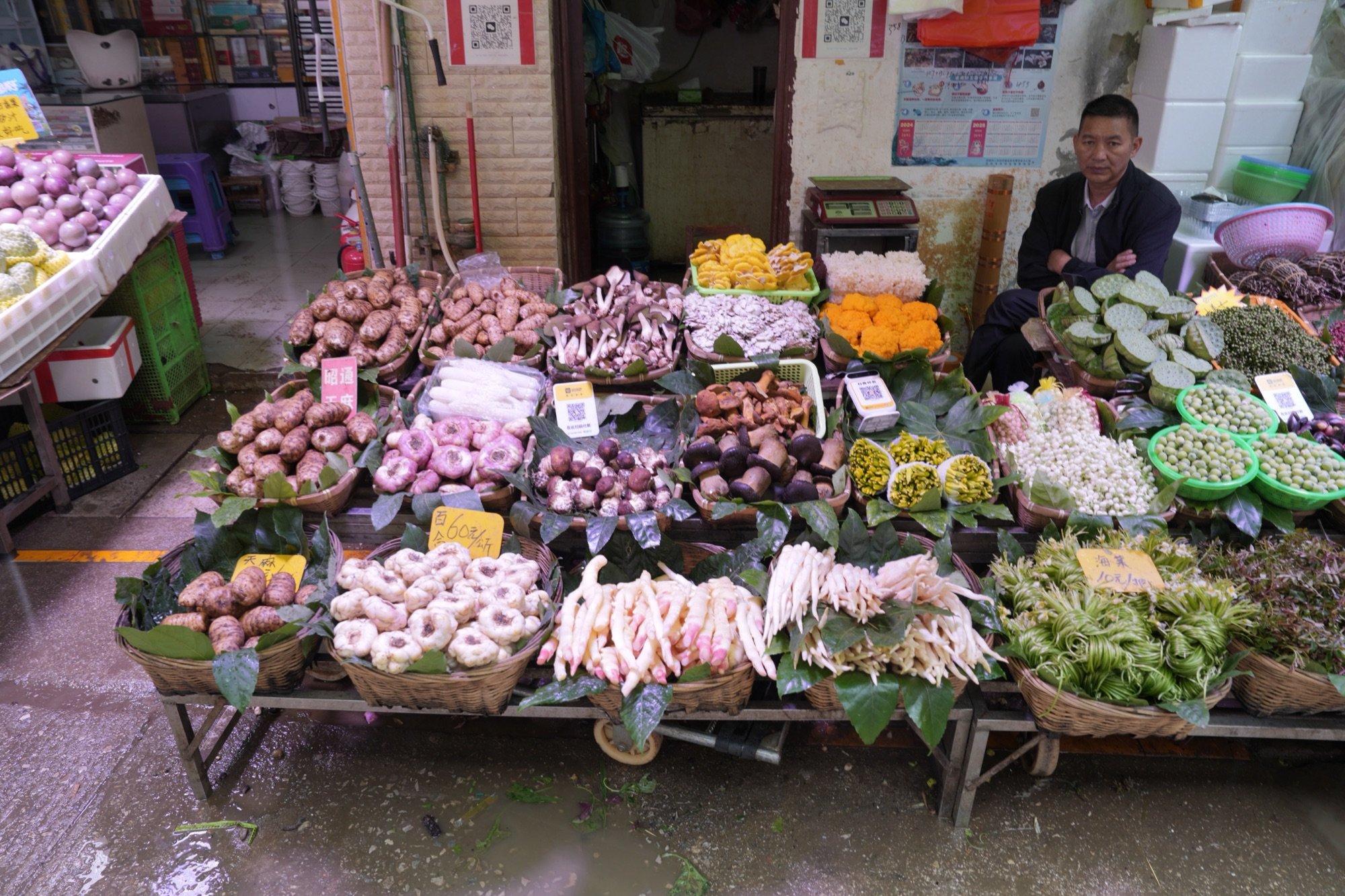
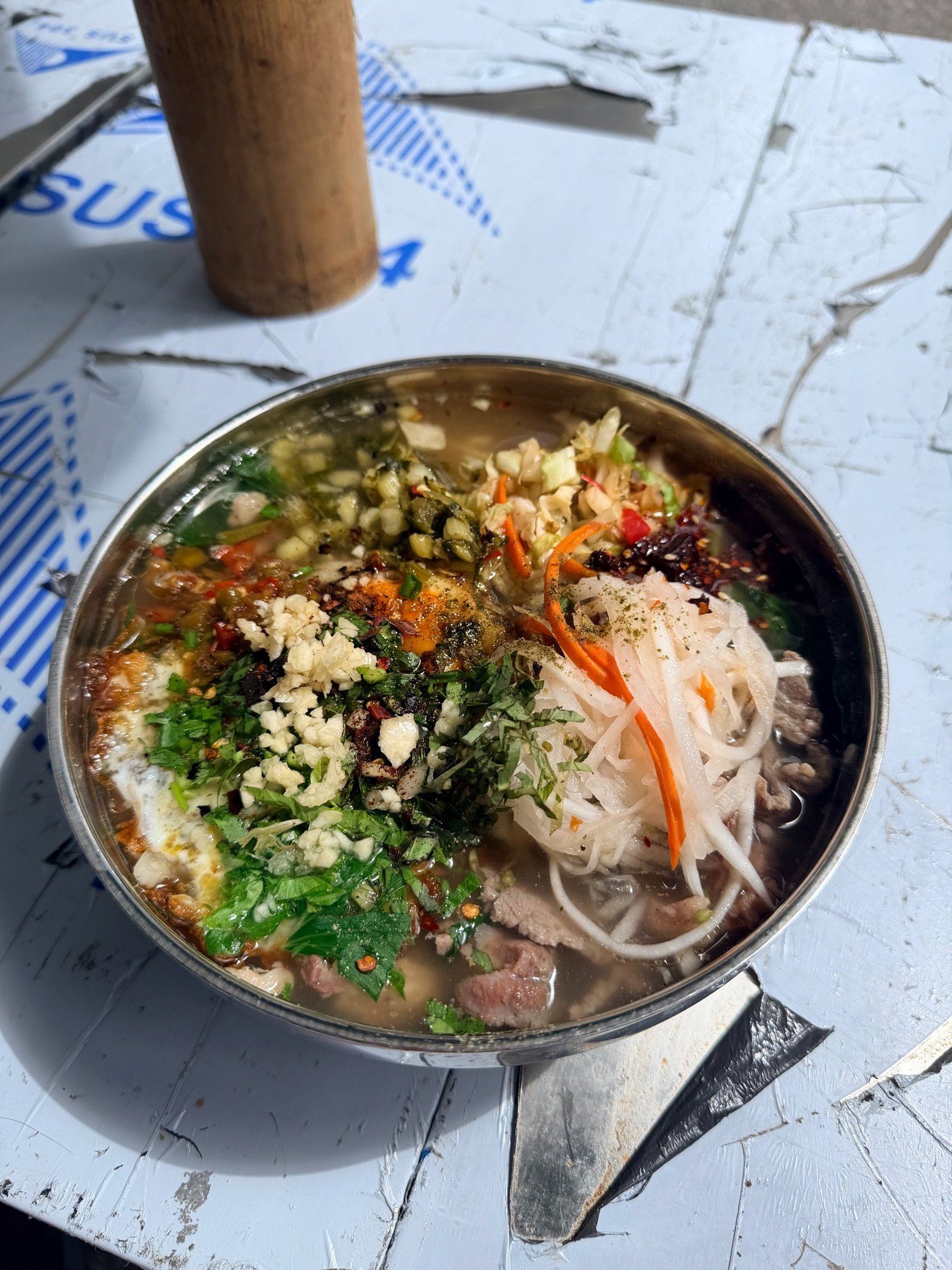
Noodles first. Then the mycologist lays out the species you will meet, the look-alikes you won't want to, and the "little people" story. Eat jianshouqing undercooked and the hallucination people describe is of tiny figures crossing the room. It is Yunnan's favourite joke and it is also a poisoning, so that is how it gets told. At about 15:30 the trucks back in at Mushuihua (木水花野生菌交易中心), the 24-hour market Yunnan Daily calls China's largest, and the 车尾菌市, the truck-tail mushroom market, starts trading off the tailgates. Your guide buys for the table. A private kitchen turns the haul into jizong oil (鸡枞油) and fried rice with ganba (干巴菌), and you find out why people pay what they pay.
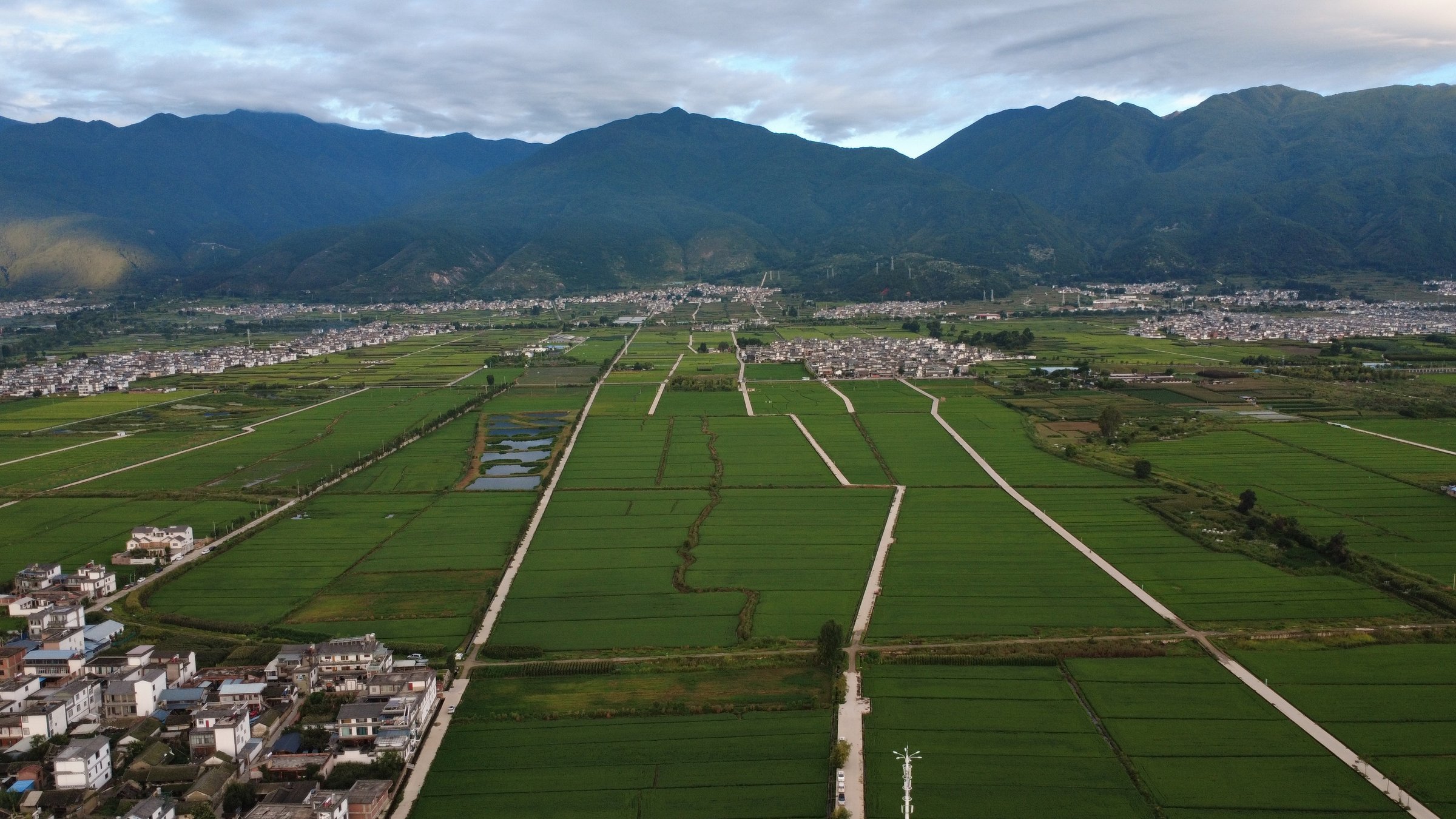
Out of Kunming early, about two hours west to Nanhua (南华) in Chuxiong, a county that really does hold the title "wild mushroom hometown". August is its peak, and the morning market is where you see what that means, a county's worth of wet baskets and hard bargaining. Lunch is in a Yi village. Chuxiong is Yi country, fire sits at the centre of the Yi year and the Torch Festival falls in this stretch of summer, so the hearth is where the conversation starts. Then about two and a half hours further west to Xizhou, on the plain below Cangshan, with the rice green and the cloud sitting on the range.
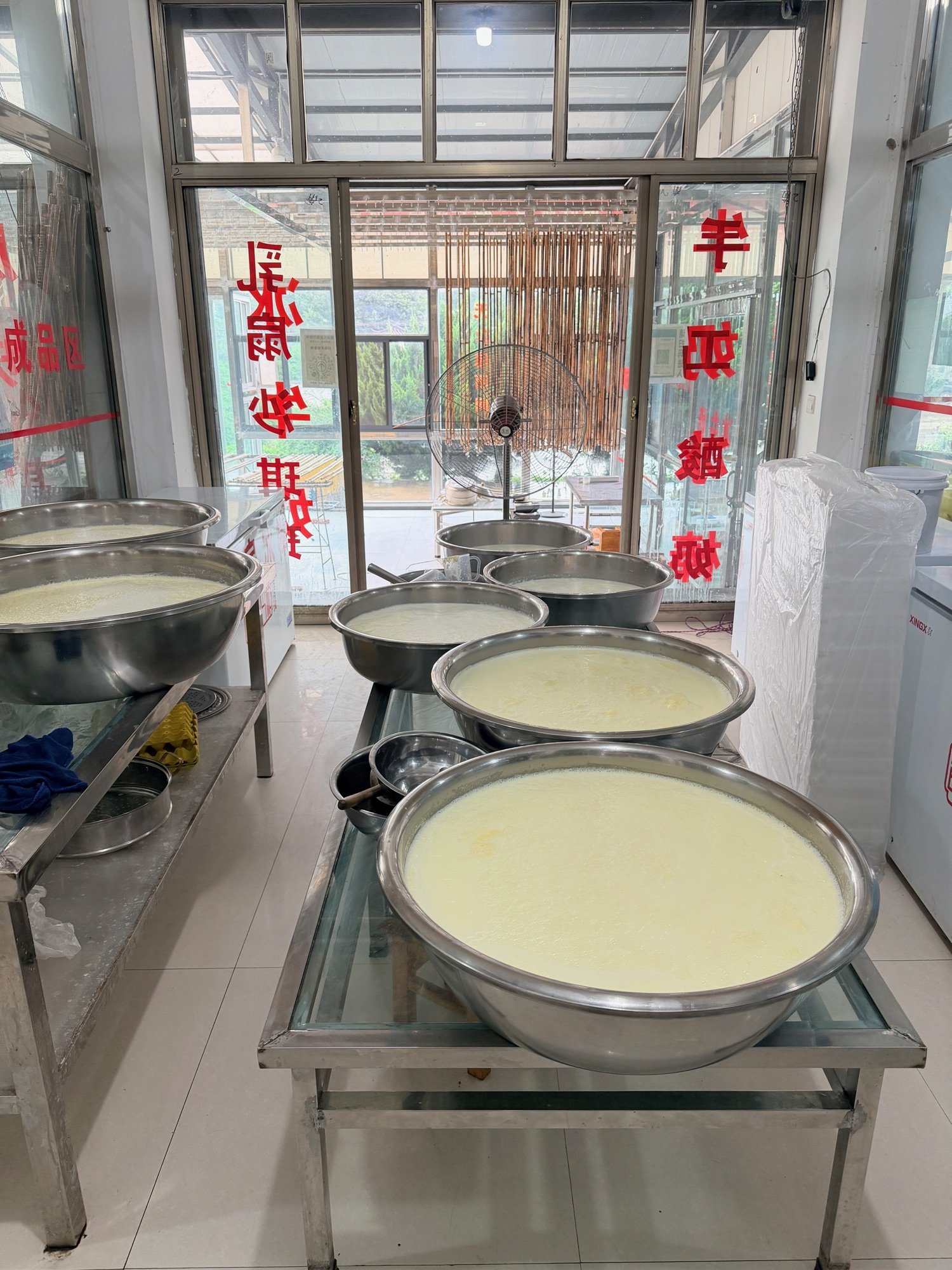
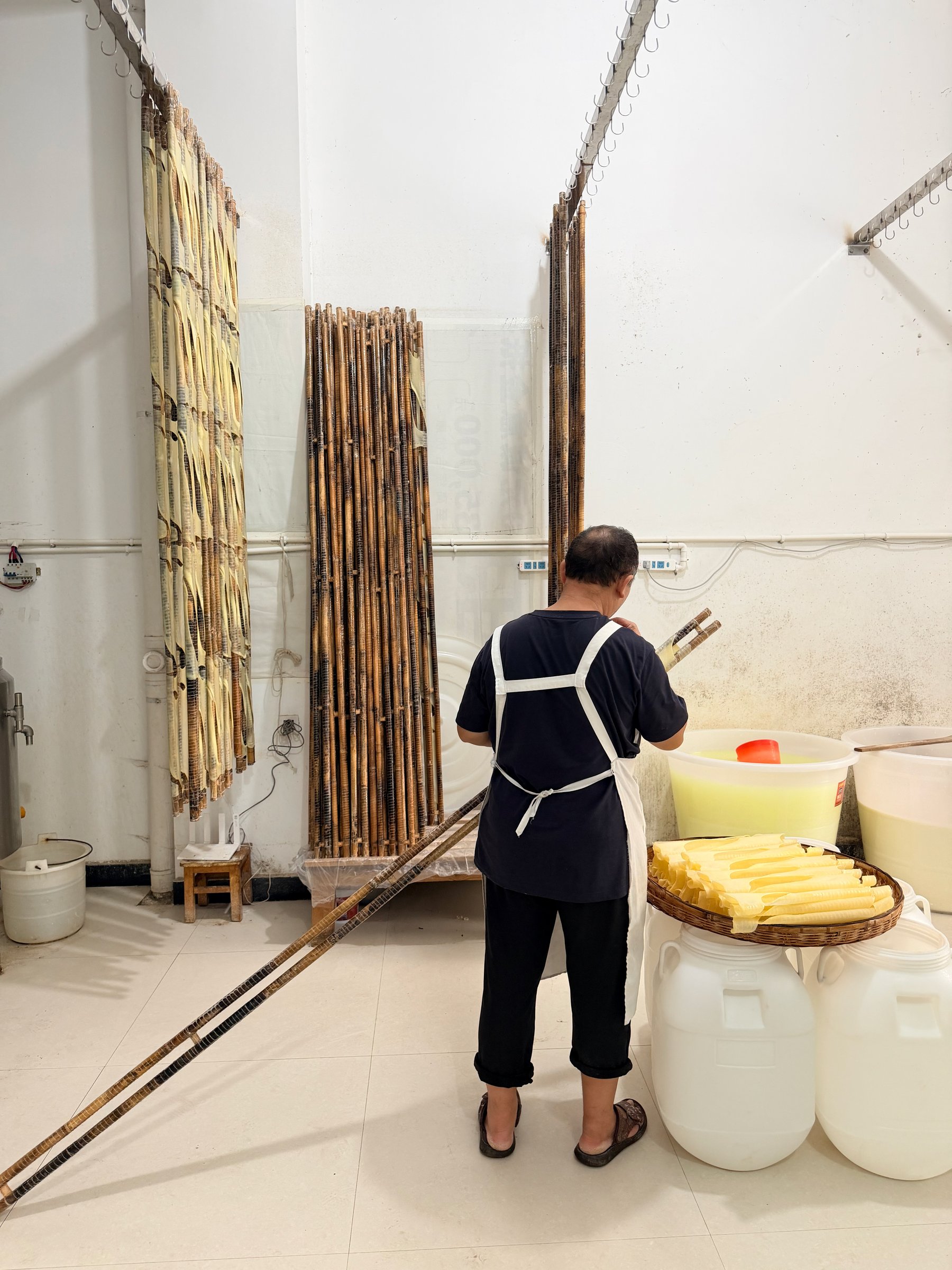
Wet ground, slow steps, a great deal of looking at your feet. A local picker takes you into the Cangshan foothills above Xizhou, and the expert comes too. This is where the rule stops being theoretical: everything you find goes past the expert before it goes near a pan, and anything in doubt goes back on the forest floor. What survives comes to a Bai cooking class, along with two dairy foods most visitors never expect in China: rushan, the milk curd stretched over bamboo poles at Dengchuan, up the road, and rubing, the fresh pressed cheese. Then the afternoon drive north, about two and a half hours to Lijiang.
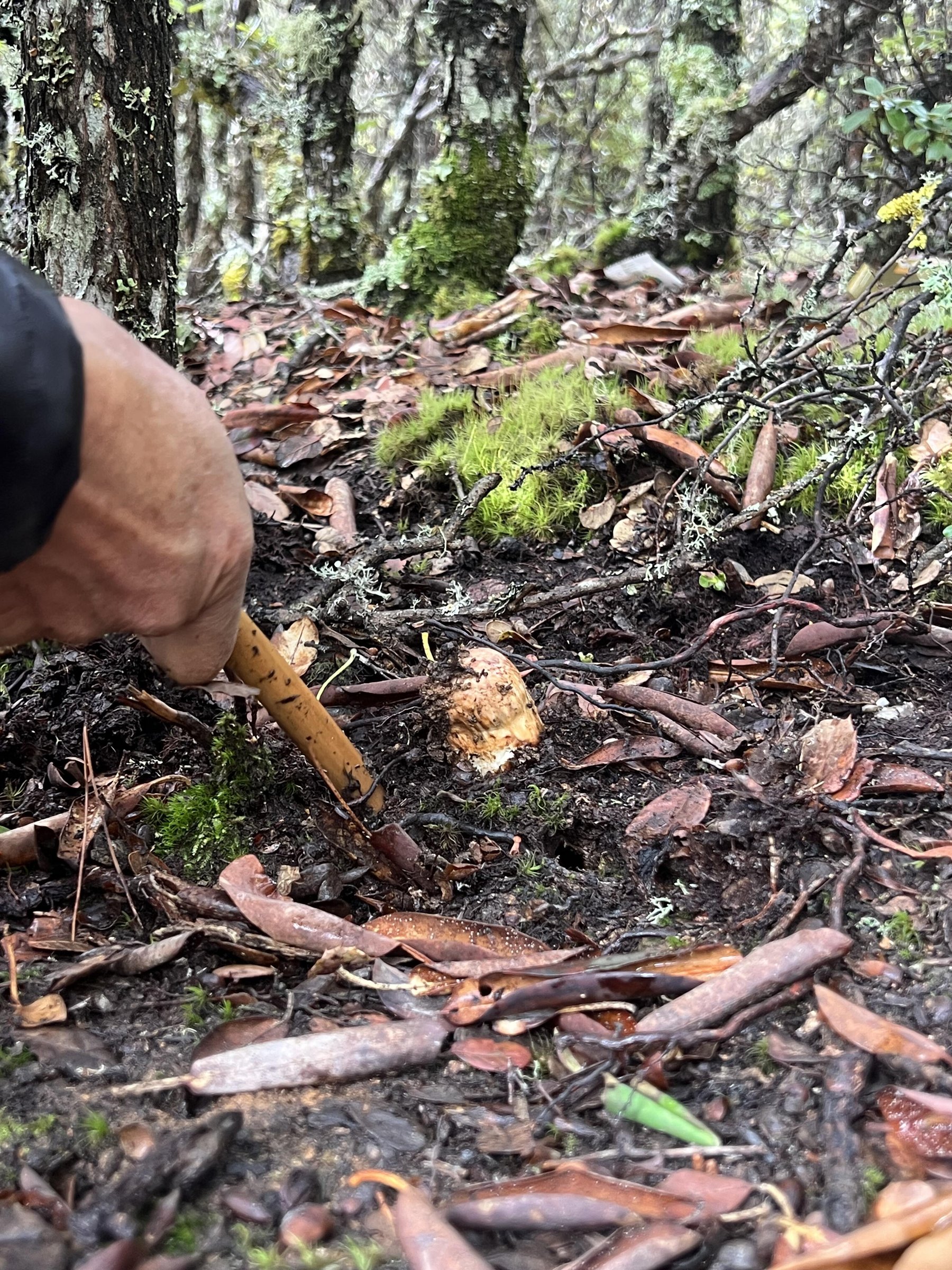
A dark start. A matsutake picker leads you into the pine forests of Yulong, with the expert alongside as on every forage. Matsutake sit under the needle litter and a morning can go either way, so nobody here promises you a basket. Lunch belongs to a chef who cooks what came out of the forest, topped up from the market if the forest said no: on a hot stone first, then in broth, every piece cooked through. In the afternoon you see the commercial end of it at Lijiang's edible-fungus trading centre in the Xishang agricultural city, where the sorting hall grades the day's matsutake and the cold-chain dispatch sends them on by air. The ones you ate had a shorter trip.
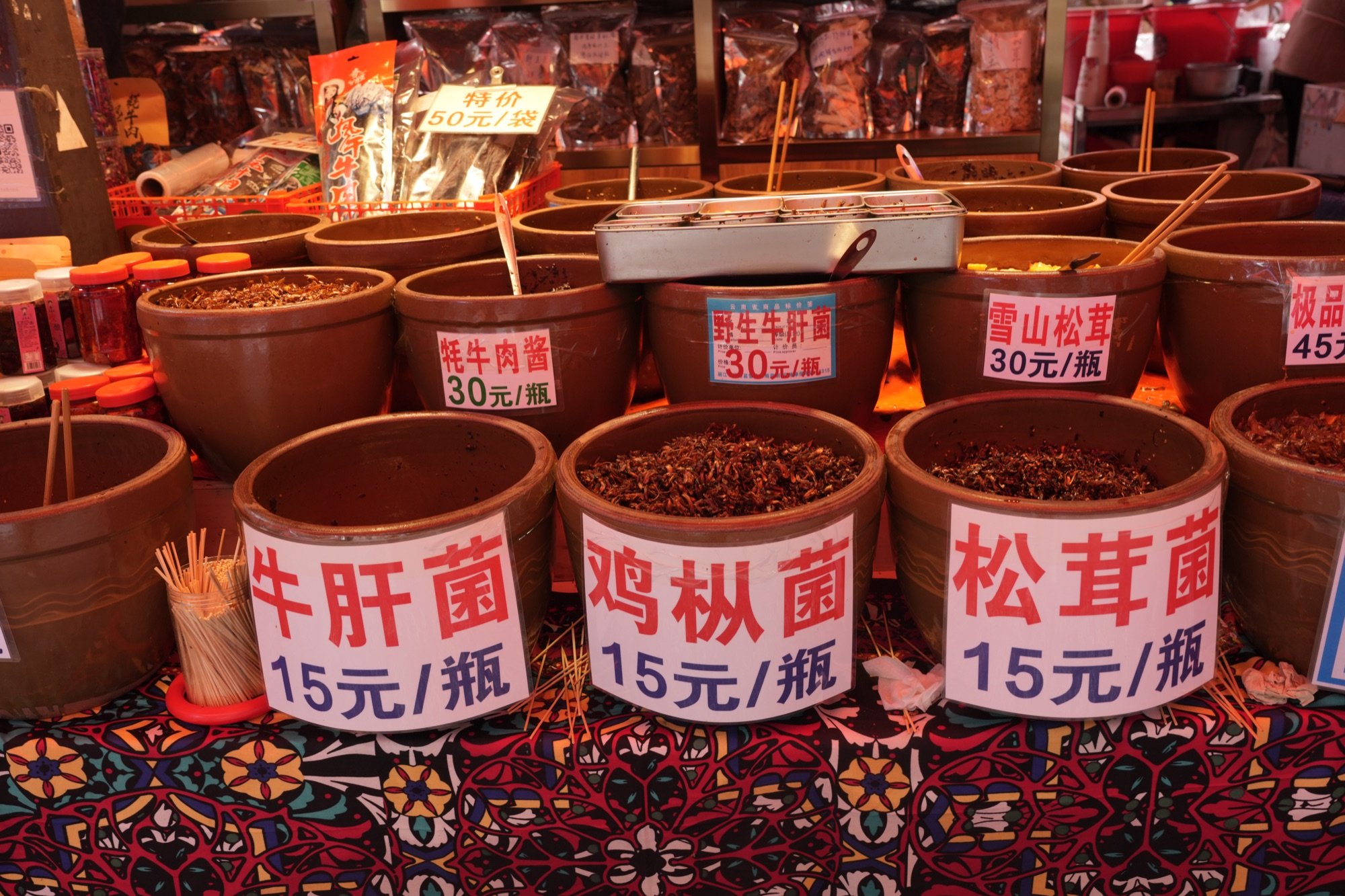
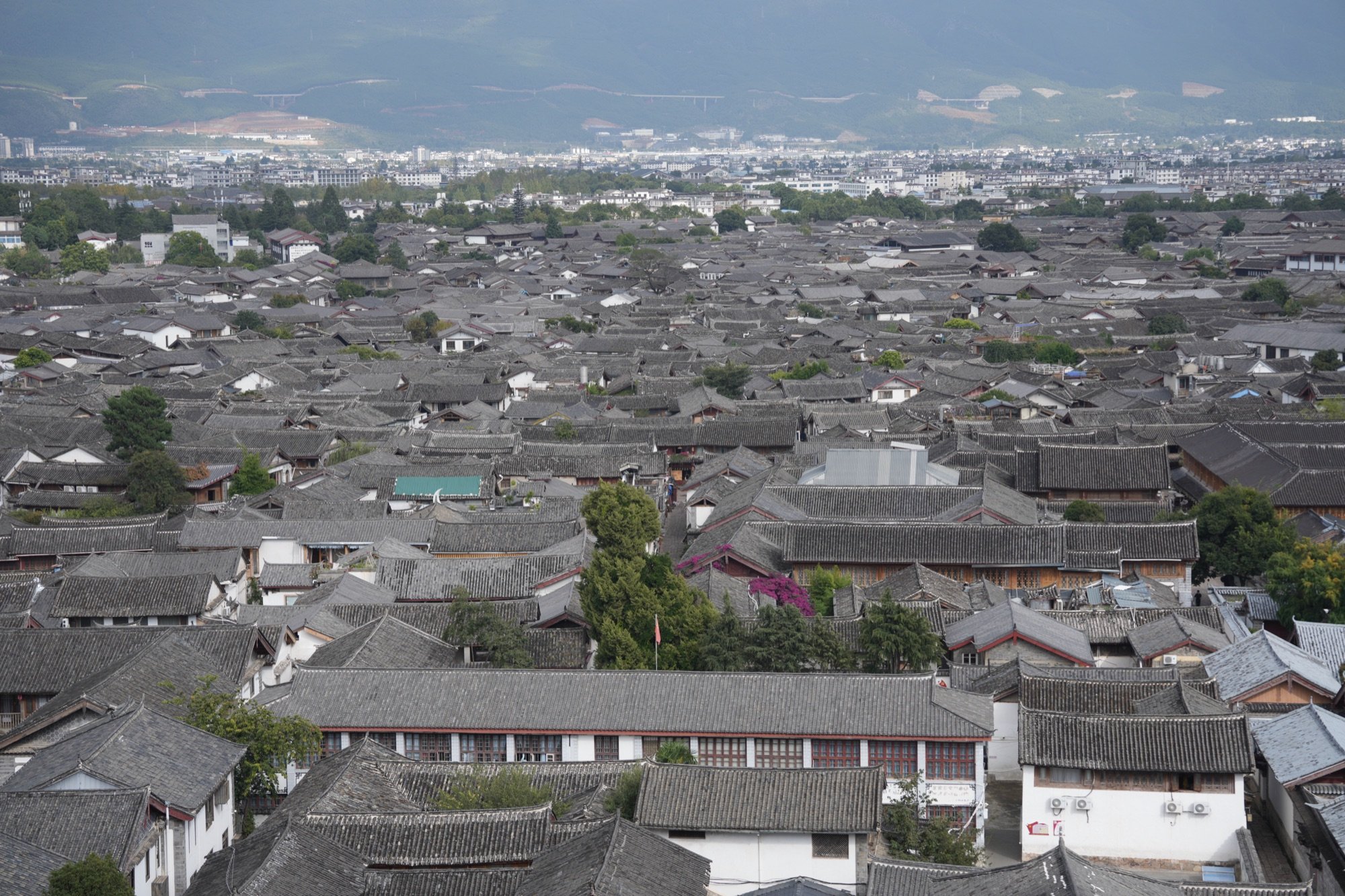
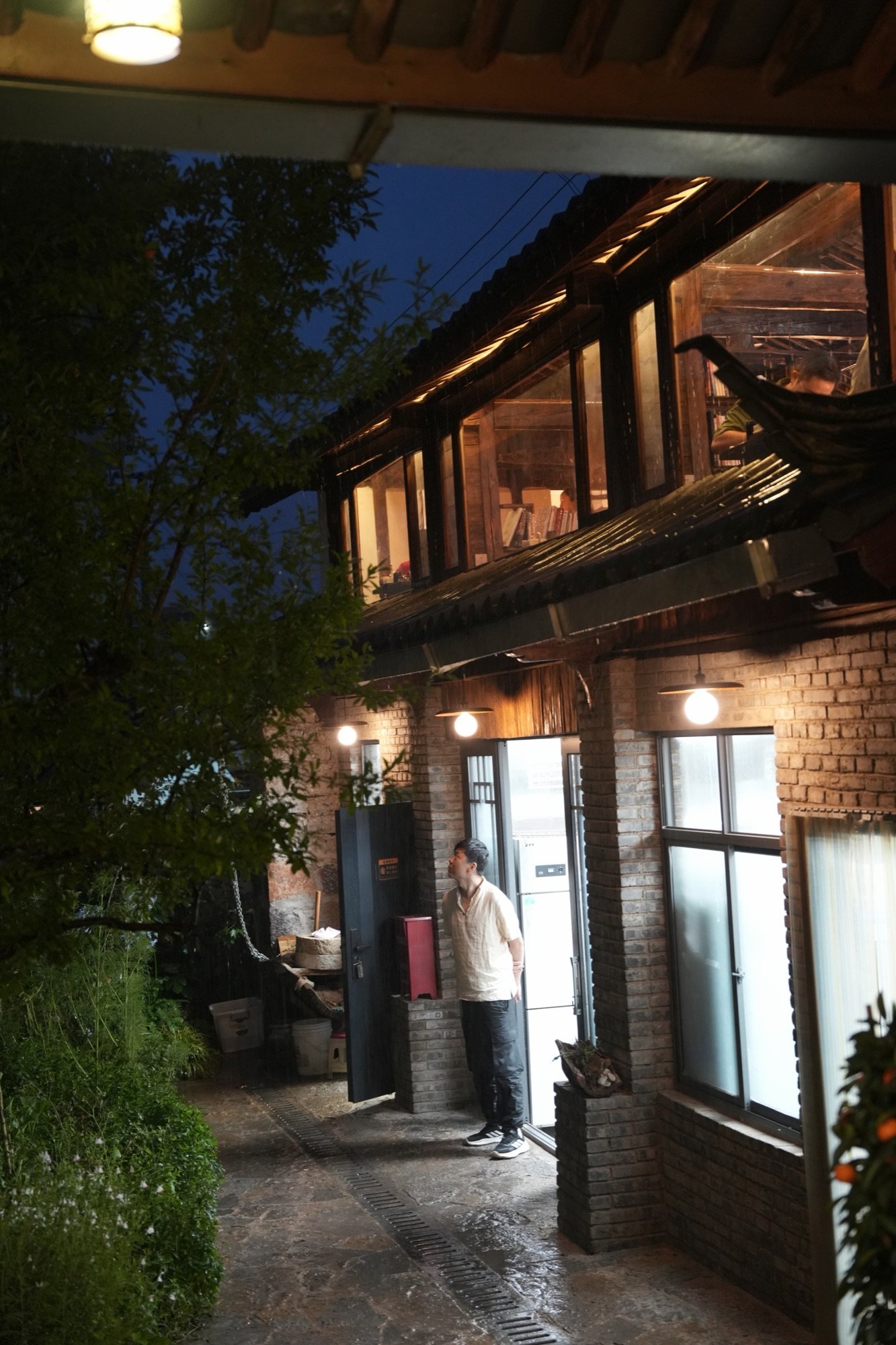
No forest today. Lijiang's old town is a different place before 10am and after dusk, so we use those hours and leave the middle of the day to everyone else. In between comes Baisha, the Naxi village under Jade Dragon with its Ming-era murals, and lunch at a Naxi family table: baba, the local flatbread, preserved ribs and whichever mushrooms came in that morning. Jade Dragon Snow Mountain is there if you want it, but in the rains the top is often lost in cloud, and we would rather tell you that than sell you a view of the inside of one. The forecast decides. One more forest is coming, higher up.
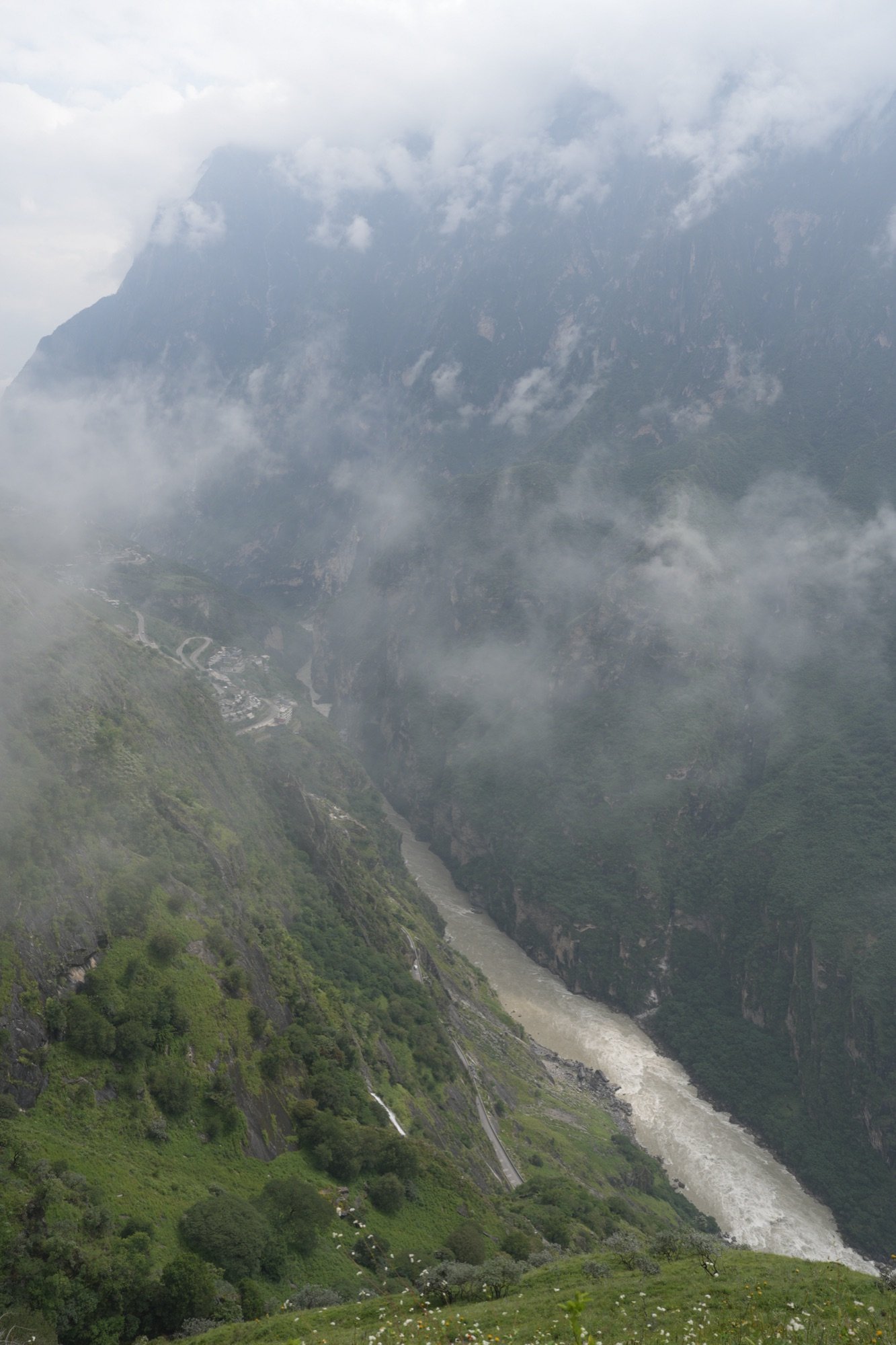
An hour north of Lijiang the Jinsha squeezes through Tiger Leaping Gorge (虎跳峡), brown and loud in the rains. Lunch is a picnic on the road, weather allowing, and the road then keeps climbing for about two hours to Shangri-La at around 3,200 metres. That is roughly 800 metres higher than you woke up, so the afternoon goes slowly on purpose. The welcome is butter tea in a Tibetan village, with your first proper look at the highland country that fills Diqing's matsutake baskets. If heavy rain has made the gorge road a bad idea, we drop the gorge and put you on the train from Lijiang instead, about an hour and twenty minutes.
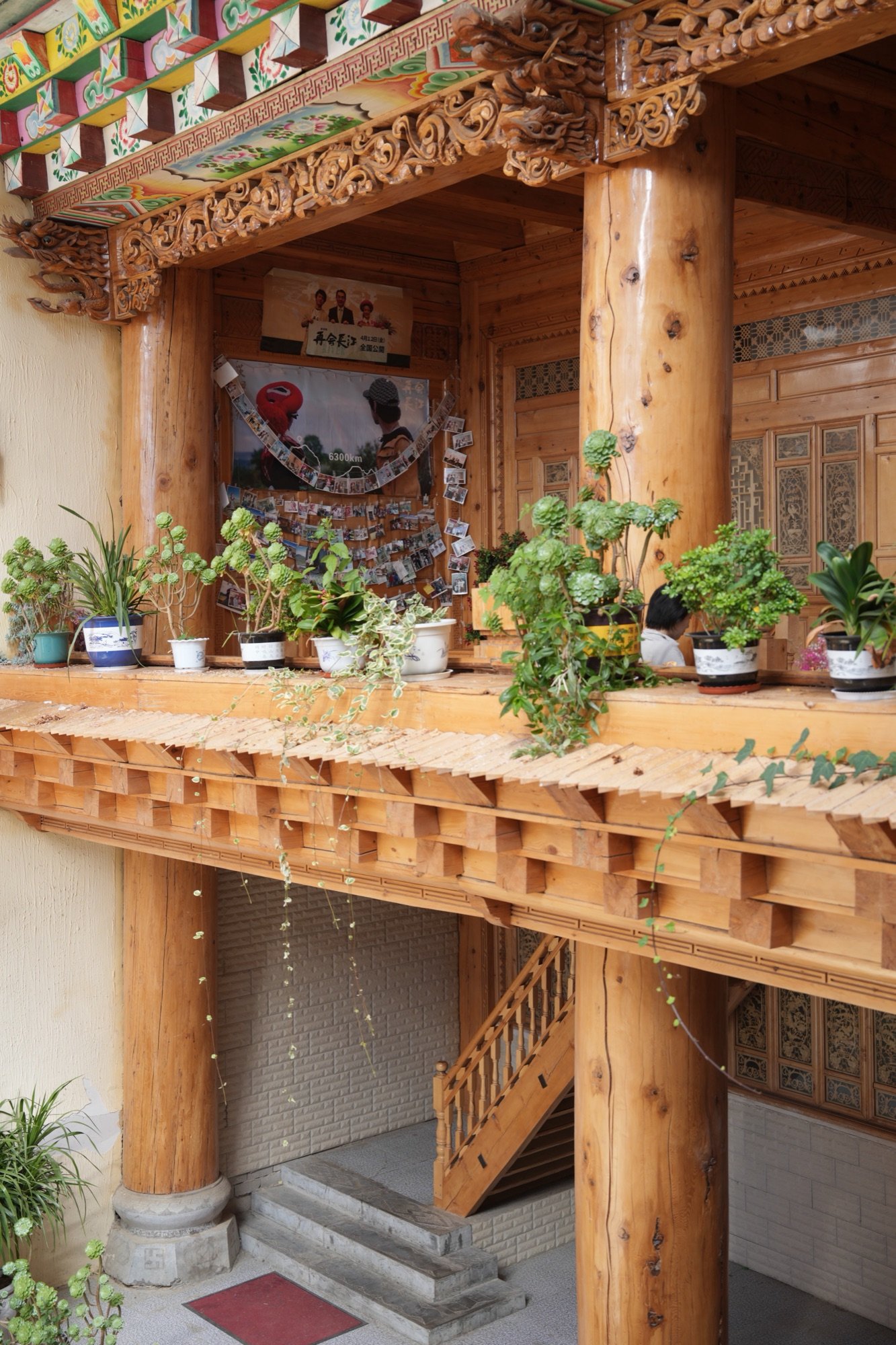
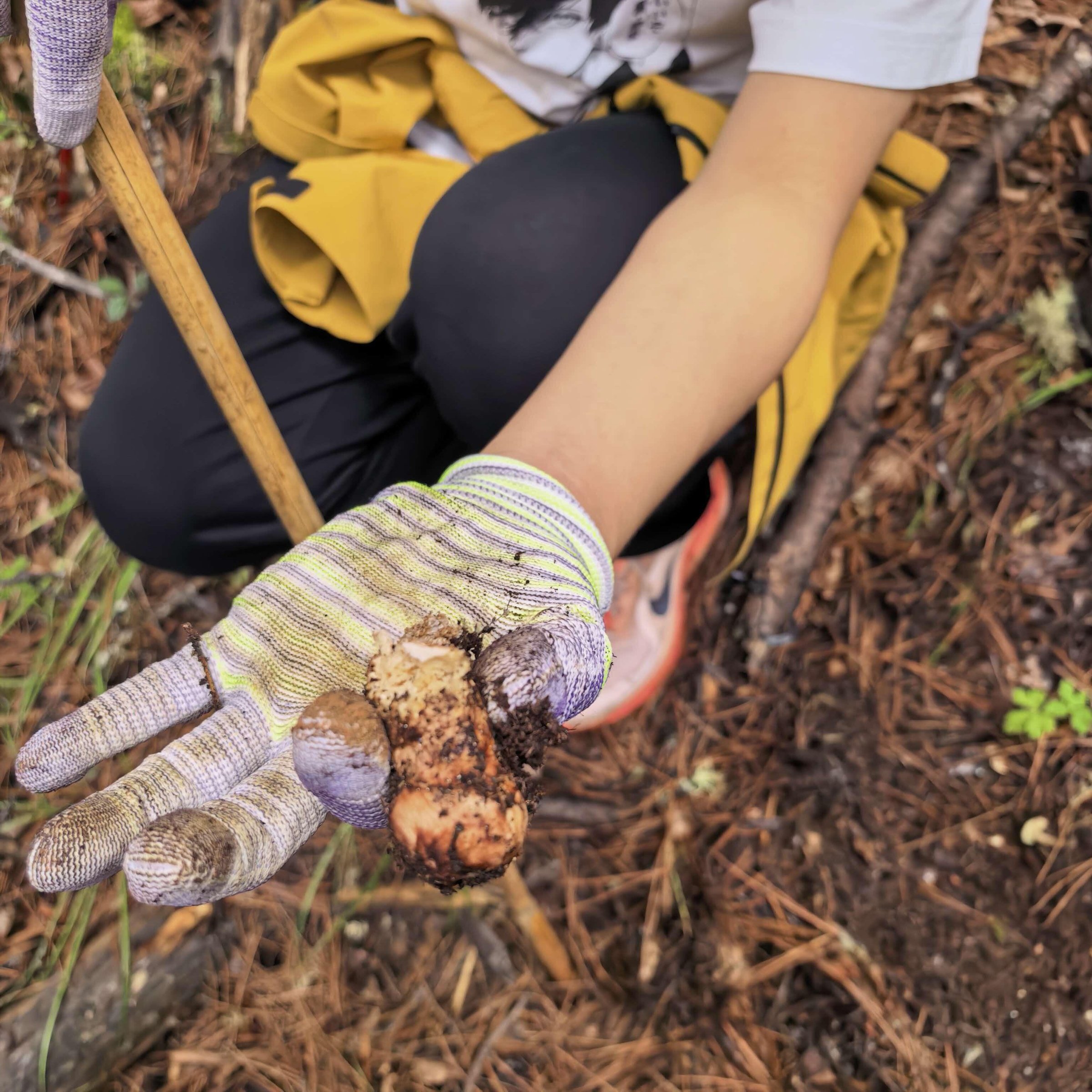
The last forage is early and at altitude, with a Tibetan family who pick matsutake every season and the expert beside you as before. Go slowly; at this height you won't have a choice. Lunch is at a farmhouse: matsutake in yak butter, then a yak hotpot, the mushrooms given all the time they need. After lunch, Jidi village in Jiantang, whose matsutake market does its business in the afternoon. Shangri-La City has a larger one if you would like a second helping of the haggling. The day ends at Songzanlin, gold roofs under whatever the monsoon has brought, and a very different kind of quiet from the one you started with in the pines.
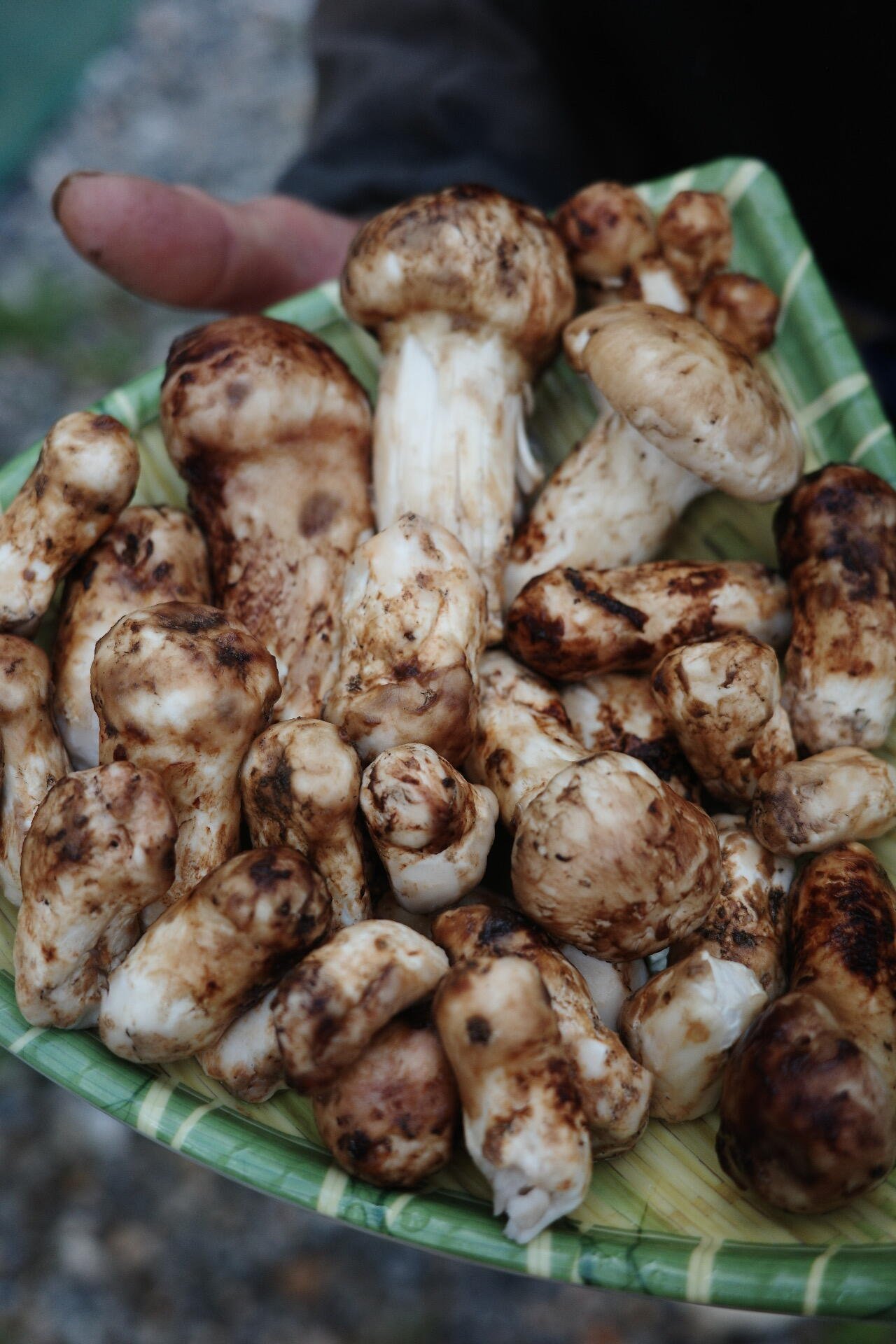
The flight off the plateau takes about an hour, and the afternoon is yours. Dinner is the finale, at one of two Kunming restaurants listed in the 2026 Black Pearl guide, subject to table availability: YIJINSTING (依锦上庭, 公园1903店), which cooks Yunnan-Cantonese, or CUI HOUSE (翠府, 翠湖北路店). We book well ahead and ask the kitchen what it will do with the season. We have not seen a wild-mushroom tasting menu at either, so we don't promise one. After a week of tailgates, forest floors and farmhouse pots, a tablecloth does the rest of the work.
Your driver takes you to Kunming airport, about 45 minutes away. If the flight is late enough, one more bowl of noodles first.
Six nights on the route, with the three Kunming nights chosen for each departure around flights and dinner bookings: a Bai courtyard at Xizhou, three nights below Jade Dragon on the Yulong side of Lijiang, and two beside Songzanlin.
Grey-tiled Bai courtyards around a black reflecting pool, with Cang Mountain ahead. One night, and the foothills forage starts close by the next morning.
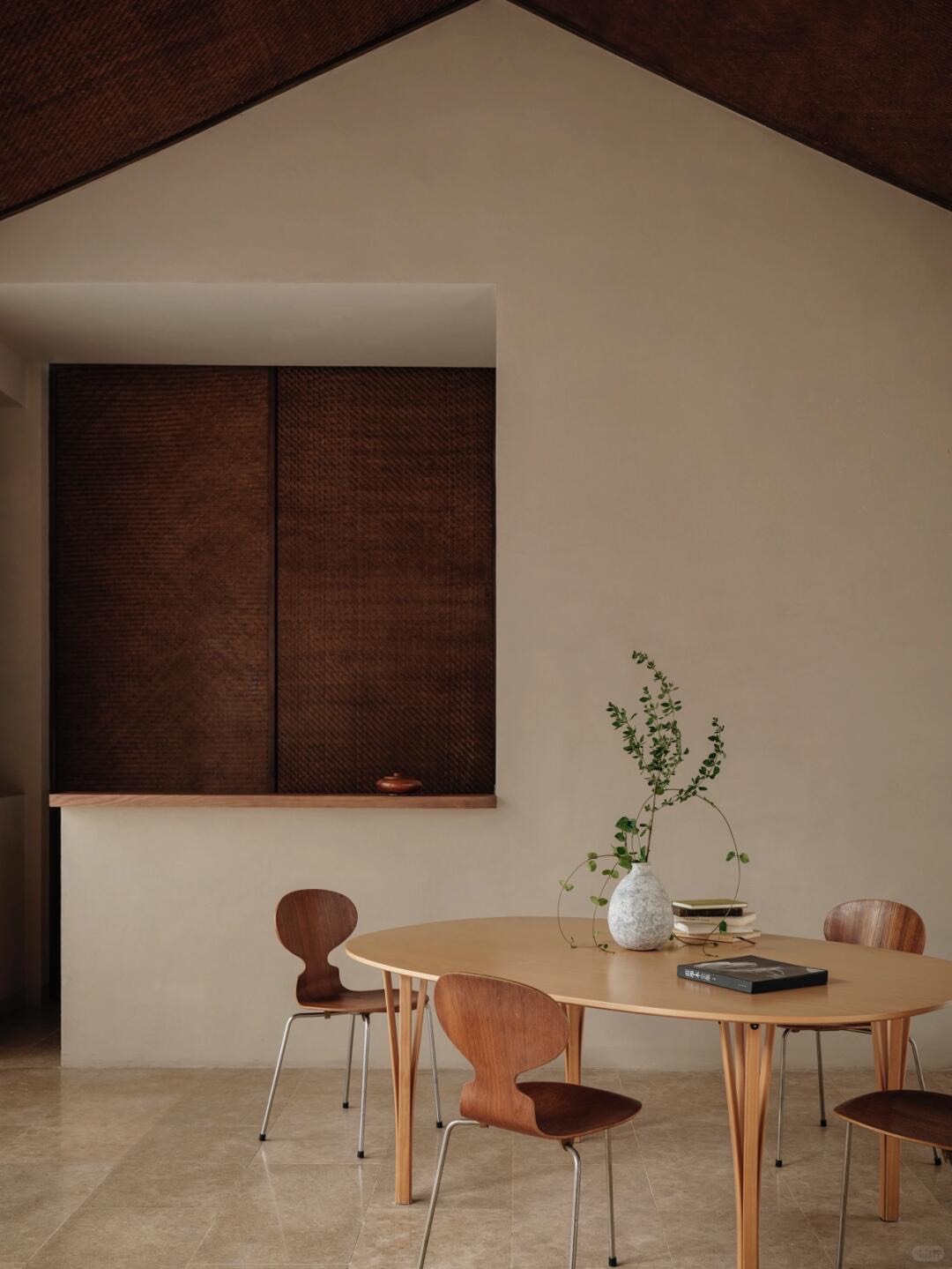
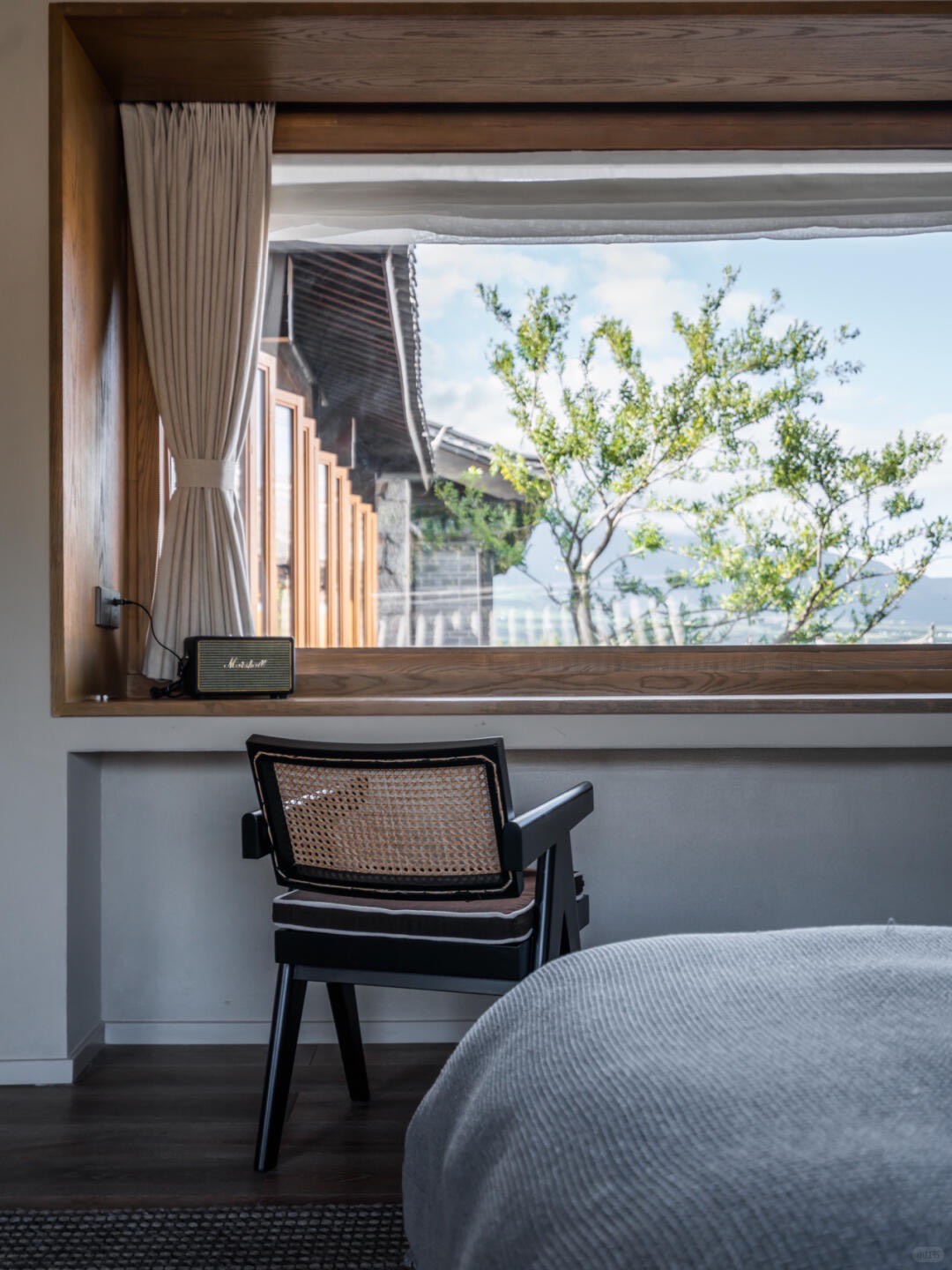
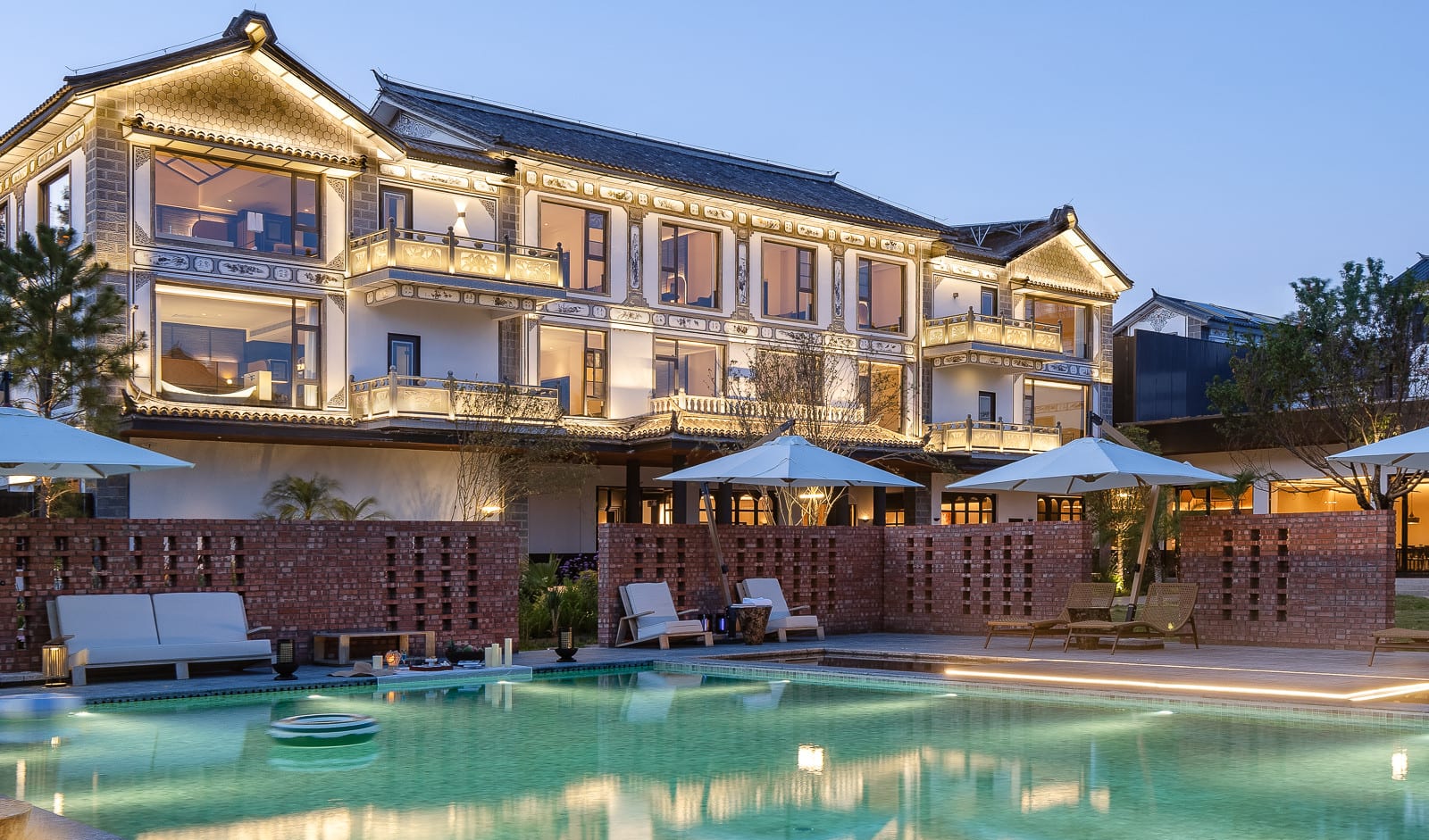
Naxi architecture and mid-century furniture near Baisha at the foot of Jade Dragon. Three nights on the right side of town for dawn starts in Yulong and lunch in Baisha.
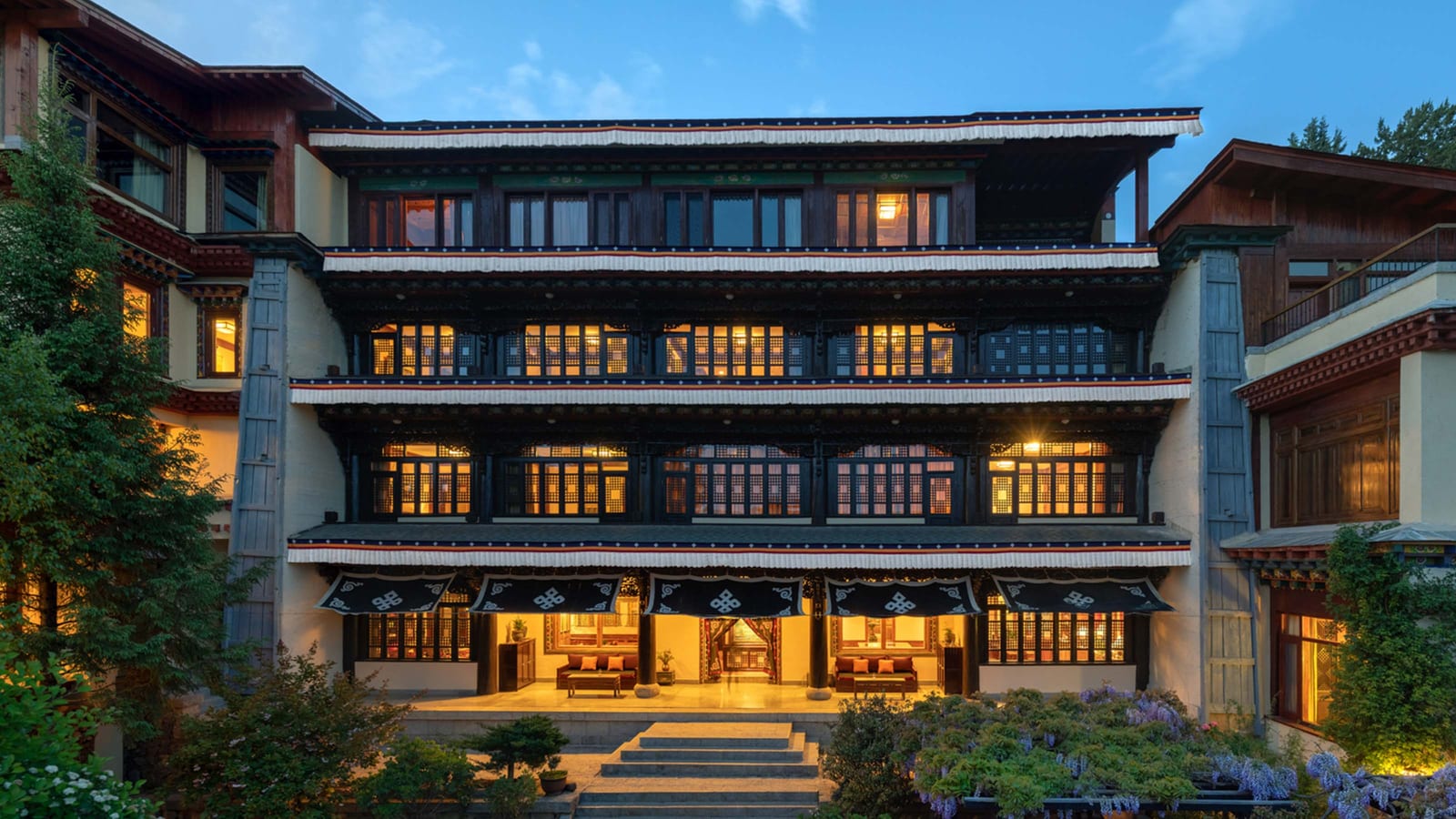
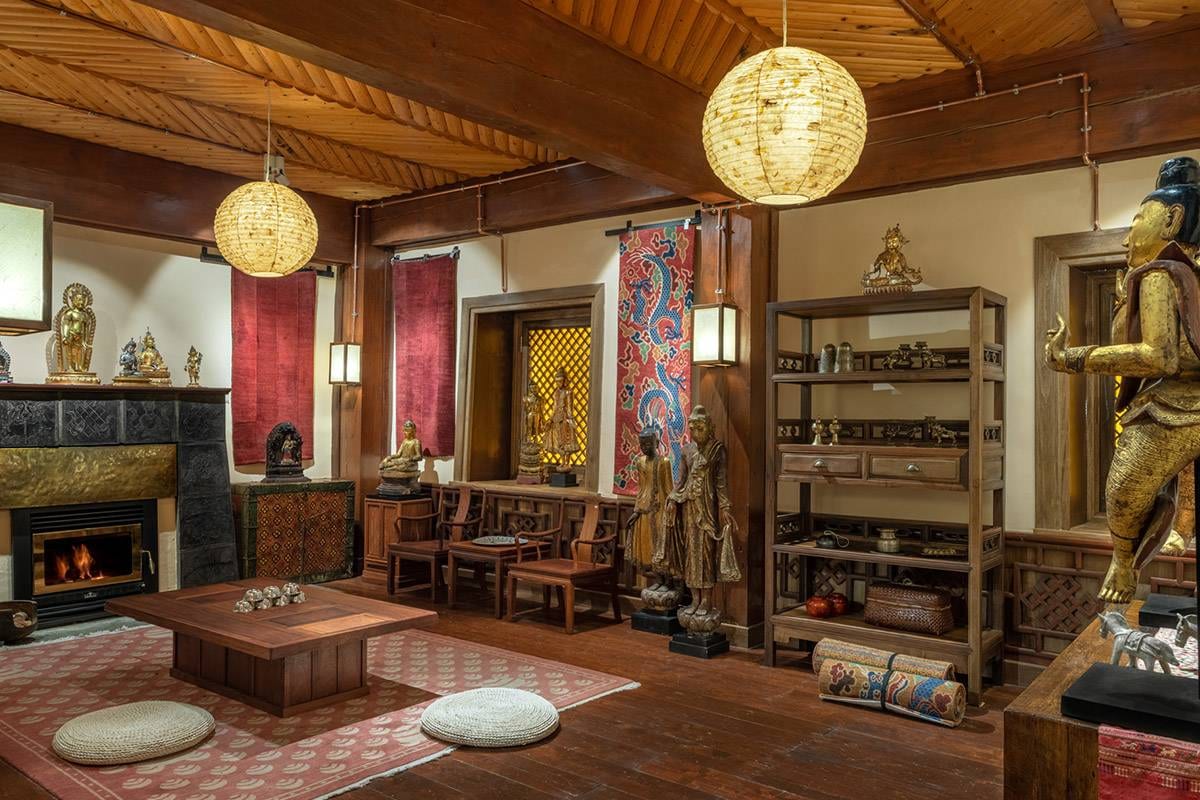
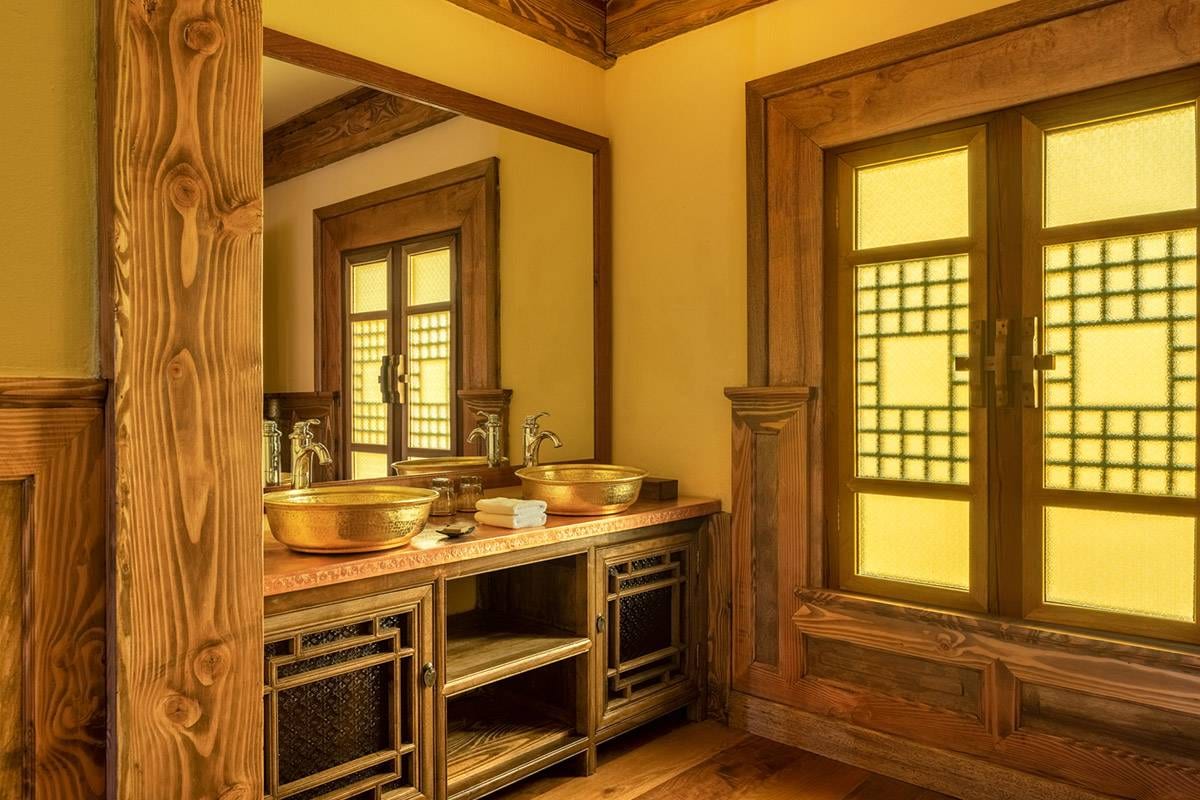
Songtsam's first lodge, a two-minute walk from Songzanlin Monastery, with a kitchen that works the rainy season's wild mushrooms and matsutake. Two nights.
These are examples of the boutique stays we book across the route. Because boutique hotels have so few rooms, a stay may occasionally be swapped for one of similar standard.
Late July to early October, with late July to early September the best of it. Late July and August give you the peak of jizong (鸡枞) and jianshouqing, along with the heaviest rain. September is the tail of the jizong, while matsutake and ganba keep going. Matsutake run into early October and ganba to about then too, but the table is shorter and jizong has largely finished. Stay clear of 1 to 7 October, China's Golden Week, when this whole route is on holiday at once. The season can shift by a couple of weeks: in 2026 the markets started about half a month early.
With rules, yes, and the rules are not optional. An expert is with you on every foraging day. Nothing anyone picks is eaten unless it has been professionally checked and cooked. Jianshouqing must be fully cooked, every time, and we keep wild mushrooms out of cold dishes. Restaurants are vetted in advance. A locked lid or a timer is good discipline but not a guarantee on its own, which is why the other rules exist. Wild-mushroom poisoning is a real risk here every summer, so please don't buy or pick anything on your own to cook later.
It is the rainy season, and the mushrooms are the reason you are here in it. Expect showers, wet forest trails and days of low cloud that hide the big mountains, Jade Dragon included. Mountain roads can slow or close after heavy rain, the gorge road on Day 7 being the likeliest, so that day has a train as its fallback and we move things around when the weather asks. Bring waterproofs and shoes with real grip.
We can't promise a find. That is what foraging is, and if the forest comes up empty the chef cooks market matsutake instead. The walking is slow rather than long, but it is off-path on wet ground, and the altitude counts: Lijiang is at about 2,400 metres and Shangri-La at about 3,200. If you can manage uneven ground for a couple of hours at an easy pace, you are fine. Tell us about knees and lungs when you enquire.
We won't promise that. YIJINSTING and CUI HOUSE are both listed in the 2026 Black Pearl guide, and we book one of them for the last night, subject to table availability. In season we ask the kitchen what it can do with mushrooms, but we have not seen a dedicated wild-mushroom tasting menu at either. If that dinner is the reason you are coming, tell us early and we will confirm what is possible before you commit.
Every day, stay and date tailored to you — shaped over a call with someone who has walked the route, never a template.
Tell us your dates and what moves you. We reply within one business day, then shape a proposal — no obligation, never a templated package.
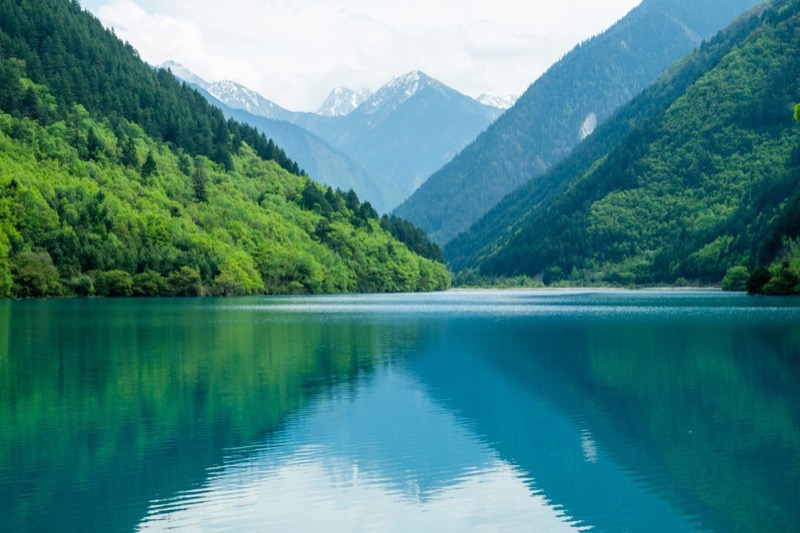
Giant Pandas at the Chengdu Research Base, then three days in the alpine lakes of Siguniang or Jiuzhai Valley. City culture first, mountain silence after.
See the itinerary →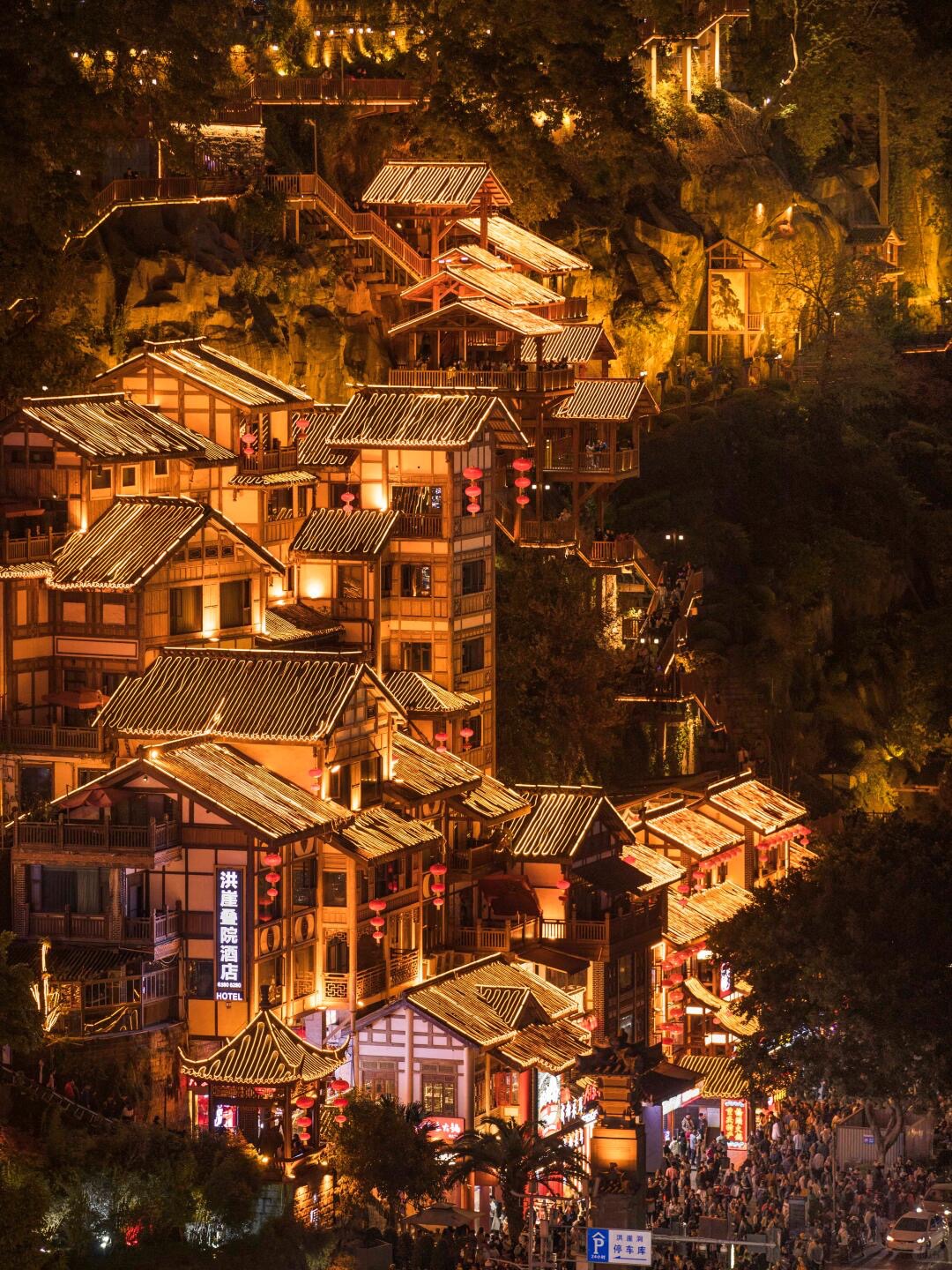
A 5–6 day private tour weighted toward Chongqing — neon river cities, UNESCO Wulong Karst, the Longji (Dragon's Backbone) ridge hike above the Yangtze, and two different tables of Sichuan heat. Bookended with a soft Chengdu landing.
See the itinerary →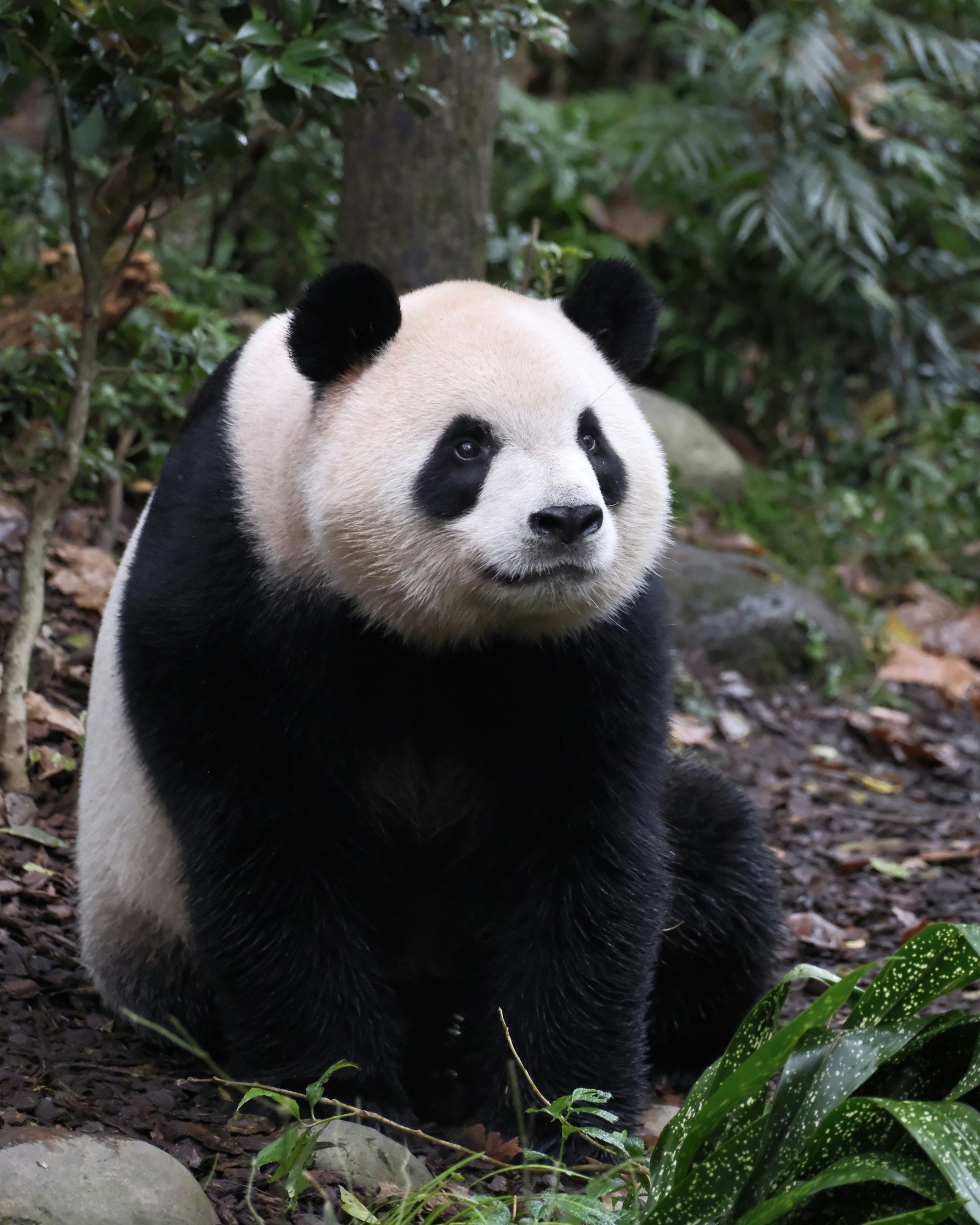
Fifteen days that pair China's great icons with its wildlife and wild landscape — the Forbidden City and the quiet Great Wall at Jinshanling, the Terracotta Army, a working day with the giant pandas outside Chengdu, three days among Zhangjiajie's sandstone pillars, and Shanghai to finish. Private throughout.
See the itinerary →