Jianshui · old town
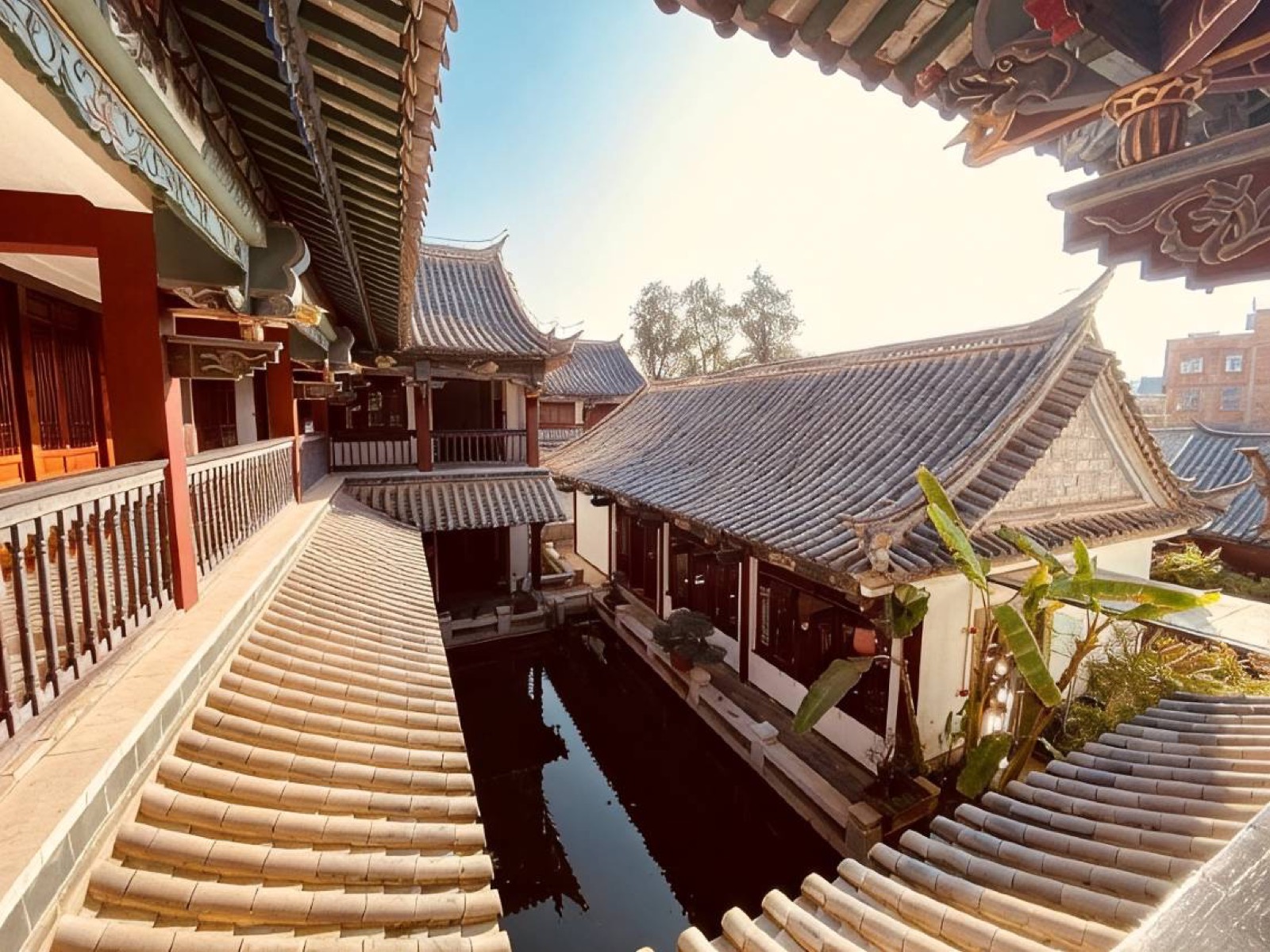
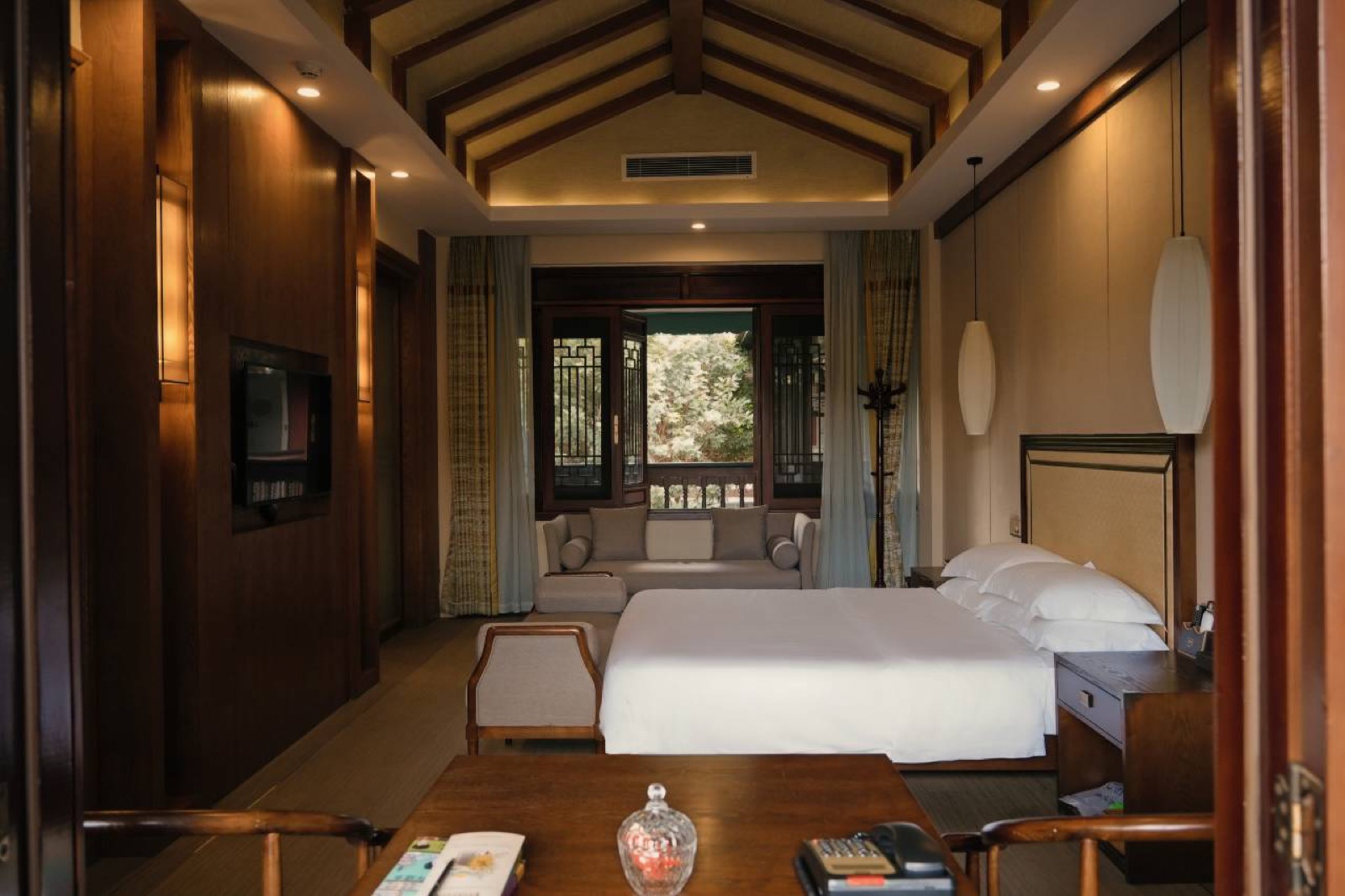
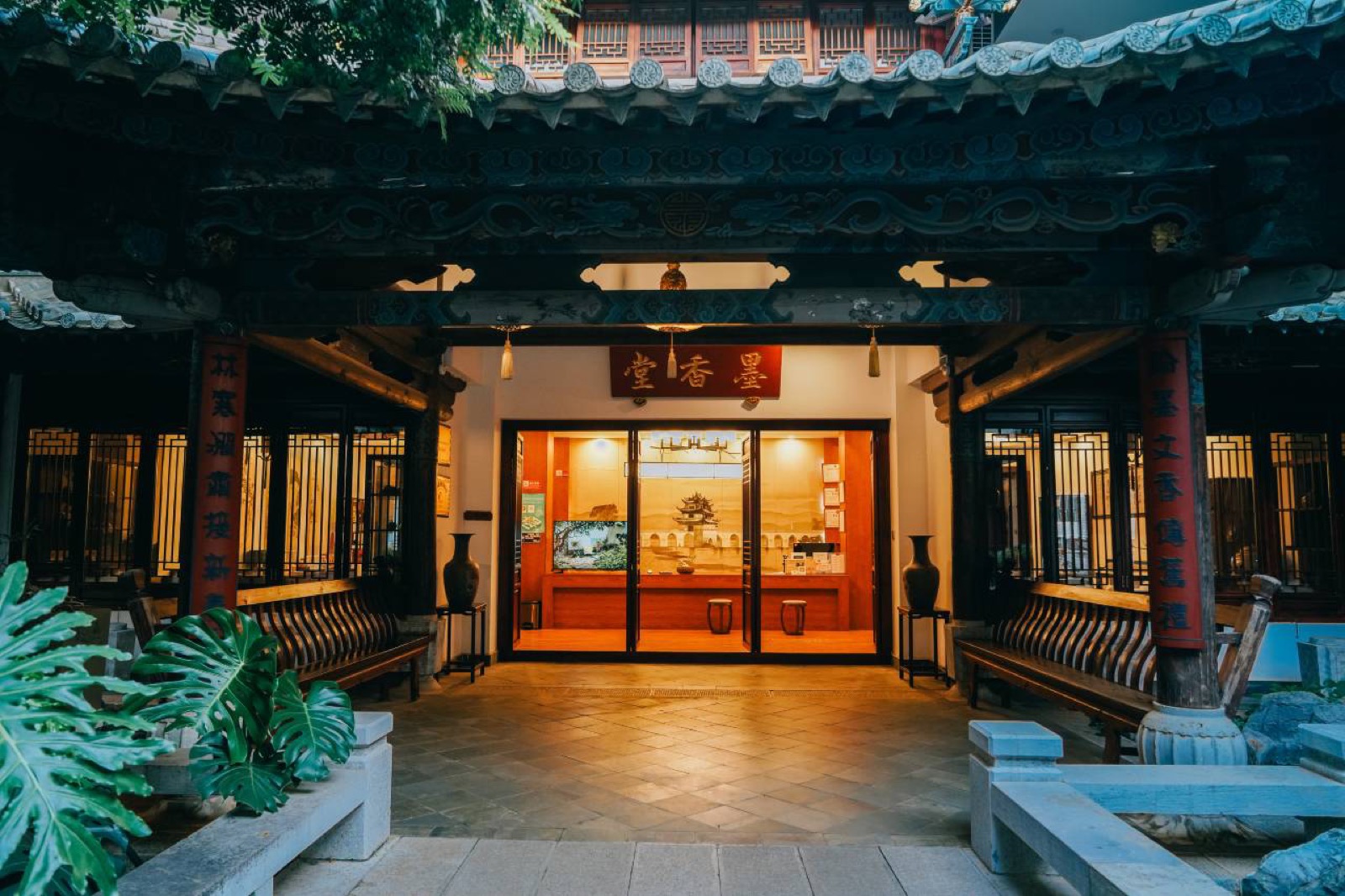
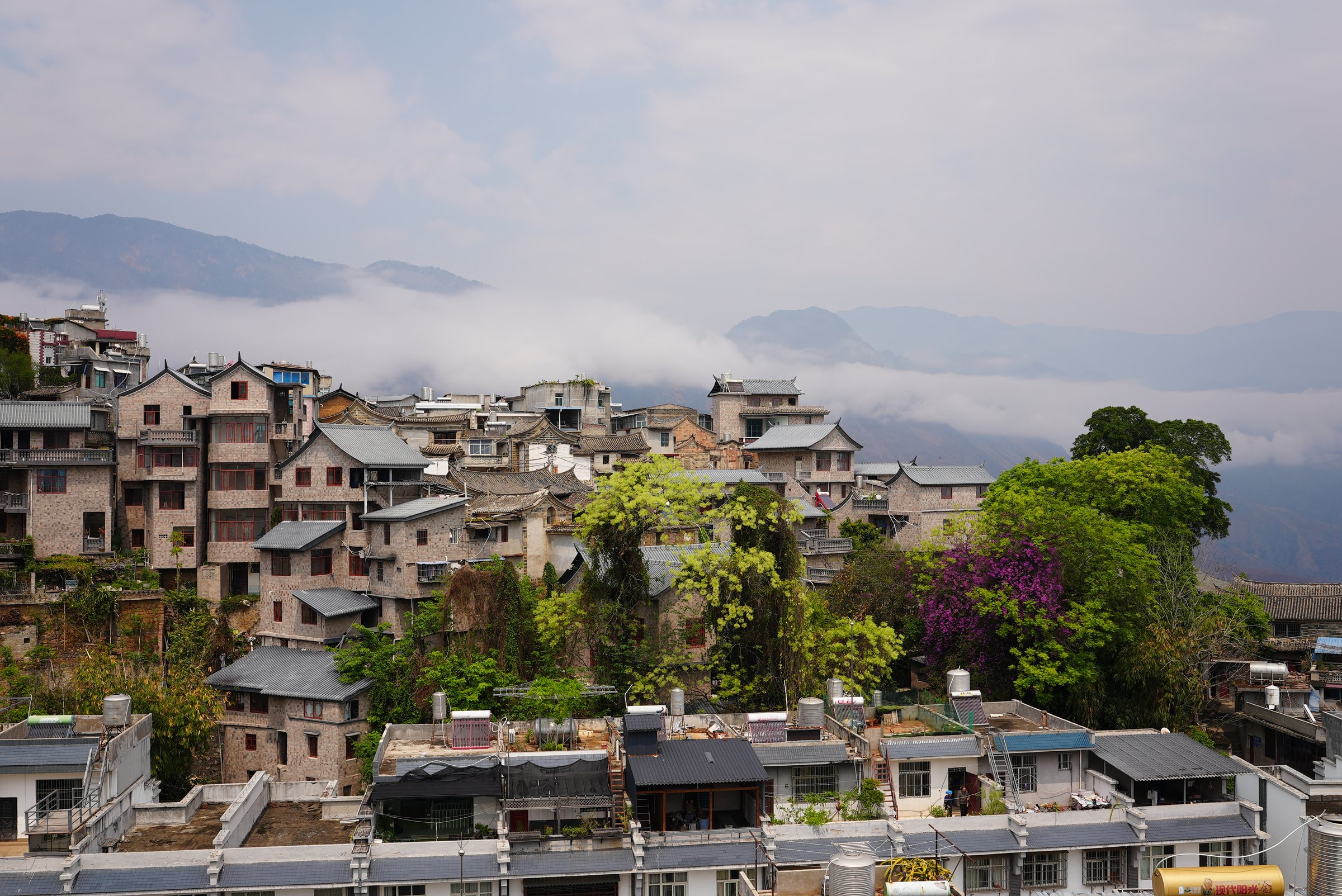
Three garden courtyards inside Jianshui's old town, a short walk through the lanes from the grilled-tofu night market. Two nights.

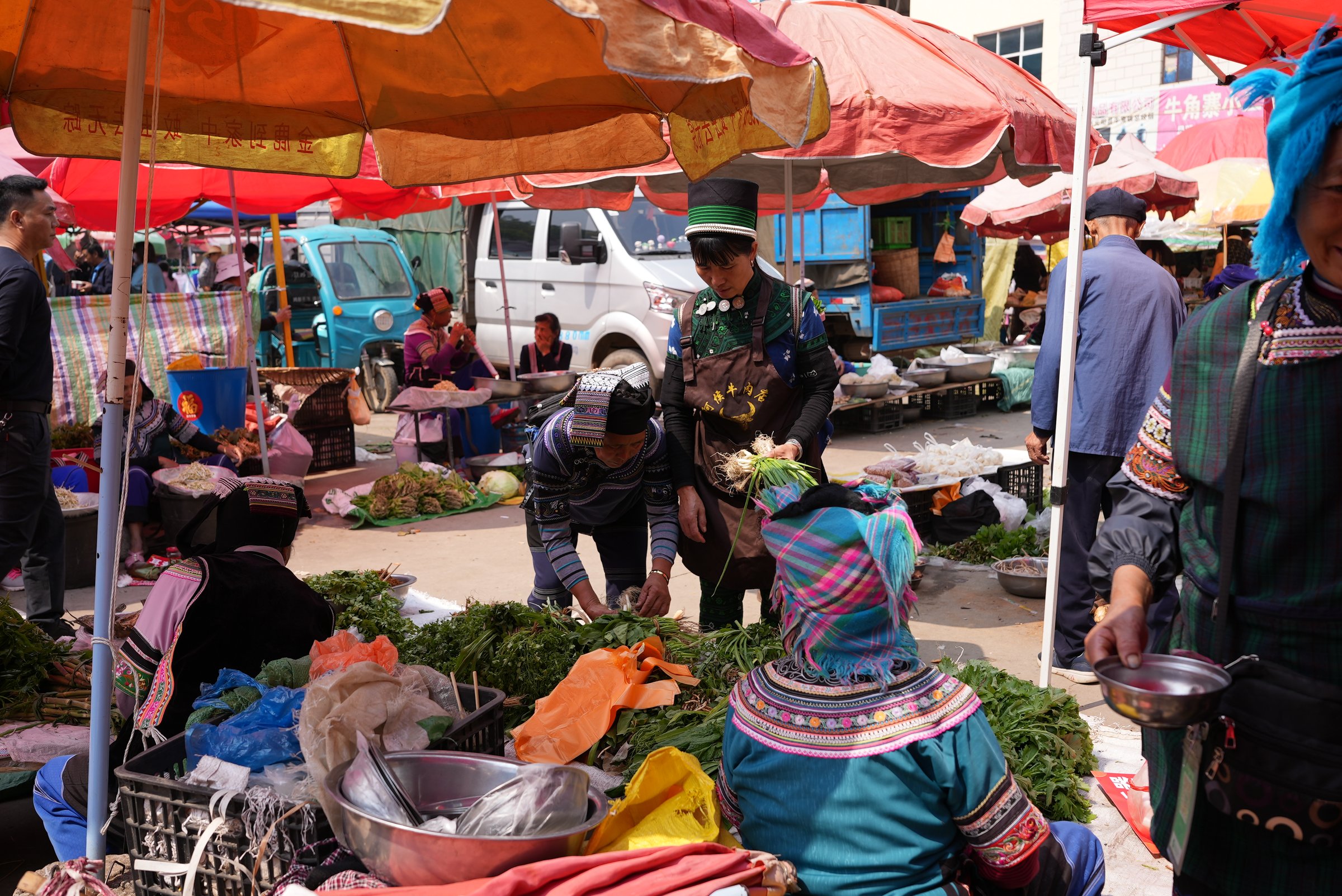
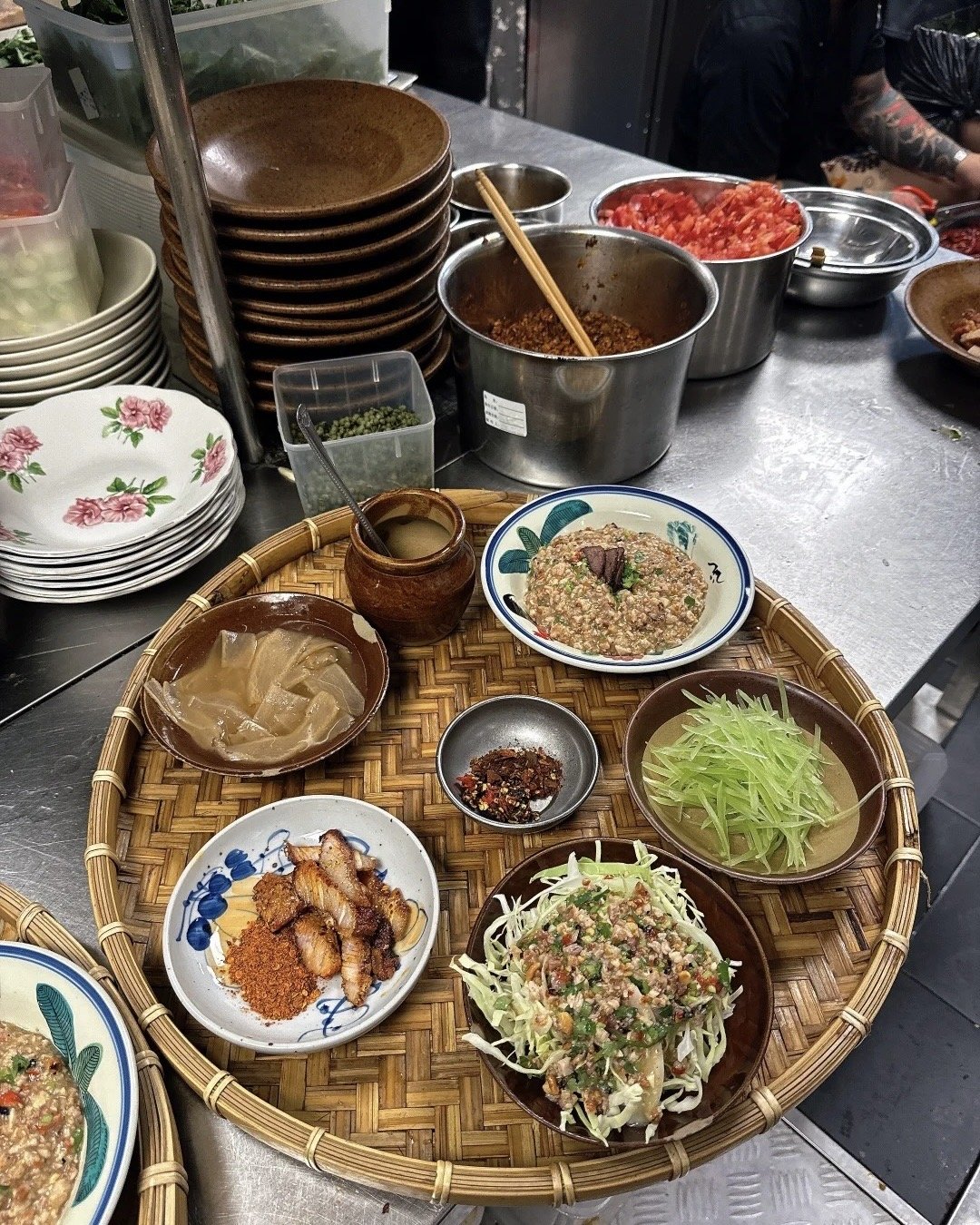
You land in Kunming and the only job left today is dinner. It comes as five small bites, one for each flavour this trip is built around: something sweet, something hot, something bitter, something sour, and something that tastes of the mountains more than of any seasoning. Eat them in any order. Your guide will ask which one you would happily skip, and that answer gets remembered, because the kitchens ahead will have a go at changing your mind. Kunming is the sensible place to begin. Produce from every corner of the province passes through its wholesale markets, so the city eats well without having to boast about it.
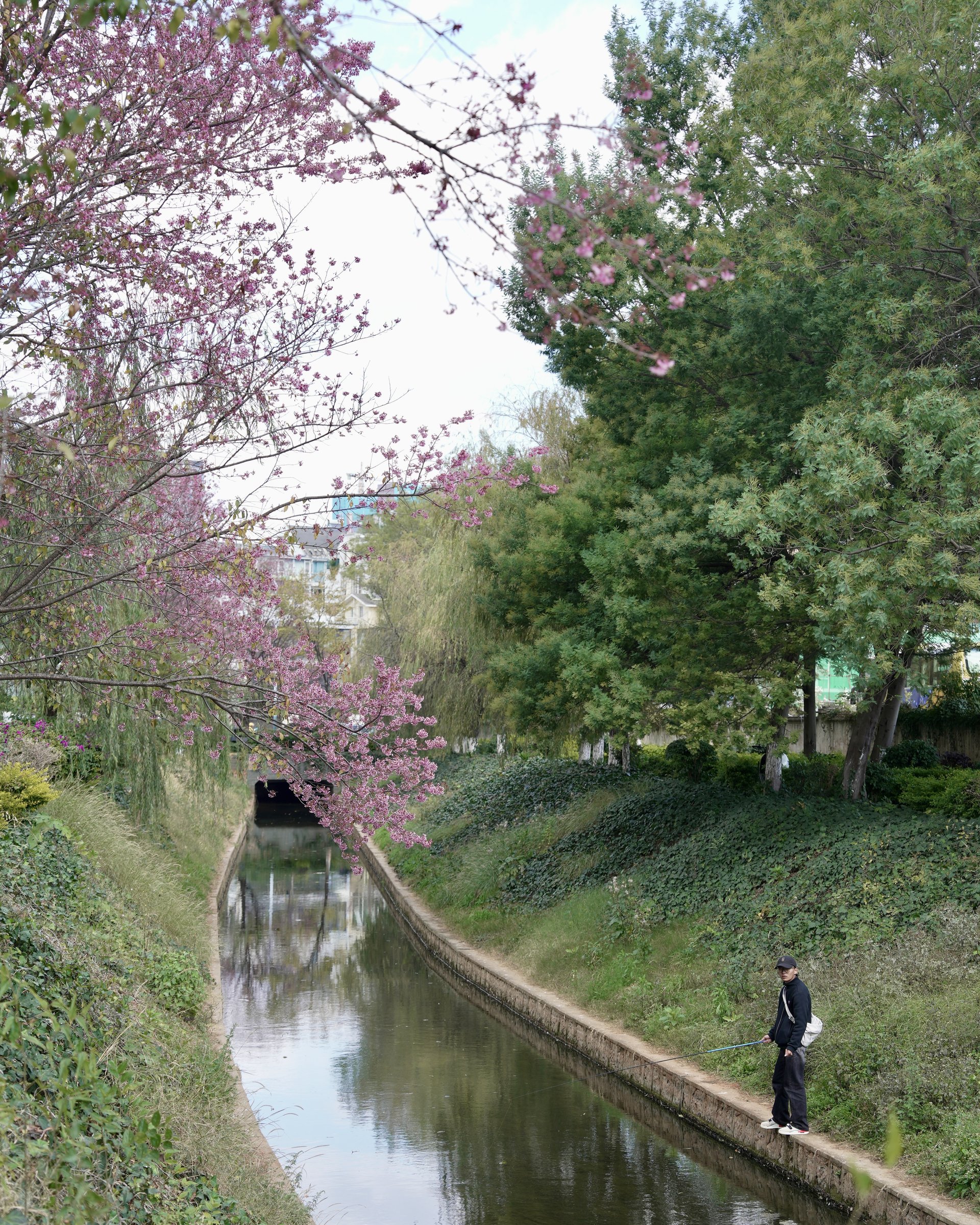
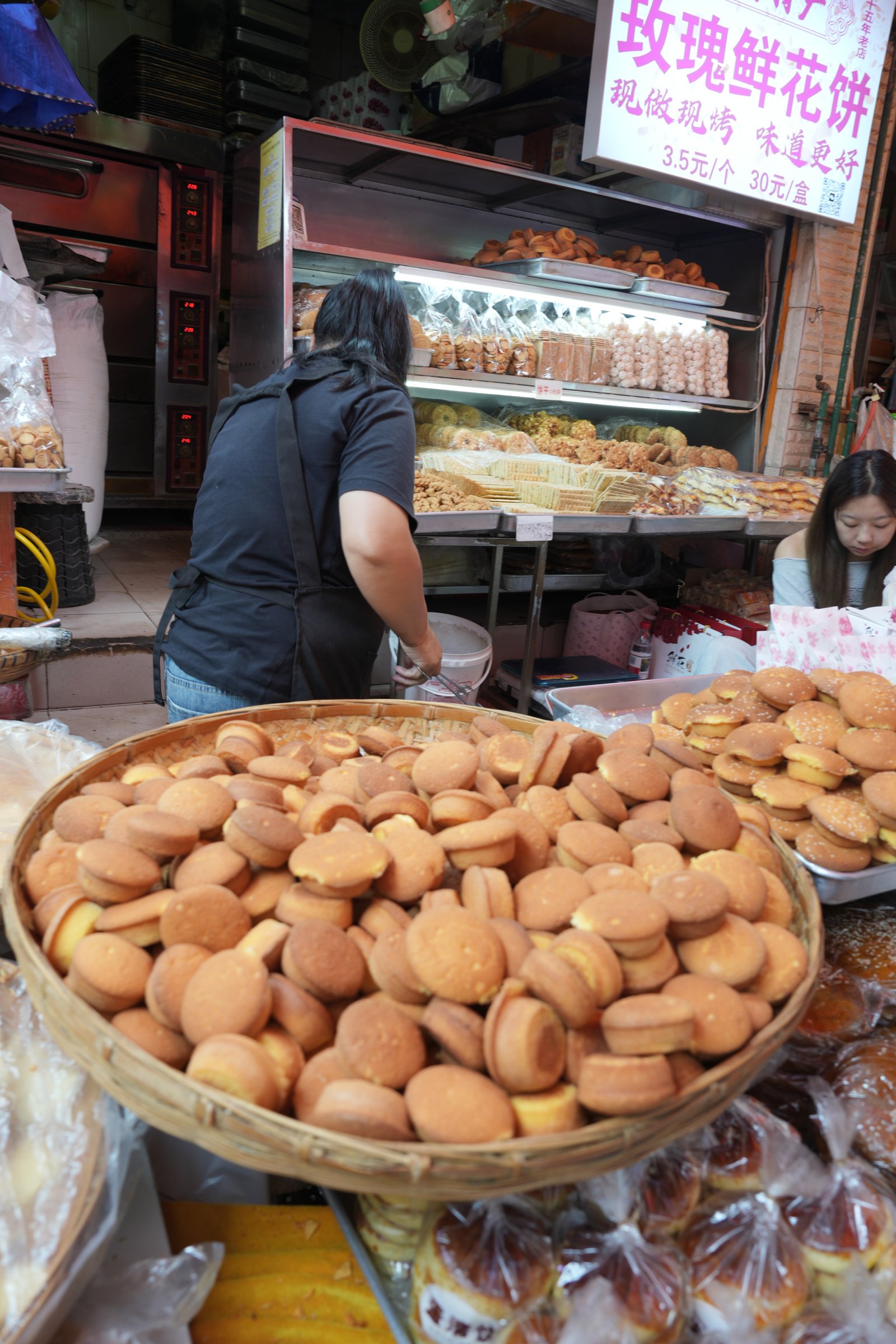
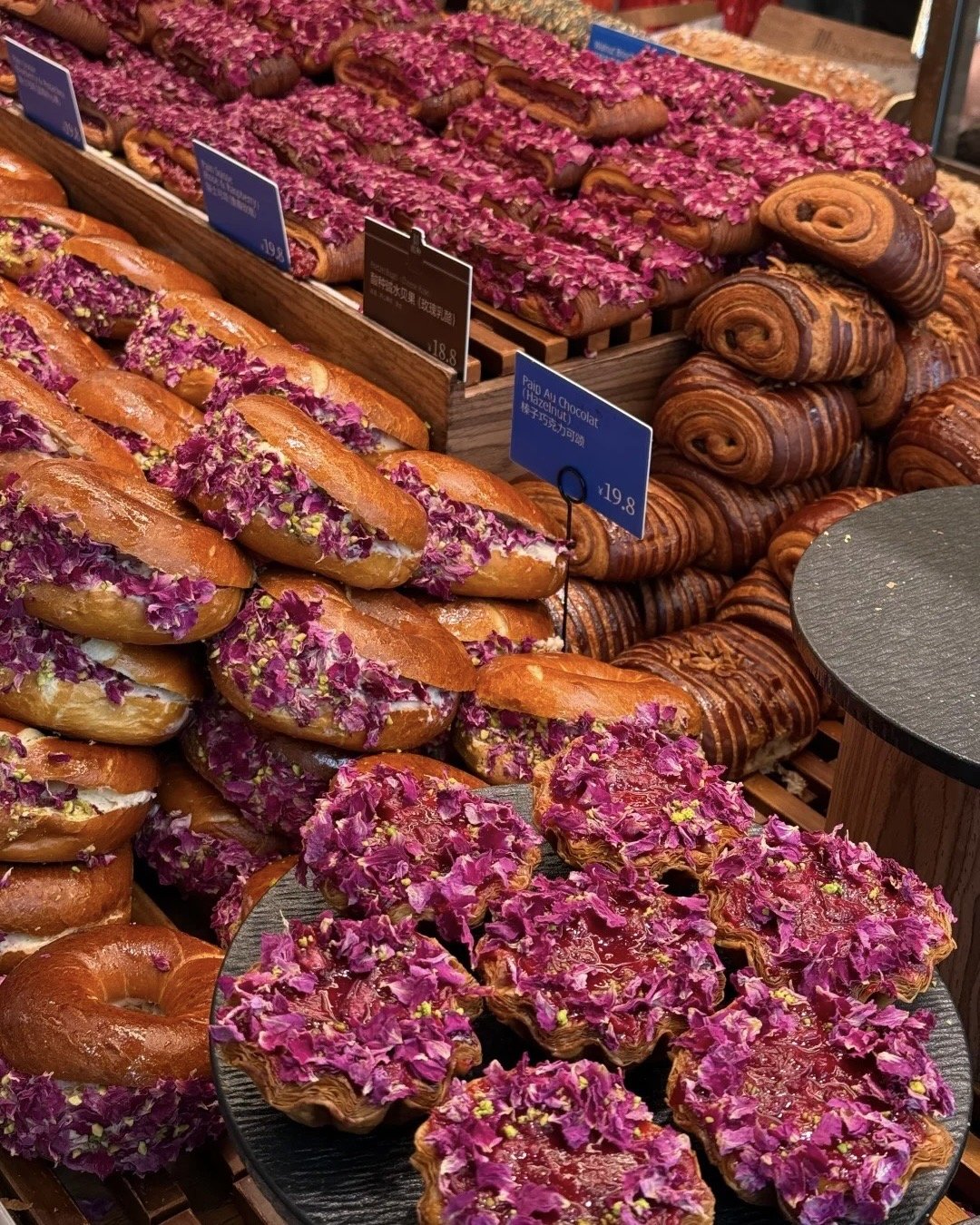
Rose cake (鲜花饼) is stacked in every souvenir shop in Yunnan. This morning you make it with a pastry master instead: petals into filling, filling into flaky dough, and the first one eaten too hot. After that, wild honey with a honey hunter, whose jars taste of whatever was flowering where the bees were working. Then brown sugar (红糖) and a pot of Dian Hong (滇红), the province's black tea, with a honeyed note of its own. Two windows change the table. From late October to December, while stock lasts, Chu oranges (褚橙) join it. In April we drive out to the edible-rose fields at Bajie (八街) near Anning, where bloom peaks mid-month.
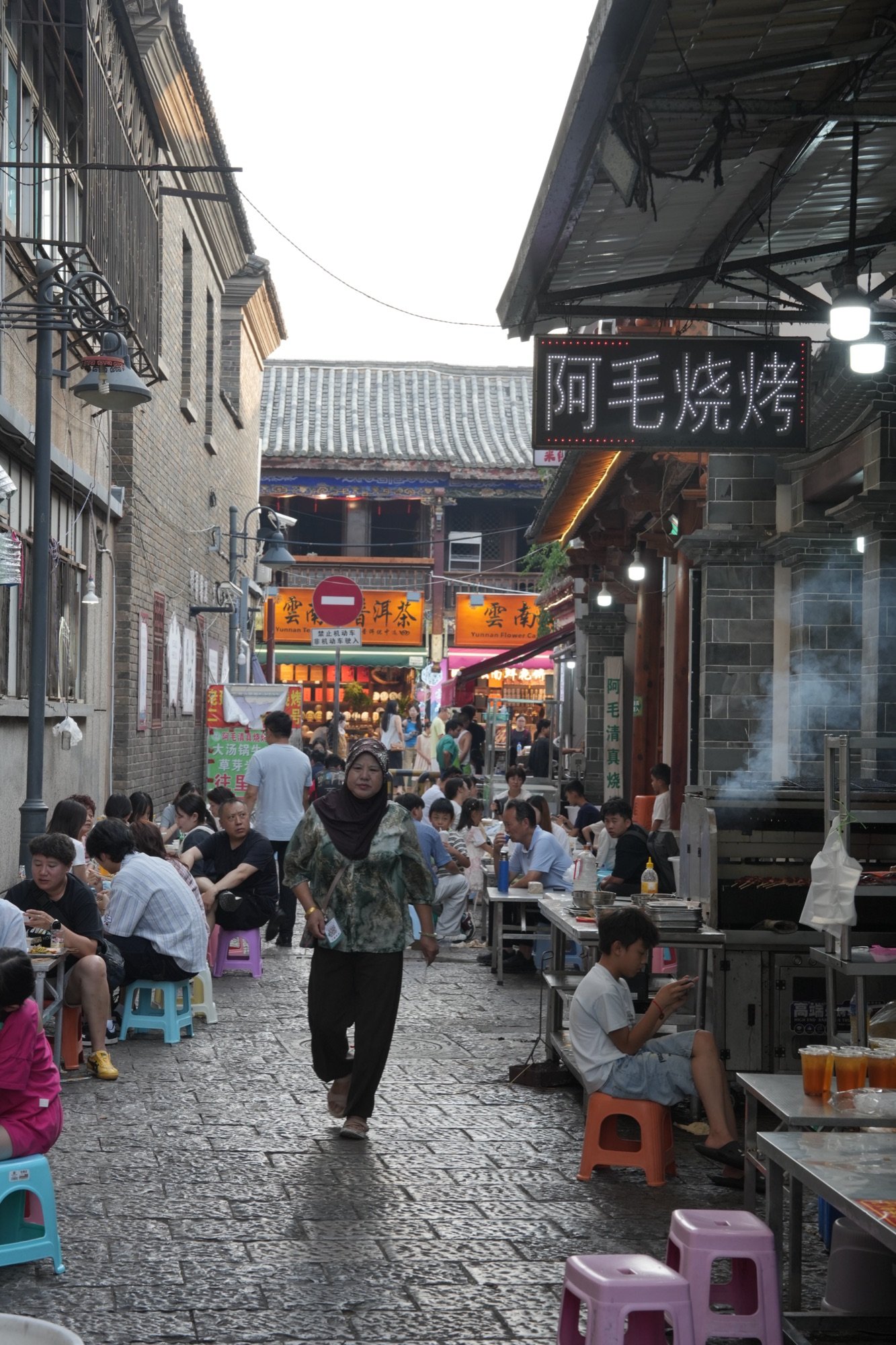
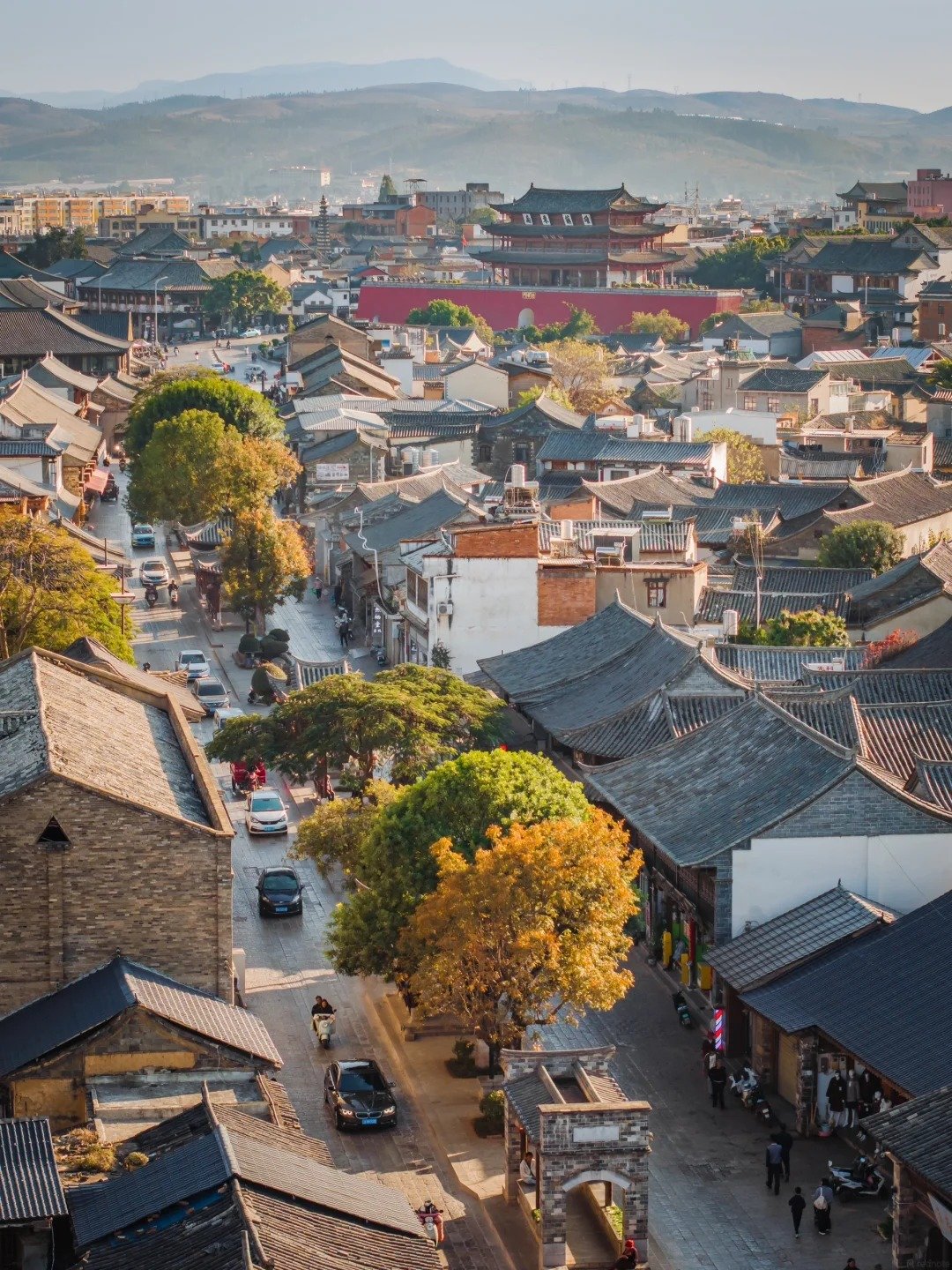
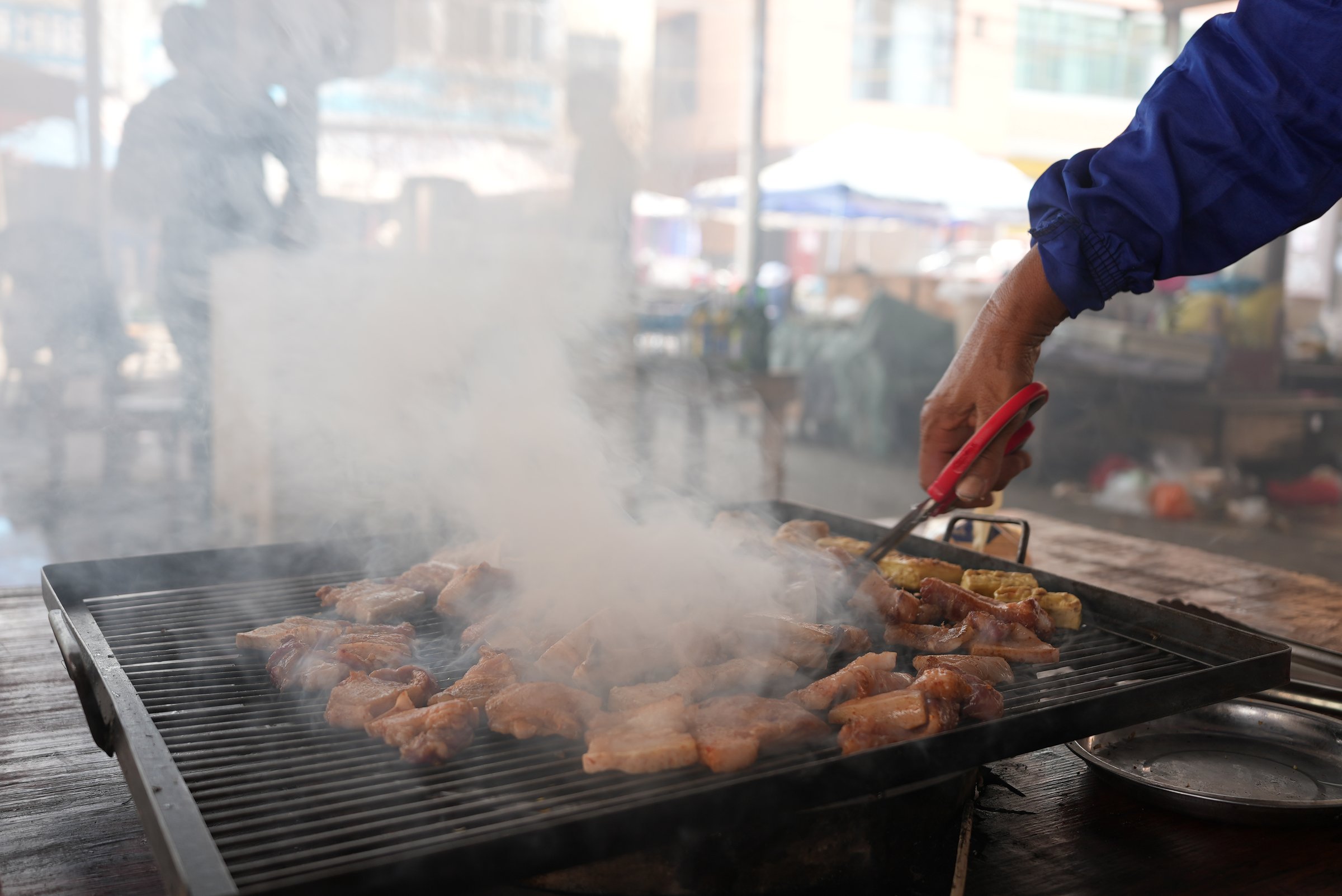
The high-speed train reaches Mengzi (蒙自) in about an hour and a half. Tradition makes this the home of crossing-the-bridge noodles (过桥米线): a scholar's wife, a bridge, a broth that stayed hot all the way across. It is a legend, and Jianshui tells a rival one, so hear both and rule on it over lunch. October departures also catch the end of the Mengzi pomegranate (石榴) season. Then about an hour and a half by road to Jianshui (建水), and the reason you came. Dinner is on a low stool on a barbecue lane: smoke, skewers and thumb-sized cubes of grilled tofu with your first chilli dips. The grill-master keeps your tally in corn kernels, one per cube.
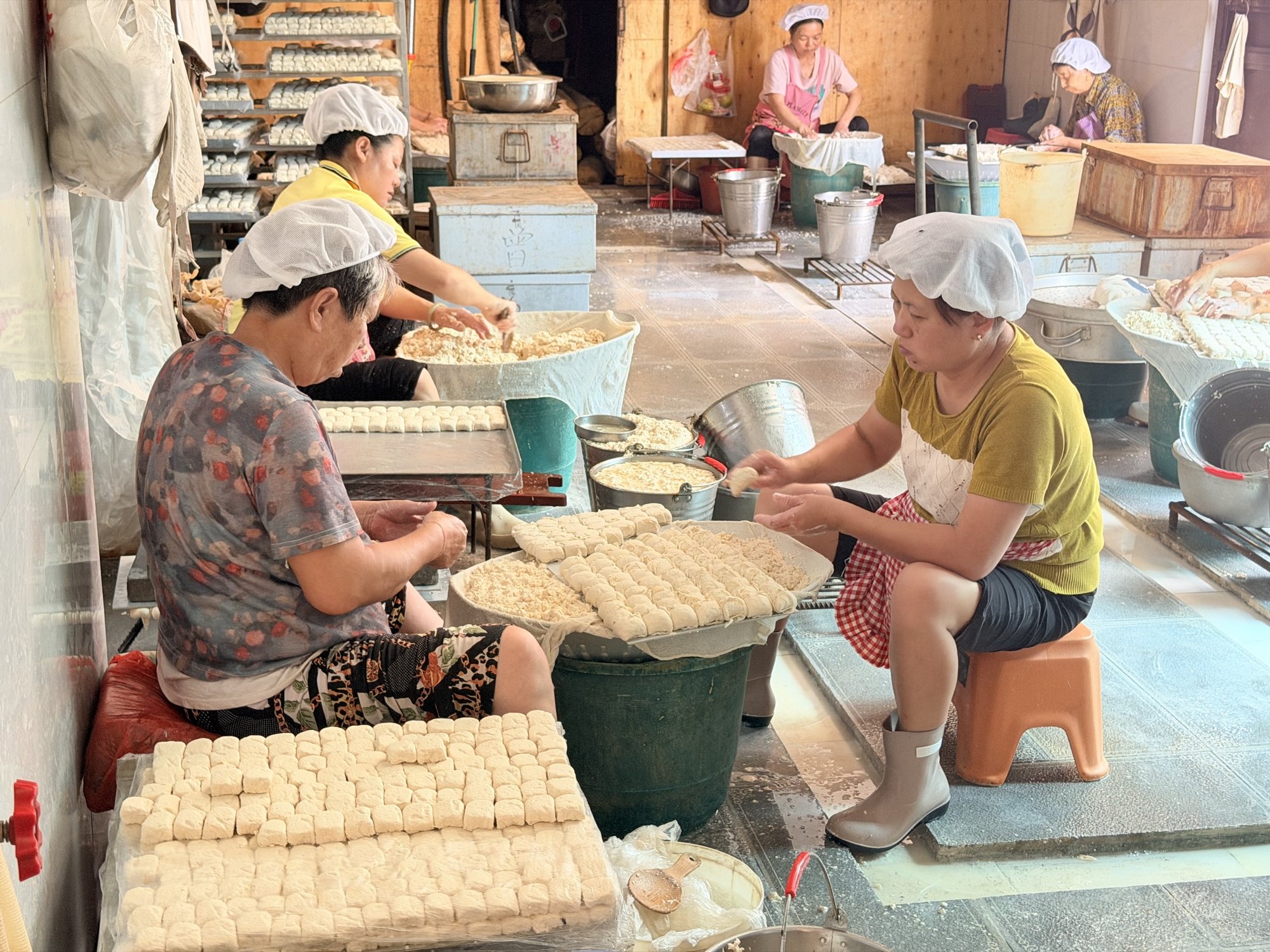
The morning belongs to a Yi family and a fire. Chillies go straight onto the coals, come off blackened and blistered, and get pounded into a dip (蘸水) you made from scratch and will now be judged on. This is Yunnan's kind of heat: fresh, sharp, often sour at the edges, with none of the numbing peppercorn that defines Sichuan. Back in town, the west-gate workshops around the Dabanjing well (大板井) soak, grind and press the tofu you ate last night. Then Zitao Street, for the purchase the trip depends on: a purple-clay steam pot (汽锅) from the town that invented the dish. Buy it finished. Anything you throw yourself is fired and posted about a month later, well after Day 11.
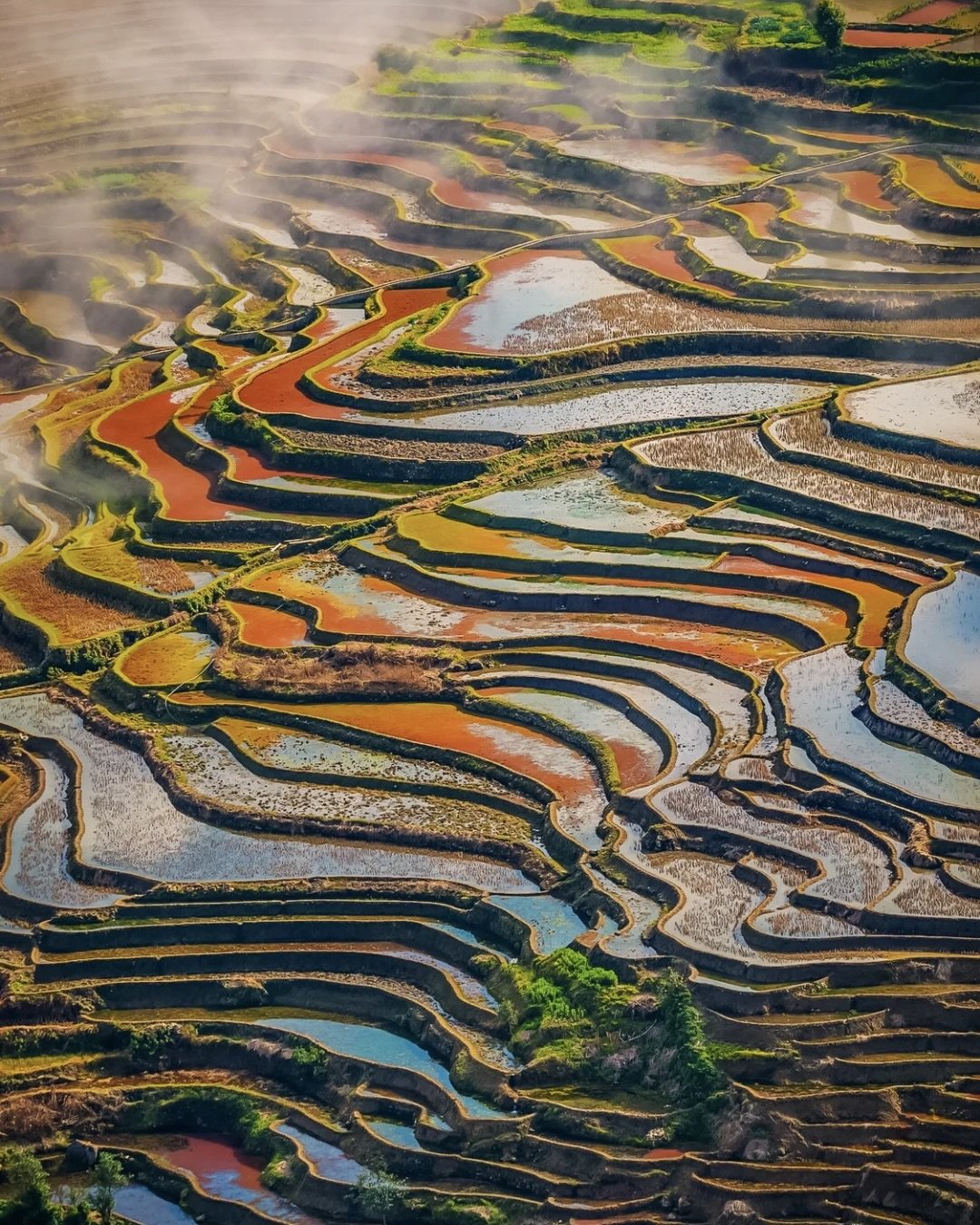
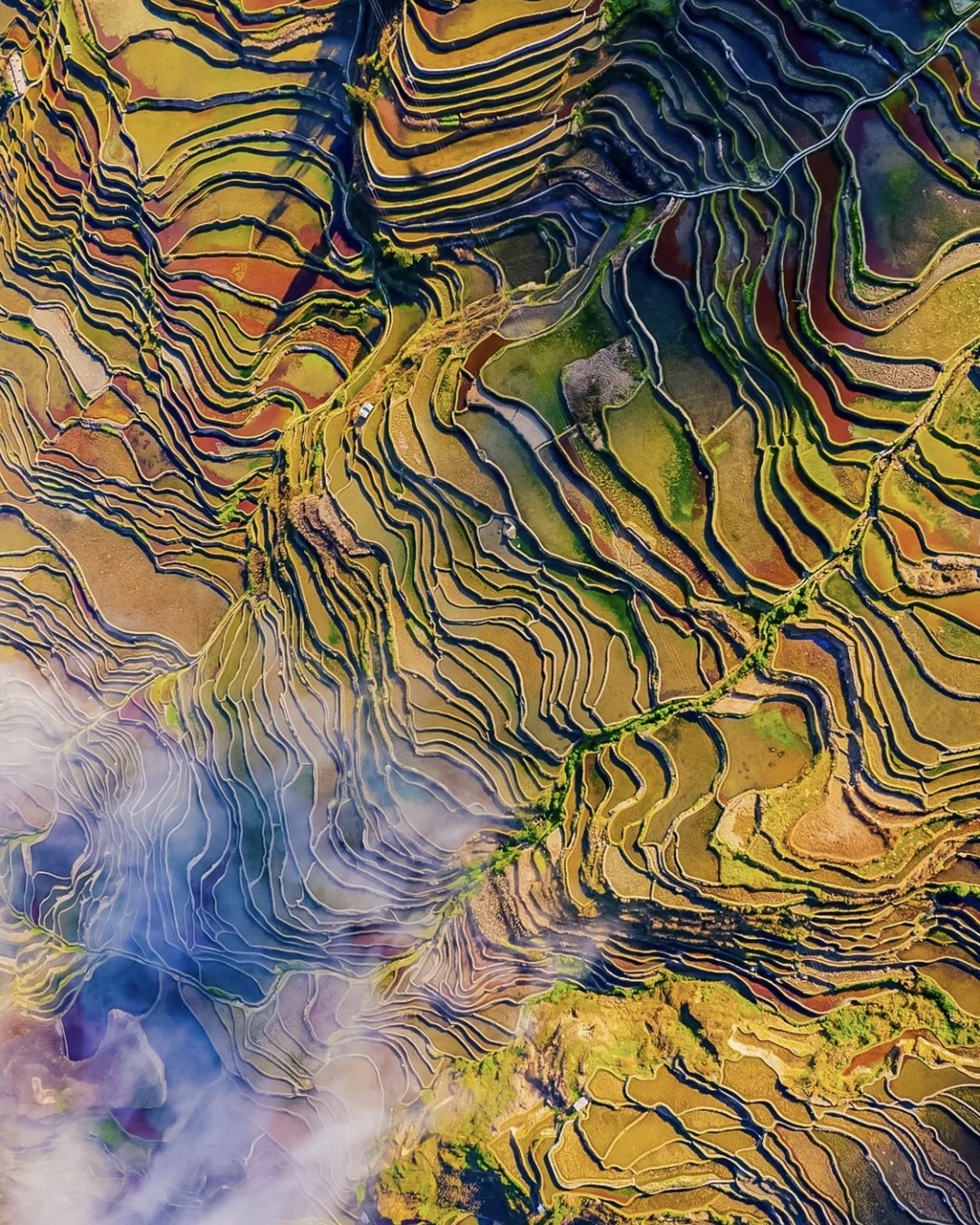
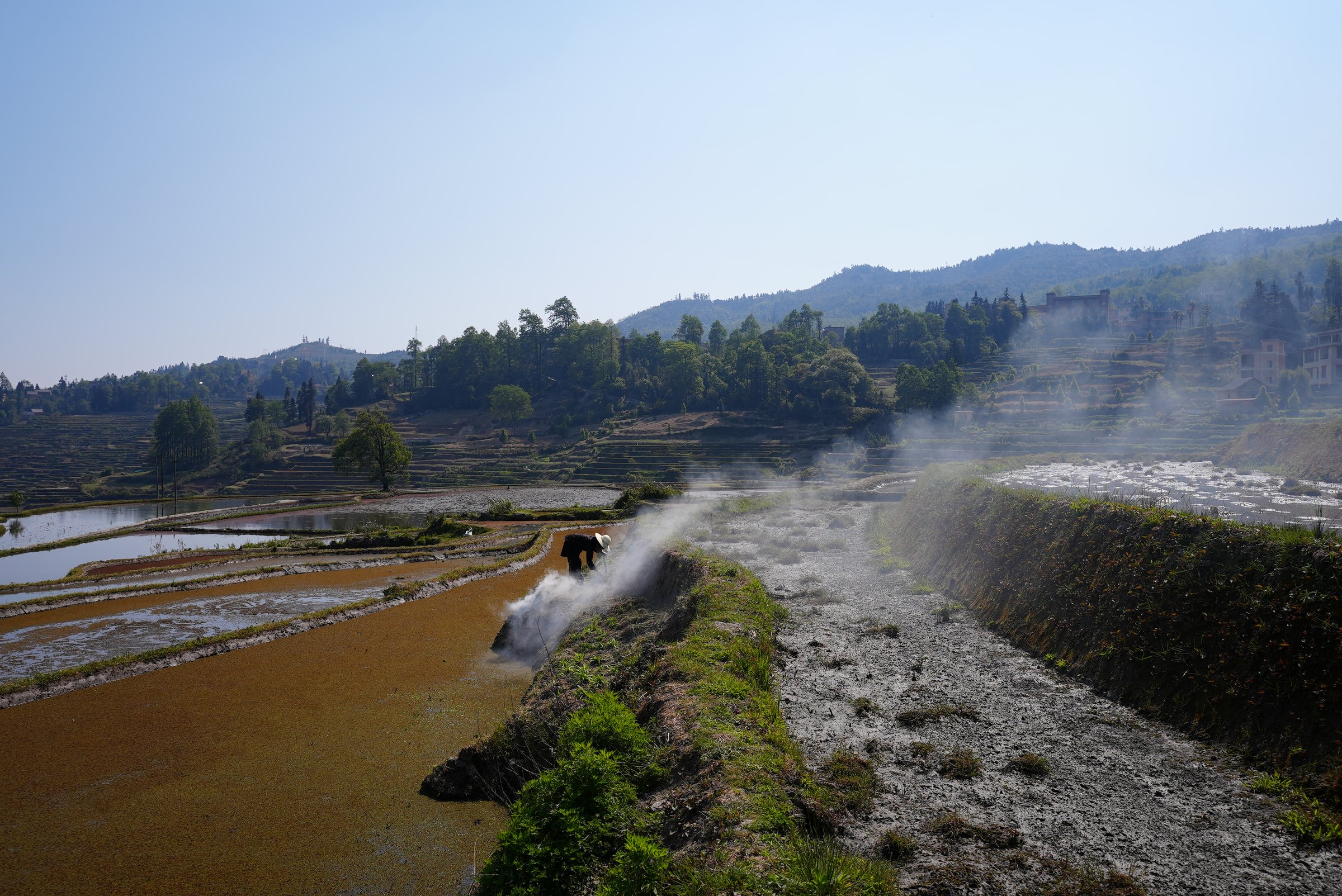
About three hours of climbing, through Yuanyang's new county town and Xinjie (新街), puts you on the Hani terraces. If the four-day market cycle falls right, Xinjie is the stop: it is busiest around ten in the morning, pork grills included. Lunch is at a Hani family table, paddy fish with fresh 小米辣, the small sharp chilli that does most of the work up here. Sunset is at Laohuzui (老虎嘴). What you see depends on the calendar, so here it is. From mid-November to early March the terraces hold water and can turn to mirrors. In October they do not, so expect stubble and patches of returning water. By late March and April the fields are being worked.
Up in the dark for Duoyishu (多依树), the sunrise side of the terraces, and bring a proper coat: winter mornings on this ridge sit in single digits. Then breakfast and the longest drive of the trip, five to six hours of mountain road west through Hani tea country. We won't dress that up. We break it with a long lunch and as many stops as you want, and your palate gets the day off after two days of chilli, which it will need before tomorrow's tea. You arrive in Pu'er (普洱) for an easy dinner, in the city that gave the tea its name and is now better known for coffee.
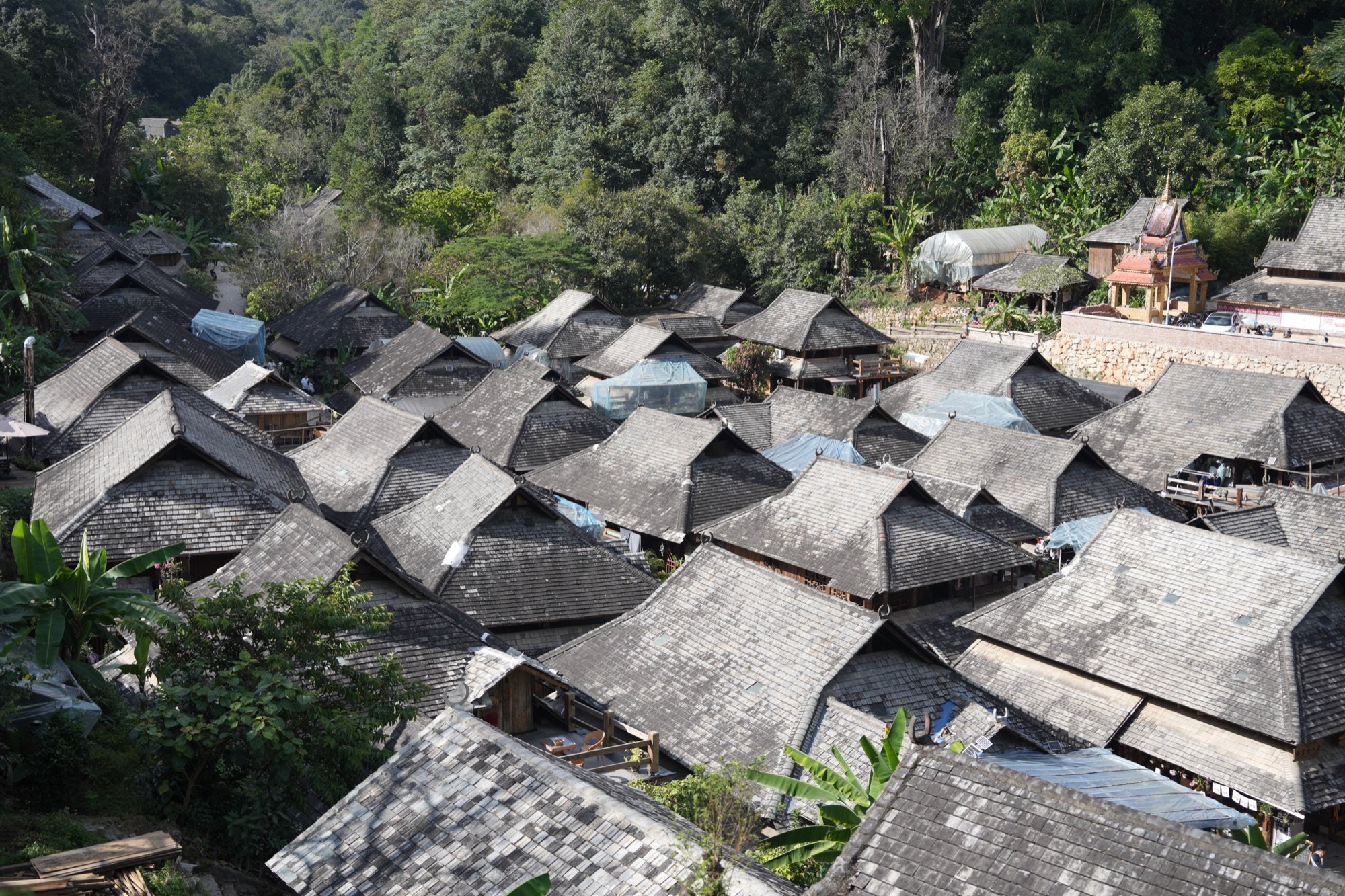
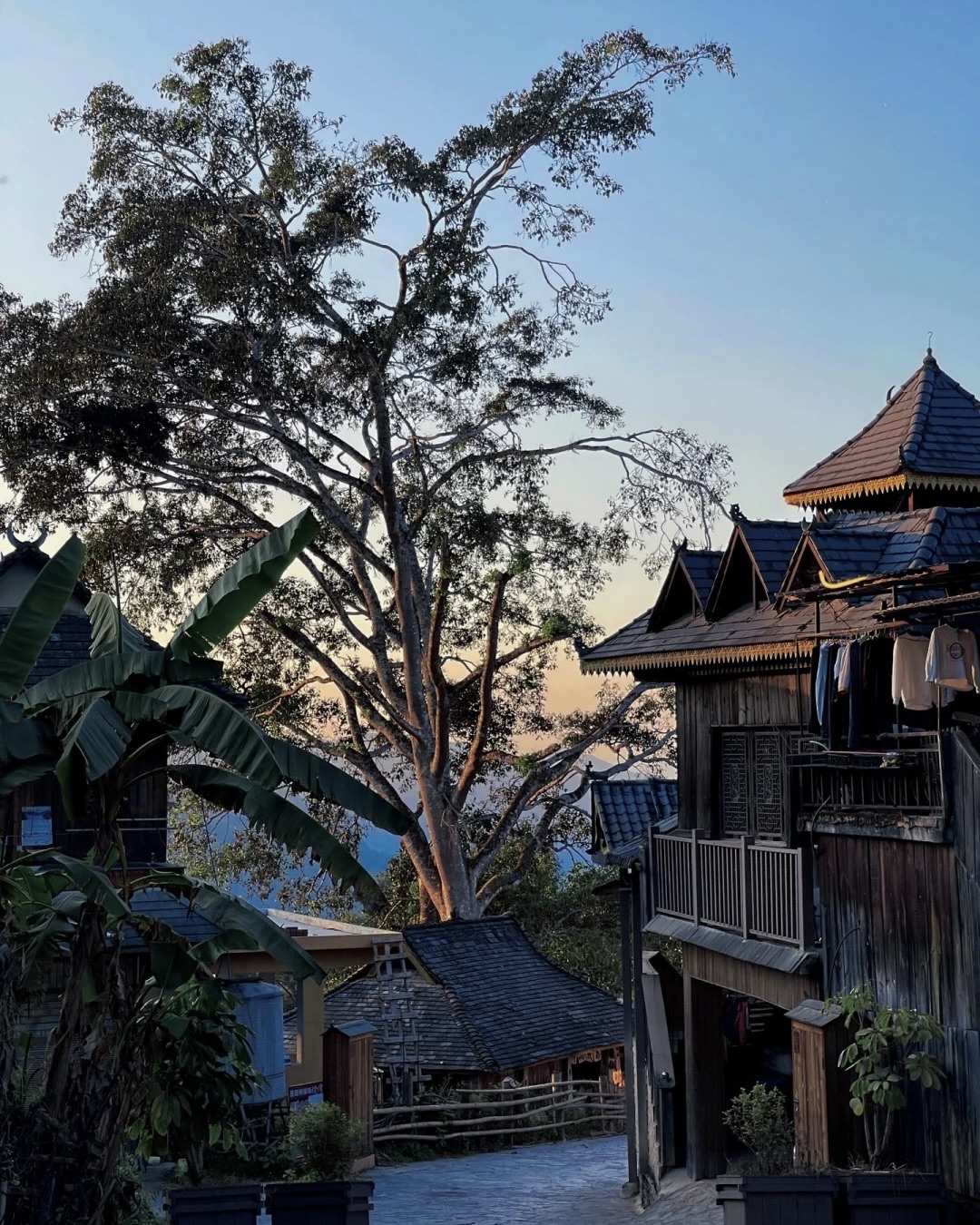
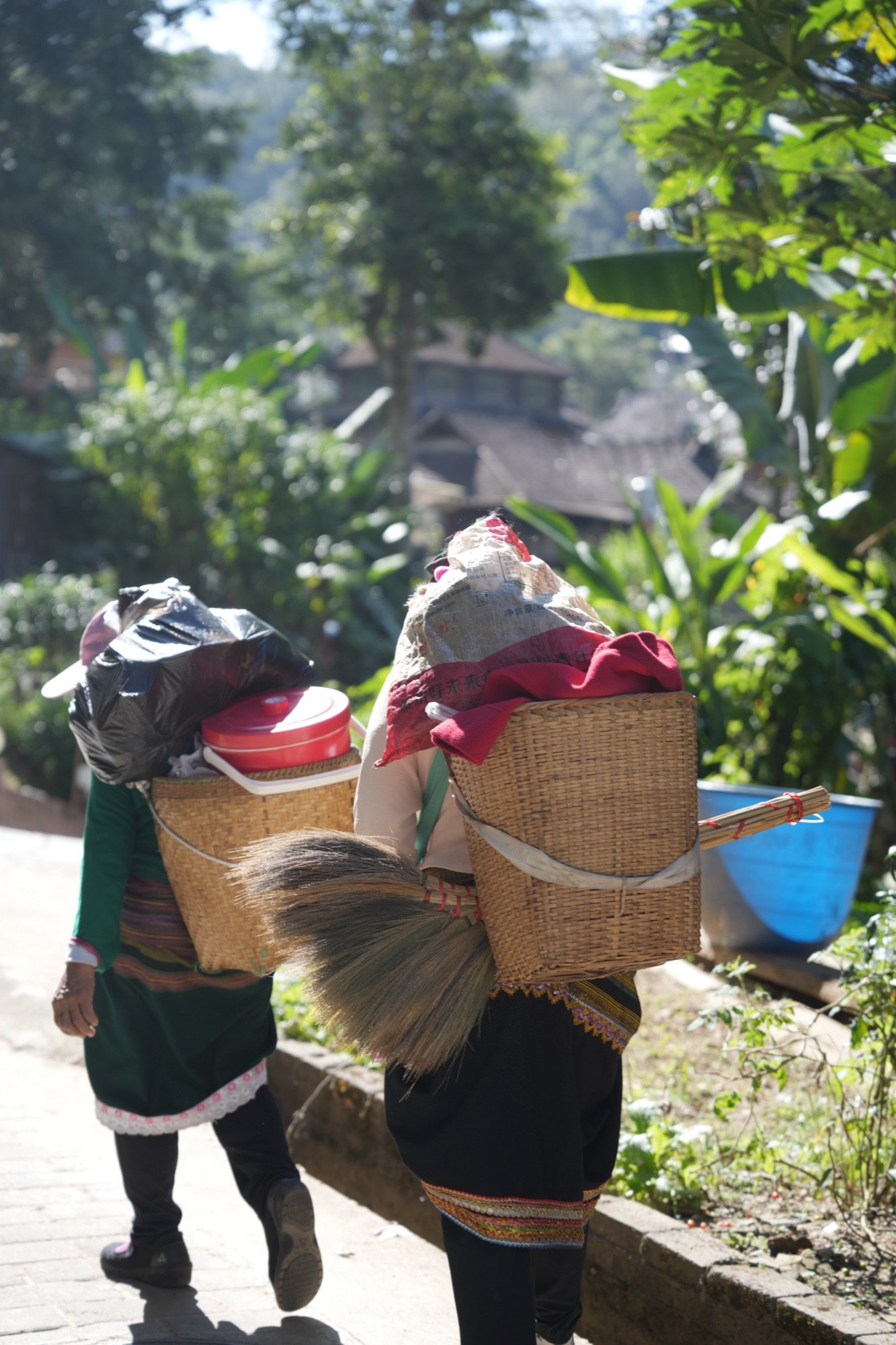
Start at a Pu'er coffee estate for a cupping, because bitterness deserves a warm-up. From November to March the harvest is on and you can watch it; in late October the cherries are not ripe, so the visit is roasting and cupping only. Then about three hours by road to Jingmai Mountain (景迈山), inscribed by UNESCO in 2023 for its ancient tea forests. Walk in among the old trees toward Wengji (翁基), a Bulang village of dark timber houses under steep shingle roofs. Supper is with a Bulang family: wild bitter greens (苦菜) and bitter tea (苦茶), brewed to make a point. Spring picking starts in the last days of March and October has an autumn picking; in winter it is a demonstration only.
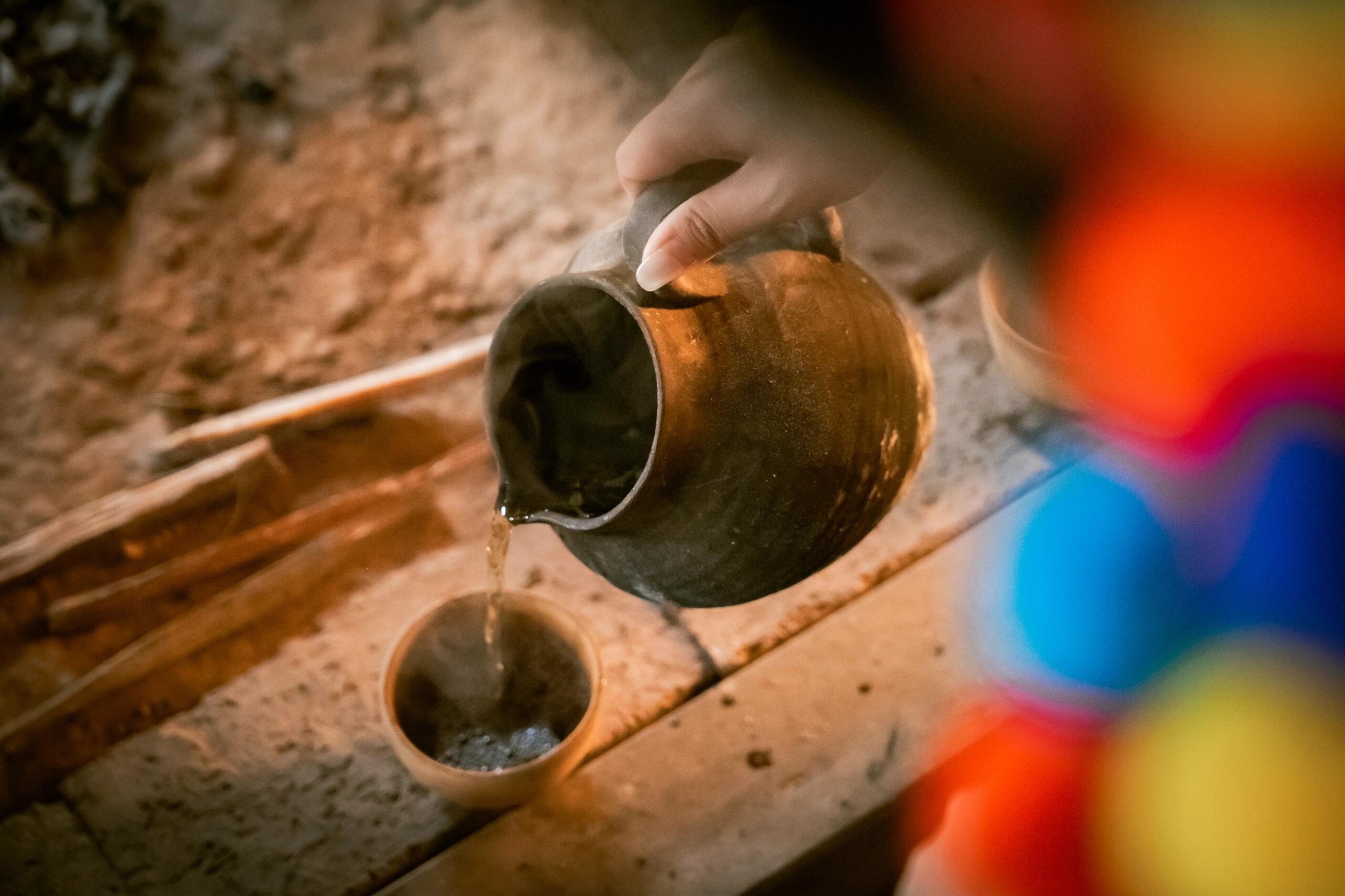
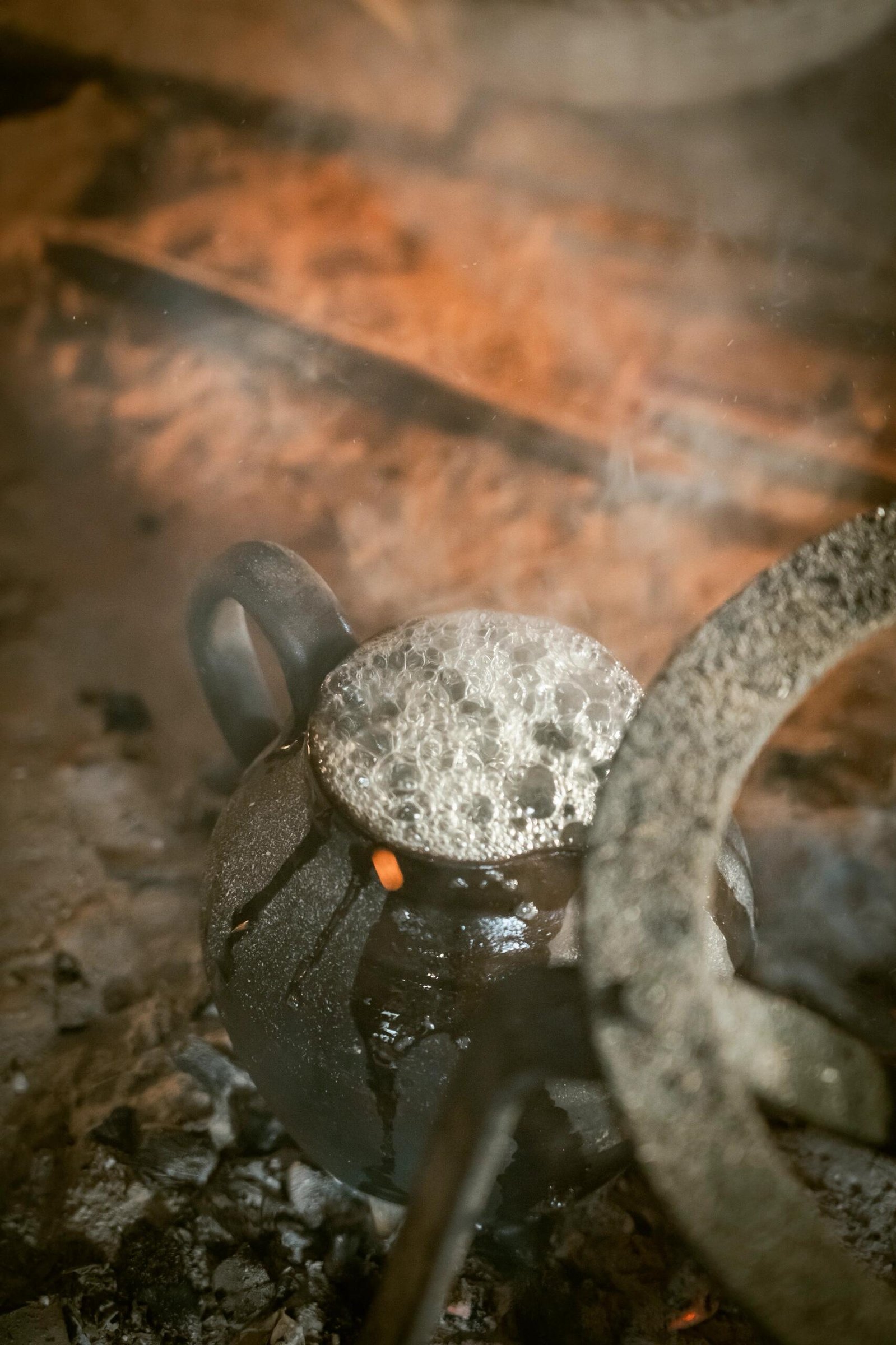
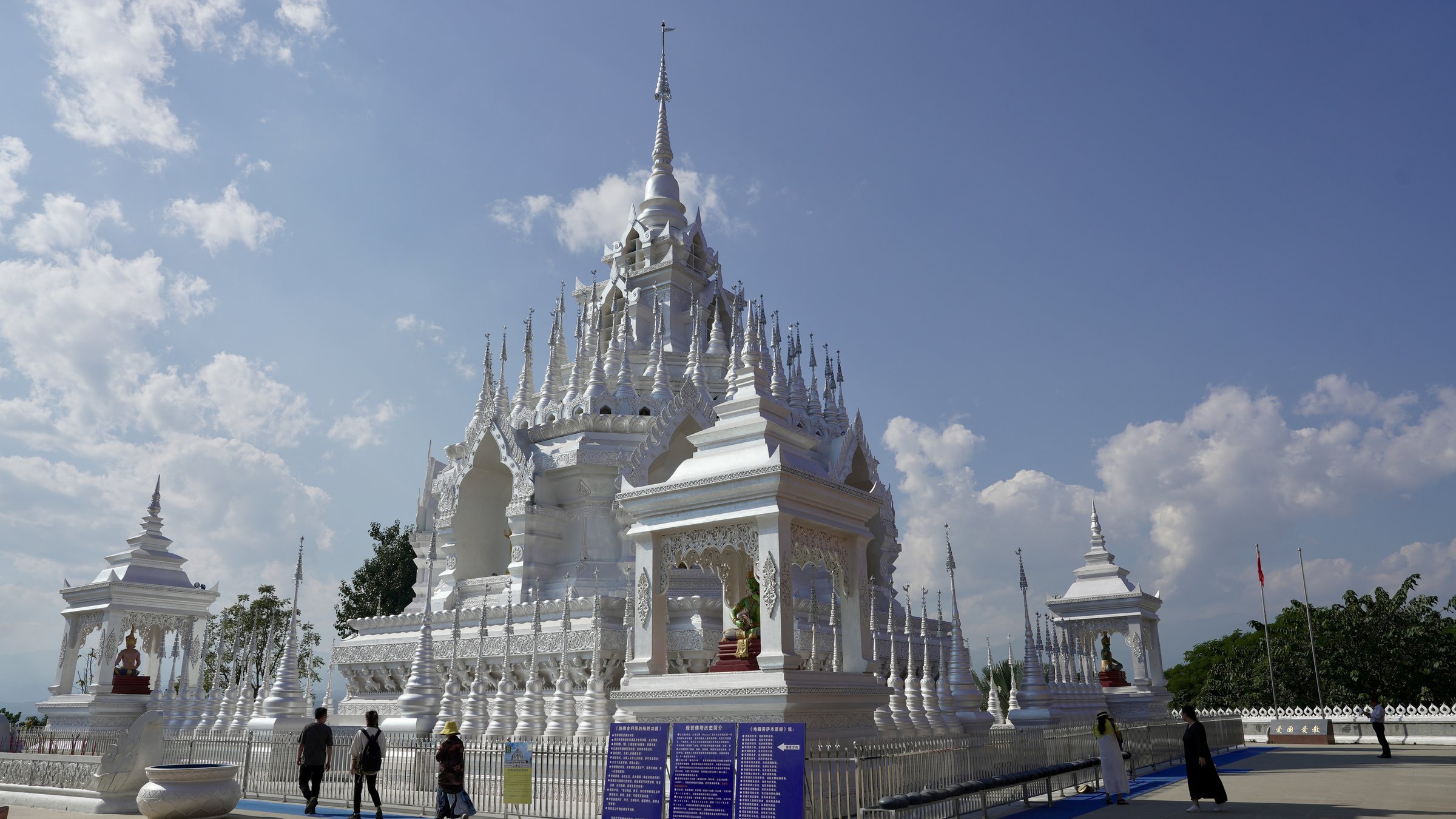
Huigan (回甘) is the sweetness that rises in the throat a while after a bitter tea has gone down, and this morning's class is about learning to notice it. Small cups, several old-tree teas, long pauses, and a teacher who makes you wait before offering an opinion. The saying is 先苦后甜, bitter first and sweet after, and it gets used about a lot more than tea. On Jingmai's Lahu hearths the same idea is boiled over embers in a clay pot, which you will get to compare. Then east by road, about three and a half hours to Jinghong with a stop at Manduan Temple (曼短佛寺) in the Menghai valley, and about an hour more to Menglun (勐仑). Count on four and a half to five hours in all.
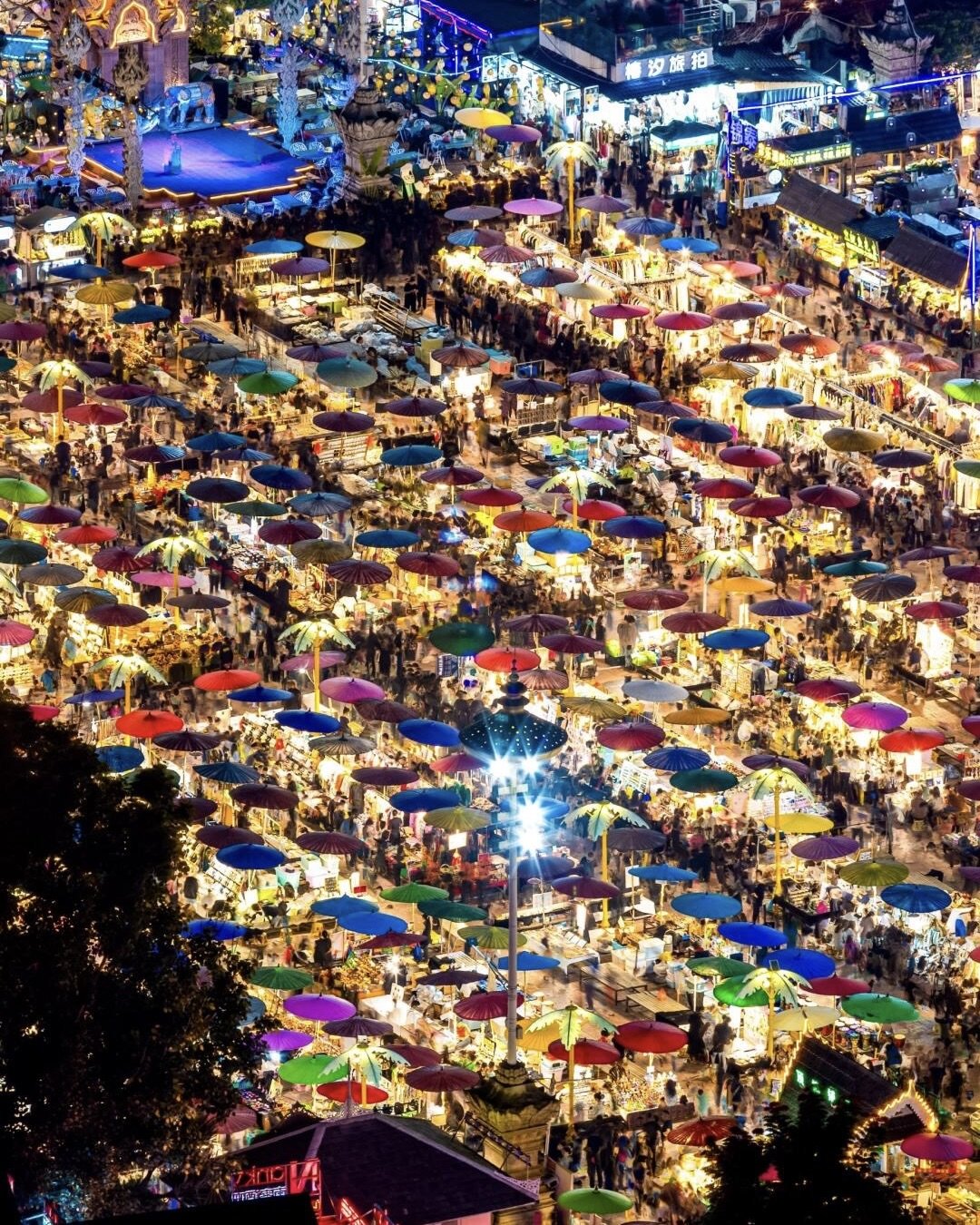
Food spoils fast at this altitude and this temperature, and the Dai answered with acid. A day in a Dai village kitchen runs through the vocabulary: sour bamboo shoots (酸笋), fish with lime and lemongrass, sour papaya, and 喃咪, the Dai dipping sauces that turn up at every meal. You get an apron and a job, and lunch is whatever you managed not to ruin. After dark it is about an hour to Jinghong for the Gaozhuang Starlight Night Market (告庄星光夜市), some 3,600 stalls packed around the Great Golden Pagoda and at their best after eight, once the lanterns are on. Then an hour back. Travelling 13 to 15 April? The Water-Splashing Festival (泼水节) has the run of the place.
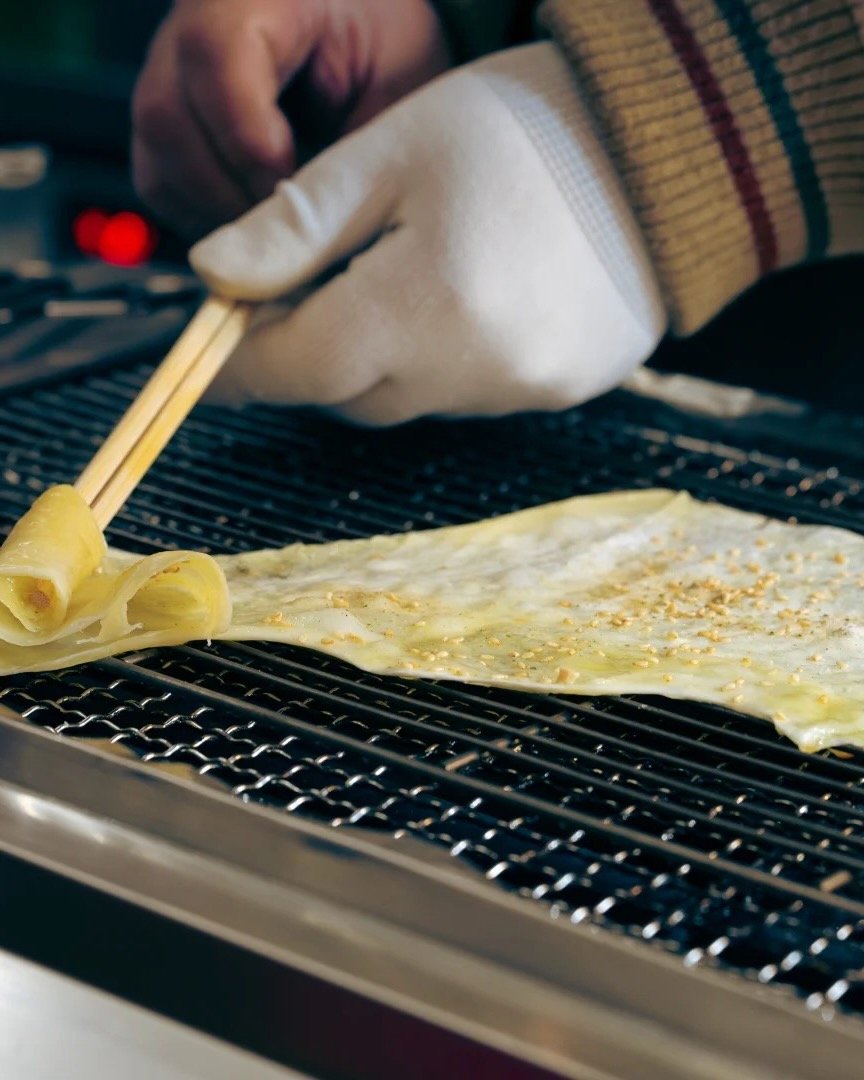
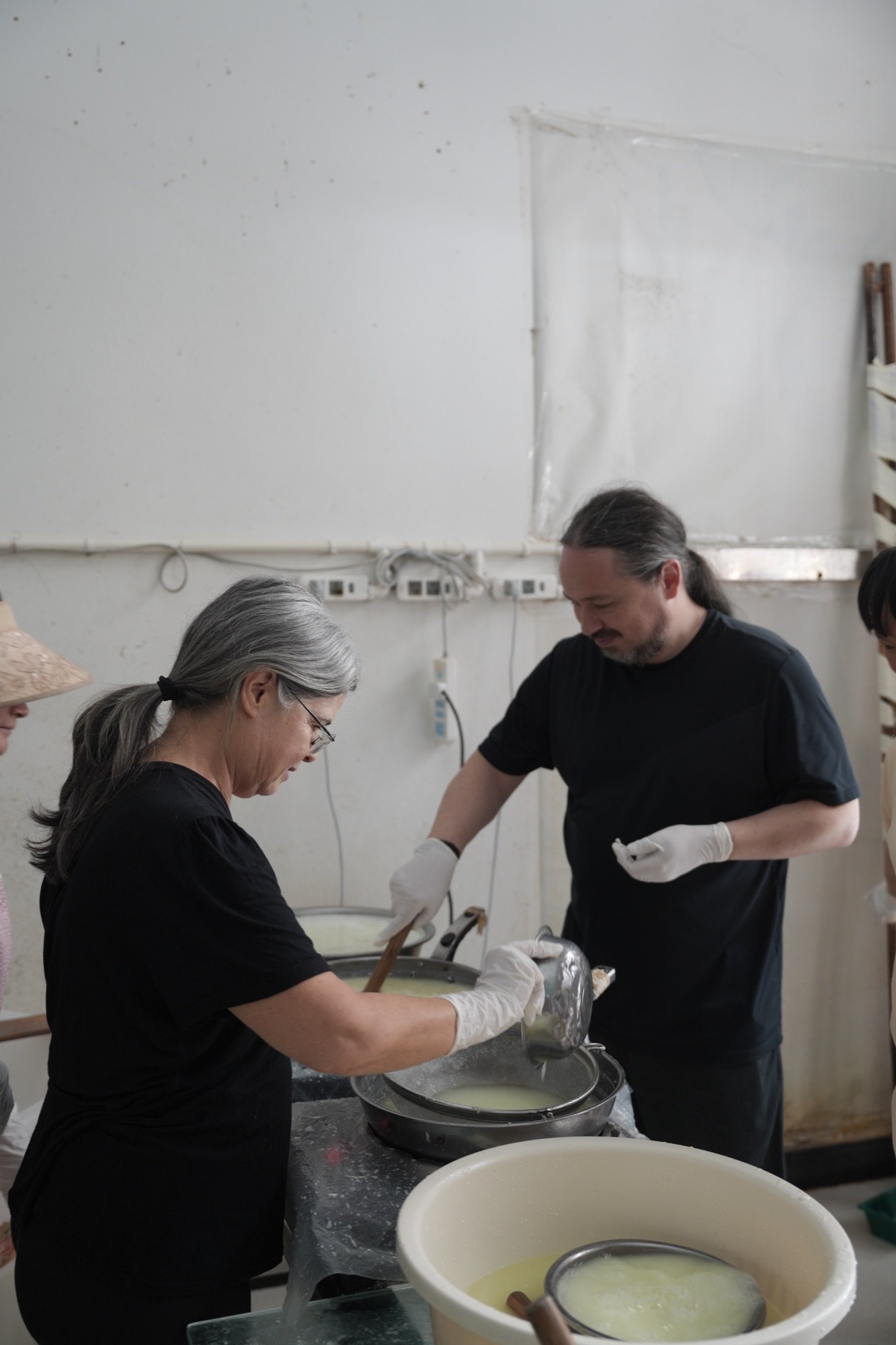
About an hour to Jinghong airport, then north. Lucky Air flew the route direct, about an hour and ten, around ten times a week as of September 2026; if the direct flight does not line up with your date, you connect through Kunming. From Dali airport it is about 45 minutes to Xizhou (喜洲). Dinner is a Bai welcome, and the surprise is dairy. Rushan (乳扇) is milk and sour whey worked into fans and sun-dried for two or three days, best from the milk of Dengchuan at the top of the lake. Rubing (乳饼) is the other cheese, made by both the Bai of Dali and the Sani Yi of Shilin. Which came first, nobody can say.
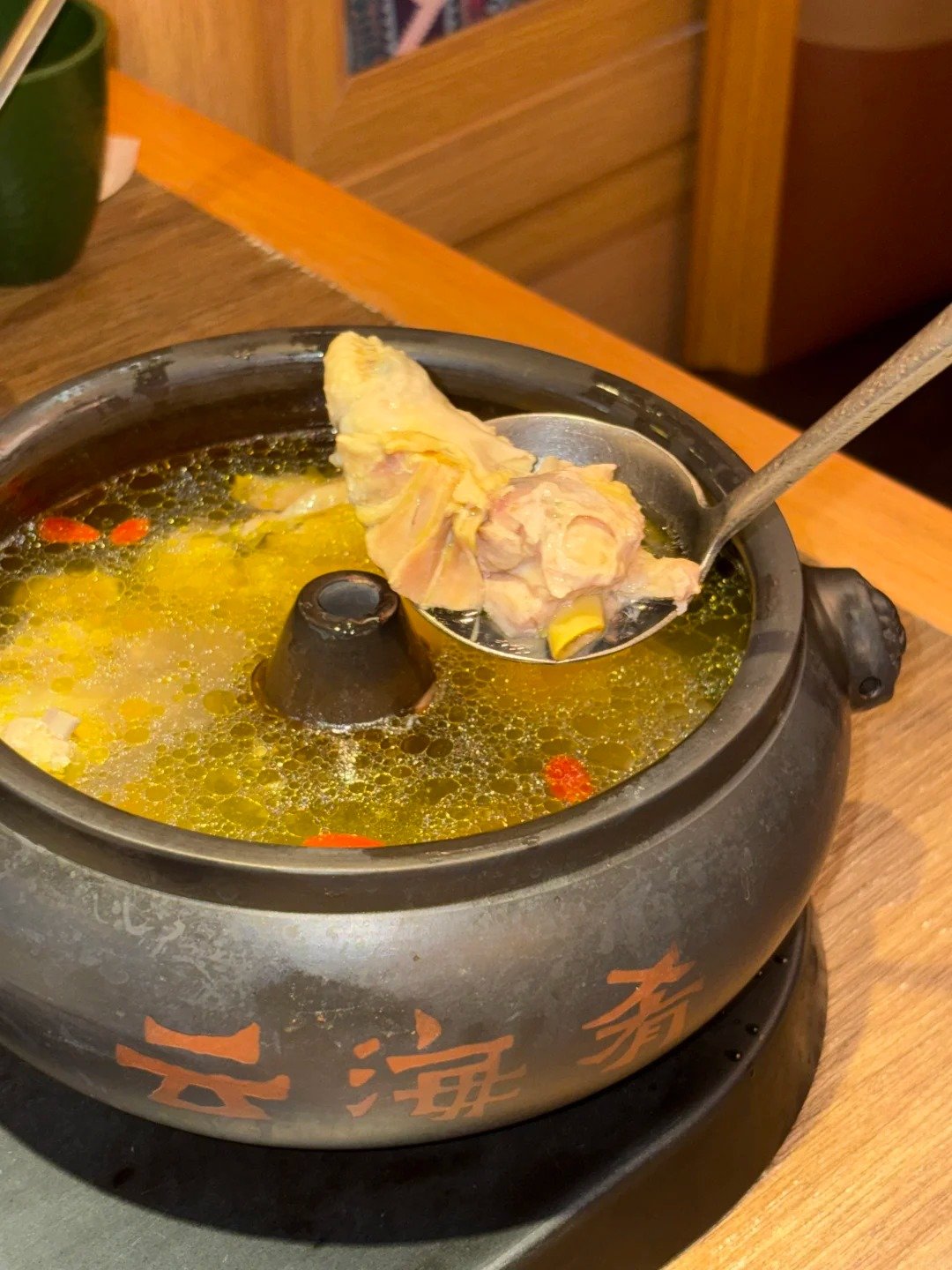
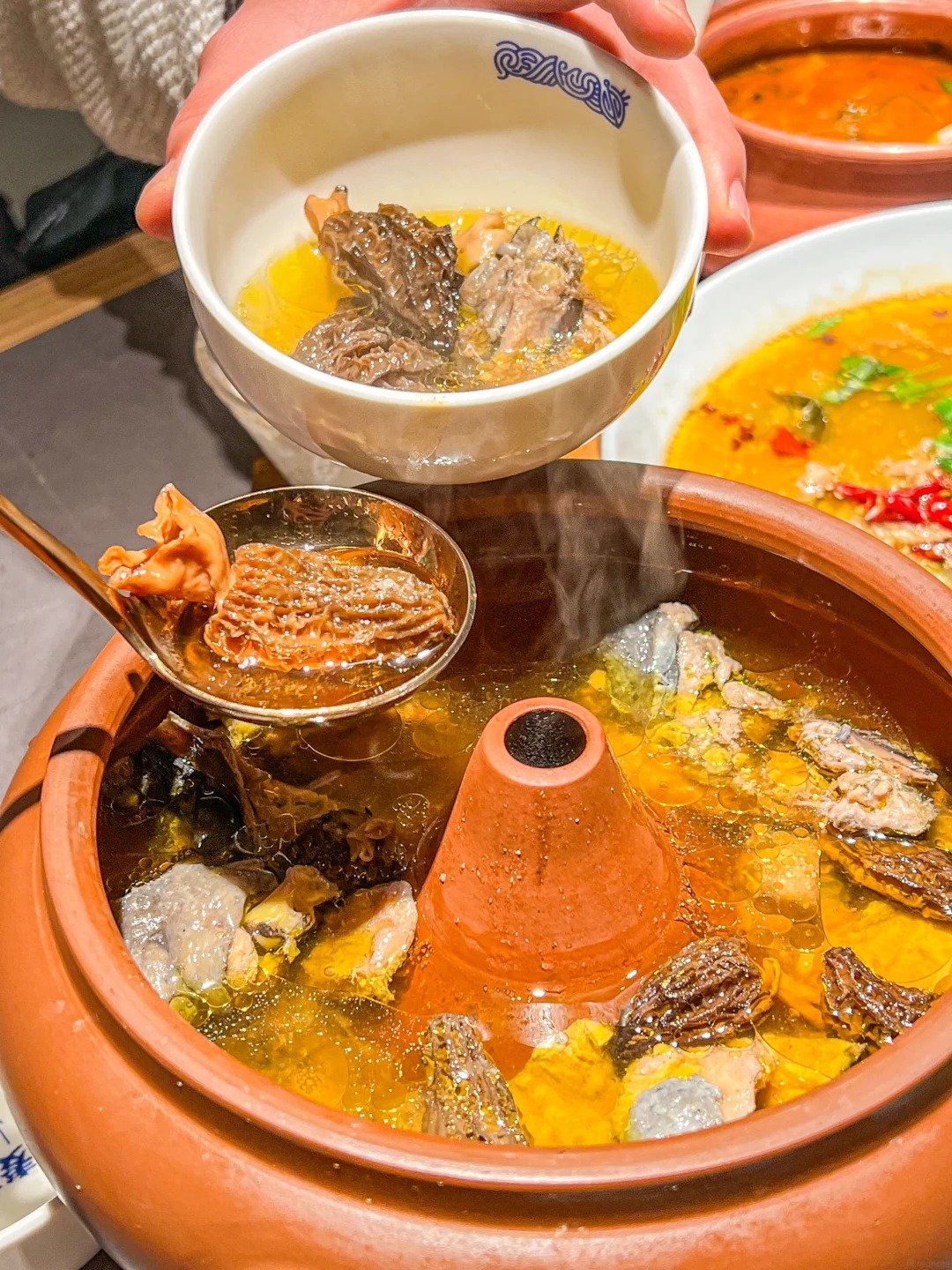
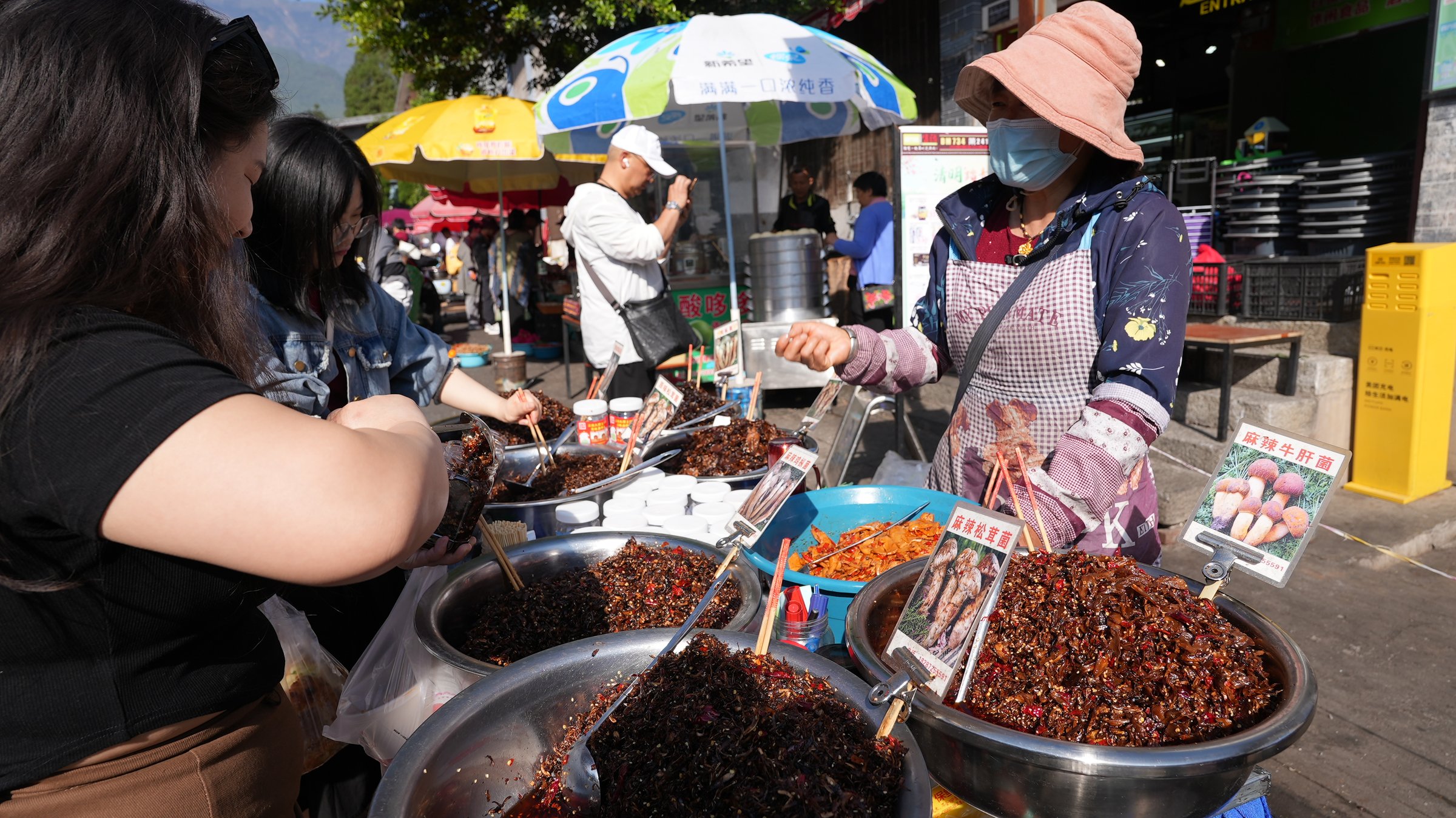
Heqing (鹤庆) is about an hour and a half north, and its ham is counted among Yunnan's three great hams, with Xuanwei and Nuodeng. Its round leg gets the name from the trotter, tucked into the skin before curing so the whole thing forms a circle. A ham cellar, an aged-ham tasting, and back to Xizhou for the pantry: matsutake (松茸), ganba (干巴菌), porcini (牛肝菌) and jizong oil (鸡枞油), worked into a broth lesson on where savoury actually comes from. Travelling in early October, the last fresh matsutake join in; later than that, dried mushrooms carry it. At dinner your Jianshui pot finally goes to work. Steam-pot chicken (汽锅鸡), with a broth made entirely of condensed steam.
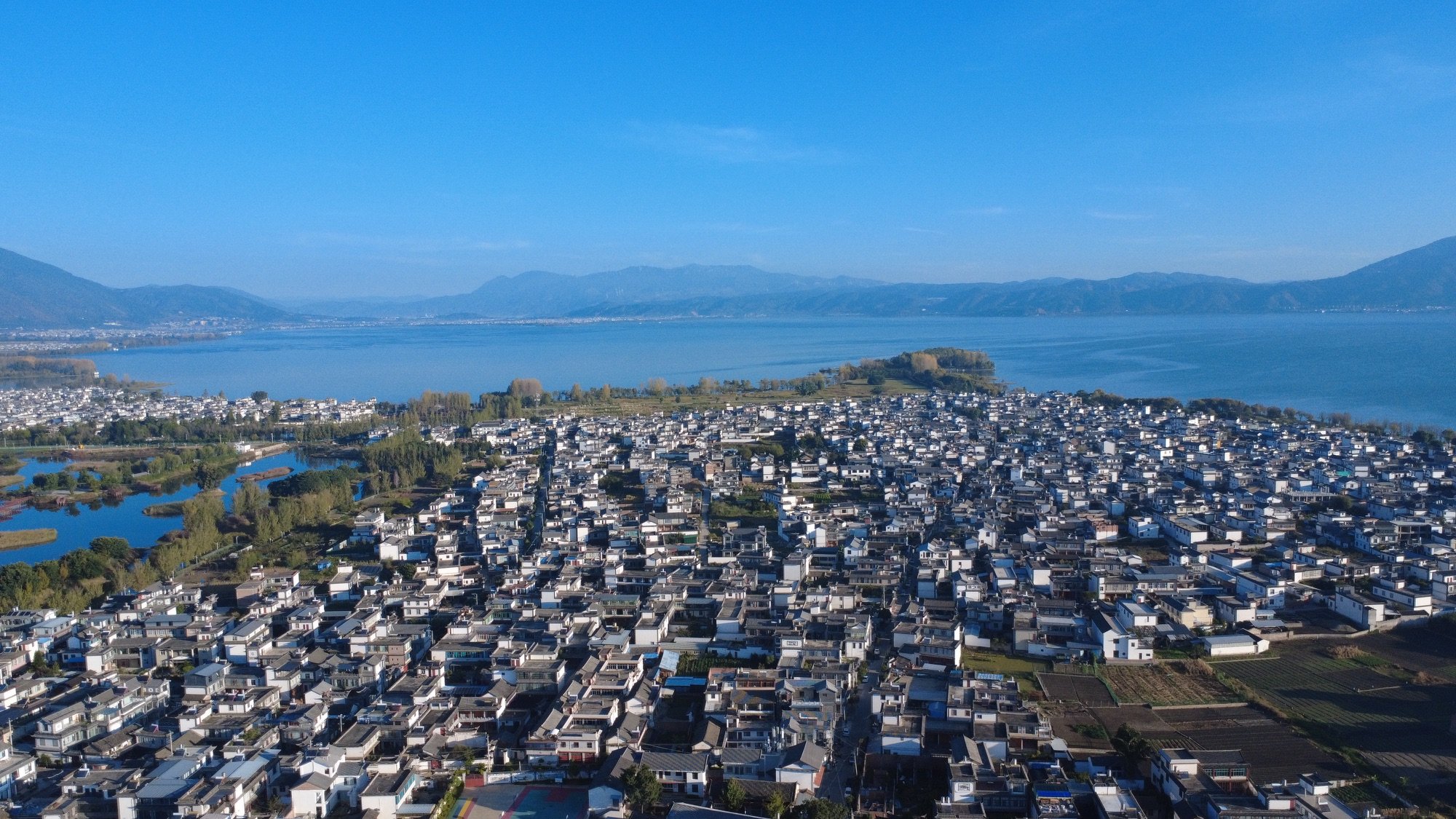
A slow morning on Erhai, since the last eleven days were not. In the afternoon, Bai three-course tea (三道茶), on China's national intangible-heritage list since 2014. The first cup is Cangshan green tea roasted in a hot jar until the boiling water makes it rumble, and it is bitter on purpose. The second is sweet, with walnut and brown sugar; some households add rushan. The third, with honey, a little Sichuan pepper and cinnamon, is the aftertaste, and you are meant to stop and consider it. Then a private chef cooks five courses, one per flavour, from what you bought along the way: the honey, the chilli, the tea, whatever else survived the luggage.
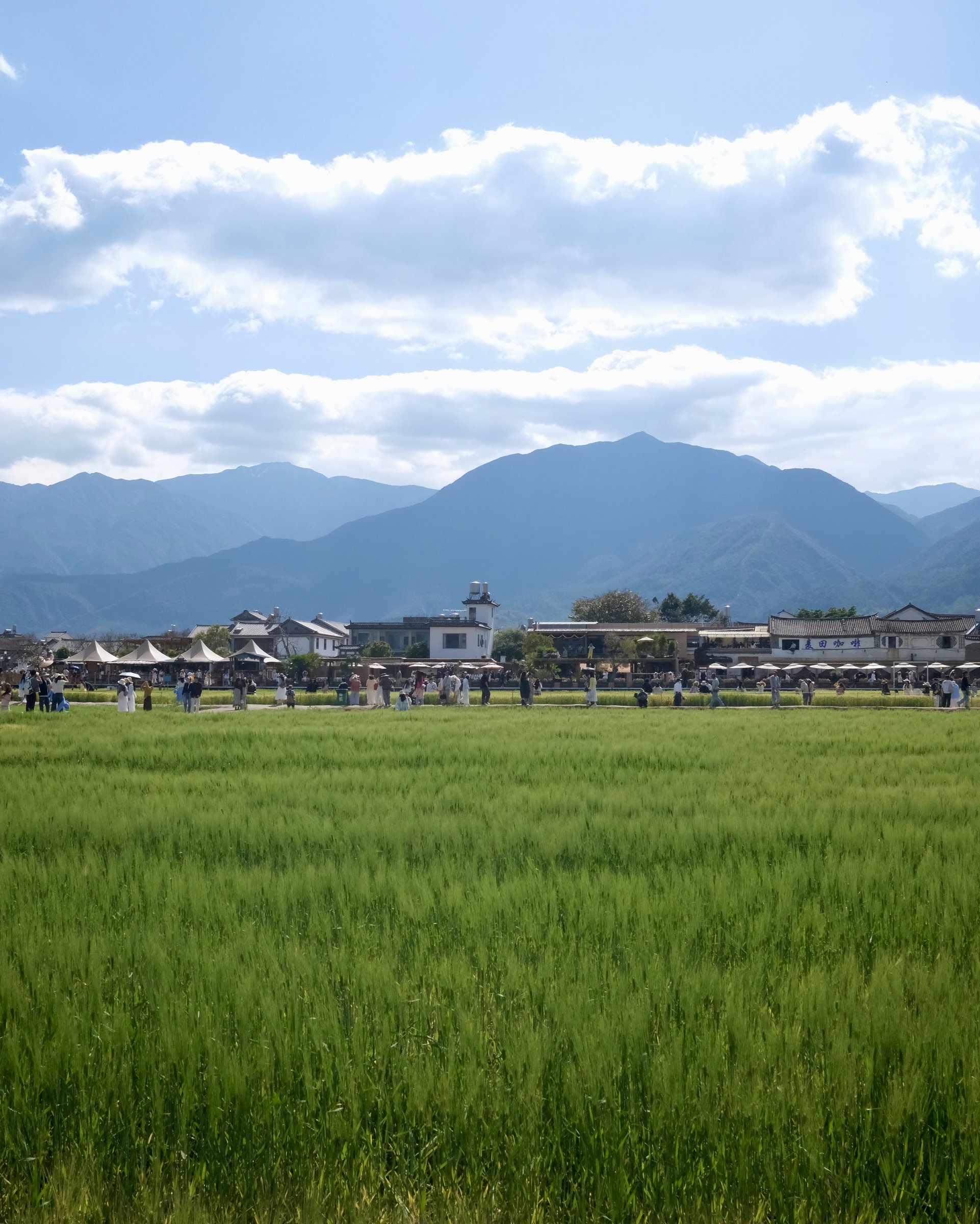
About 45 minutes to Dali airport, then a flight of a little over an hour to Kunming for your onward connection. The pot is yours to keep. Pack it in the middle of your bag.
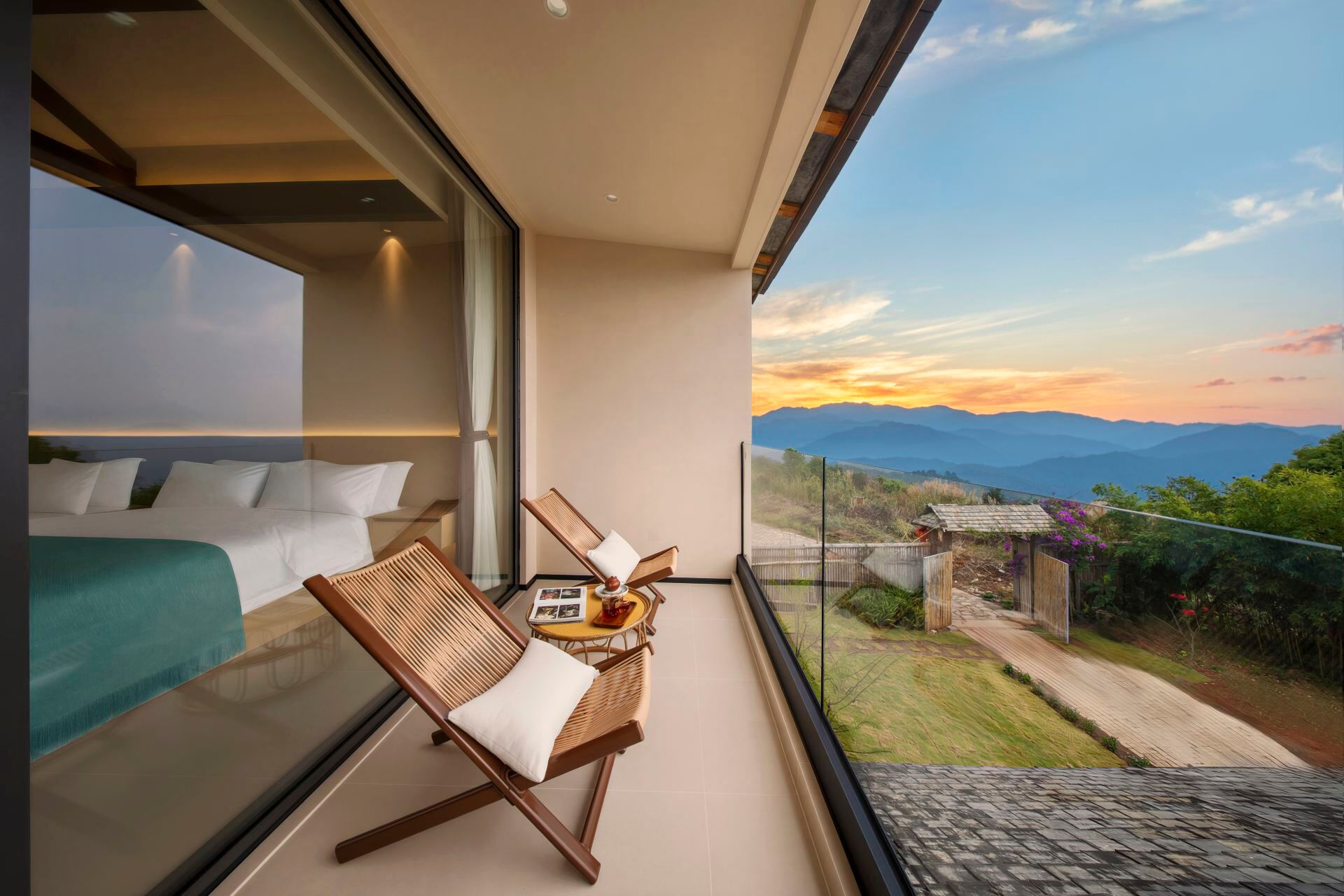
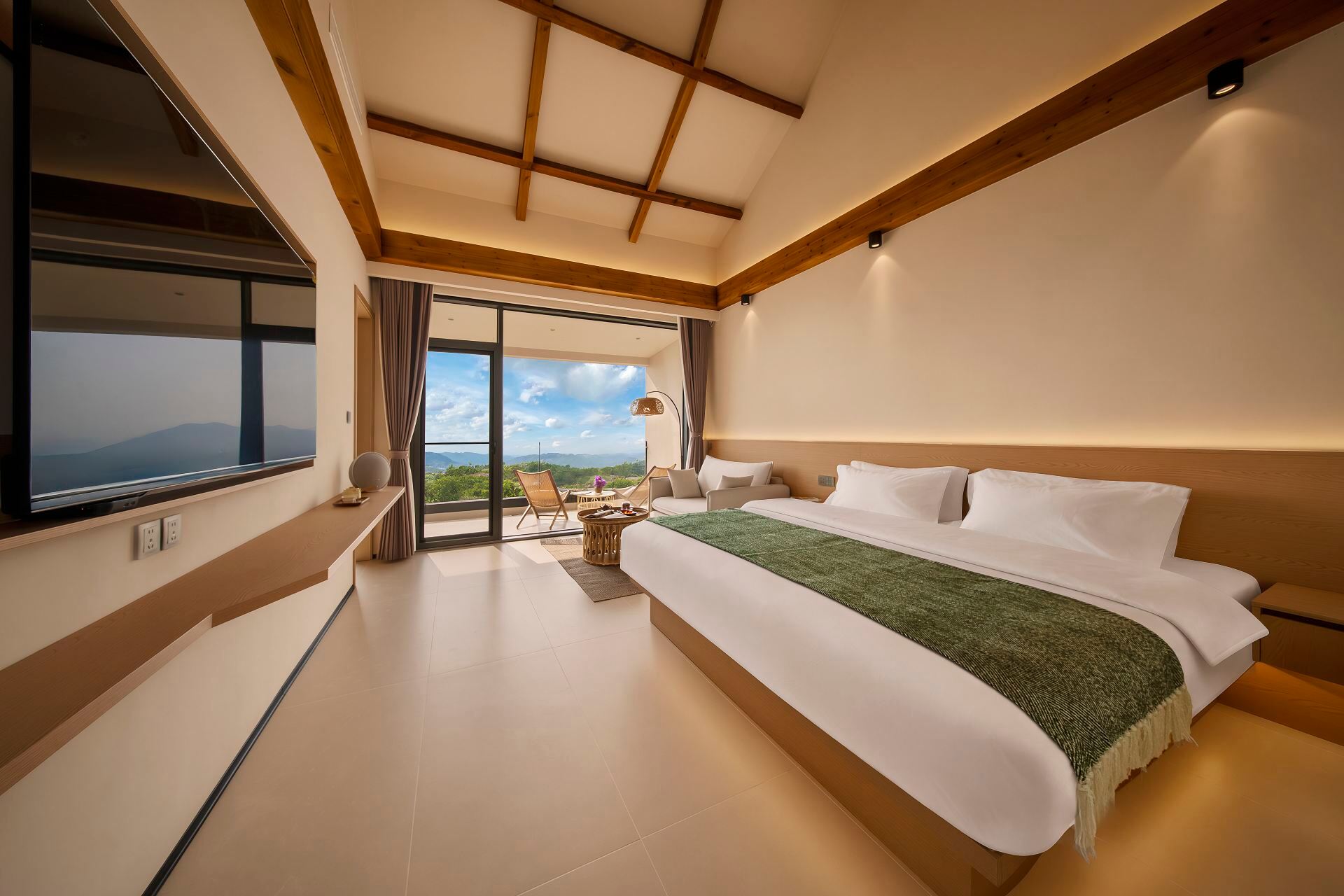
Nine of the twelve nights are at listed stays chosen for the kitchen around them: a courtyard hotel in Jianshui's old town, a resort on the Duoyishu terraces, a Bulang family inn in the Jingmai tea forest, a Dai-style resort on the Luosuo River and a courtyard hotel at Xizhou. Kunming and Pu'er are arranged per departure.
Three garden courtyards inside Jianshui's old town, a short walk through the lanes from the grilled-tofu night market. Two nights.
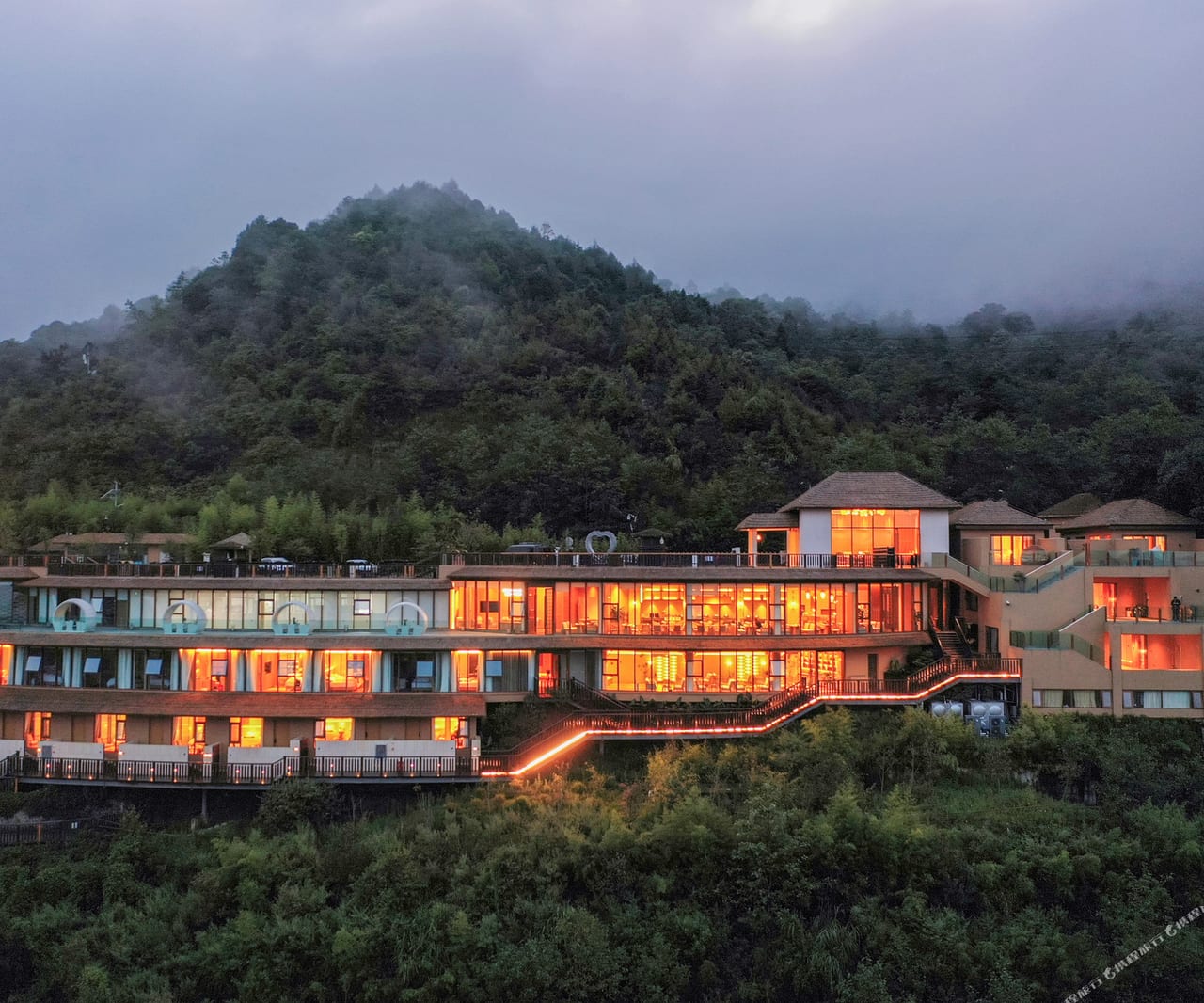
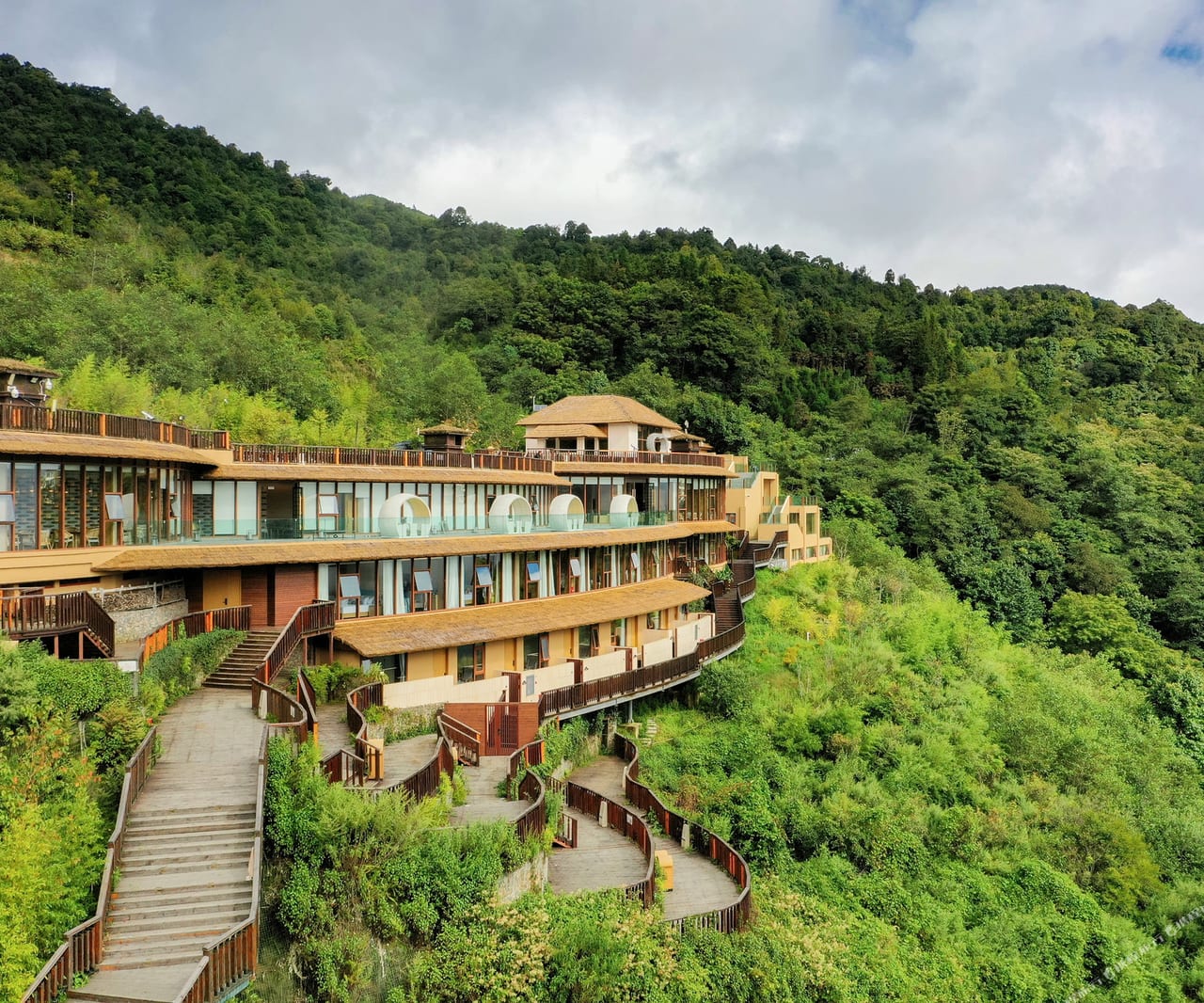
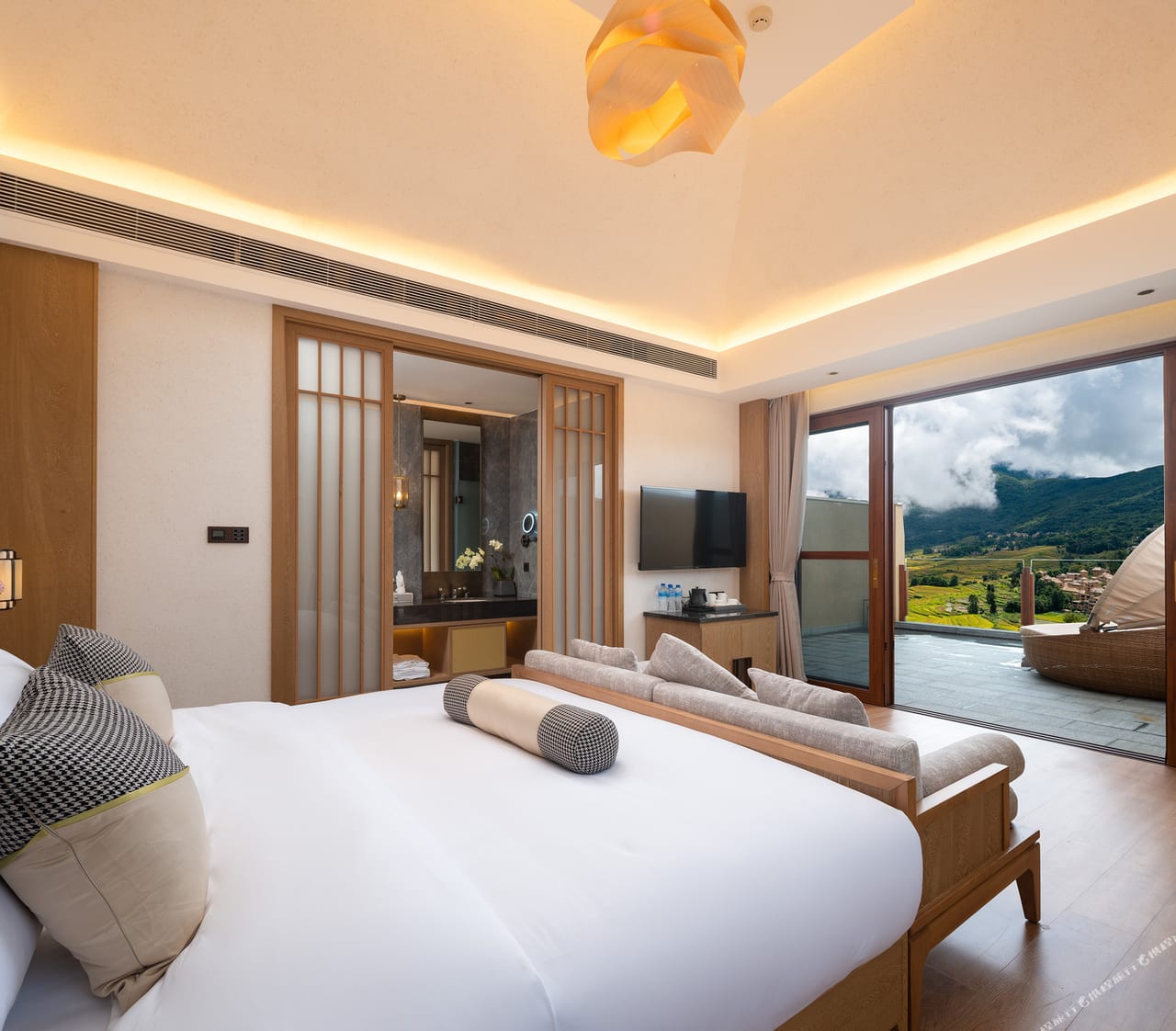
Twenty-six rooms stepped down the slope inside the Duoyishu scenic area, with its own deck onto the sunrise viewpoint for the Day 6 start. One night.
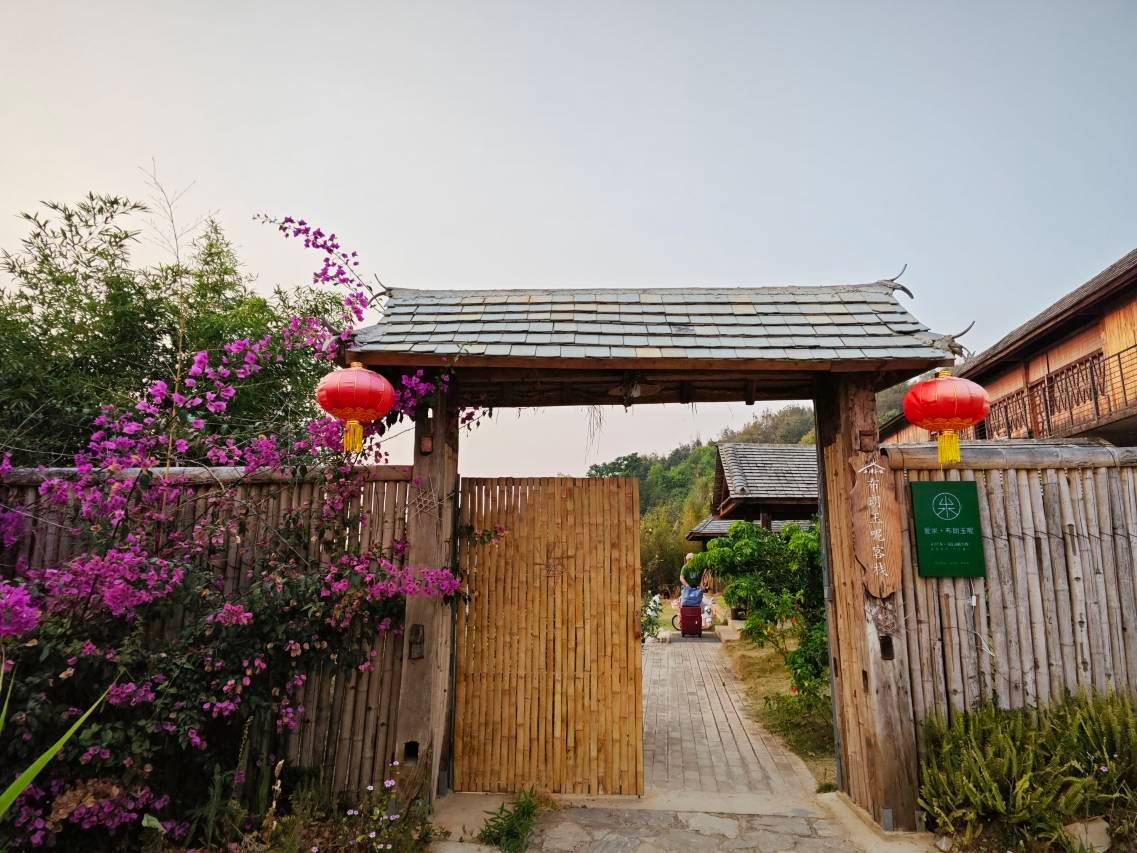
A Bulang family inn in Wengwa hamlet, among the ancient tea forests, where the point is the host's table and the fire-pit roasted tea. One night on the bitter leg.
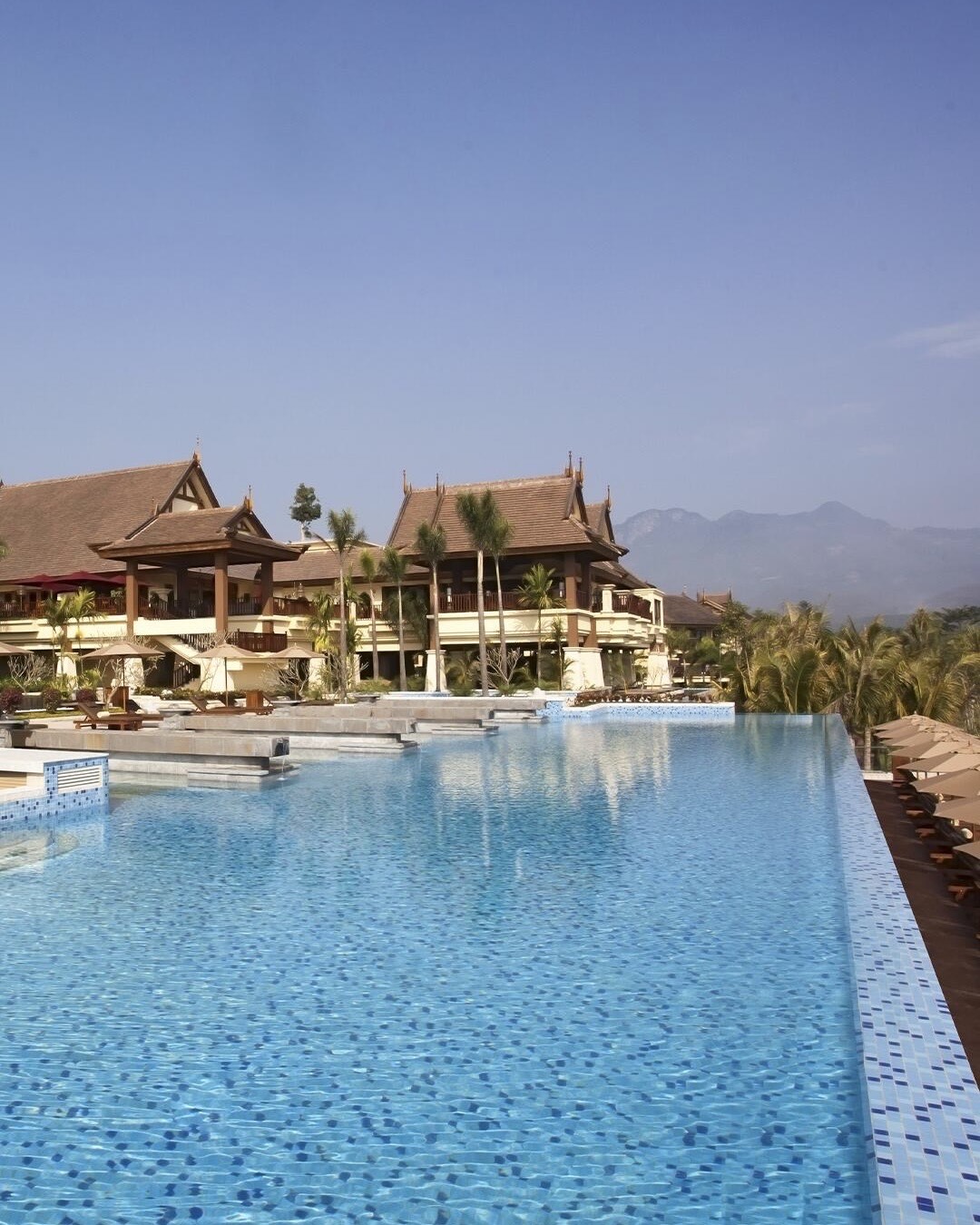
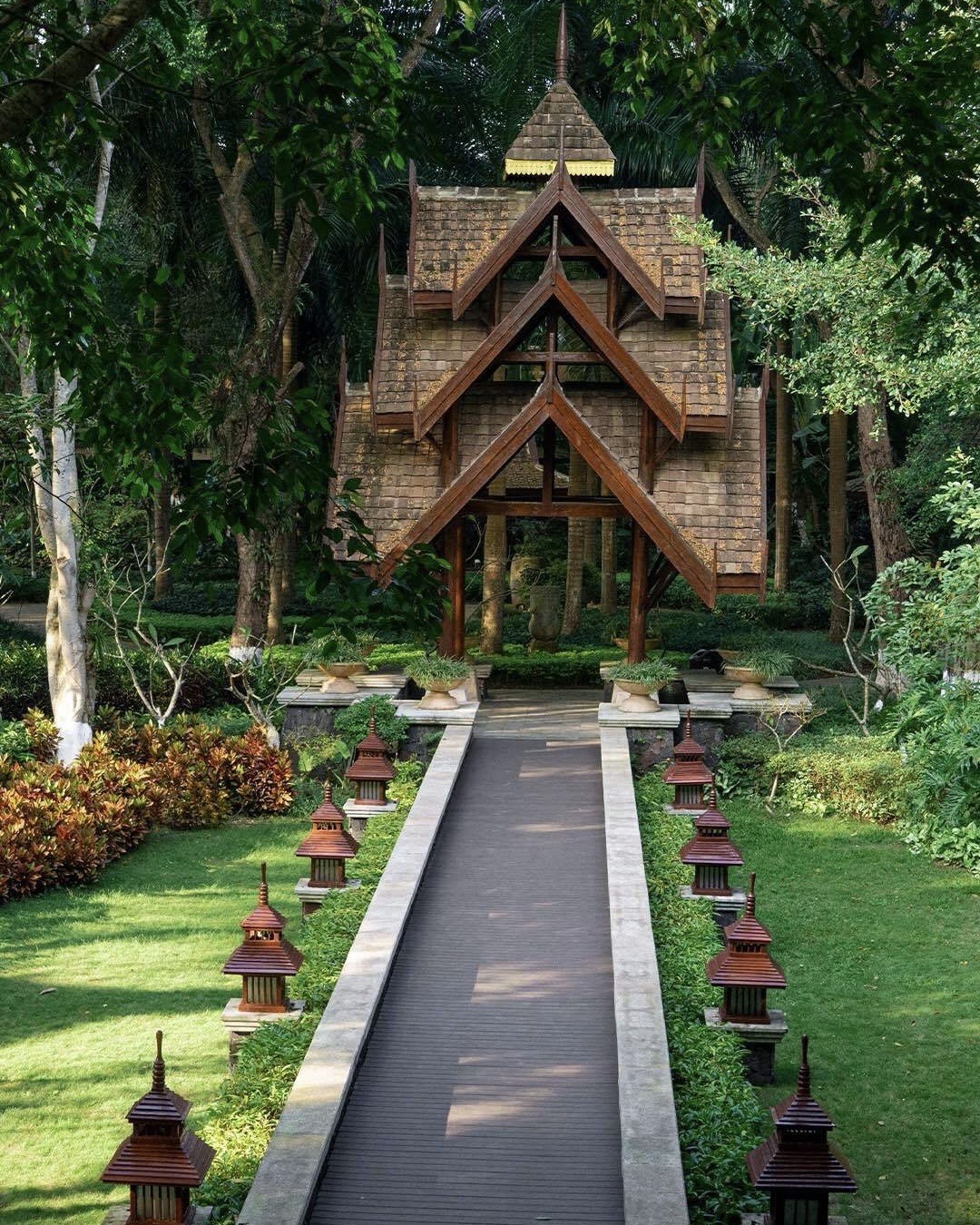
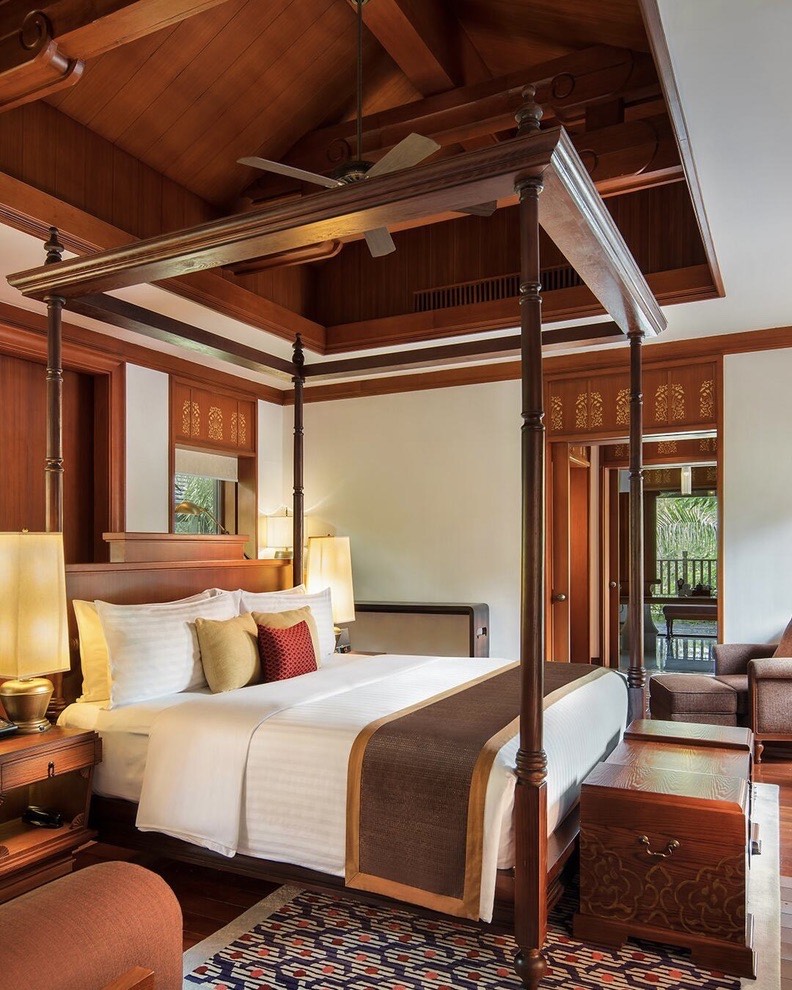
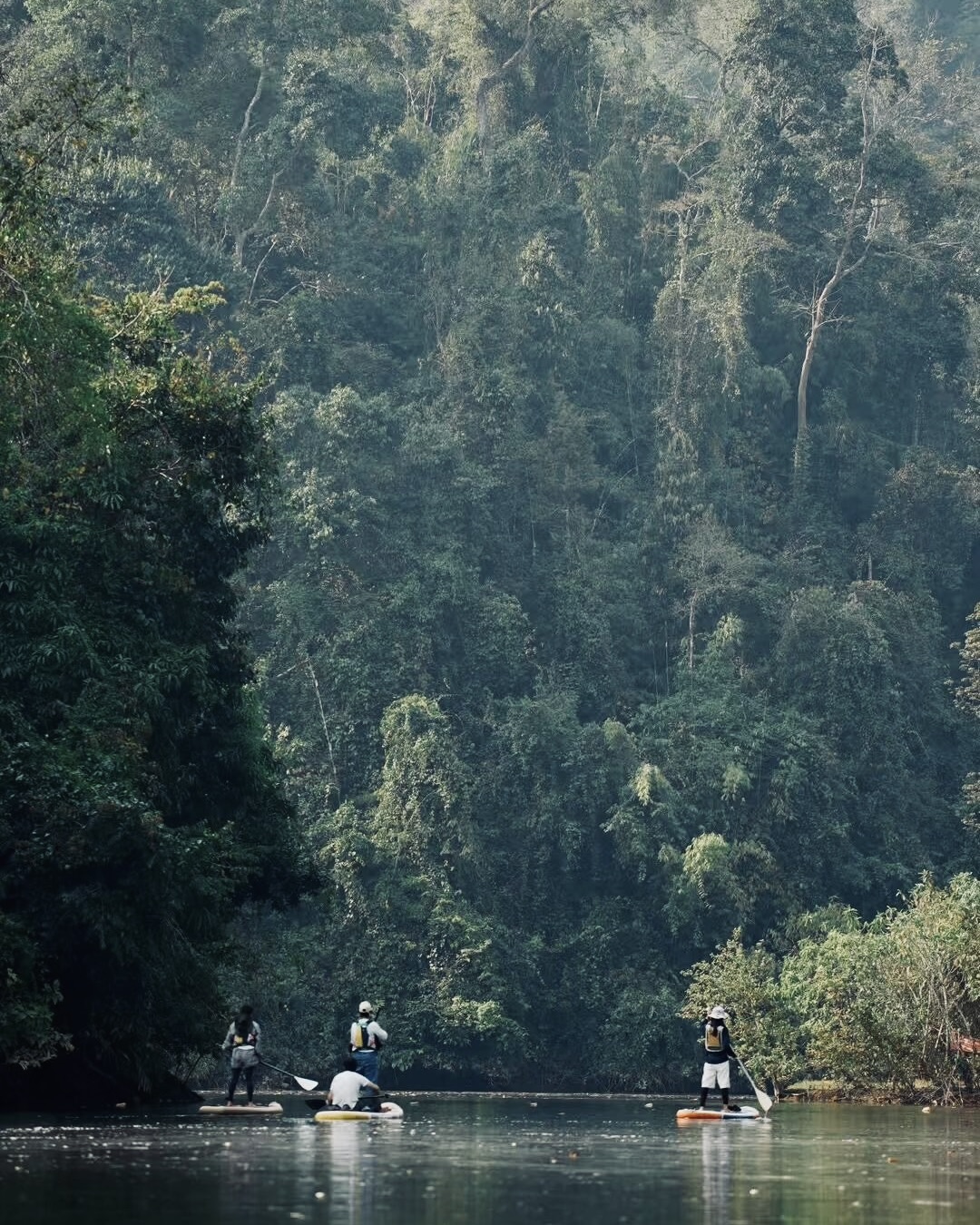
Pool villas in Dai-style pavilions on the Luosuo River at Menglun, about an hour beyond Jinghong, and a warm place to rest between kitchens. Two nights.
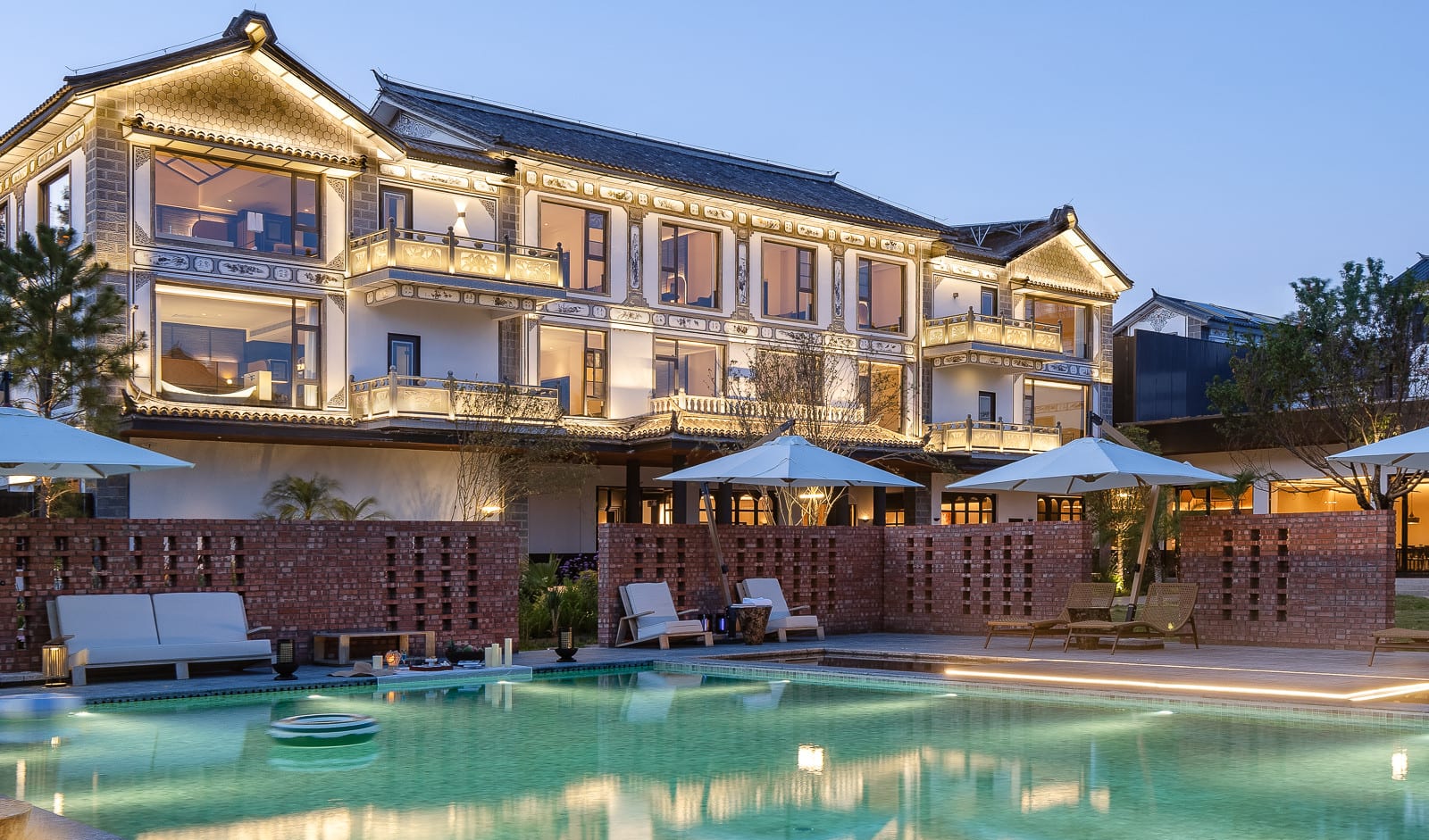

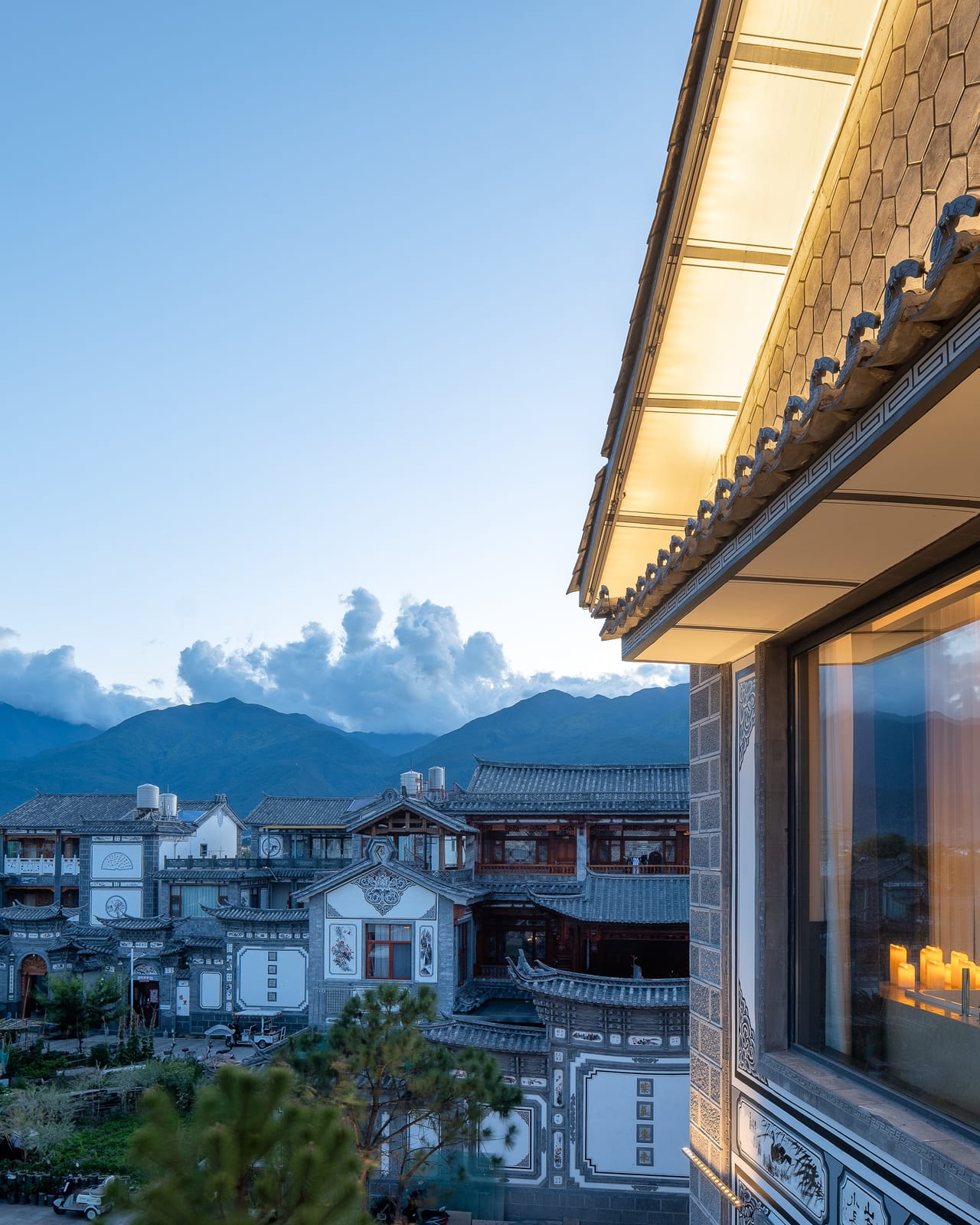
A grey-tiled Bai courtyard hotel on Erhai's western shore, close to the lakeside corridor and a good base for Heqing and the finale. Three nights.
These are examples of the boutique stays we book across the route. Because boutique hotels have so few rooms, a stay may occasionally be swapped for one of similar standard.
October to April, the dry season, and each end of it changes the menu. Early October has the last fresh matsutake and all of October has Mengzi pomegranates, but the terraces are not mirrors and the coffee is not ripe. Late October to December brings Chu oranges while stock lasts. The coffee harvest runs November to March. Mid-November to early March is when the terraces hold water, at their best to mid-February. Spring tea picking starts in the last days of March, and April adds the Anning rose harvest, by which time the terraces have stopped reflecting. From May the rains come.
Sour, sweet, bitter and hot (酸甜苦辣) is the everyday Chinese shorthand for the ups and downs of a life. The fifth, 鲜, is the one Yunnan adds. It is the deep savouriness of ham, broth and mushroom, and it is why the trip ends in the northwest rather than in the tropics.
Hotter than you expect on Days 3 to 5, and entirely negotiable. Yunnan's heat comes from fresh and fire-roasted chillies, not numbing peppercorn, so it is sharp and over quickly. Most of it arrives in a dip on the side, which means you decide how much of it you meet.
Yes, as an optional fourteenth day with one night there, about two hours from Dali each way (our operating time). Nuodeng (诺邓) is an old salt village, first recorded in the Manshu around 863, and its ham reached Burma and India in the Ming and Qing. Salt is still boiled on a small scale, as winter work, and you see one stage of it in a morning. Curing starts in November and the best legs are salted from late December to Spring Festival. We do not list a hotel in the village.
Often, not always. Lucky Air flew it direct, about 1h10, around ten times a week as of September 2026. Schedules change, so we check it for your date; when it is not running you connect through Kunming, which costs you more of the day. Either way the steam pot comes along, packed well.
Every day, stay and date tailored to you — shaped over a call with someone who has walked the route, never a template.
Tell us your dates and what moves you. We reply within one business day, then shape a proposal — no obligation, never a templated package.
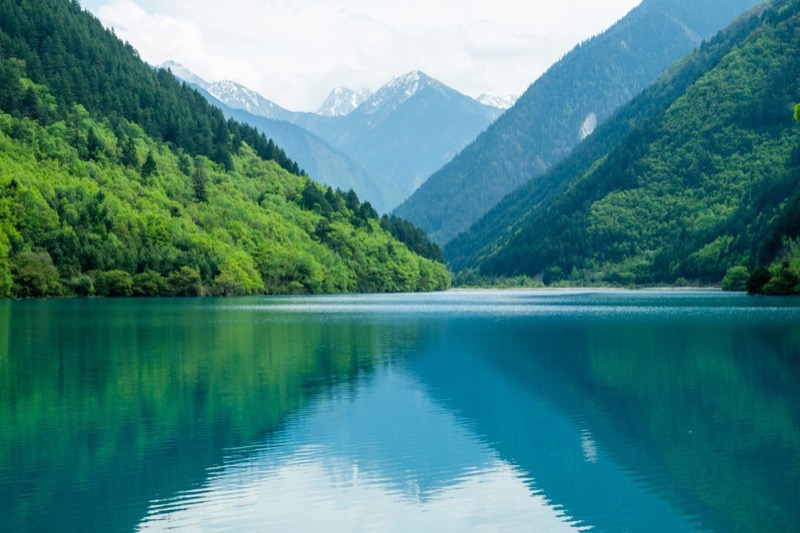
Giant Pandas at the Chengdu Research Base, then three days in the alpine lakes of Siguniang or Jiuzhai Valley. City culture first, mountain silence after.
See the itinerary →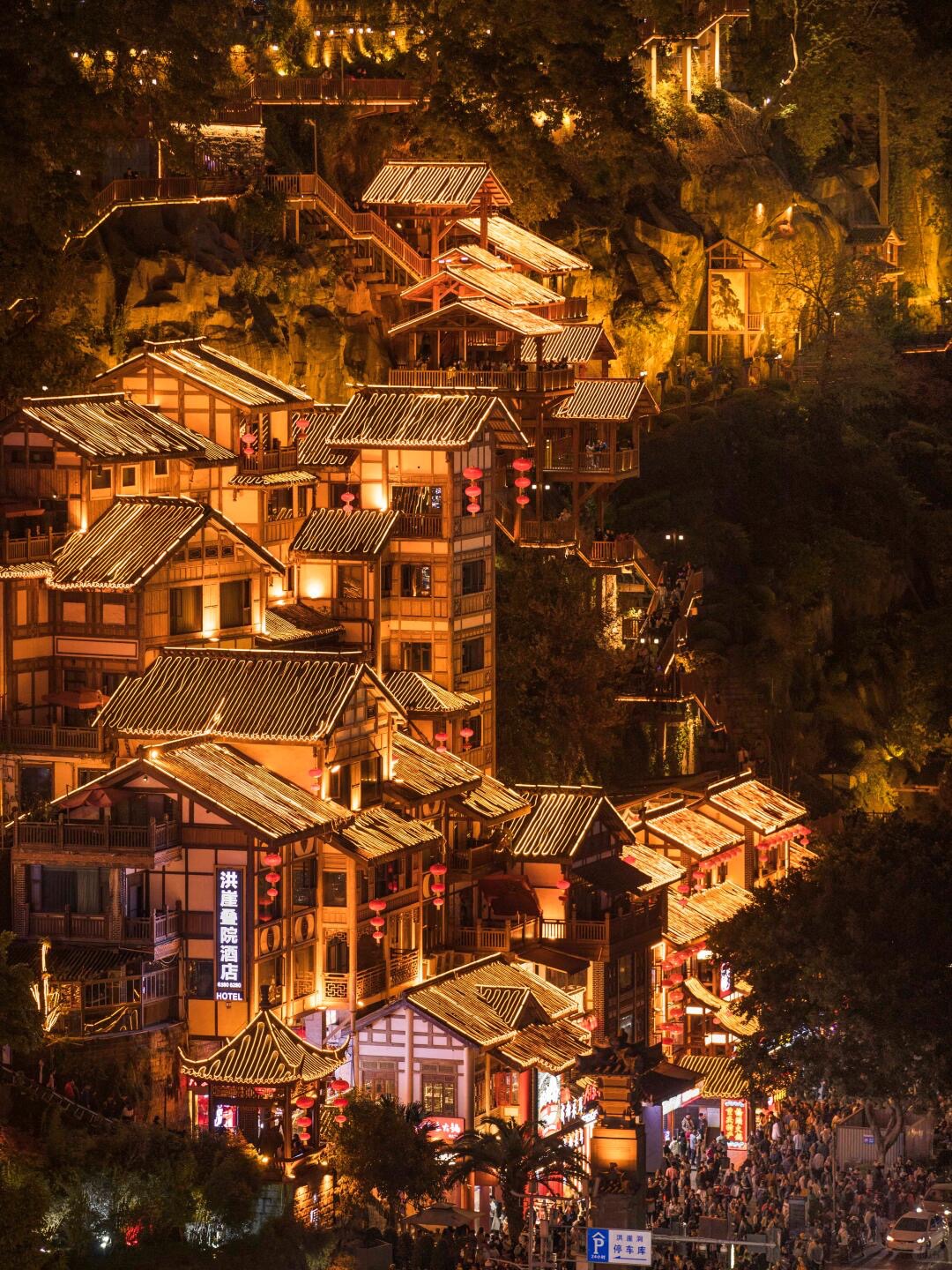
A 5–6 day private tour weighted toward Chongqing — neon river cities, UNESCO Wulong Karst, the Longji (Dragon's Backbone) ridge hike above the Yangtze, and two different tables of Sichuan heat. Bookended with a soft Chengdu landing.
See the itinerary →
Fifteen days that pair China's great icons with its wildlife and wild landscape — the Forbidden City and the quiet Great Wall at Jinshanling, the Terracotta Army, a working day with the giant pandas outside Chengdu, three days among Zhangjiajie's sandstone pillars, and Shanghai to finish. Private throughout.
See the itinerary →