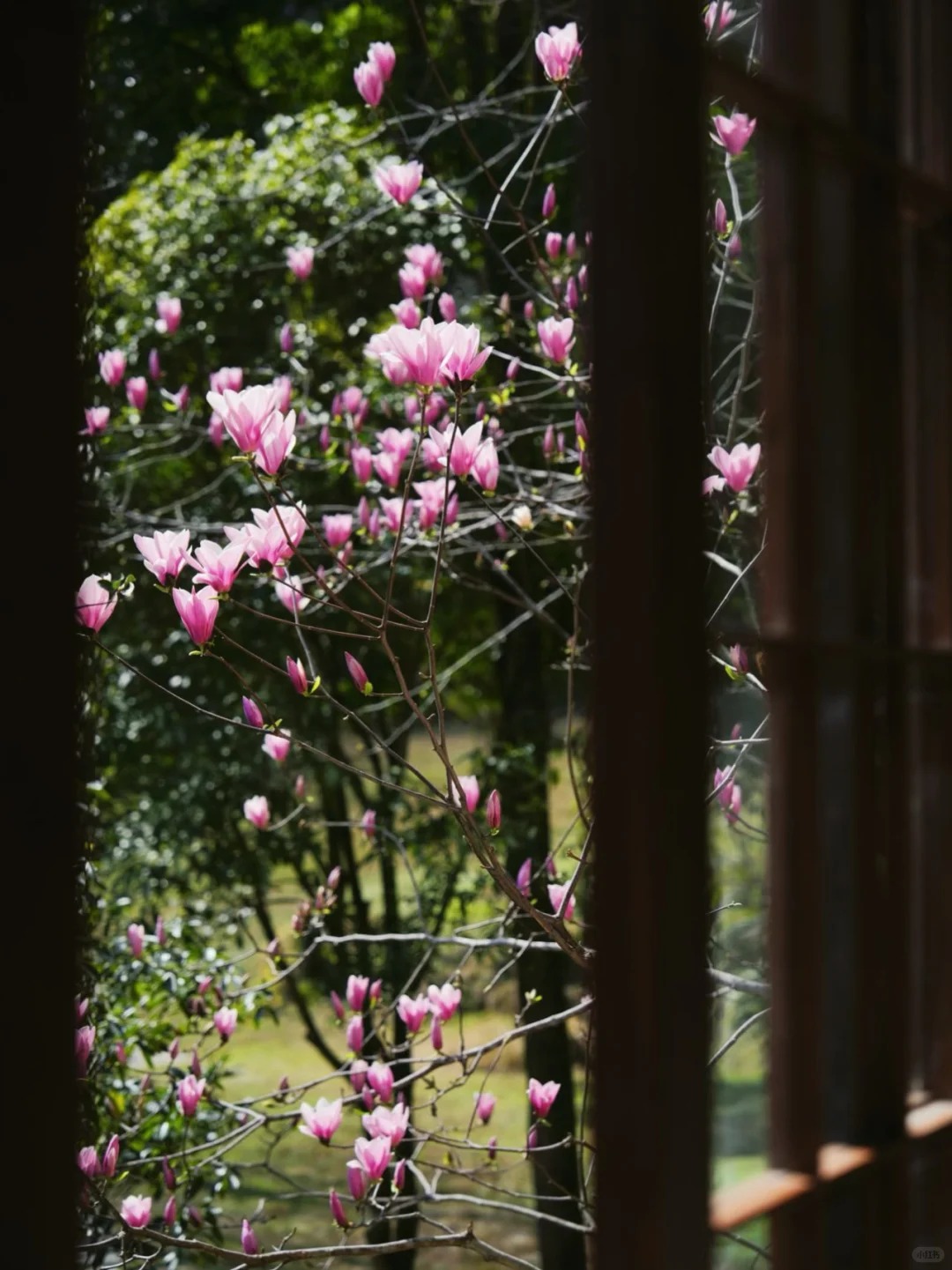
Qingcheng Mountain
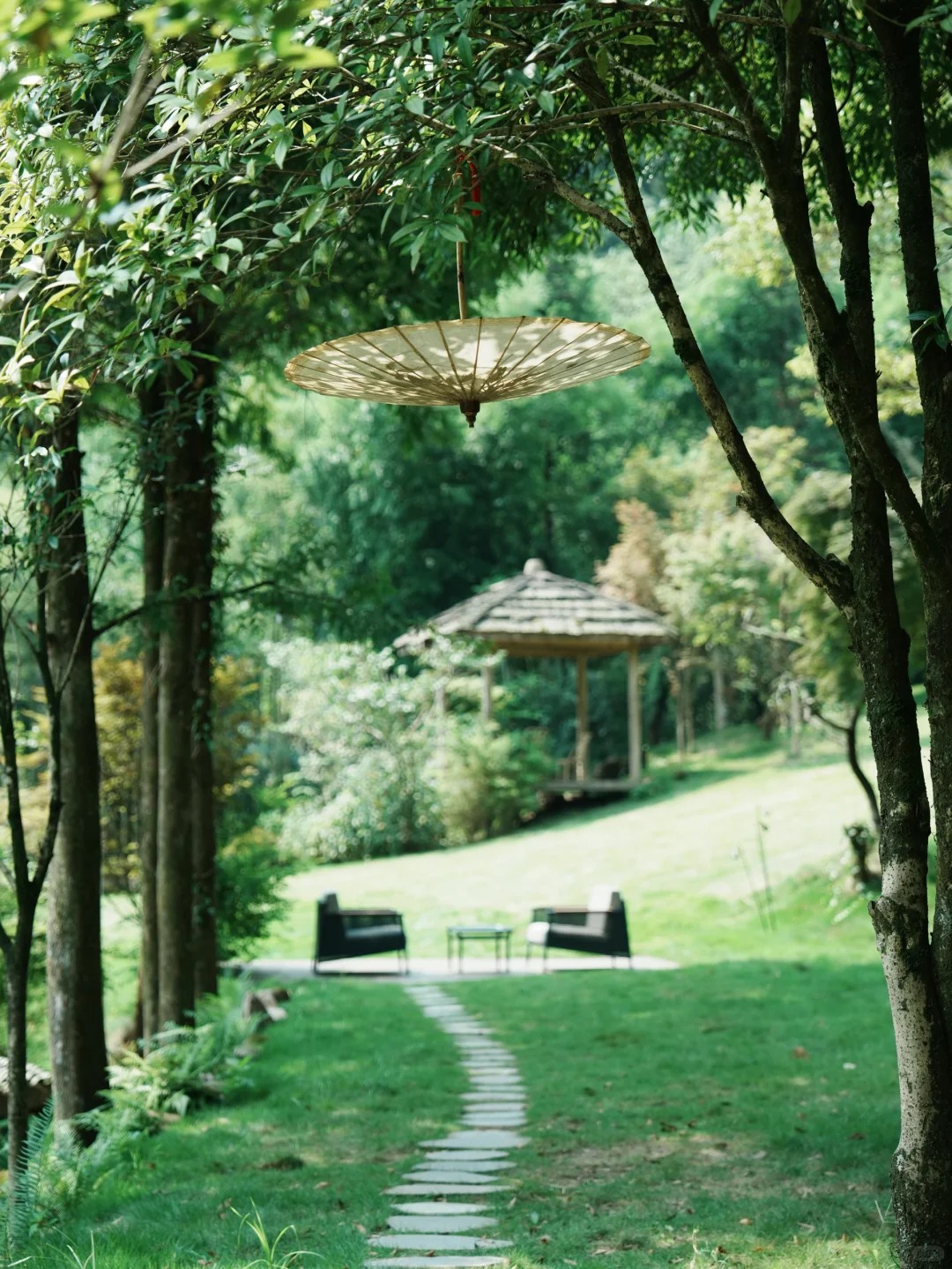
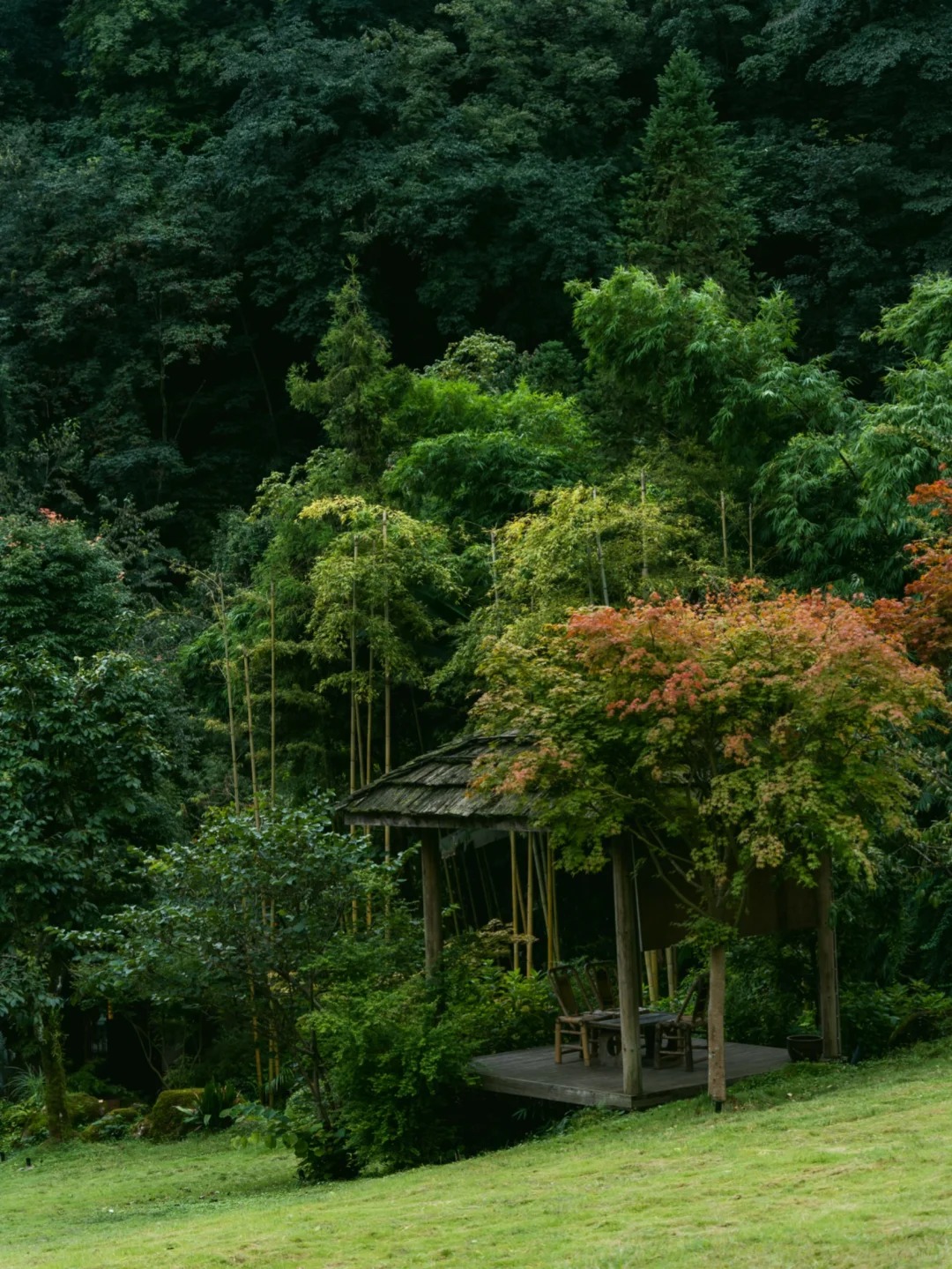
A small retreat inside the Qingcheng valley, with a private hot spring in every room and a vegetarian-leaning Daoist kitchen. All four nights.

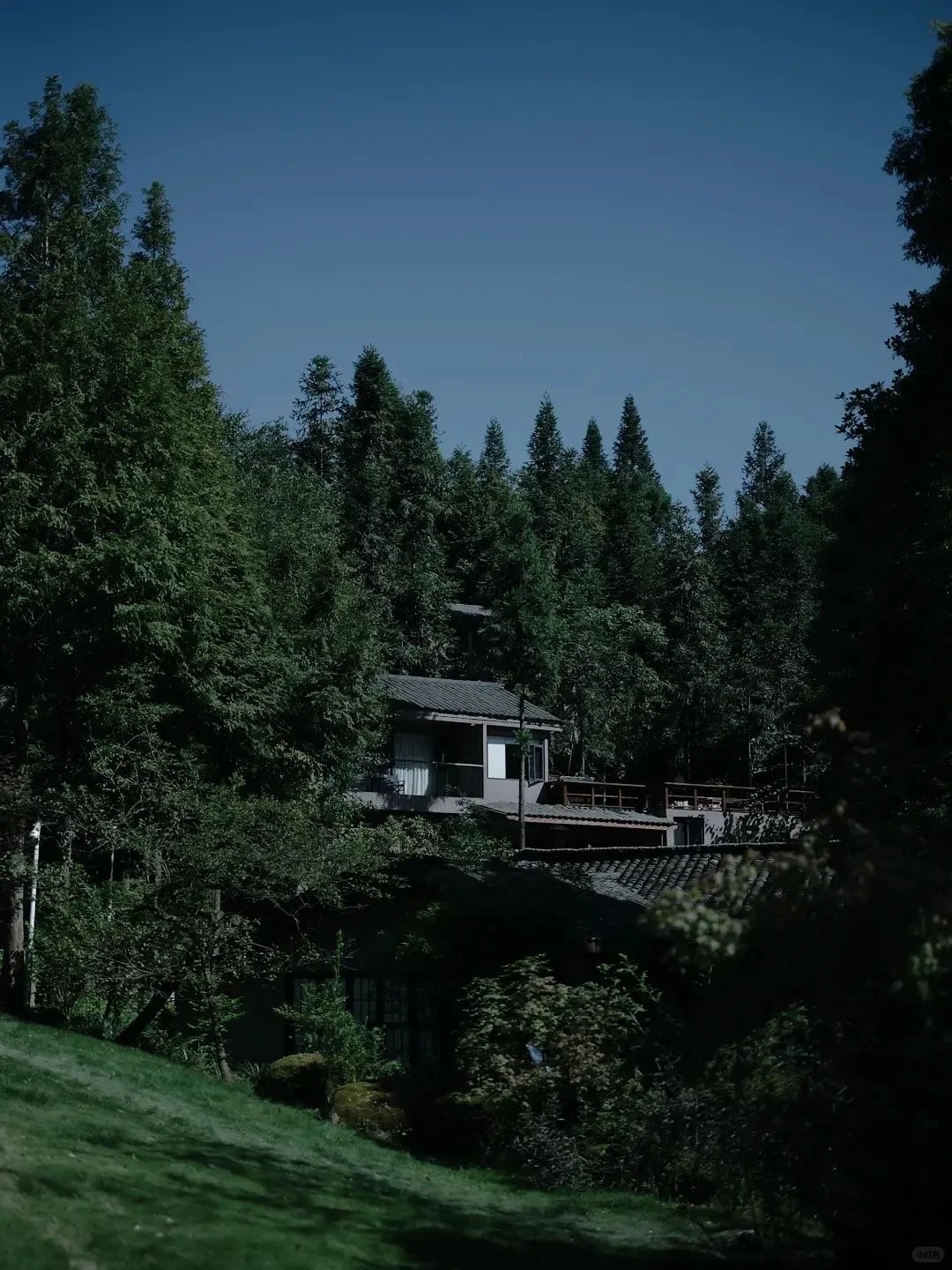
Your driver takes you straight west out of Chengdu into the Qingcheng valley: about 50 minutes from Shuangliu, an hour and three-quarters from Tianfu, an hour and a half from the high-speed station. Nothing is planned for the rest of the day. Walk the garden, take a first pot of local green tea, use your own hot spring and eat in. The kitchen leans vegetarian, in the mountain's Daoist way.
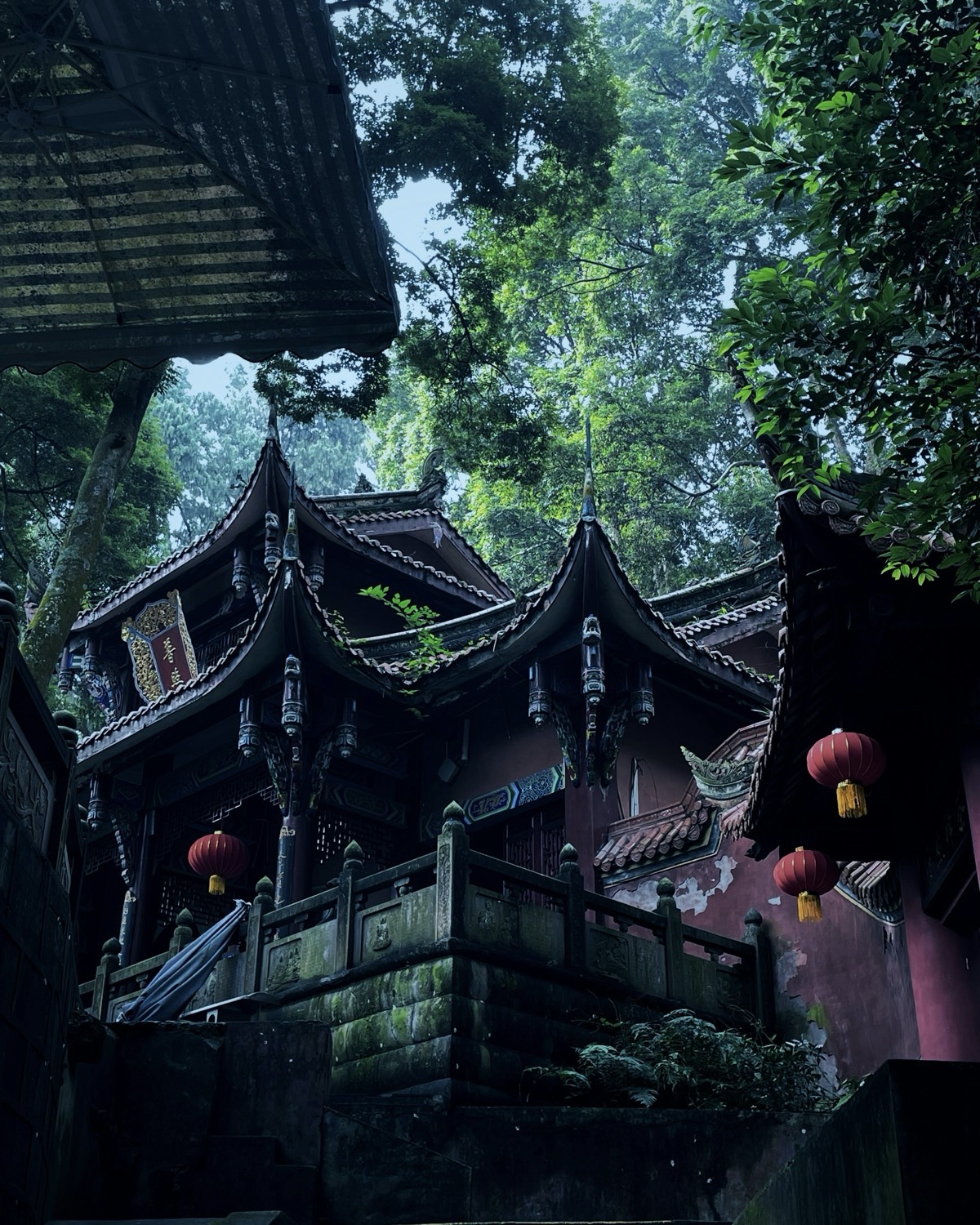
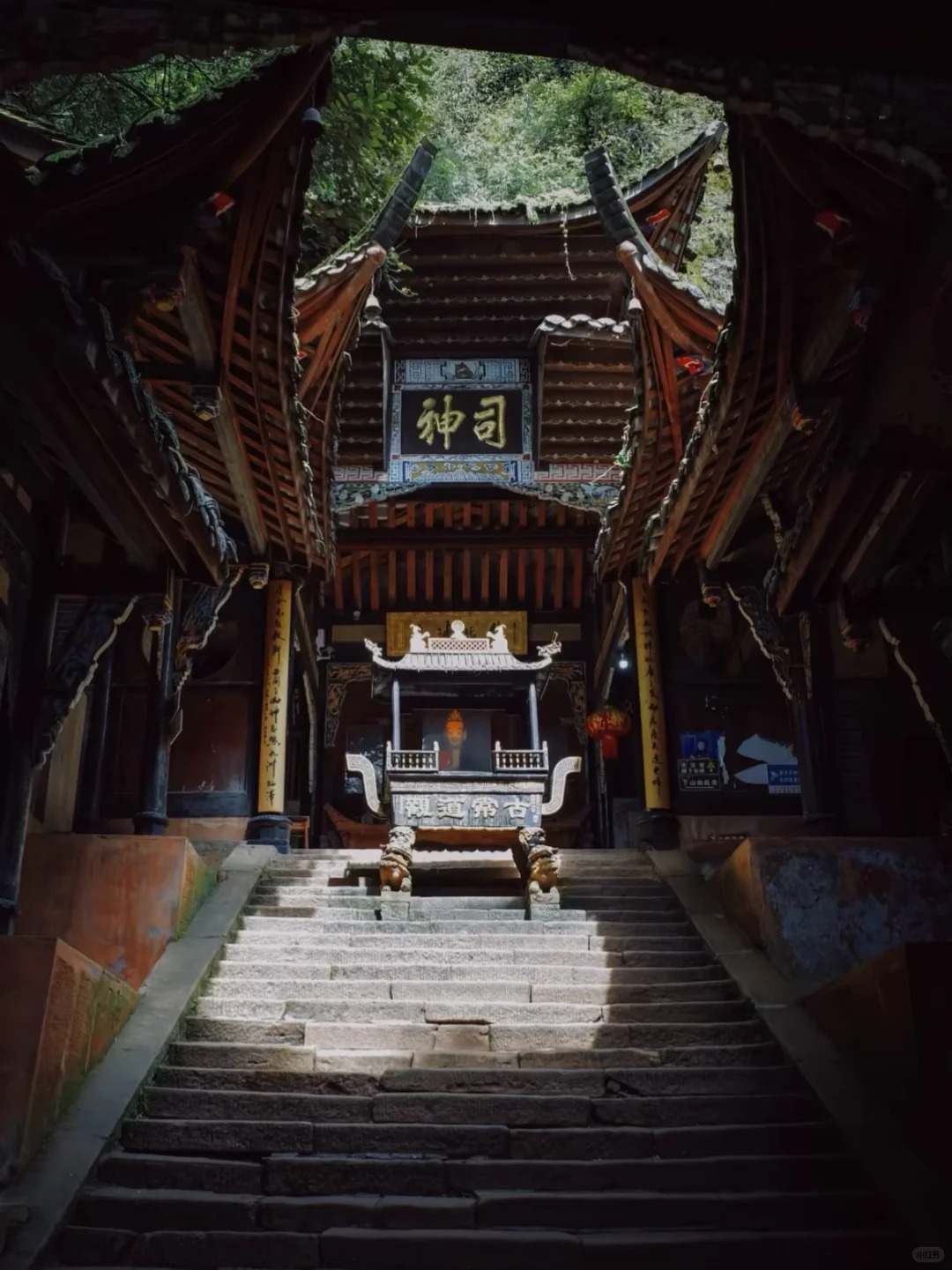
Qingcheng is short as sacred mountains go, about 1,260 metres at the top, and soft: camphor and bamboo forest, mist most mornings, working temples on every ridge. It's where Zhang Daoling founded the Way of the Celestial Masters in 142 CE, the start of Daoism as an organised religion. Be on the front-mountain path early, before the day visitors, and walk up past Tianshi Cave (天师洞) to Shangqing Palace (上清宫), with your guide explaining what the priests are doing as you pass. The paths are paved stairs, and a cable car takes the steep section. Stop for a pot of Qingcheng green tea in a temple courtyard, then spend the afternoon back in the valley.
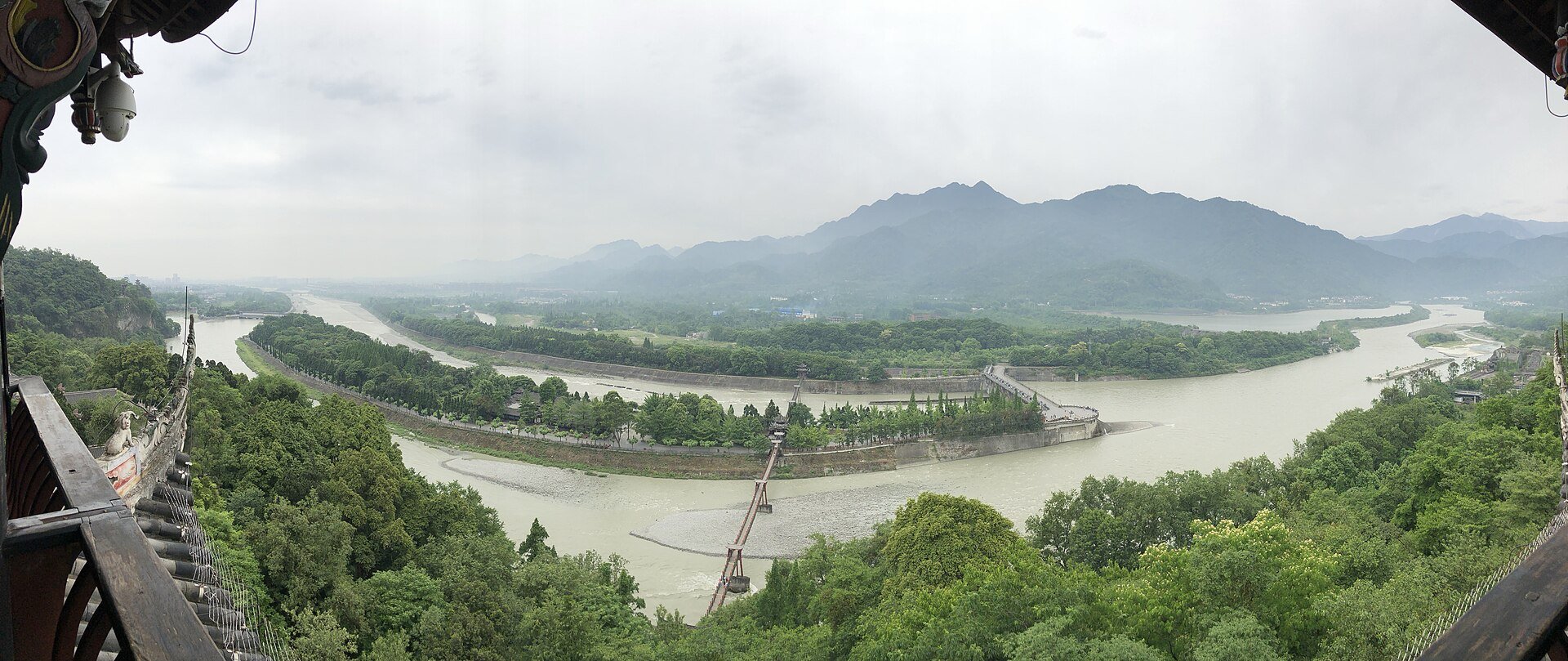
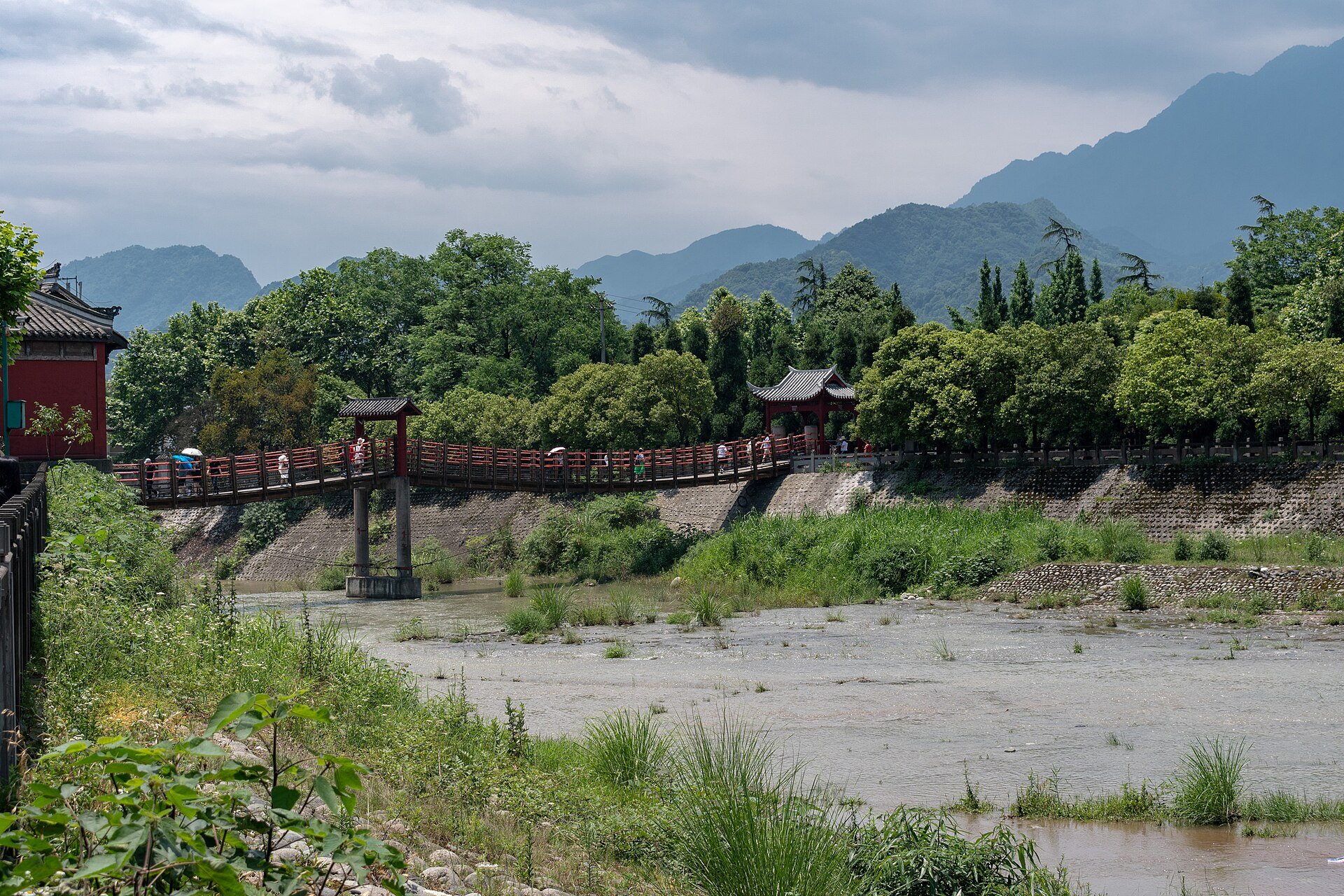
A short day. Dujiangyan, fifteen minutes away, is the irrigation system the governor Li Bing built around 256 BC and the reason the Chengdu plain is so fertile; it shares its World Heritage listing with Qingcheng. The Fish Mouth levee splits the Min River in two, and it still works. Walk it in the afternoon, when the coaches have gone, and cross the swaying Anlan rope bridge, then eat noodles in Guanxian old town at the gate. If you'd like pandas, Panda Valley is twenty minutes from the valley and runs a keeper morning for ages 8 to 70. For the four-day version, this is the day we drop.
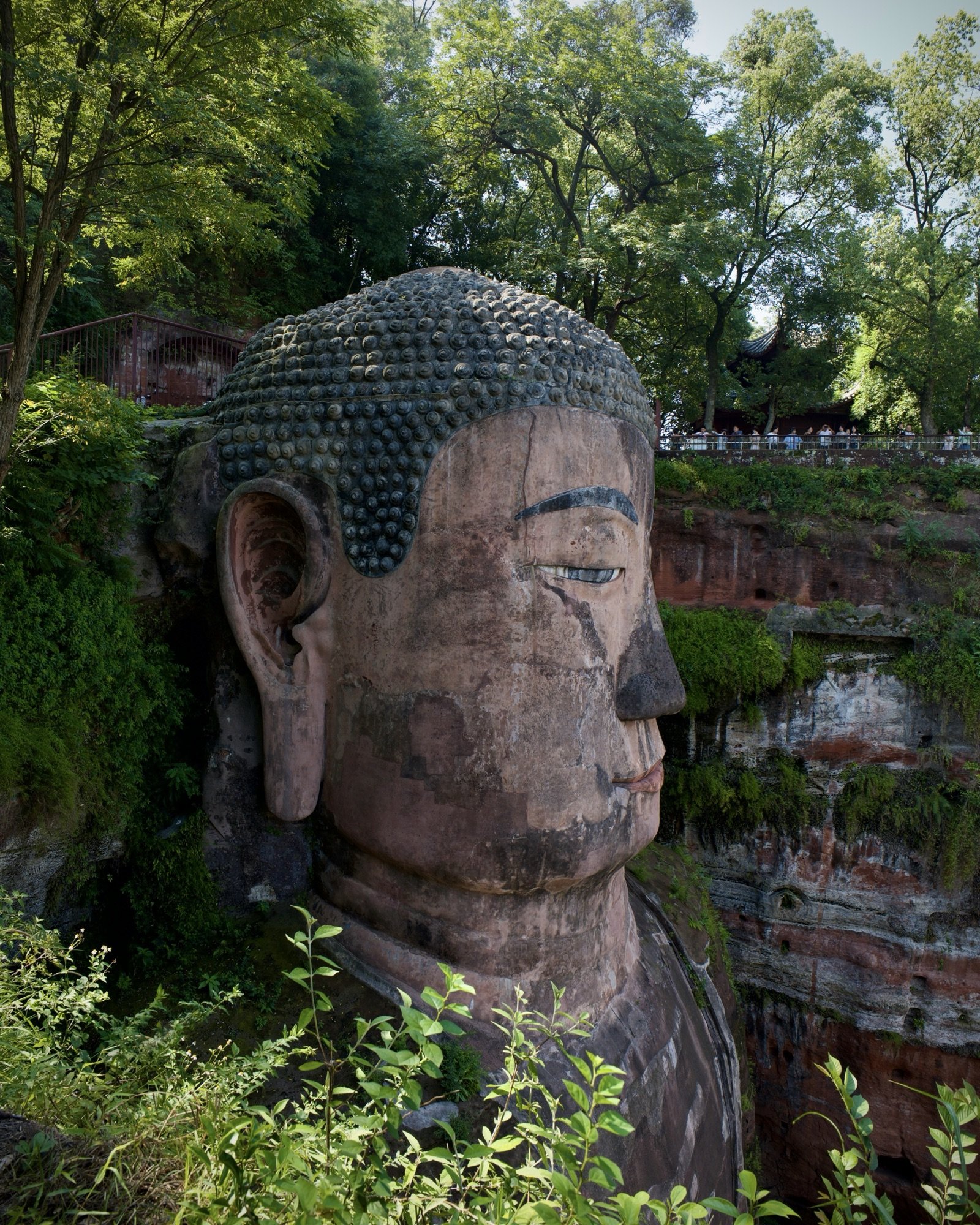
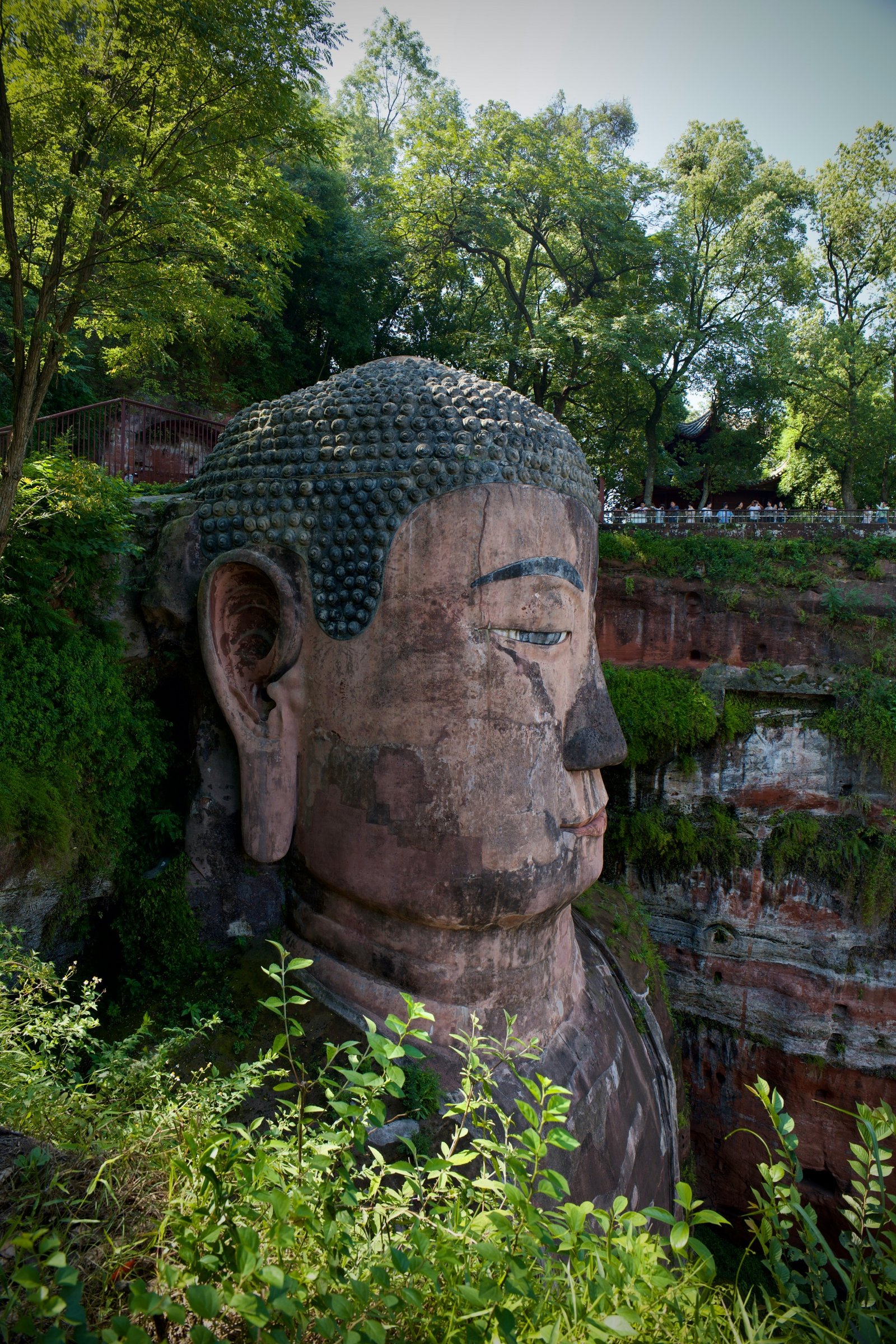
About two hours south, the Leshan Giant Buddha sits in a red sandstone cliff where the Min, Dadu and Qingyi rivers meet. It is 71 metres tall, begun in 713 by the monk Haitong, who hoped it would calm the rapids that drowned boats here, and finished 90 years later. Take the boat first, about twenty minutes on the water and the whole figure in one view with no queue. Then walk up to Lingyun Temple above the head, a working monastery since the Tang, and down the zigzag cliff stairs beside the Buddha if the queue is short. Back to the valley by evening, for the hot spring and a proper pot of tea.
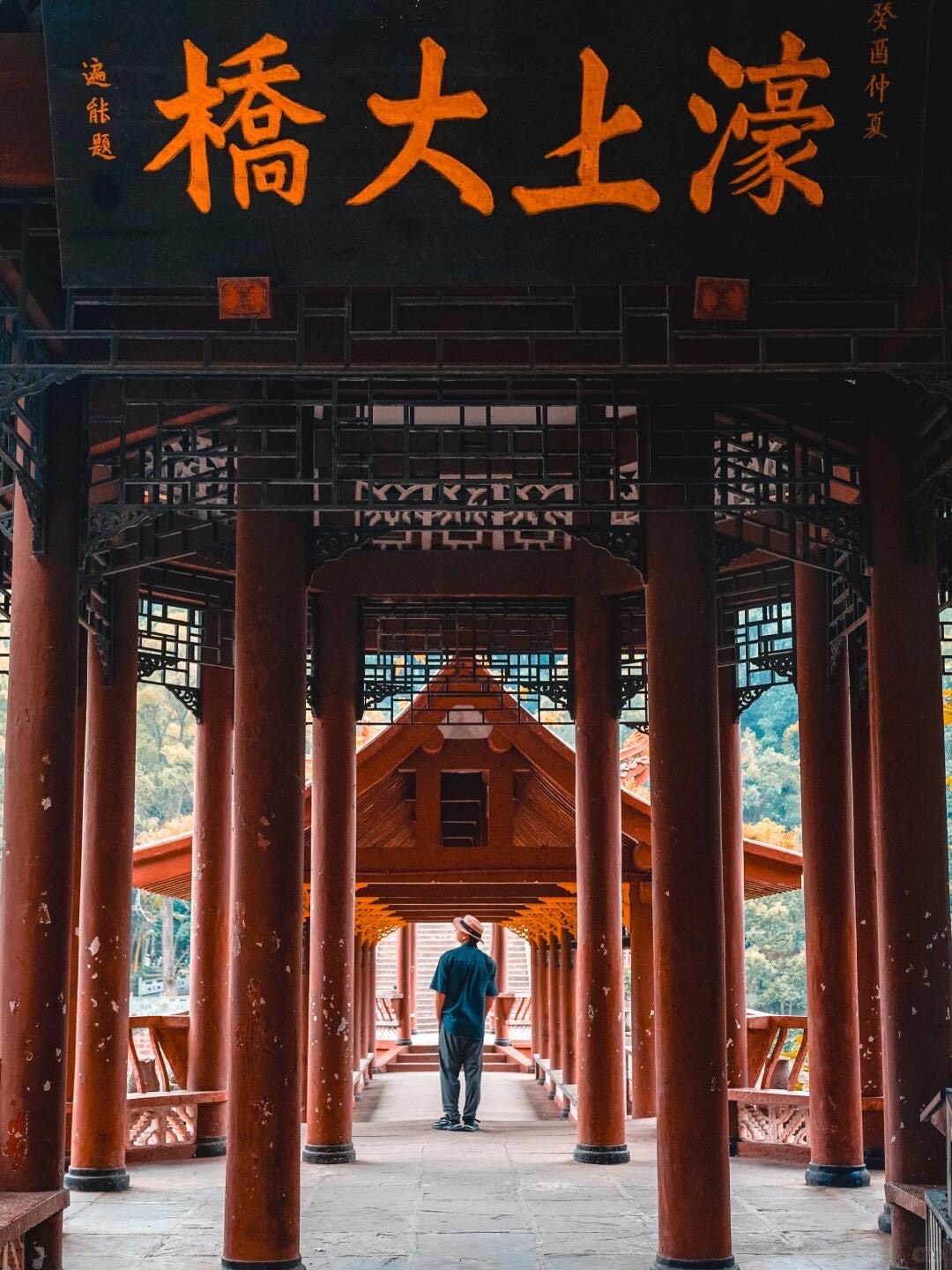
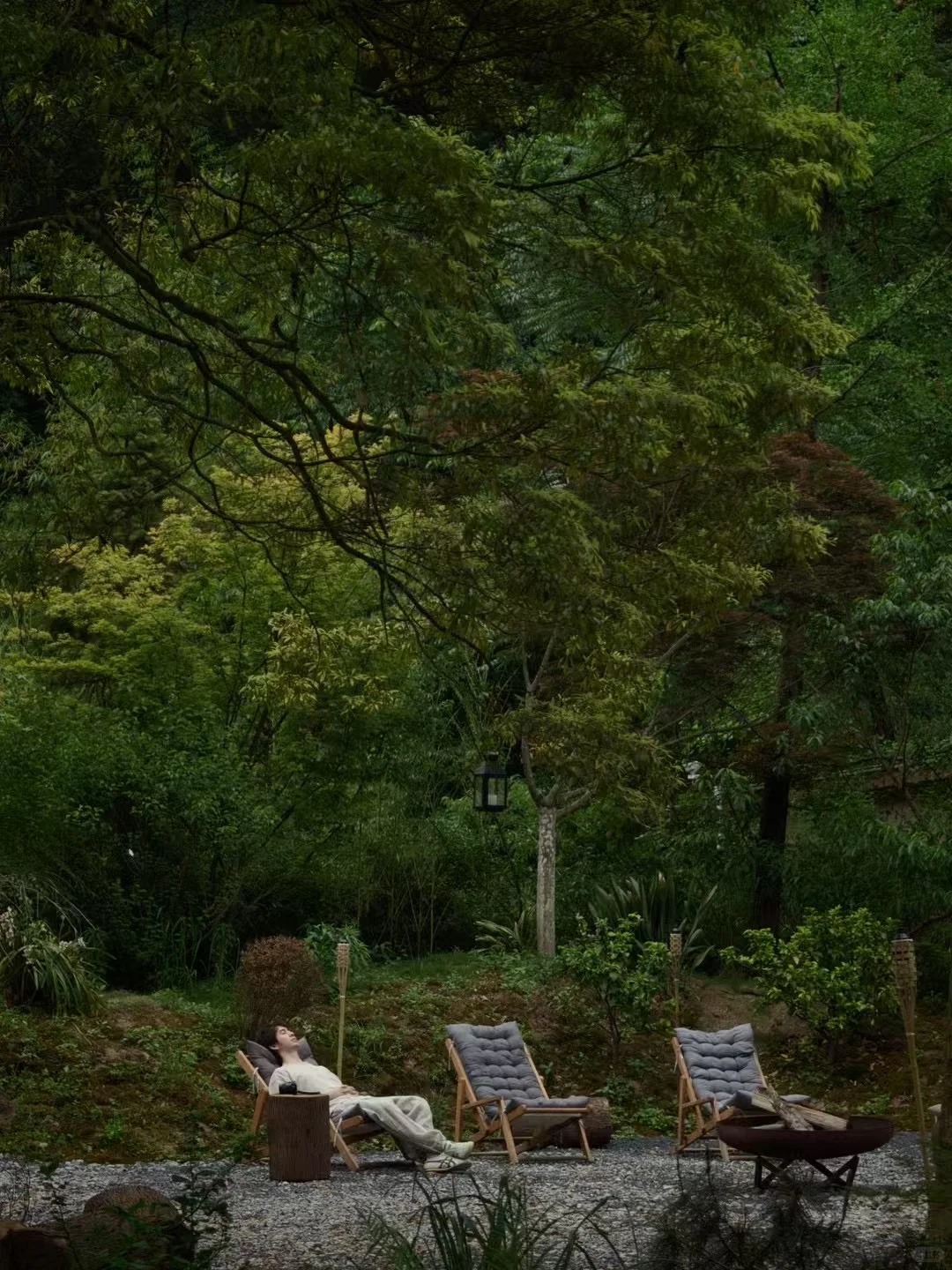
Nothing is planned before you leave: tea, the garden, a last soak. If you're staying six days, today goes to the back mountain instead, the quieter, wilder side of Qingcheng, with streams and suspension bridges and far fewer people, and you leave the morning after. Then the drive back to Chengdu, timed to your flight or train.
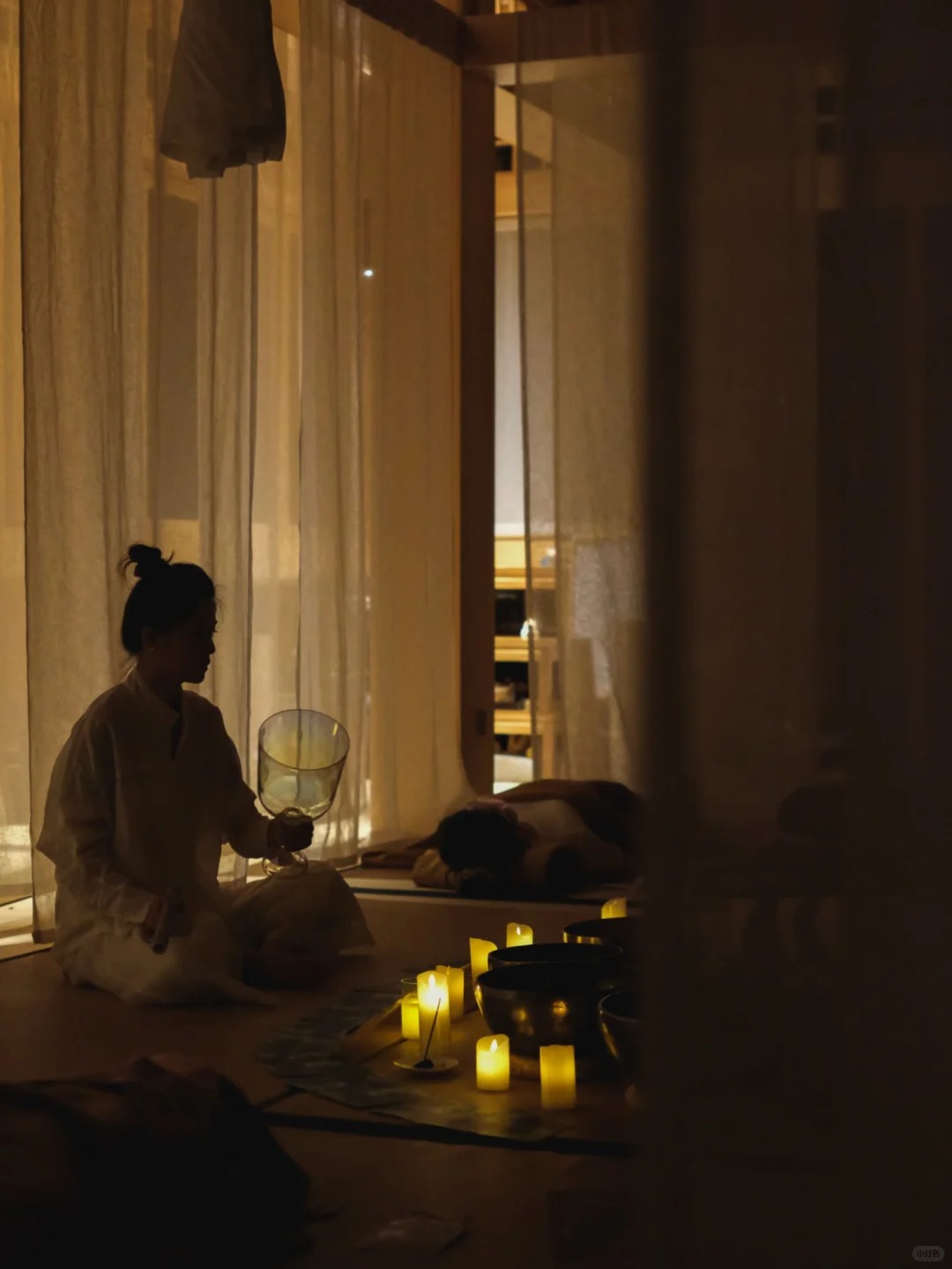
Four nights in one place, folded into the forest below the mountain.
A small retreat inside the Qingcheng valley, with a private hot spring in every room and a vegetarian-leaning Daoist kitchen. All four nights.
These are examples of the boutique stays we book across the route. Because boutique hotels have so few rooms, a stay may occasionally be swapped for one of similar standard.
Knees, altitude, diet or a medical condition to think about? Tell us before you book and we'll say plainly whether this trip works, or shape one that does.
Five is the balance: one day each for Qingcheng, Dujiangyan and Leshan, with a free afternoon on every one of them. Four drops Dujiangyan. Six adds Qingcheng's back mountain, the quieter side with streams and suspension bridges, and an extra slow morning.
March to May for fresh green and light mist, and September to November for cool, clear walking days. Summer is lush and humid, and the mountain is where Chengdu goes to escape the heat. Winter is grey but rarely freezing. Avoid Golden Week (1–7 October) and Chinese New Year, when the front-mountain stairs turn into a queue.
No. The front-mountain path is paved stairs the whole way, with a cable car for the steep section. Leshan is mostly level once you're off the boat, except the cliff stairs beside the Buddha, which are optional.
Yes. Panda Valley at Dujiangyan is about twenty minutes from the valley and runs a keeper morning for ages 8 to 70, behind the scenes with the keepers preparing feed. We add it to Day 3.
Every day, stay and date tailored to you — shaped over a call with someone who has walked the route, never a template.
Tell us your dates and what moves you. We reply within one business day, then shape a proposal — no obligation, never a templated package.
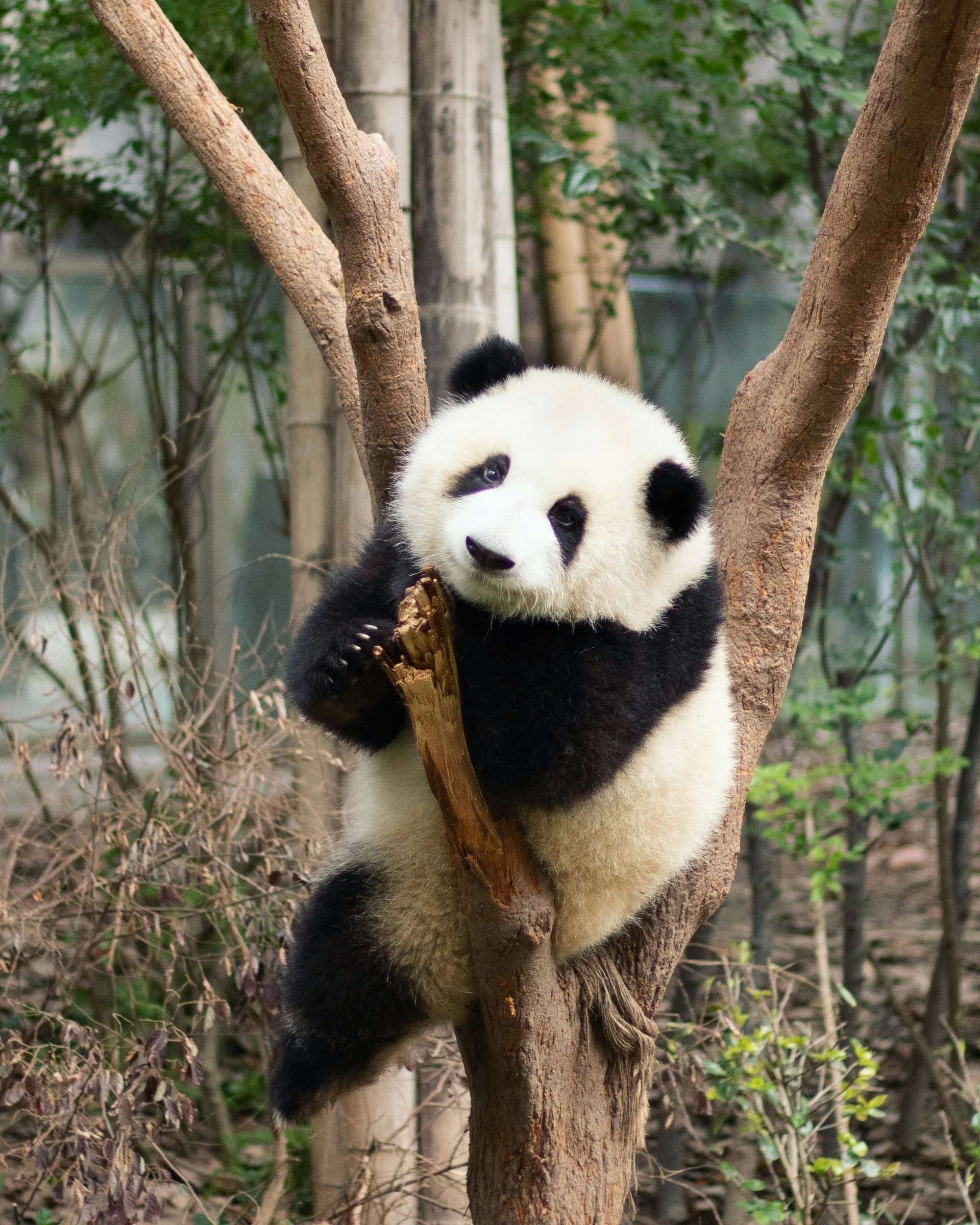
Seven days in and around Chengdu for families: a morning with the panda keepers, the 3,000-year-old bronzes of Sanxingdui, Zaha Hadid's science-fiction museum, Dujiangyan's ancient waterworks, a teahouse afternoon and a dan dan noodle class, and the 71-metre Leshan Giant Buddha from the river.
See the itinerary →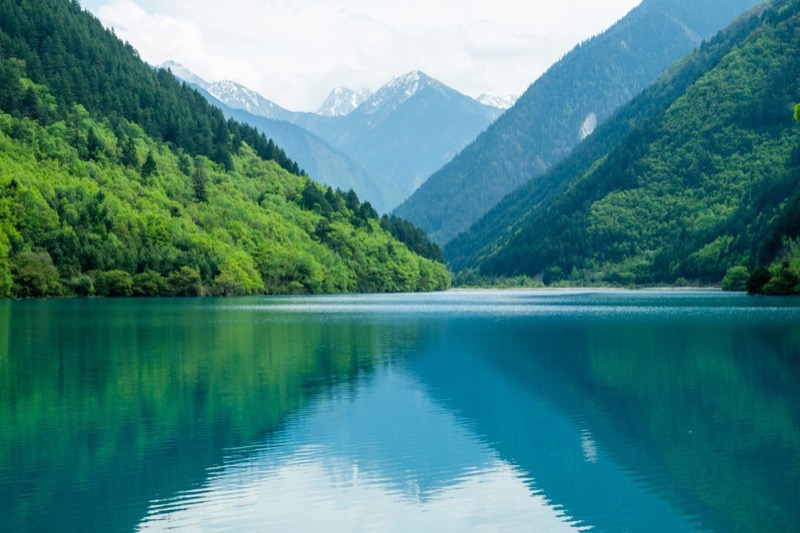
Giant Pandas at the Chengdu Research Base, then three days in the alpine lakes of Siguniang or Jiuzhai Valley. City culture first, mountain silence after.
See the itinerary →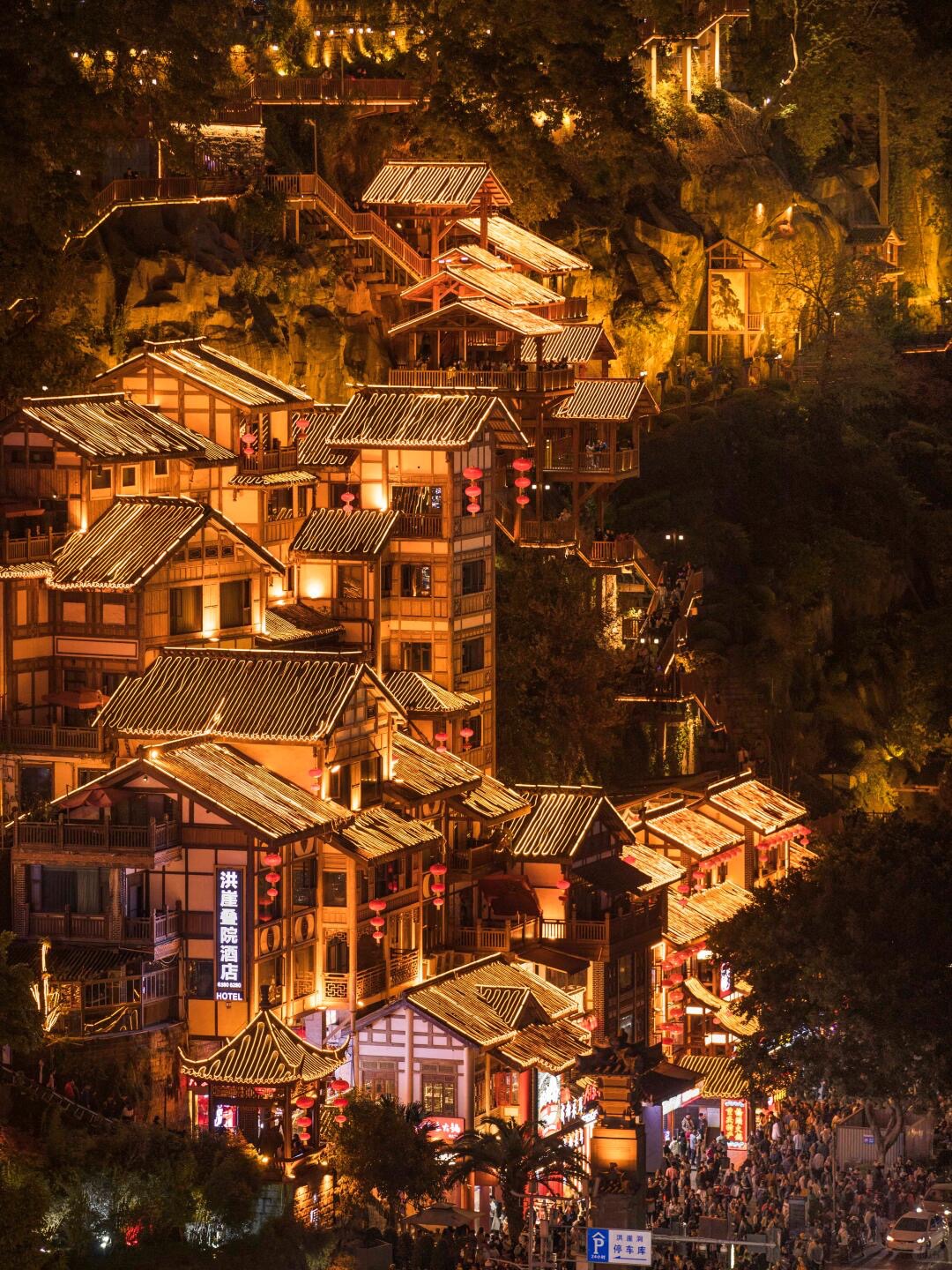
A 5–6 day private tour weighted toward Chongqing — neon river cities, UNESCO Wulong Karst, the Longji (Dragon's Backbone) ridge hike above the Yangtze, and two different tables of Sichuan heat. Bookended with a soft Chengdu landing.
See the itinerary →